
The South-Vietnamese Women Museum preserves many documents and artefacts that honor the beauty of Vietnamese women through the ages. This place also serves as a destination for domestic and international tourists visiting Ho Chi Minh City. Coming here, you will learn interesting things about Vietnamese women in wartime, labor, and daily life. Let’s find out about the experience of visiting here!
General information about the South-Vietnamese Women Museum
Address: 200 – 202 Vo Thi Sau, Xuan Hoa Ward, Ho Chi Minh City. The museum is about 2 km from other tourist spots in the city center, such as Ben Thanh Market, Independence Palace, and the War Museum, so visitors can reach the museum easily on foot.
- Opening hours: 7:30 – 11:30, 13:30 – 17:00 from Sunday to Thursday.
- Entrance fee: free
The establishment of the South-Vietnamese Women Museum
Established on April 29, 1985, the South-Vietnamese Women Museum has become a familiar address for domestic visitors and foreign visitors, especially women from the Mekong Delta River. At first, it was used as a Traditional House for South Vietnamese Women, with the purpose of educating and nurturing patriotism and spreading the traditional beauty of Vietnamese women to younger generations.
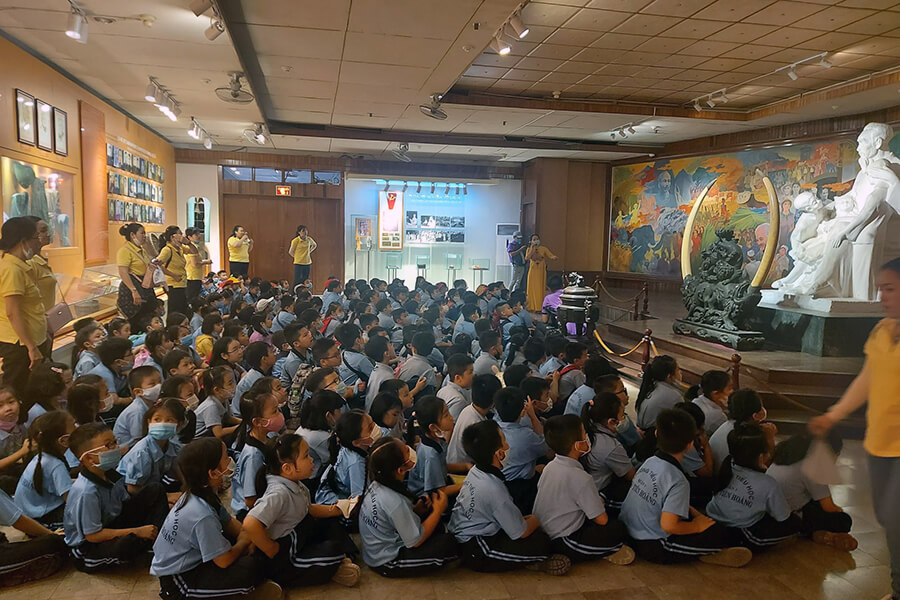
The museum initially covered 200 square meters and included 6 thematic rooms. However, it was expanded to 3,000 square meters in 1986 through donations of money and materials from organizations, unions, individuals, and overseas Vietnamese from various regions. And the latest engagement process was launched in 1990 with 5,410 square meters in use, including a hall with a capacity of nearly 1,000 people, and a storehouse of over 700 m². Currently, the museum welcomes 80.000-100.000 visitors per year, including international travelers, professors, and students.
What to see at the Southern Vietnamese Women Museum?
Currently, the Museum manages 44,108 artifacts and scientific documents, and 2/3 of the Southern women’s lives during the war. They’re exhibited occasionally, and below are 11 subjects that are showcased permanently:
- Southern women’s traditions before the establishment of the Communist Party.
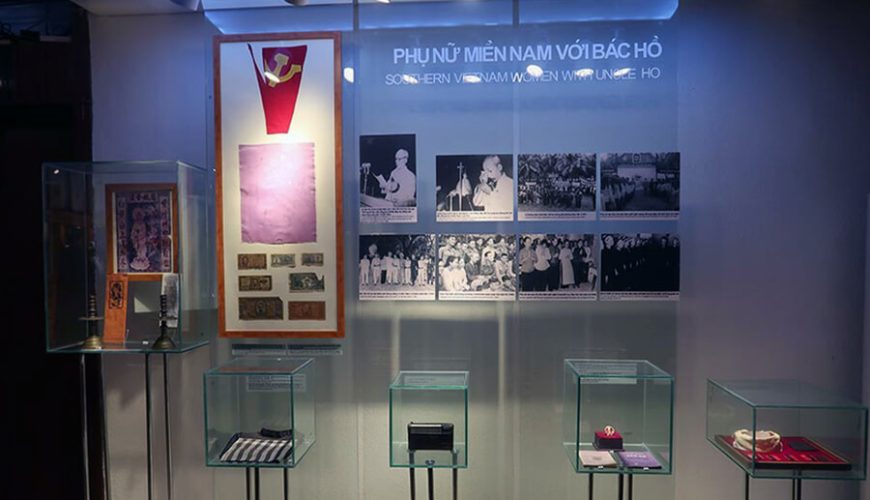
- President Ho Chi Minh with Southern women and Southern women with the President.
- The formation and development of Vietnamese women’s organizations.
- Southern women after the country’s unification.
- Southern women in politics.
- Southern women in the military.
- Southern women in foreign affairs.
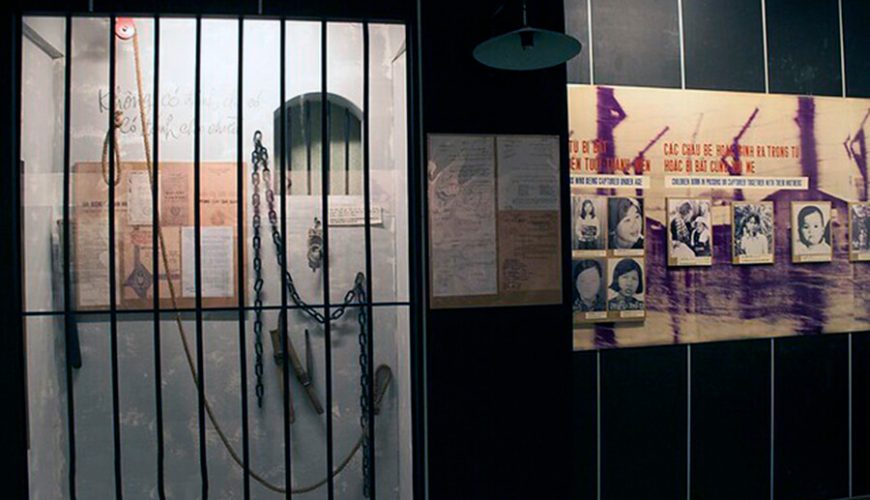
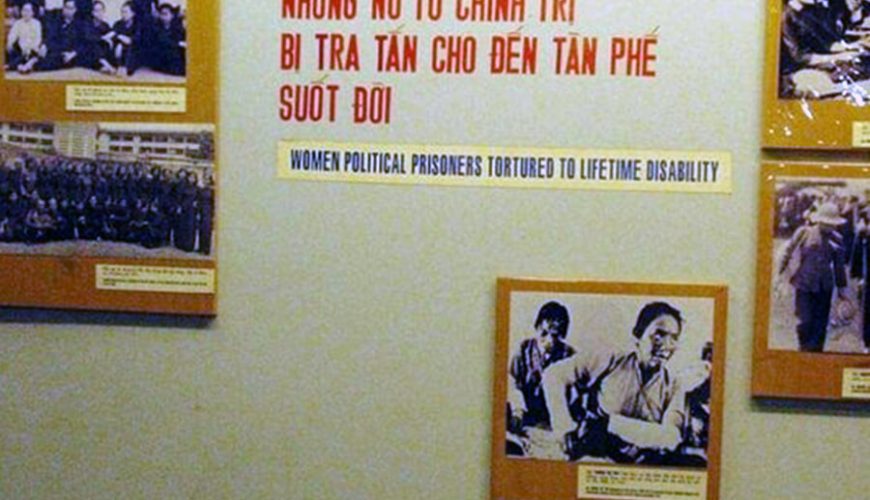
- Southern women in colonial prisons,
- The religion that worships “Bà”, meaning Lady, a sublime female character.
- Clothes and jewelry of Vietnamese women
- Traditional handmade textile
The artifacts kept at this museum are divided into 24 collections. Below are three collections that are more information-rich and have more artifacts than the others.
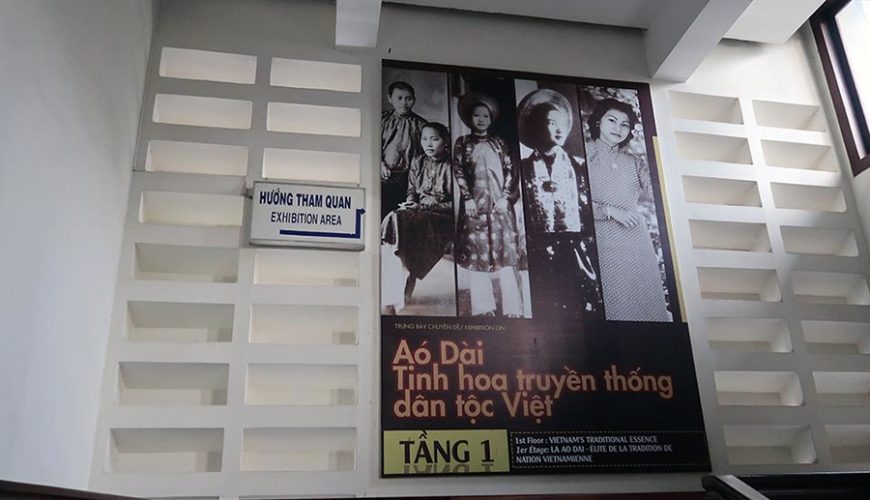
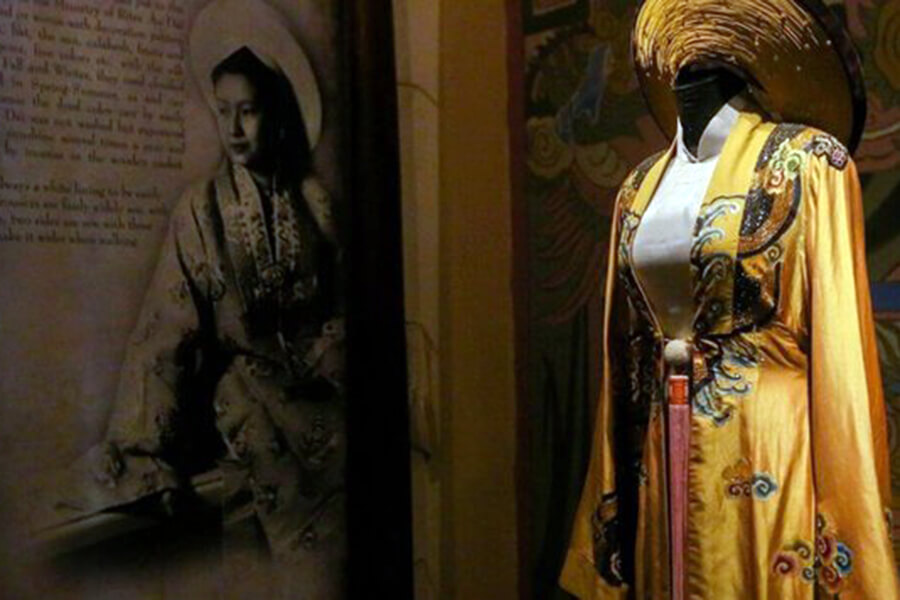
Ao Dai collection at the Southern Women’s Museum
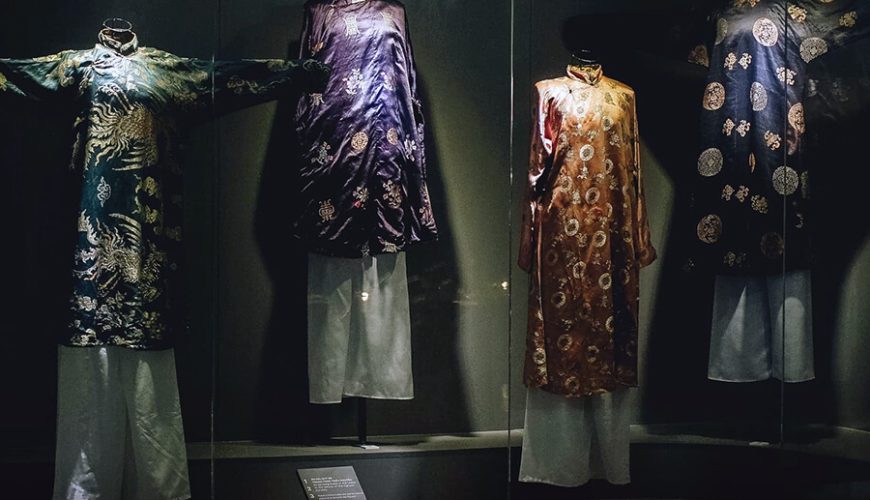
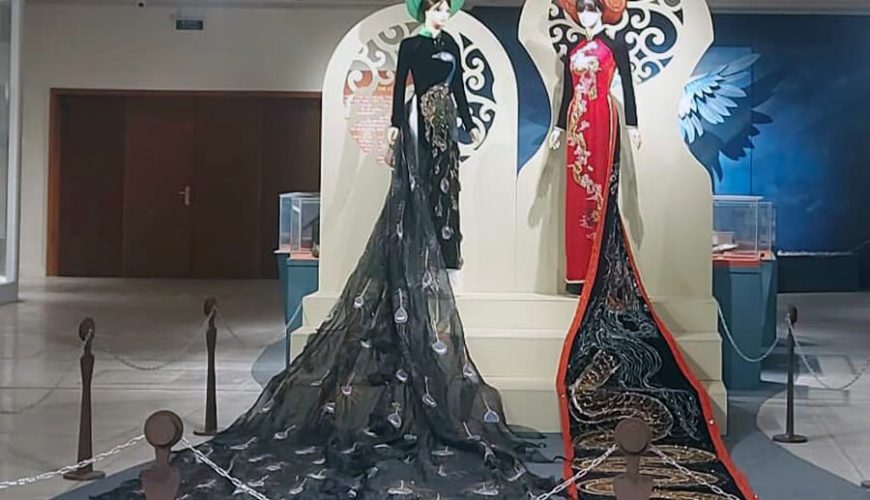
The Ao Dai has become Vietnam’s national costume. Over time, through numerous improvements, the Vietnamese Ao Dai has gained greater aesthetic value. Ao Dai is a traditional beauty, embodying the soul of the nation and creating beautiful designs for Vietnamese women.
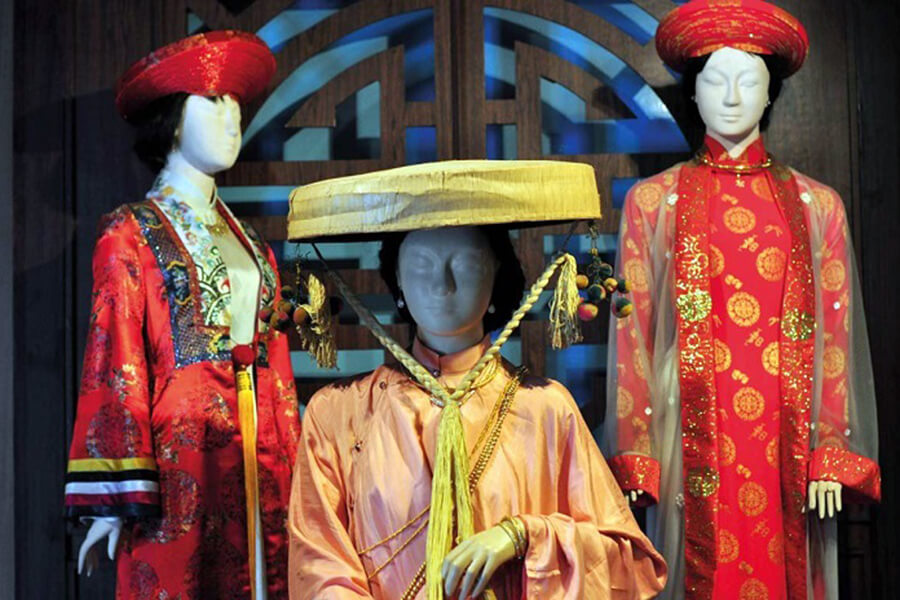
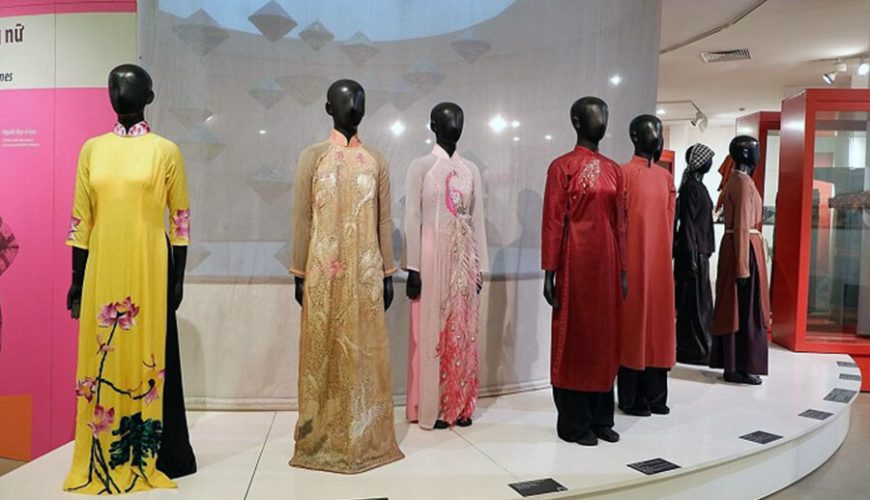
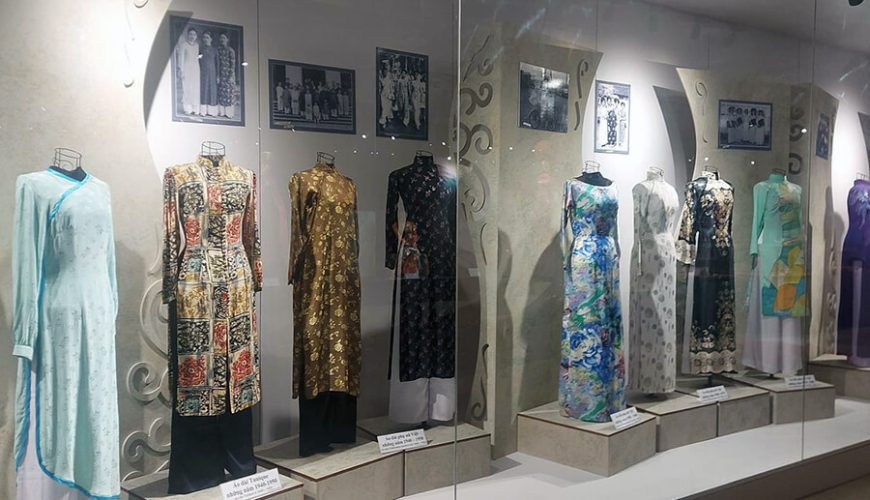
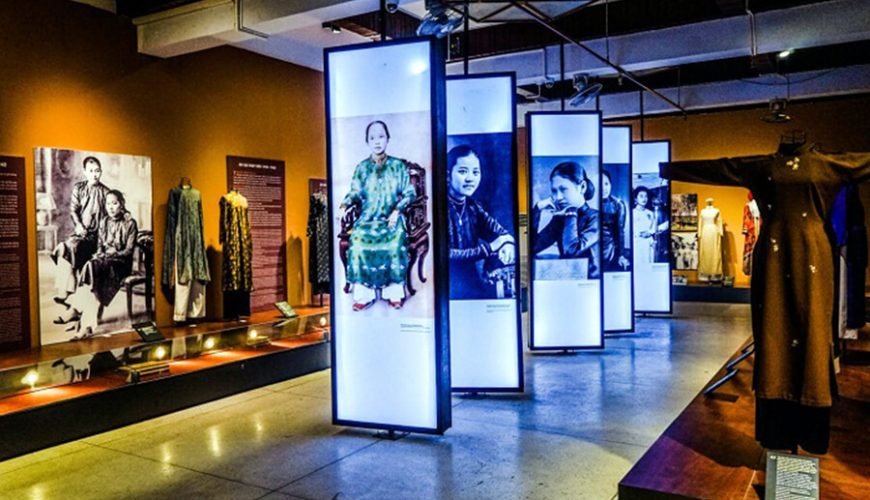
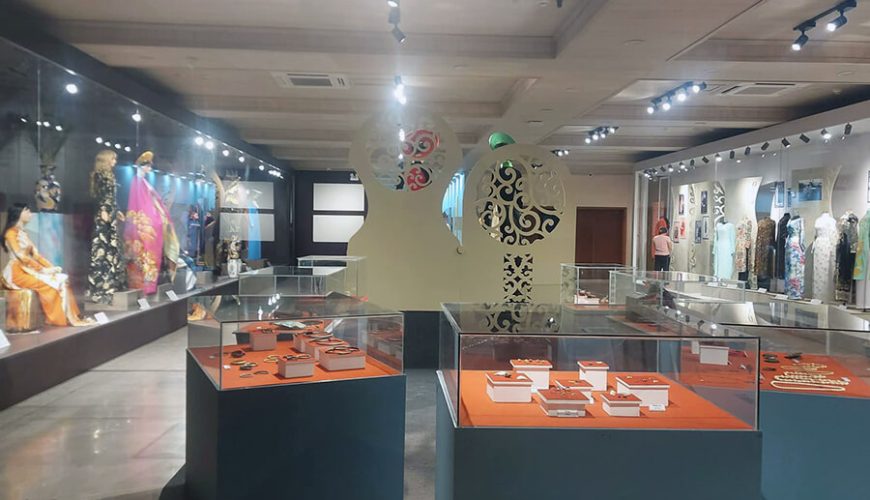
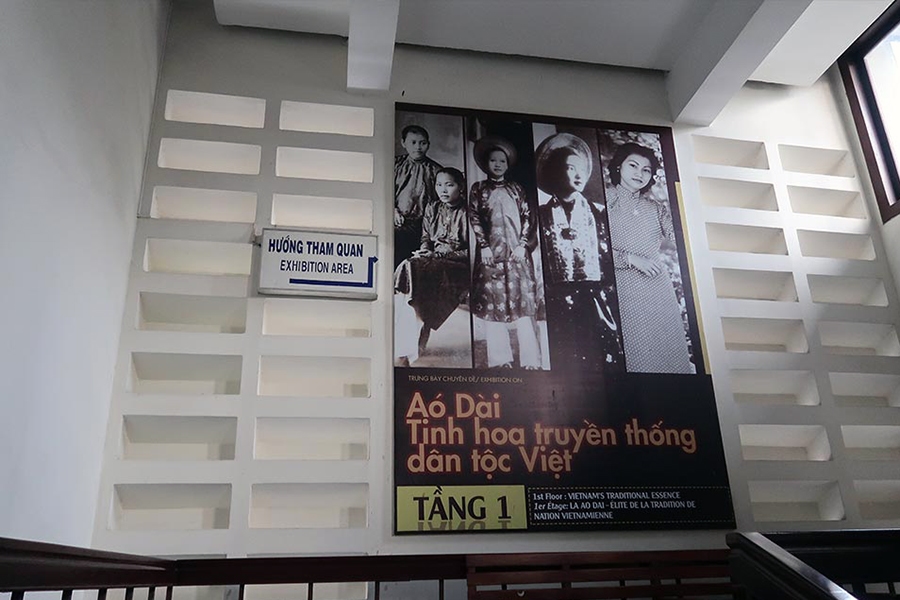
The collection consists of 65 items on the first floor. As soon as you enter the room, a large brown board on the left outlines the history of ao dai in Vietnamese, English, and French.
There are many Ao Dai in chronological order, stretching around the room. Therefore, greater attention should be paid to comparisons of Ao Dai refinement across periods from 1744 to the present.
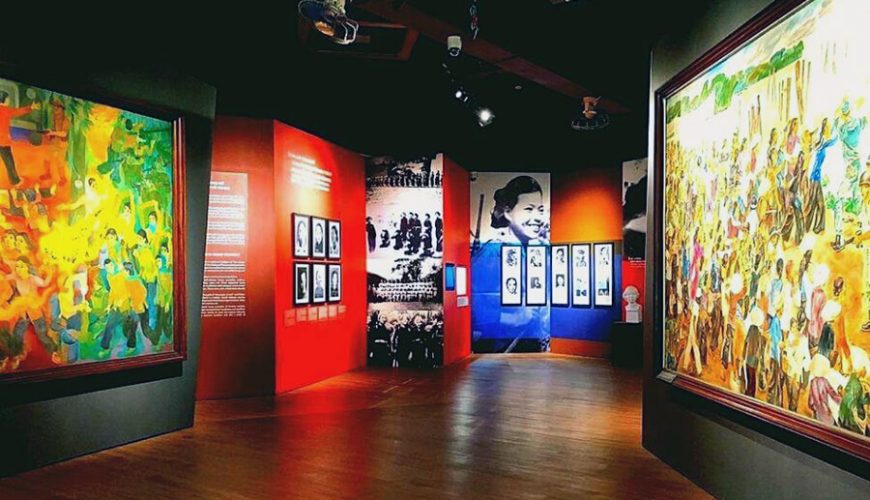
In the center of the room are portraits of famous women who have devoted their lives to Vietnam’s liberation and development.
Heritage collection of women’s resistance against the two wars
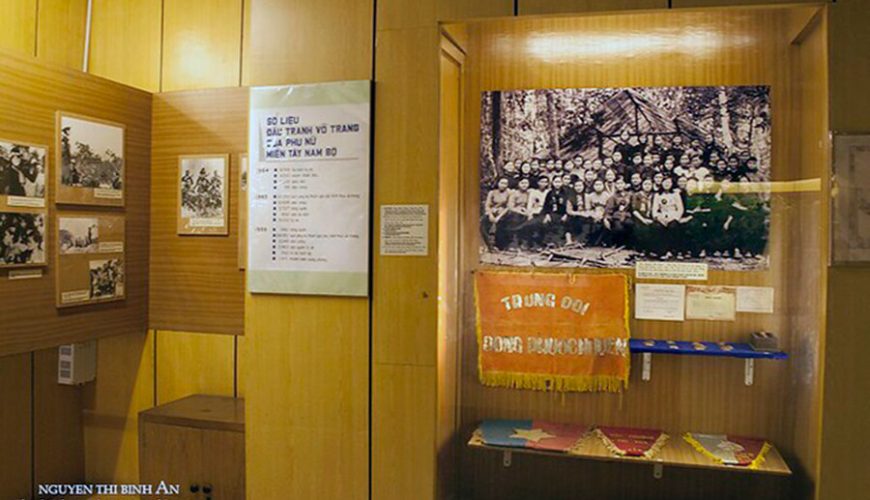
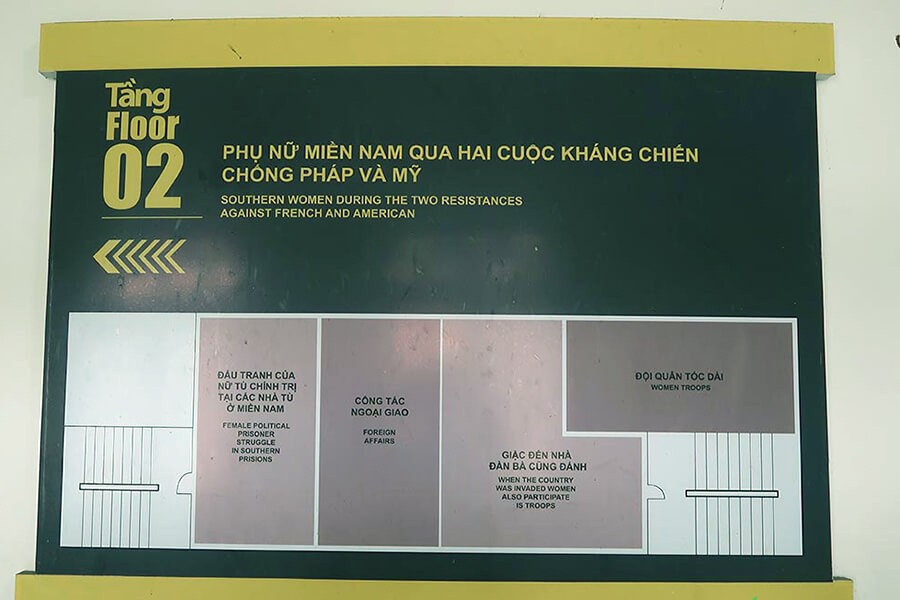
This collection is displayed on the second floor of the museum. It is divided into four sub-themes: political prisoners, foreign affairs, images of women fighting when the enemy approaches, and long-haired armies.
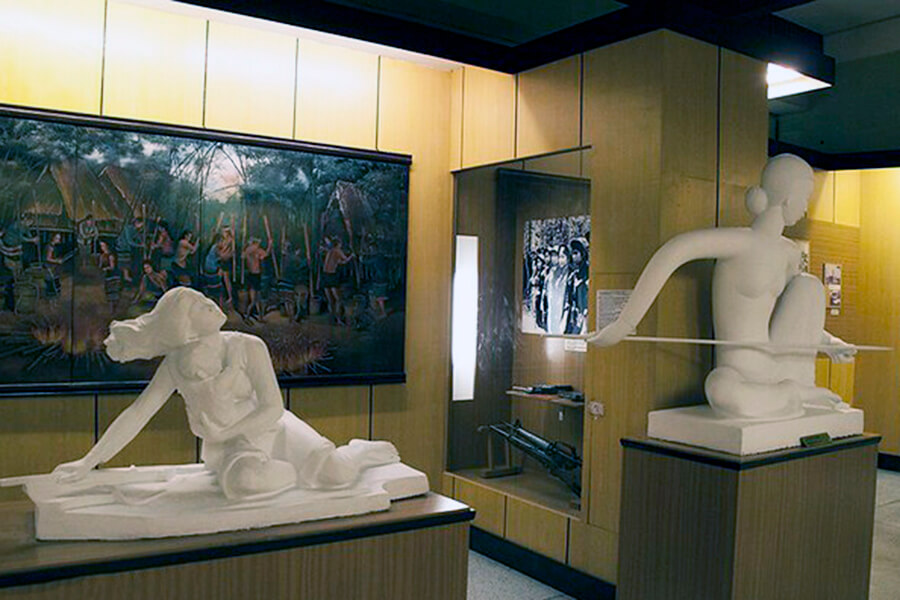
It may sound surprising, but Southern Vietnamese women played a vital role in the victory of the wars in Vietnam.
Shortly after the establishment of the Communist Party, many political struggles ensued. In southern Vietnam, hundreds of protests and strikes broke out. Large numbers of women attended the demonstrations. In addition to claims for compensation for beatings and wages, there are separate claims against female workers.
In addition, other forms of struggle, such as demonstrations for people’s lives, democracy, tax resistance, and anti-fascist movements, also took place strongly during the August Revolution in 1945 and during the resistance against the French colonialists (1945-1954).
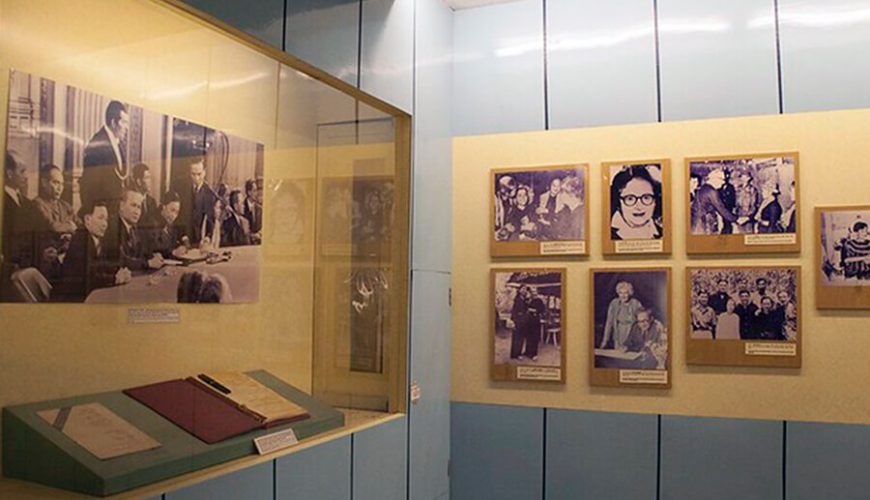
More than 1,000 photos and artifacts from the “Southern Women in Political Struggle” collection are held by the Southern Women’s Museum in Ho Chi Minh City, spanning various angles and genres and showcasing the contributions of Southern women to the struggle against French colonialism and American imperialism.
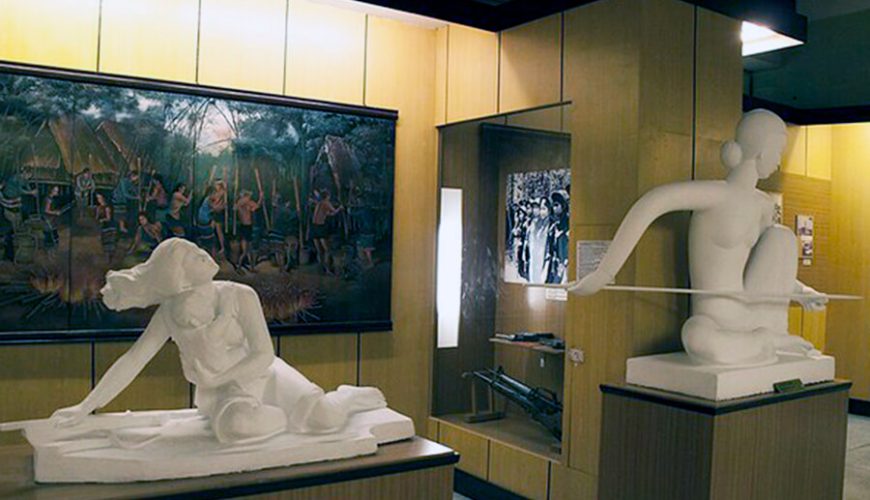
On the left is a statue titled “Unfinished Breastfeeding” by artist Vũ Ba; on the right is “Mother and Son on Reunion” by Lâm Hồng Long.
Work tools collection
The preservation and introduction of artifacts related to tools will help us better understand the role of women in Vietnam’s past and present life.
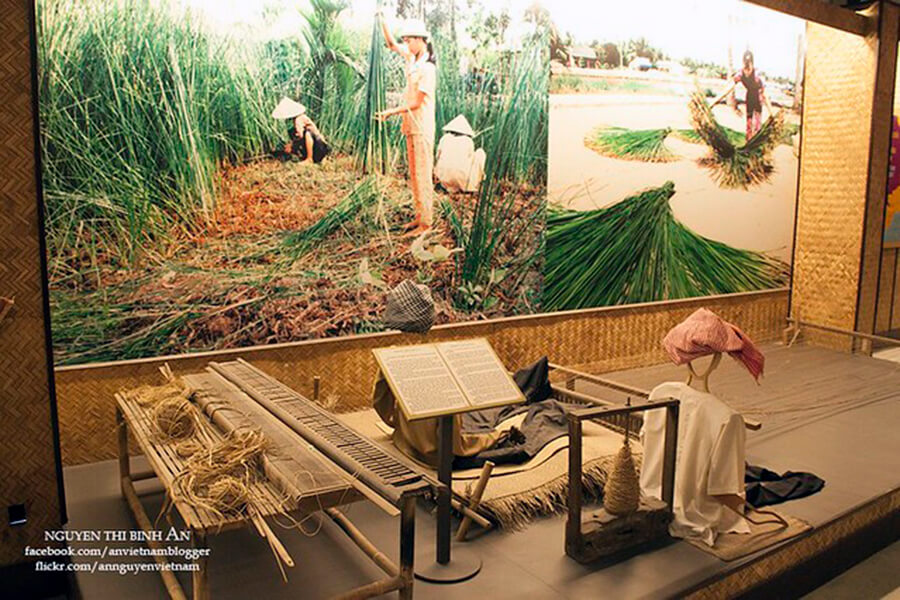
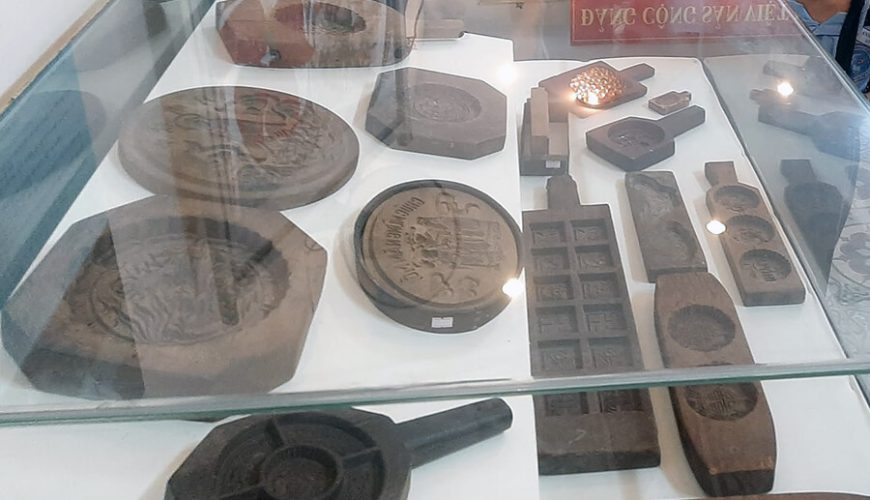
Currently, the Southern Women’s Museum in Ho Chi Minh City has built a collection of 350 artifacts used in the productive work of women from the Truong Son ethnic groups in the Central Highlands, as well as Vietnamese, Chinese, Cham, and Khmer communities. The steaming technique in Tan Chau, An Giang province, was widely known in both domestic and international markets in the 20th century.
What is inside the Southern Women’s Museum?
The Ho Chi Minh City Southern Women’s Museum building is designed with a front yard, three floors, and 10 rooms. Each floor has its own theme, and a map of each floor is displayed at the front door and explained in both Vietnamese and English.
Front yard area
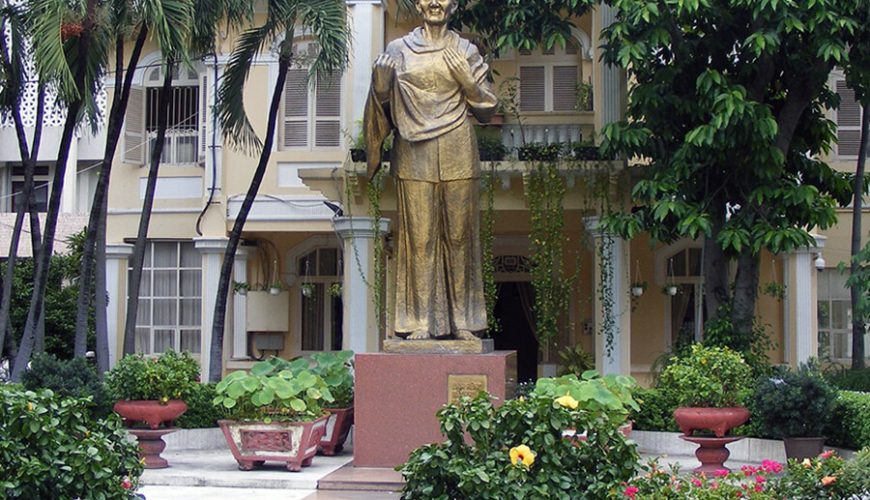
Outside, there is a 4.5m-high statue of the heroic Vietnamese Mother in traditional ao dai, making a strong impression on visitors. At the foot of the statue are engraved eight golden words: “Anh hùng – Bất khuất – Trung hậu – Đảm đang” (Hero – Unconquerable – Loyal – Capable) given by Uncle Ho to Vietnamese women during the Vietnam War.
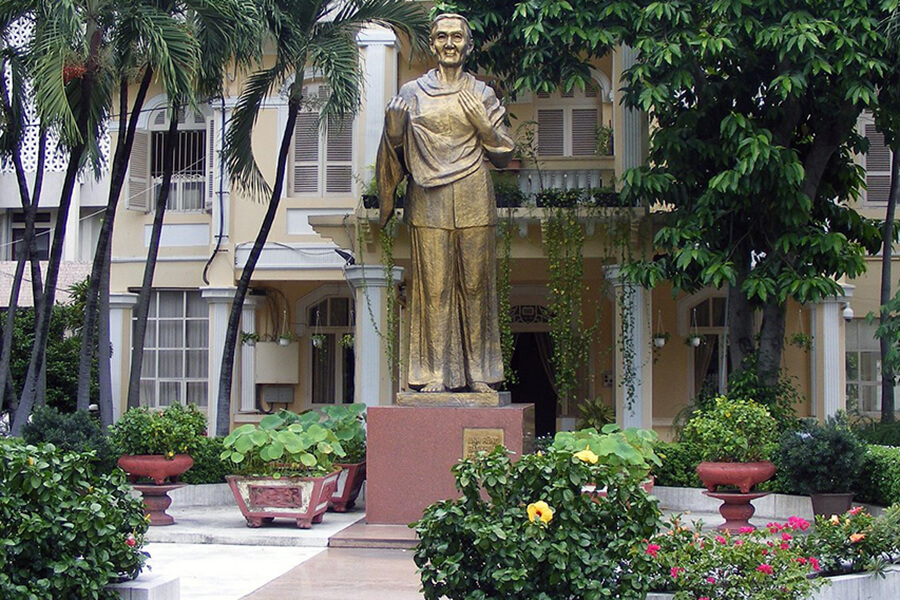
The front yard is quite large and covered with many green trees. There are four paintings depicting 4 Vietnamese women in traditional ao dai.
Ground floor
The museum has an 800-seat auditorium, a library with 11,000 titles focused on women, and a cinema room on the ground floor of the new building.
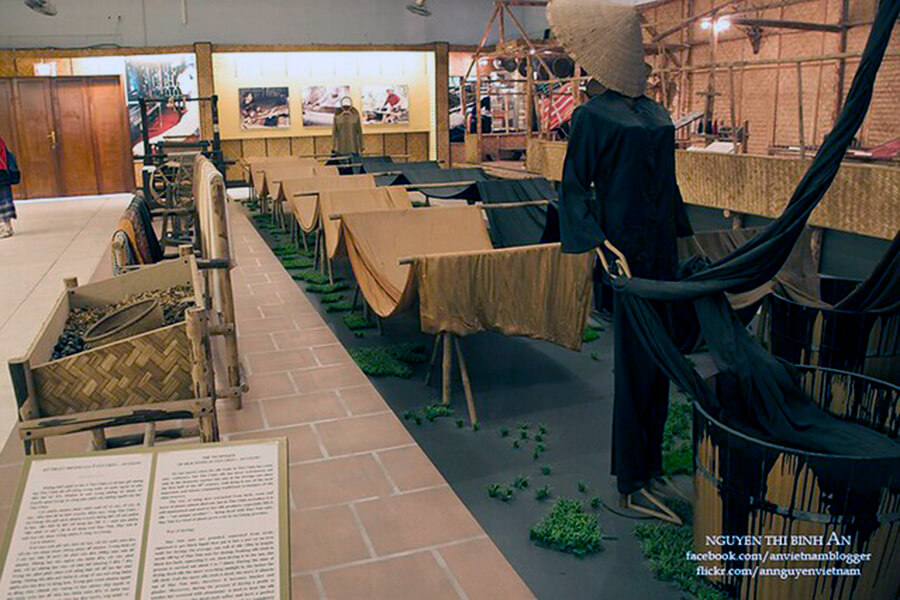
The 1st floor
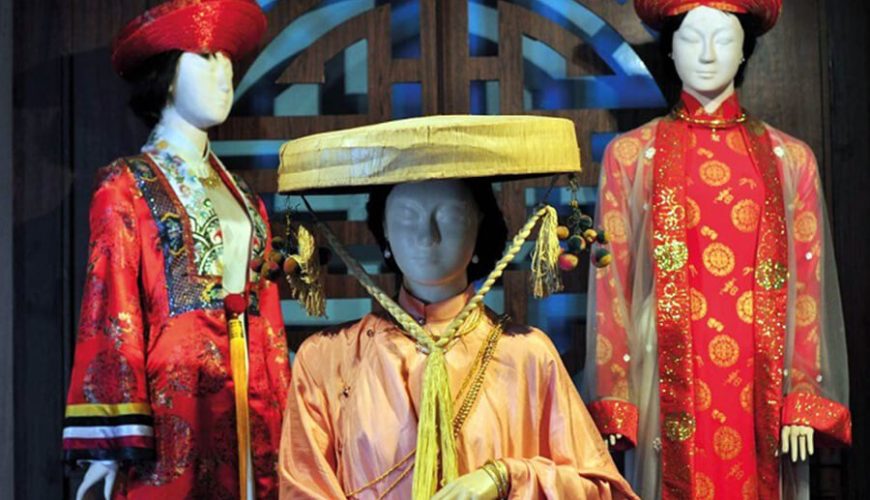
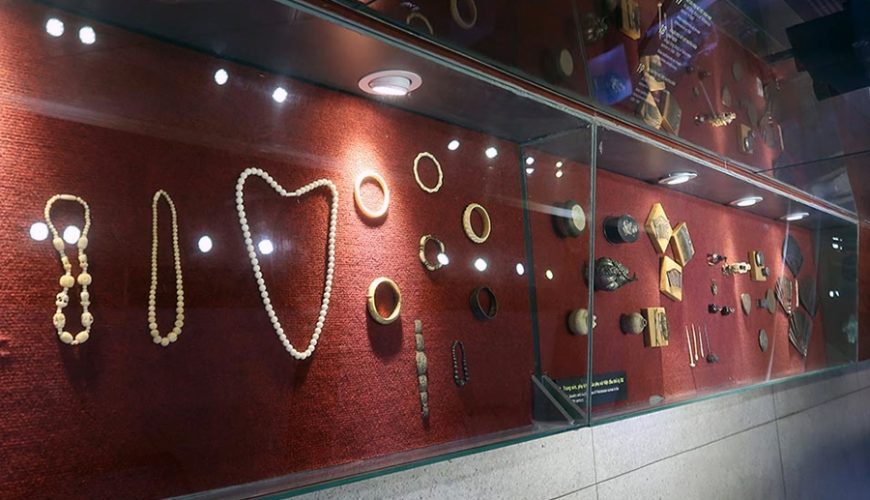
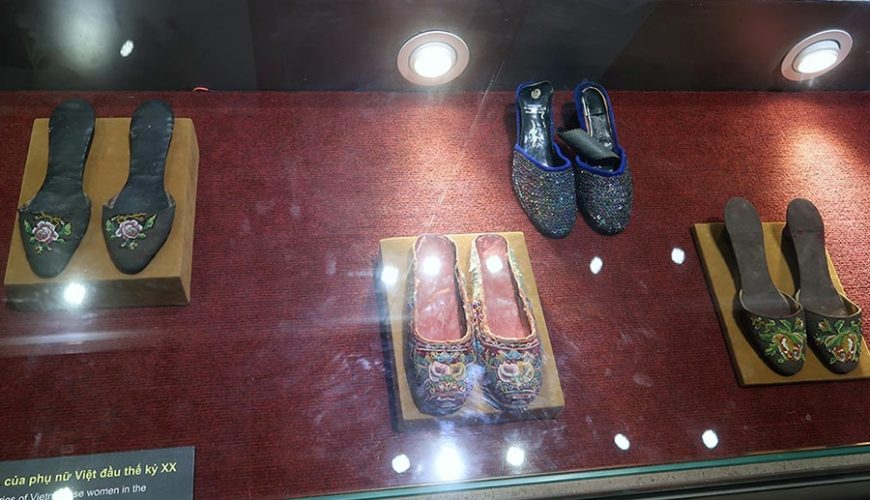
The first-floor area is a place to display women’s costumes and accessories of Southern women, including 20th-century Vietnamese women’s accessories (bracelets, necklaces, rings, earrings, etc.), 20th-century Vietnamese women’s decorations with embroidery and beading (shoes), and Ao dai of ethnic women.
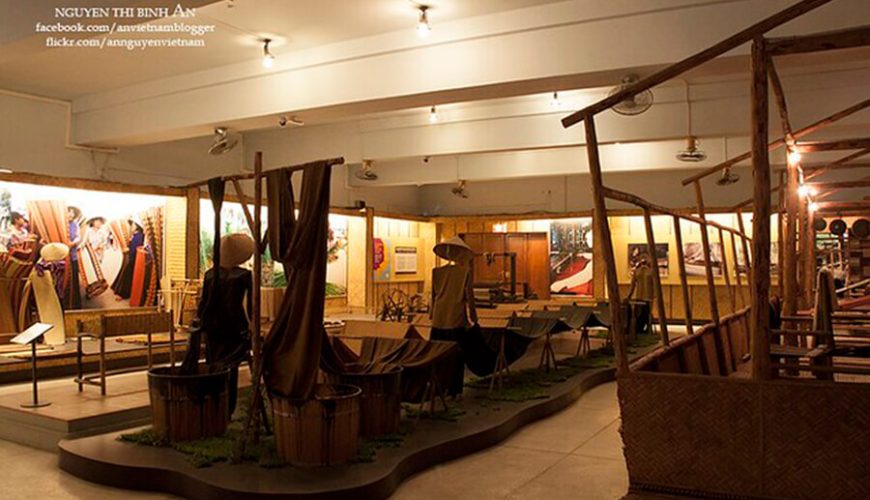
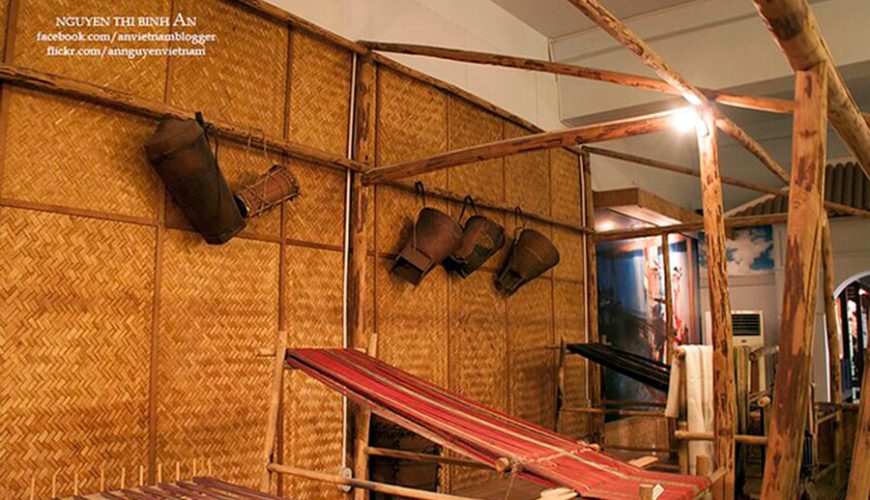
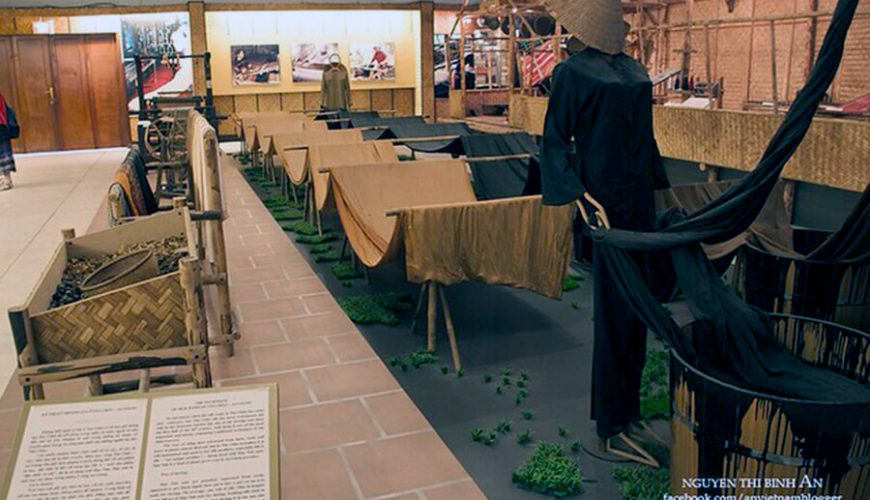
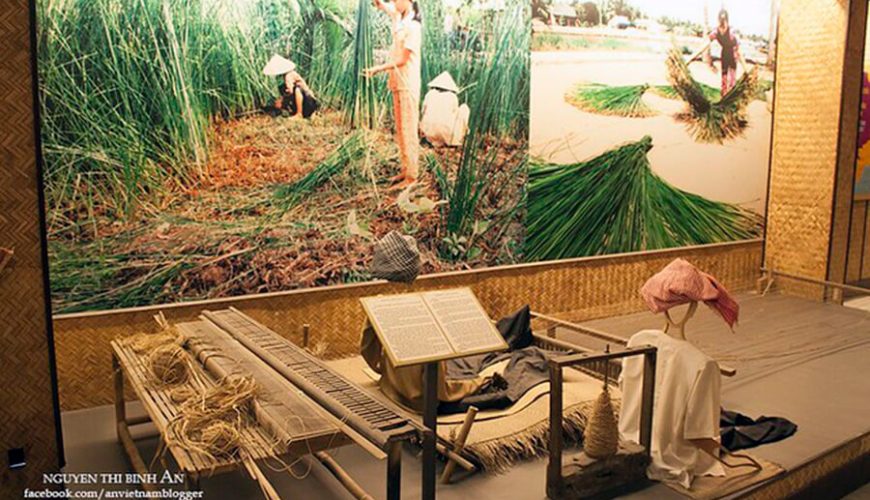
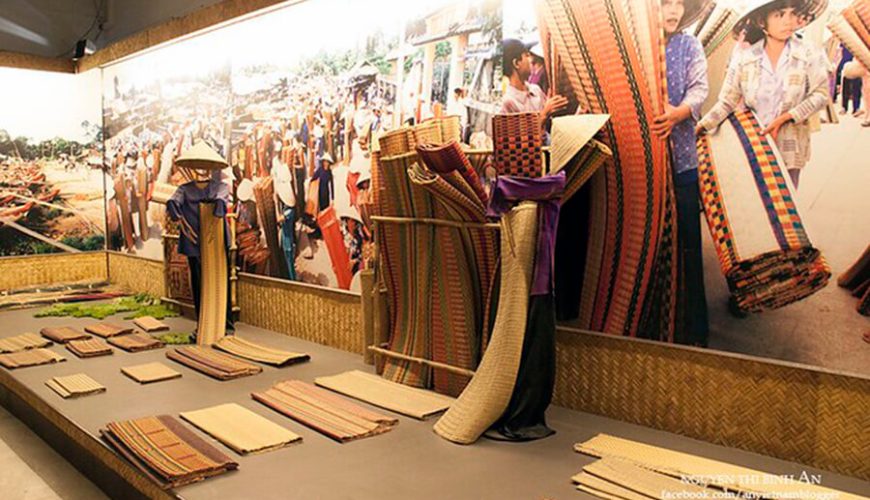
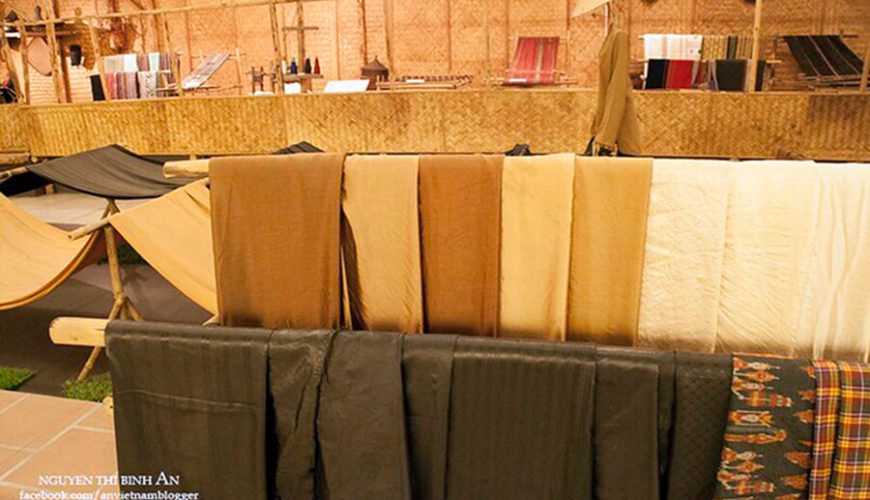
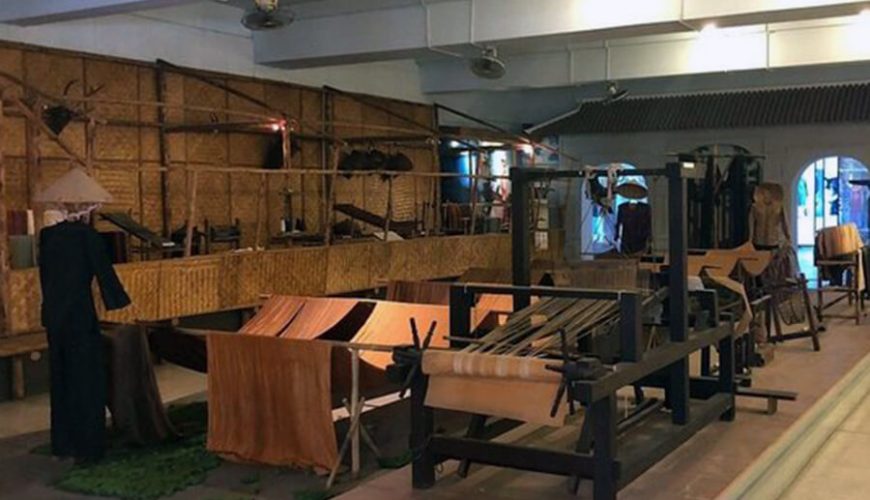
Traditional craft villages of Southern ethnic women: looms are used by South Vietnamese ethnic women to make cloth; the scene depicts them soaking cloth in dyed wooden buckets…
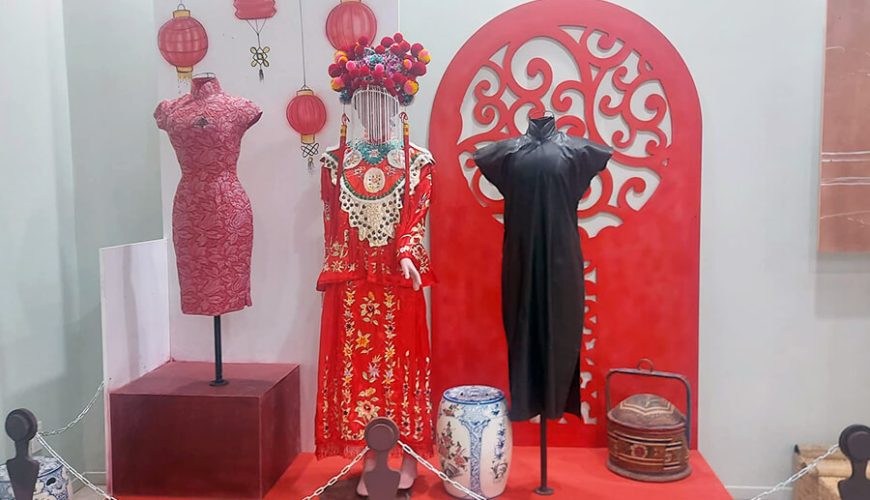
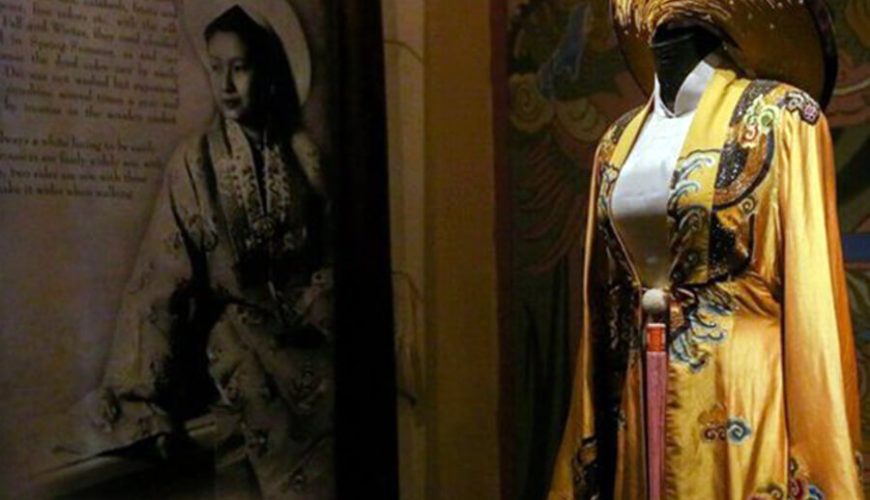
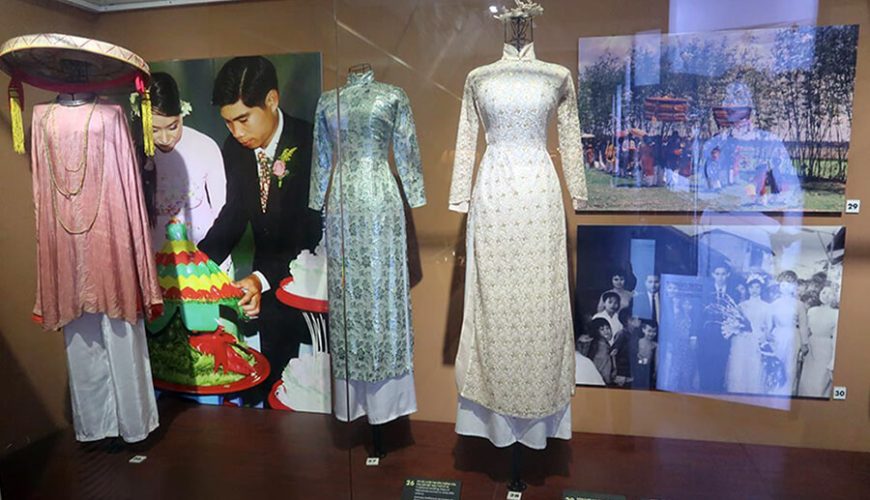
Ao Dai – Vietnam’s quintessence: Costumes of court ladies in the Nguyen Dynasty in the 1920s; innovative wedding dresses; traditional wedding dresses of Vietnamese women in the early 20th century; Vietnamese women’s traditional wedding dress in 1960; Traditional wedding dress of Vietnamese women in 1970.
The 2nd floor
Sections on the 2nd floor include: Female political prisoners fighting in Southern prisons, foreign affairs, when the country was invaded, and women in the military.
The 3rd Floor
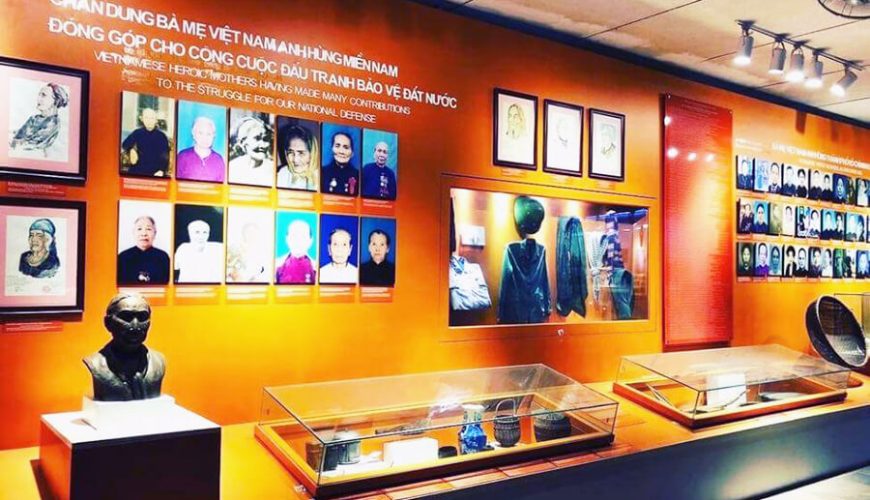
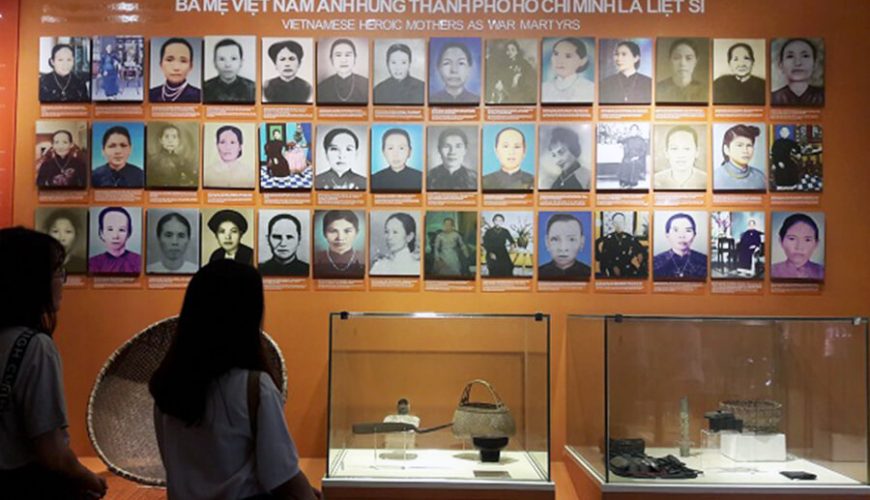
Displaying artifacts and images of Vietnamese Heroic Mothers: Vietnamese Heroic Mothers, heroines of the People’s Armed Forces: Ms Bùi Thị Thêm, Ms Đỗ Thị Phúc, Ms Đoàn Thị Nghiệp, … Most impressive is the statue of Heroic Mother Nguyễn Thị Rành, whose eight sons and two grandchildren died in the Vietnam War; diary and echoes of Heroic Mother Trần Quang Mẫn, brooch of Heroic Mother Nguyễn Thanh Tùng,…
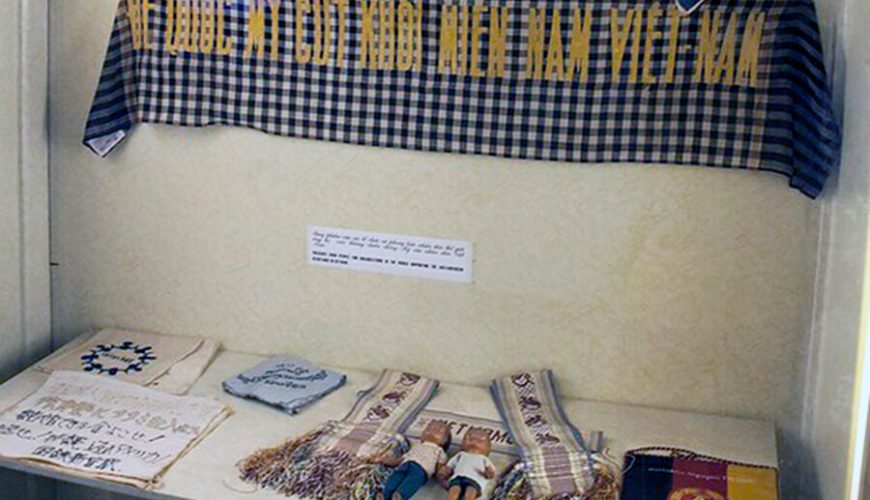
President Ho Chi Minh with Southern women: Statue of President Ho Chi Minh and children, large paintings of Vietnamese women, South Vietnam mourning Uncle Ho in 1969, books about women, Mrs. Nguyễn Thị Huyền’s Ao Dai, Nguyễn Thị Định’s scarf – the first Vietnamese female general of the People’s Army.
Southern women in the cause of nation building: Table of the percentage of female National Assembly deputies, female artists, athletes, famous singers, and poets in Vietnam.
Some notes when visiting the South Vietnamese Women’s Museum
When visiting this museum, visitors should note:
- Check opening hours in advance so you don’t have to wait too long.
- Dress neatly and politely; speak softly to avoid affecting others.
- Photography is possible at the museum, but should be avoided in areas with prohibited signs.
- Do not directly touch the exhibits.
- You can hire a guide if you want to better understand the museum.
After more than 30 years of operation, the South-Vietnamese Women Museum has become a destination to welcome millions of visitors every year. Above all, the precious and beautiful traditional qualities of Vietnamese women have been and continue to be preserved and honored here. Do not hesitate to contact us when you want to rent a car in Ho Chi Minh City with a driver to visit the museum, or book a private tour to explore many tourist attractions in the city as well.
Source: collected by An
Follow us for the best deals on Vietnam package tours and visa services!

Comment (0)