
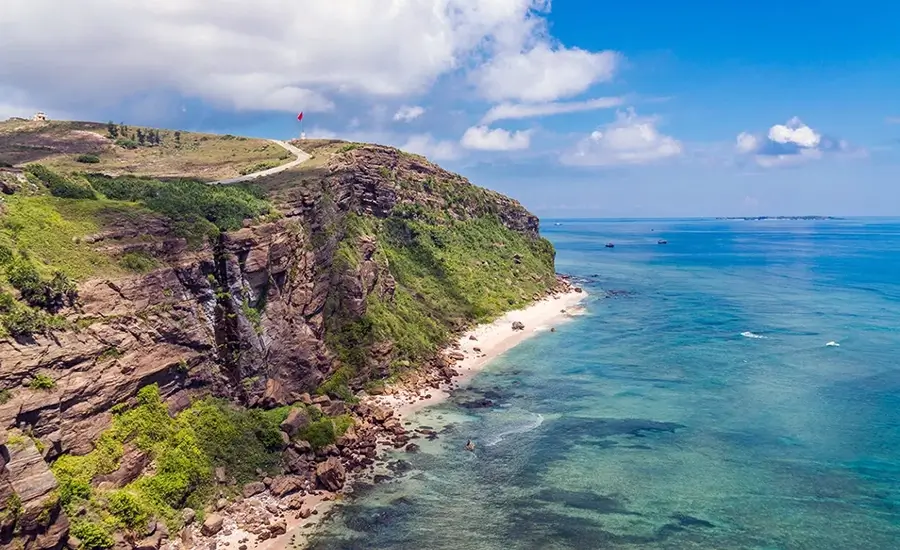
Quang Ngai is not as noisy as other famous tourist destinations, but it has its own attractive beauty: wild, fresh, and authentic. This province has many revolutionary relics, famous people’s relics, scenic relics, and all types of tourism: spiritual tourism; sightseeing and historical research tourism; resort tourism; and eco-tourism. With a long coastline, majestic mountains, diverse natural and cultural relics, and a unique and diverse cuisine, this land is an ideal choice for tourists who love to explore deeply and experience the locality.
General information about Quang Ngai
After merging with Kon Tum province, the new Quang Ngai province was established, with a total area of 14,832.55 km². Quang Ngai province borders Da Nang City to the north and Gia Lai province to the south; to the west, it borders the Sekong and Attapeu provinces of Laos and the Ratanakiri province of Cambodia. Quang Ngai has a 130-km-long coastline, with many scenic spots and historical sites.
What’s the best time to explore Quang Ngai?
The best time to visit Quang Ngai’s coastal region is from April to August. This is a dry, sunny time with few storms, making it ideal for travel and recreation.
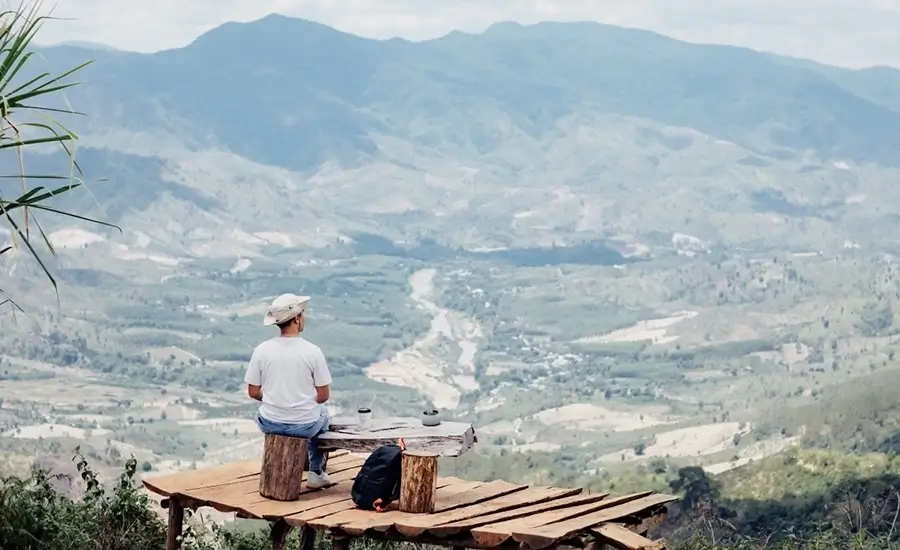
The Central Highlands (formerly Kon Tum province) has two distinct seasons: rainy and dry. The rainy season usually runs from April to November, and the dry season from December to March of the following year. The cherry blossoms stand out at the end of the year, which is also the season of many traditional festivals.
How to get there?
Two main stops attract most tourists to Quang Ngai: Quang Ngai and Kon Tum. Quang Ngai has no airport; the nearest airport is Chu Lai (Da Nang), about 40 km from the center of Quang Ngai, and another is Pleiku (Gia Lai), about 45 km from the center of Kon Tum. At the airports, buses, taxis, and shuttle cars go to the city center and nearby areas.
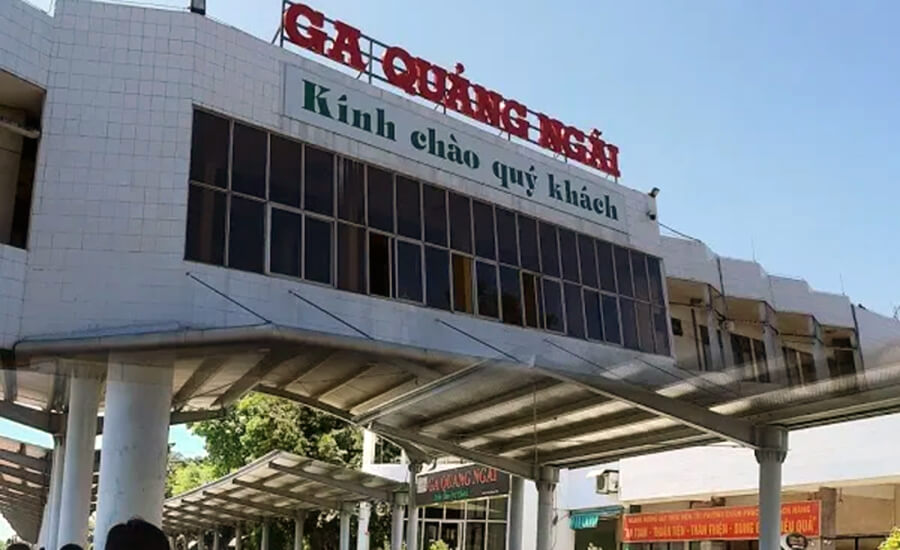
The Thong Nhat train from Hanoi and Ho Chi Minh City stops at Quang Ngai station. The round-trip ticket price of the fastest train ranges from 1.4 million VND to 2 million VND from Hanoi and from 1 million to 1.5 million VND from Ho Chi Minh City.
Sleeper buses run on the Ho Chi Minh City – Kon Tum route, about 550 km, with fares ranging from 500,000 VND to 750,000 VND depending on the bus company and bus type. If you choose a seat, tickets start from 350,000 VND. Travel time is from 10 to 12 hours.
Some bus companies from Saigon to Quang Ngai include Thanh Thuy, Thuan Tam, Chin Nghia, Chon My, and Phuong Trang, with ticket prices from 330,000 VND. Some bus companies from Hanoi to Quang Ngai include Hoang Long and Phuong Hoang, with ticket prices from 650,000 VND.

Traveling in and around Quang Ngai or Kon Tum by motorbike is the most convenient. Tourists can rent a motorbike through the hotel for about 100,000 VND per day, depending on the vehicle type. Tourists can also rent a private car with a driver to explore and admire the peaceful nature here.
Accommodation in Quang Ngai
Quang Ngai has few luxury hotels or resorts. Accommodation areas are divided by tourists’ needs for visiting and staying, so you can choose a suitable place to rest.
In Quang Ngai city, on the south bank of the Tra Khuc River, the oldest Tra River Hotel stands; nearby is the luxury Thien An Riverside Hotel. Nearby areas have King Hotel, Central Hotel, and Cam Thanh Hotel. Room rates range from 400,000 VND to 700,000 VND per night. In addition, the inner city has stylish motels and homestays such as Turi and Tron. Motels or budget hotels cost around 200,000 VND per night.
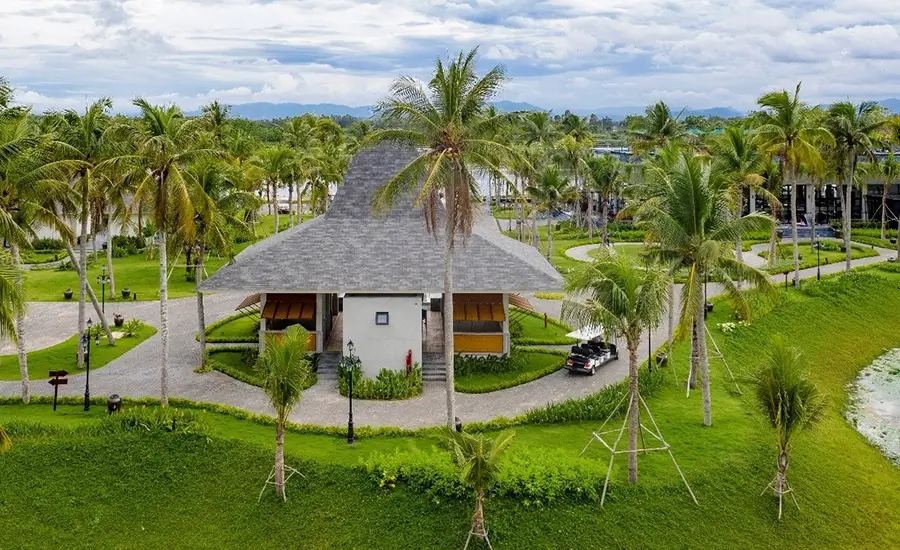
In the southern suburbs of the Tra Khuc River, Cocoland River Beach Resort & Spa is in the Bai Dua tourist area (Tu Nghia area); in the north, you can stay at homestays on My Khe Beach or hotels such as My Khe Hotel.
In the Kon Tum area, visitors can choose from Hoang Van Hotel, Tay Nguyen Hotel, Konklor Hotel, Window Hotel (1 and 2), and other hotels on Agoda. Double room rates range from 300,000 VND to about 500,000 VND.
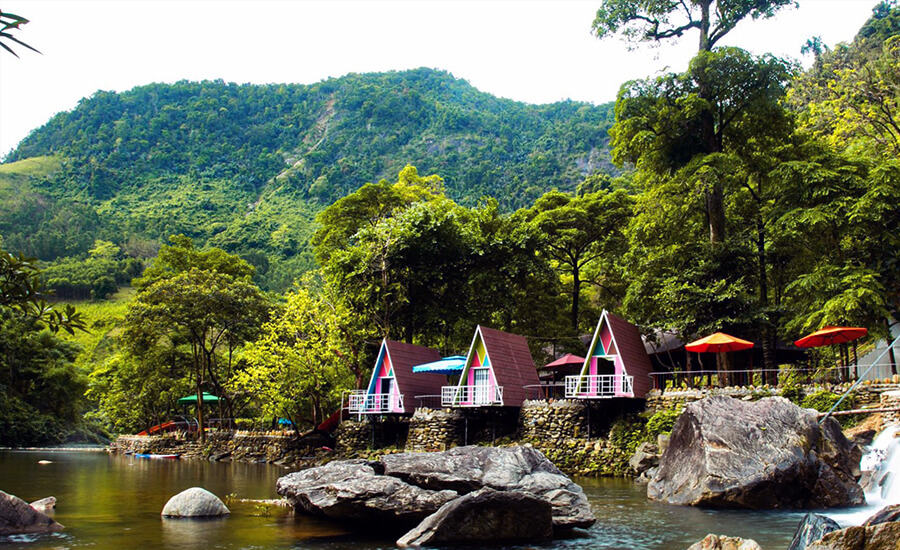
In the Mang Den area, only one large hotel, Golden Boutique Hotel, is available. Double rooms cost from 1.5 million VND per night. Mang Den also has many smaller hotels and homestays, with prices ranging from 300,000 VND to 700,000 VND per night.
Tourist attractions in Quang Ngai
Tourist attractions in Quang Ngai are spread across the province, so visitors need to choose where to stay and what to visit, especially when they don’t have much time.
The best beaches and islands
Ly Son Island
Ly Son Island is 15 nautical miles from the mainland, covers 10.39 km², and has a population of more than 22,000 people. Ly Son is considered a pearl in the middle of the sea.
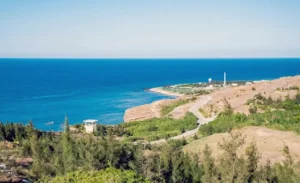 In 2019, Forbes Magazine (USA) voted the island one of the 10 places with the most beautiful beaches in Vietnam. In particular, Ly Son is also known as the “Kingdom of Garlic”. Ly Son has two volcanic craters, Tien Well and Thoi Loi, more than 50 historical and cultural relics, including 6 national relics, 19 provincial relics, and 2 archaeological sites.
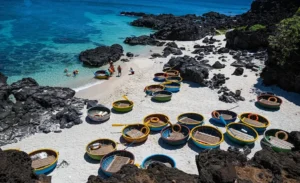 This place preserves precious tangible and intangible cultural values, converging and crystallizing from three ancient cultures: Sa Huynh, Champa, and ancient Vietnamese culture.
The island also hosts many traditional festivals, especially the Hoang Sa soldiers’ memorial ceremony and the four-spirit boat racing festival, which are included in the list of national intangible cultural heritages. It also preserves historical documents and evidence establishing Vietnam’s milestones and sovereignty over the East Sea, including the two archipelagos of Hoang Sa and Truong Sa.
My Khe Beach
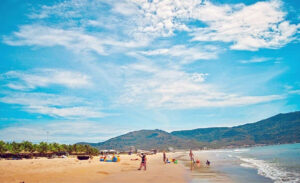 My Khe Beach is located about 15 km from the center of Quang Ngai, one of the most famous and beautiful beaches in the province. The beach impresses visitors with its long stretch of sand, open, airy atmosphere, and clear blue waters. The beach exudes a gentle, peaceful charm, making it an ideal destination for travelers seeking relaxation and the fresh air of the Central Coast.
At My Khe, visitors can swim, stroll along the shore, watch the sunrise, or simply unwind to the sound of the waves. Morning is the perfect time to take in the beach’s beauty as early sunlight gently washes over the water. The expansive seascape also offers excellent opportunities for photography and sightseeing. Beyond its stunning natural scenery, My Khe Beach is conveniently located, making it easy to explore nearby attractions.
Sa Huynh beach
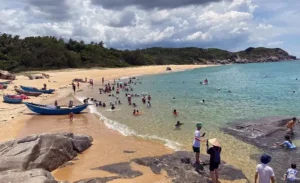 Sa Huynh can be reached from Hanoi by car or by train. Sa Huynh Beach lies close to National Highway 1, in Sa Huynh Commune, 60km south of Quang Ngai, making it an ideal location for tourism. Coming to Sa Huynh, visitors can swim, walk on the sand, watch the sunrise, or enjoy the fresh sea air. The scenery here is especially beautiful in the early morning and late afternoon, when the sunlight is softer, and the sea surface reflects natural colors.
A distinctive feature of Sa Huynh is the blend of the sea, the countryside, and the long-standing salt-making tradition. Visitors can visit the Sa Huynh salt fields, learn about local life, and enjoy seafood dishes. The Sa Huynh area is also associated with the Sa Huynh Culture, an important archaeological culture of Vietnam, making the journey more diverse.
Historical and relic sites
Son My Memorial Site
The Son My Memorial Site is located in Tinh Khe commune, 13 km northeast of the center of Quang Ngai. This is where the crimes of the American invaders in the war of aggression against Vietnam are recorded.
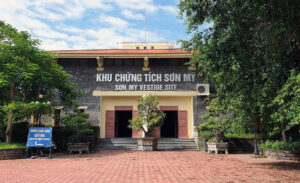 On March 16, 1968, a destructive operation was carried out by the American army, attacking the people of Son My. 504 people died, including 182 women, 173 children, 60 elderly people, 24 families, and 247 houses burned. The Son My massacre was the pinnacle of the US imperialists’ crimes against the Vietnamese people during the war of aggression.
The Son My relic site covers 2.4 hectares, is located next to Provincial Road 24B, and includes preserved and restored original relics, as well as newly built works such as additional exhibition houses, reception areas, monuments, and garden statues. Outside the relic site are steles erected at the locations where the killings took place.
The relic site is open from Monday to Sunday, from 7 am to 5 pm, with an entrance fee of 20,000 VND.
Dang Thuy Tram Memorial Site
Dang Thuy Tram Memorial Site is an attractive tourist destination for young people, located in Dang Thuy Tram commune. The relic site includes: Dang Thuy Tram Infirmary and historical destinations associated with the activities of doctor Dang Thuy Tram 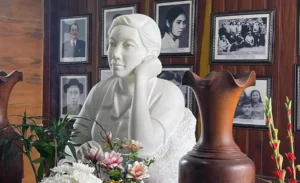 during the war, such as: Bong Dau Mountain Forward Surgical Station, the secret tunnel in the garden of physician Ta Thi Ninh in Pho Cuong Commune, Duc Pho Infirmary at Chay Hill, Dong Ram 1 Village, Ba Kham Commune, Duc Pho Infirmary in Nuoc Dang Village, Ba Trang Commune, Ba To…
Her story gained worldwide recognition thanks to the diaries she kept while working in Quang Ngai. After her death, an American soldier, Frederic Whitehurst, preserved the diary pages rather than destroying them. More than three decades later, the diary was returned to her family in Vietnam and subsequently published as “Dang Thuy Tram’s Diary”. It became a literary phenomenon with more than 400,000 copies sold. The book has been translated into many languages and commented on by the foreign press as “Vietnam’s Anne Frank Diary”.
Chau Sa Citadel
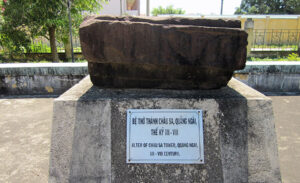 Chau Sa Citadel is the largest civil relic in the Quang Nam-Quang Ngai region of ancient Champa, Amaravati. The citadel is estimated to date to the end of the 9th and the beginning of the 10th century. The citadel is built of earth and is currently measured at 4-6 m high, 20-25 m long, and 5-8 m wide.
The four corners of the citadel now have four mounds of earth, which may be traces of four watchtowers. Around the citadel is a 20- 25 m wide moat. The Chau Sa citadel contains the remains of the Con Luy tower. The citadel is situated north of the Tra estuary, a rich agricultural region and a busy pottery trading center of the Champa Kingdom during the 9th century.
Location: Tinh Khe commune, Quang Ngai.
Nature and wildlife areas
Bui Hui Grassland
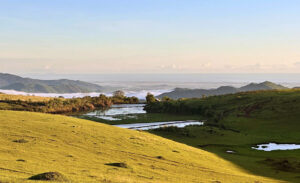 The Bui Hui Grassland is located in Dang Thuy Tram Commune, known as the “buffalo capital” of Quang Ngai, more than 70km west of Quang Ngai center. Bui Hui spans dozens of hectares, with poetic rose myrtle hills. The rose myrtle season is around June-July, when locals wear traditional costumes to the hills to pick rose myrtle.
Bui Hui is home to the H’re community in Ba To Commune, whose gong performance art has been recognized as a National Intangible Cultural Heritage. Visitors can also learn about H’re culture.
Sunrise and sunset in the grasslands are often obscured by clouds and fog, making visitors feel as if they can touch the horizon. This is a suitable place for picnics and camping with friends and family after busy days in the city.
Sa Huynh Salt Fields
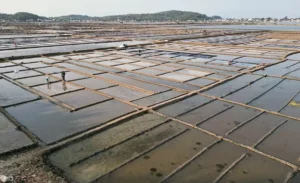 Sa Huynh is one of the most famous salt fields in the Central region. This 110-hectare site lies along National Highway 1A in Sa Huynh ward, about 60 km south of the city center. Here, visitors can book a salt field tour to hear members of the community tourism cooperative tell the story of the salt industry, how salt workers make salt by using the sun and wind, and the architecture of the salt fields, from the ditches that carry water to the fields.
Visitors can also experience salt raking themselves; children can learn about the microorganisms in the salt fields. This is also a great place for photos, especially at sunset, when the fields reflect the sunlight like a giant mirror.
Minh Long White Waterfall
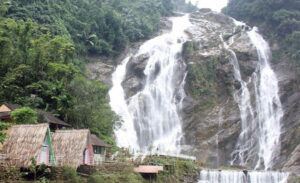 Minh Long White Waterfall tourist area is about 30 km from the center of Quang Ngai city. This prominent natural landmark is nestled amid the lush green mountains of the Minh Long region. The waterfall impresses visitors as water cascades down the cliffs, forming striking white ribbons that stand out against the verdant forest backdrop. The surrounding area stays close to nature, offering a cool, tranquil atmosphere.
At the base of the falls lies a natural pool with a distinctive blue hue, encircled by large rock formations and lush vegetation. During the wet season, the water flow intensifies, creating an even more spectacular sight. Visitors come here primarily to admire the scenery, take photos, relax, and enjoy the fresh mountain air.
Thien An Mountain
Thien An Mountain is considered a symbol of Quang Ngai, with a majestic landscape and a height of about 135 m. It has been designated a national relic and scenic spot. Thien An Mountain suits those who love backpacking and exploring.
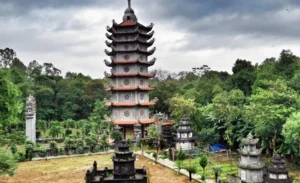 The name “Thien An” (Heavenly Seal) is derived from the mountain’s shape, which resembles a massive seal from the heavens placed upon the plains. The mountain is also known by the poetic name “Thien An Niem Ha” (Heavenly Seal Imprinted on the River), a celebrated landmark in local history. From the summit, visitors can gaze out at the winding Tra Khuc River, the surrounding fields and residential areas, and the cityscape in the distance.
At the summit stands Thien An Pagoda, an ancient temple established in the late 17th century and a significant Buddhist site in Quang Ngai. The pagoda grounds are filled with greenery, creating a tranquil atmosphere set apart from the urban bustle below. Nearby lies the tomb of Huynh Thuc Khang, a prominent figure in early 20th-century Vietnamese history. In 1990, the Vietnamese Ministry of Culture and Information designated Thien An Mountain and the tomb of Mr. Huynh as a National Relic and Scenic Site.
Ganh Yen
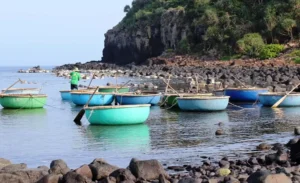 Ganh Yen is located next to the fishing village of Thanh Thuy, Van Tuong commune, 35 km north of Quang Ngai center. Here, you will admire the sedimentary rocks stacked on top of one another, creating interesting shapes. You will also see colorful coral reefs when the tide recedes. Ganh Yen Cape offers not only geological beauty along its shore but also a rich, diverse marine ecosystem.
You can dive to see the dense flower corals beneath the seabed, or cast nets with the locals for fish, crabs, and squid. Coastal restaurants also serve fresh, affordable seafood dishes.
Ngoc Linh Mountain
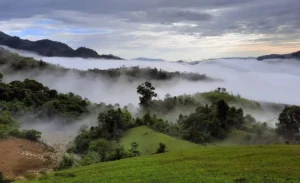 Ngoc Linh Mountain in Quang Ngai is part of the Ngoc Linh Lien Son mountain range, stretching across many provinces and cities. This mountain range has many high peaks and includes several important peaks, as well as a key intersection point of major river systems. Although the highest peak is not in Quang Ngai, this mountain is a water source, the homeland of the rare Ngoc Linh ginseng, and an important cultural and spiritual site for ethnic minorities.
Located at an altitude of about 2,600m, Ngoc Linh Mountain is poetic and majestic. The mountain holds many spiritual values for generations of ethnic minorities here. With its tropical climate, the fog surrounding the Ngoc Linh mountain range creates a magical space.
Chu Mom Ray National Park
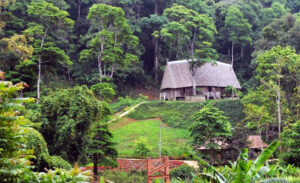 Chu Mom Ray National Park is located in the far North of the Central Highlands, in the West of Quang Ngai province, about 30 km from Kon Tum center. Among Vietnam’s national parks, Chu Mom Ray has high biodiversity. It is also home to the ethnic groups Ro Mam, K’Dong, Gia Rai, H’Lang, and especially Bo Rau, one of Vietnam’s smallest ethnic groups.
Chu Mom Ray National Park is a favorite destination for tourists who love to explore, go on expeditions, and conduct research. Traveling to the national park is quite convenient by private car or bus from the city.
Sacred churches and pagodas
Kon Tum Cathedral
The Kon Tum Cathedral is also known as the Kon Tum wooden church. Construction of the current edifice began in 1913 and was completed in 1918, marking a significant chapter in the development of Catholicism in the Kon Tum region (currently part of 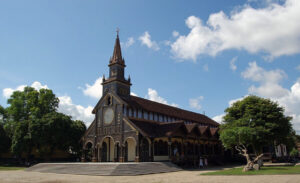 Quang Ngai Province) during the late 19th and early 20th centuries.
The church’s most distinctive feature lies in its blend of Romanesque architecture and traditional Ba Na design elements. Built primarily from Anthoshorea roxburghii, a native wood, the church blends Romanesque structural principles with design motifs and material accents inspired by the Ba Na people’s traditional stilt houses. This combination imbues the structure with the Central Highlands’ rich cultural and spiritual essence
Inside the church, many rows of small columns connected by wooden arches support the windows above. The church has stained-glass panels depicting biblical stories and narratives that reflect the spirit of the Central Highlands people.
Address: 13 Nguyen Hue Street, Kon Tum ward.
Kon Tum Bishop’s Palace
The Kon Tum Bishop’s Palace was built in 1935 and combines traditional indigenous architecture with Western architecture. Except for the pillars under the floor, which are built with reinforced concrete, the rest of the structure is made of precious, durable wood.
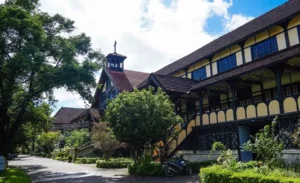 Beyond its religious function, the Bishop’s Palace preserves the history of Catholicism’s development in the region and documents the relationship between missionaries and the indigenous ethnic groups of the Central Highlands.
In particular, a traditional house within the grounds serves not only as an exhibition space but also as a “mini-museum,” preserving valuable historical and cultural artifacts such as drums, gongs, and everyday items used by the people of the Central Highlands. Kon Tum Bishop’s Palace is closed on Tuesdays and open to visitors on other days.
Address: 146 Tran Hung Dao, Kon Tum Ward.
Thien An Pagoda
Thien An Pagoda was started in 1694 and completed at the end of 1695. Along with the tomb area and the tower-shaped mausoleum, the pagoda was built in a unique location: the top of Thien An Mountain, a sacred place in the minds of the Quang Ngai people.
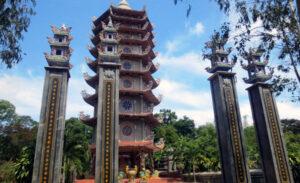
Many Buddhist monks and nuns throughout the province revere the pagoda’s position, and the people hold a strong spiritual and emotional attachment to it, as shown through anecdotes such as the Buddha Well and the Divine Bell. In 1995, the pagoda erected a white Kaolin statue of Bodhisattva Avalokitesvara, made by Quang Ngai Buddhists from the south.
Every year, the pagoda celebrates two major holidays: the 15th of the 7th lunar month (Vu Lan Festival) and the 15th of the 4th lunar month (Buddha’s Birthday).
Minh Duc Pagoda
Minh Duc Pagoda is located next to Co Luy Bridge, at the end of the Tra Khuc River, and covers about 90 hectares in Tinh Khe Commune. More than a sacred place of worship, this famous Quang Ngai pagoda is also a place for Buddhists to find peace and quiet.
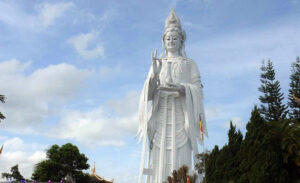
Set amid majestic nature, the pagoda holds profound spiritual value and features unique architecture and many impressive works. The pagoda features a main hall of nearly 12,000 m² and other areas such as the sanctum, Dai Hung Hall, Bell Tower, Drum Tower, Dong Kinh Tower, and Tay Kinh Tower. The East and West walls of Dai Hung Hall are carved with 64 reliefs about the life of Buddha, creating a sacred and meaningful space.
The main hall’s railing is more than 1,000m long, offering an ideal place for visitors to walk and look out over the sea, Ly Son Island, and the vast landscape of Quang Ngai. At the same time, many images reflecting Buddhism’s spiritual values decorate Minh Duc Pagoda’s campus. The highlight of Minh Duc Pagoda is the 125 m-high statue of Bodhisattva Avalokitesvara. This is considered the tallest Buddha statue in Southeast Asia.
Museums
Kon Tum Museum
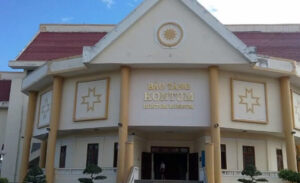 The Kon Tum Museum was built with a scale and architecture that exploit the Central Highlands’ plastic arts, the image of a traditional Rong house imbued with the traditional identity of Kon Tum ethnic minorities. The museum has 3 floors: the 1st floor displays topics related to current events during major holidays and anniversaries of the Kon Tum area (currently part of Quang Ngai Province), and also screens documentaries and scientific films for visitors.
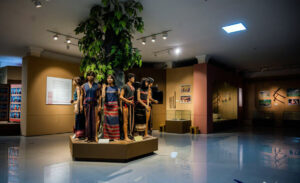 The 2nd floor attracts attention for its rich and diverse collection of ceramics, jewelry, and production tools from ancient times, especially artifacts from the Lung Leng archaeological site. In addition, visitors can learn about unique customs and practices, festivals, and traditional crafts, and admire ethnic cultural artifacts displayed fully and vividly.
Next, the 3rd floor takes visitors back in time to review the heroic tradition of the Vietnamese people in the two resistance wars against French colonialism and American imperialism, and in the construction and protection of the Fatherland. The images and artifacts here also leave viewers with a strong impression and a sense of pride in the long, persistent, and heroic revolutionary struggle of the ethnic people of Kon Tum.
Museum address: 659 Nguyen Hue, Kon Tum Ward.
Kon Klor Community-based Tourism Village
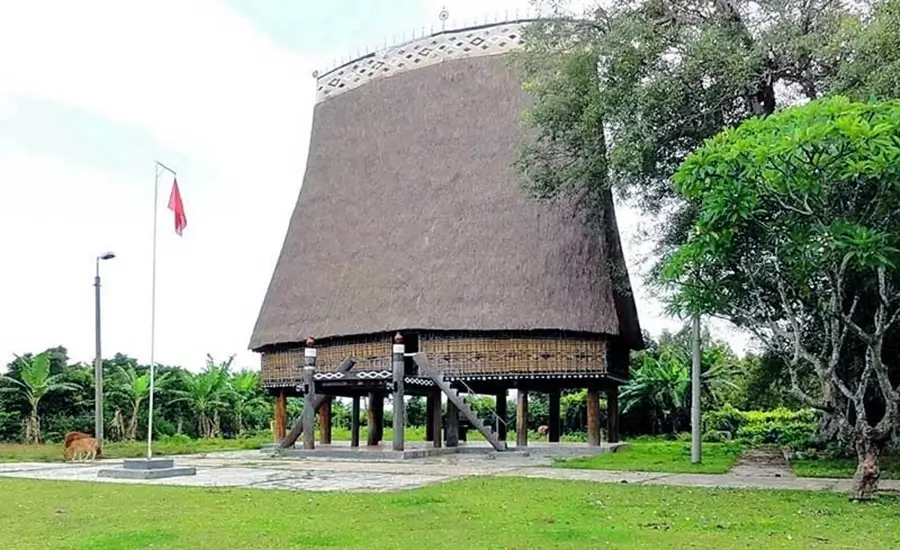 Kon Klor Community-based Tourism Village is a cultural destination along the Dak Bla River, near the center of Kon Tum. Home to the Ba Na ethnic community, the village offers visitors an opportunity to explore the architecture, daily life, and distinctive traditional culture of the Northern Central Highlands.
A standout feature of the village is the Kon Klor Rong house, a communal house, distinguished by its high, steeply pitched roof that stands out against the surrounding landscape. In Ba Na culture, the traditional Rong house serves as a communal hub for meetings, rituals, festivals, and other significant village activities. Constructed using traditional materials such as wood, bamboo, and thatch, the building showcases the indigenous people’s long-standing architectural techniques.
Nearby is the Kon Klor suspension bridge, which spans the Dak Bla River. From the bridge, visitors can admire views of the river and the landscape on the outskirts of Kon Tum. The traditional Rong house, the suspension bridge, and the Dak Bla River form a convenient cluster of attractions to explore during a single visit.
Gia Lai specialties
Don
Don is a family of clams. This is a specialty of Quang Ngai, found frequently in two major rivers, Tra Khuc and Ve. Usually, during the dry season around April-May, people along the river go to rake don. Don lives buried in the sand, so raking is quite hard.
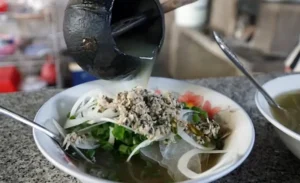 After buying or catching don, wash it, put it in boiling water, and stir vigorously and continuously to open its mouth, so that the boiled water is sweet. Remove the pot from the heat, take the clear water into another pot, and season to taste. Don is served with the inside. When customers order, the seller scoops a little don and breaks a rice paper into a bowl, adds onions, green onions, and cilantro, then pours in the water.
Don is served with chili, garlic, pepper…. You can enjoy Don at any time of day, but locals usually eat it in the afternoon. Some addresses: Don Co Luy – 115 Chu Van An St; Don Gao Dua – Truong Sa St; Don Thanh Nhan in Quang Trung St…
Tra River Goby
Local people often eat goby in their daily meals and consider it an indispensable dish. Tra River Goby is most delicious in the summer. Fishermen often catch fish with a bamboo tube (about 1 meter long, with a hole at both ends and a sharp stake stuck in the 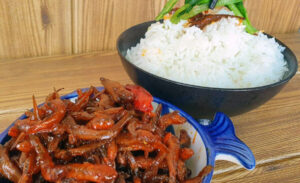 water). Fishermen often catch goby with a bamboo tube (about 1 meter long, with a hole at both ends and a sharp stake stuck in the water).
After cleaning, the fish are marinated with fish sauce, sugar, pepper, chili, and other spices, then braised over low heat to let the flavors infuse thoroughly. The finished dish boasts an attractive golden-brown hue, firm flesh, and a harmonious balance of salty and sweet notes, complemented by a mild spiciness and the aroma of pepper. Braised goby is typically served with hot white rice, making it an ideal choice for family meals.
More than just a culinary specialty, Tra River goby embodies the distinctive food culture of Quang Ngai. Today, the braised fish is also available in cans or jars, serving as a popular local gift for tourists visiting the region.
Along with don (a family of clams), Tra River Goby is among the top 50 most delicious dishes in Vietnam, as recognized by the Vietnam Record Book Center.
Banh Xeo (Crispy pancake)
Banh Xeo is a familiar, rustic dish that embodies the distinctive flavors of Central Vietnamese cuisine. Unlike the large banh xeo found in the South, the Quang Ngai version is typically cooked in small, individual molds, resulting in a texture that ranges from 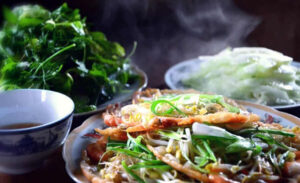 soft to slightly crispy depending on the preparation method. The batter is made primarily from ground rice, giving the pancake a natural aroma and characteristic softness.
The filling is simple yet appealing, most commonly featuring shrimp, pork, bean sprouts, or seafood. To cook the pancake, the chef places the filling into a hot mold, pours a thin layer of batter over it, and covers the mold until the pancake is cooked through and fragrant. Enjoy it while hot to fully appreciate the batter’s rich flavor, the filling’s sweetness, and the freshness of the accompanying raw vegetables.
The best pancakes are eaten with sliced bananas, cucumbers, herbs, lettuce, fish mint, and dipped in fish sauce mixed with chili and Ly Son garlic. Some addresses: 124 Phan Dinh Phung, 471 Le Loi, Mrs. Loi My Khe beach, Mrs. Dung Tinh Khe…
Corn Spring Rolls
Quang Ngai corn spring rolls are a popular dish that many people love thanks to their crispy crust and naturally sweet corn filling. The dish uses quite simple ingredients, with baby corn as the main ingredient. Grate or pound the corn, then mix it with  onions, pepper, and spices to create a rich, aromatic filling.
The corn filling is rolled in thin pieces of rice paper into bite-sized rolls. When fried in hot oil, the rice paper turns a beautiful golden color and becomes crispy, while the inside retains the softness, sweetness, and aroma of corn. Ram rolls are best when enjoyed right after frying.
The dish is often served with raw vegetables, cucumber, and a sweet-and-sour dipping sauce or spicy fish sauce. The combination of a crispy crust, sweet corn filling, and fresh vegetables creates a harmonious flavor that isn’t too overwhelming. With a rustic preparation method and familiar ingredients, corn spring rolls are an interesting dish for visitors to discover more features of Quang Ngai cuisine.
Spring rolls appear not only in family meals and some snack shops, but also as an indispensable vegetarian dish for ancestral worship and the full moon days of the Quang Ngai people.
Seafood
Quang Ngai boasts a long coastline and several renowned coastal areas, such as Sa Huynh, My Khe, Binh Chau, and Ly Son Island. With abundant marine resources, seafood has become a signature element of local cuisine, captivating visitors with its 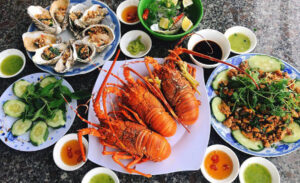 freshness and unpretentious preparation styles.
Popular seafood varieties include shrimp, crabs, squid, various shellfish (snails and clams), and numerous types of saltwater fish. In coastal areas, the catch is typically brought in daily and prepared using simple methods—such as steaming, boiling, grilling, or salt-roasting—that preserve the ingredients’ natural sweetness and freshness.
Visitors can savor aromatic, chewy grilled squid; sweet, succulent steamed shrimp and crab; grilled saltwater fish; and a variety of flavorful snail dishes. Beyond fresh seafood, Quang Ngai also offers products such as dried fish, dried squid, and various types of fermented fish sauces. With its diverse ingredients and distinctive Central Vietnamese flavors, the region’s seafood offers a culinary experience well worth trying.
Leaf salad
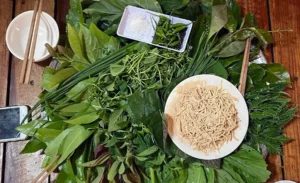 This is a specialty you can’t miss when visiting Kon Tum. In the dry season, leaf salad only has about 30-40 types of forest leaves. In the rainy season, leaf salad has at least 70 types, and people even say that when it is complete, there must be at least 100 types of leaves.
The dish’s unique flavor profile comes from its thick, savory, aromatic dipping sauce—rich and slightly sweet—which balances the leaves’ astringent, sour, spicy, or fresh notes.
When eating, diners can combine different leaves in a single roll, add the meat, shrimp, and sauce, and consume it all in one bite. Each combination creates a distinct layer of flavor. This mix of ingredients and the engaging way it is enjoyed make leaf salad a must-try dish when exploring Kon Tum’s cuisine.
Grilled chicken with bamboo-tube rice
Grilled chicken with bamboo-tube rice is a typical Central Highlands dish and a popular choice for many tourists visiting Kon Tum. The dish combines fragrant grilled chicken with soft, sticky bamboo rice, reflecting the cuisine of indigenous ethnic communities.
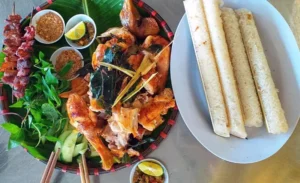 Chicken is often marinated with spices, then grilled over charcoal until the skin is golden and fragrant, while the meat stays tender and retains its natural sweetness. Grilled chicken is often eaten with salt, pepper, chili salt, or typical local spices.
Lam rice is made from sticky rice, put into a bamboo tube, and then grilled over a fire. When cooked, the rice is elastic, with a light bamboo aroma and the natural sweetness of rice. When you eat it, the tube shell separates, leaving the rice inside covered by a thin membrane.
The combination of rich grilled chicken and fragrant bamboo rice creates a simple but attractive dish, well worth enjoying on your journey to discover Kon Tum cuisine.
Mirror candy
“Kẹo gương” (mirror candy) is a traditional sweet associated with the cuisine of Quang Ngai. Its name comes from its distinctive appearance: the candy has a thin, clear, glossy sugar layer that resembles small mirror shards.
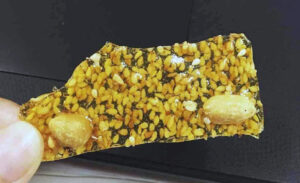 The ingredients are simple: sugar, malt syrup, sesame seeds, and peanuts. The sugar and malt syrup are cooked to the right consistency, combined with roasted sesame seeds and peanuts, then spread into a thin layer and left to cool. The finished product boasts a beautiful amber hue and a glossy surface, offering a crisp texture that breaks easily into pieces.
Upon tasting, the candy delivers a rich sweetness from the sugar, the nutty, creamy flavor of peanuts, and the aroma of roasted sesame seeds. People often enjoy it with hot tea, which balances the sweetness and creates a simple, comforting experience.
With its unique appearance and traditional flavor, “kẹo gương” is not only a familiar snack but also a specialty that many tourists choose to buy as a gift when visiting Quang Ngai.
Above is a combination of travel guides to explore Quang Ngai. Vietdreamtravel also runs daily tours, package tours, car/bus rental services , and Vietnam visa services to explore this lovely destination. Don’t hesitate to contact us at (+84)28 3838 8322 +(84)918 709 338 for more details.
Source: collected by An
Follow us for the best deal with Vietnam package tours and visa services!
Comment (0)