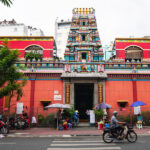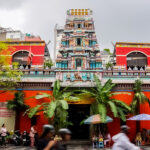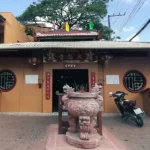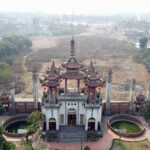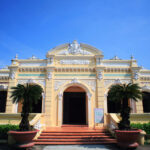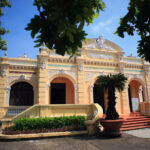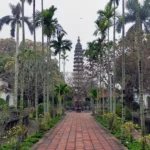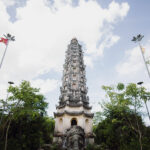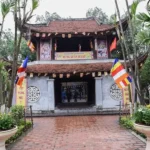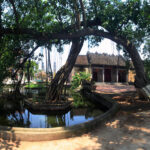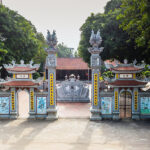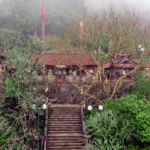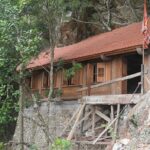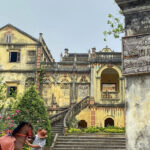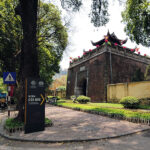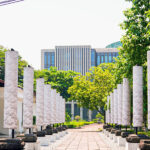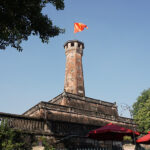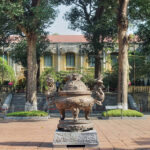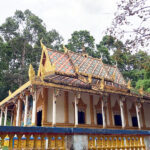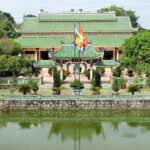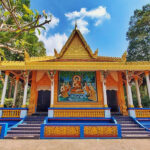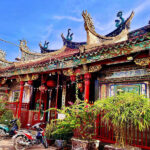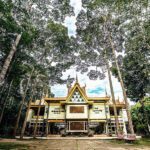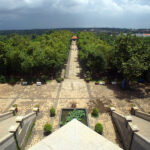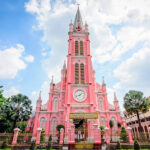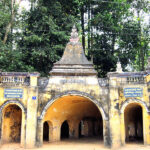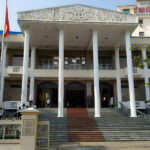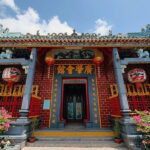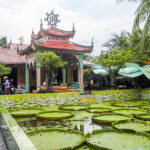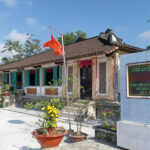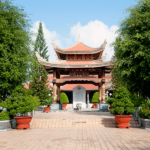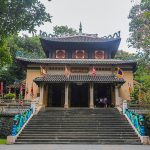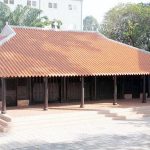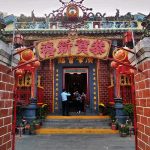
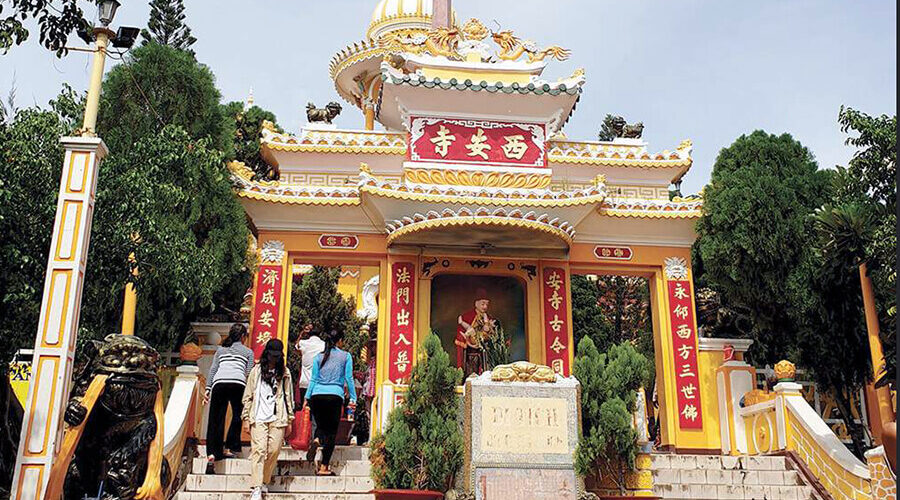
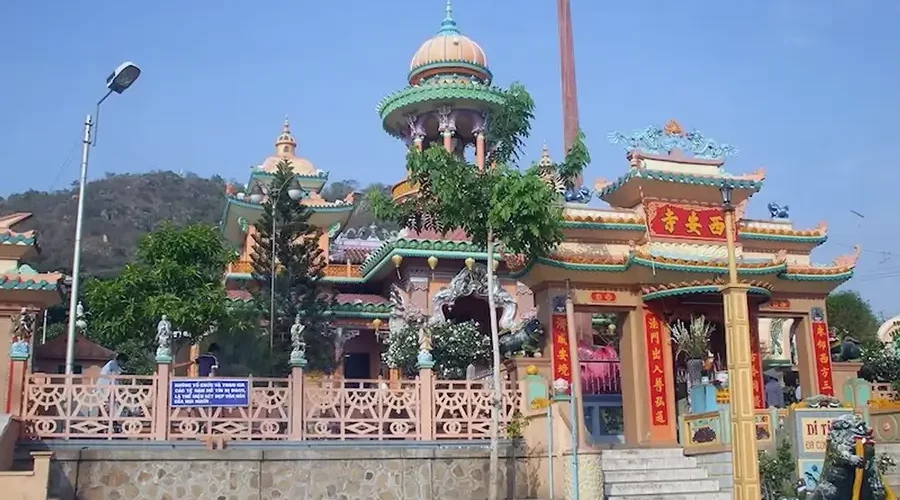
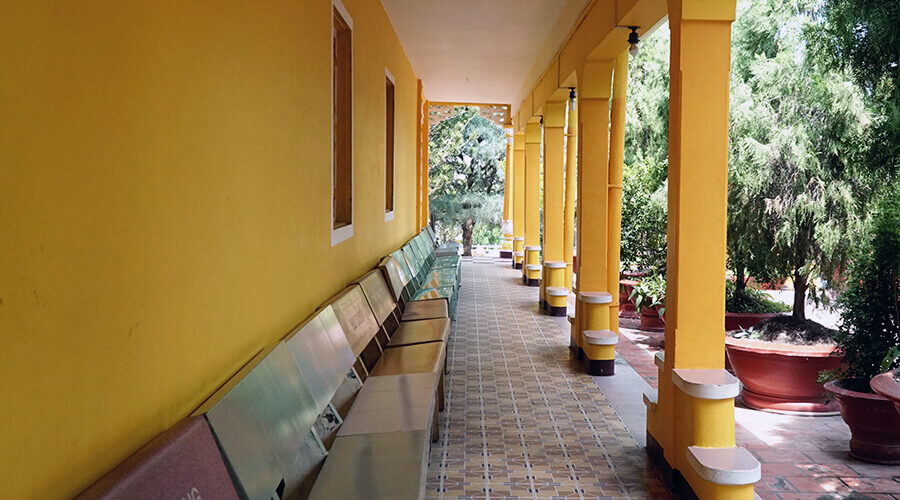


Tay An Pagoda (Vietnamese: chùa Tây An, chùa means “pagoda”) carries a sacred, quiet atmosphere. The pagoda is located at the foot of Sam mountain, belonging to the Northern sect, with a unique architectural style blending between Vietnam and India. Therefore, if you have the opportunity to travel to An Giang, do not miss the opportunity to visit this impressive temple.
General information about Tay An Pagoda on Sam Mountain
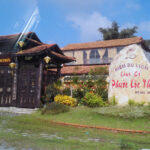
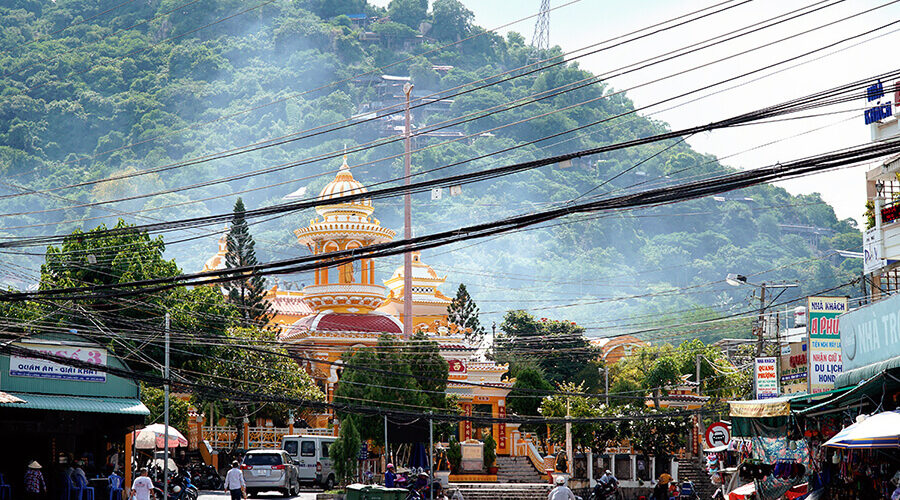
The pagoda is located at Nui Sam Roundabout, Nui Sam Ward, about 5km from Chau Doc city center, within the famous relic complex – Sam Chau Doc mountain tourist area with landmarks: Phuoc Dien pagoda (Hang pagoda), Thoai Ngoc Hau tomb, and The Lady Temple of Sam Mountain Chau Doc.
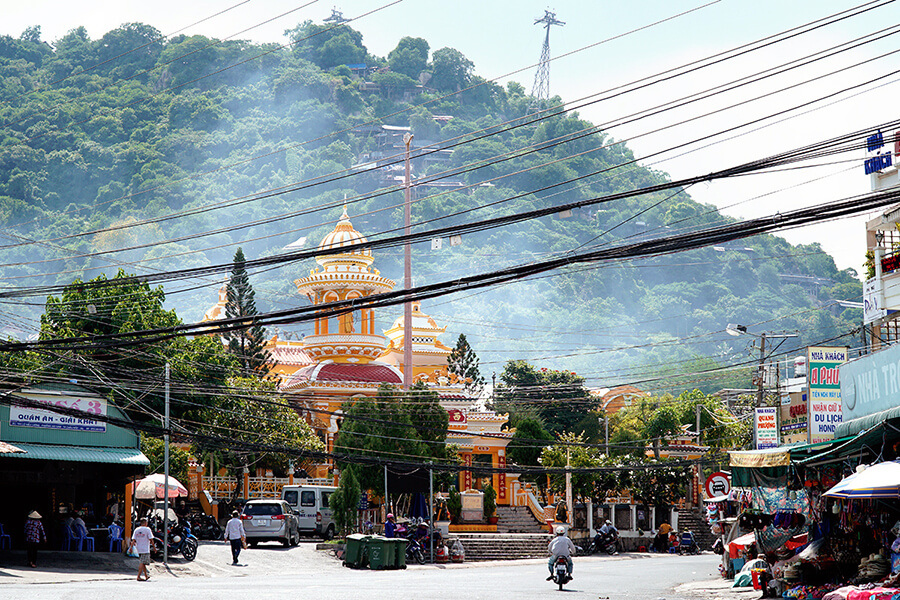
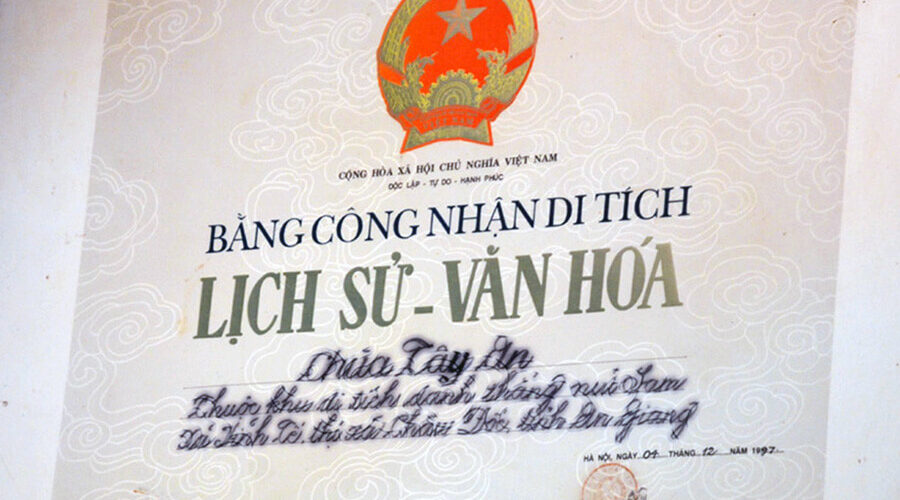
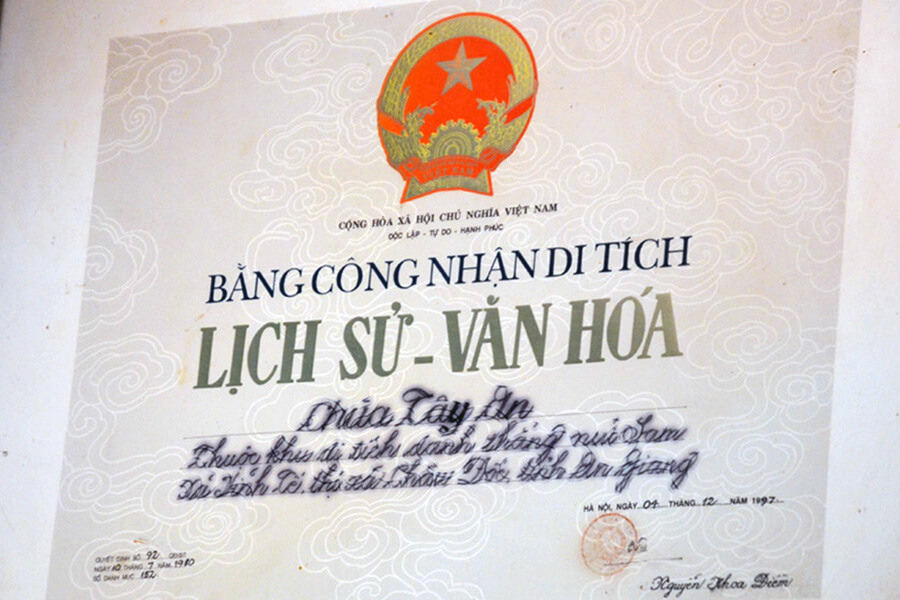
Tay An Pagoda was ranked as a National Architectural and Artistic Monument on July 10, 1980. Later, the Vietnam Record Book Center also recognized this pagoda as the first to combine the Indian architectural style with ancient ethnic architecture in Vietnam.
Every year, Tay An Pagoda has main holidays: the full moon day of January, the full moon day of October, and the 12th day of the 8th lunar month. On those holidays and the festival months of Sam Mountain and Chau Doc (from January to the end of the fourth lunar month every year), pilgrims from all over come to the pagoda in large numbers to worship.
Unique architecture of Tay An Pagoda
Tay An Pagoda has gone through many renovations. The present-day pagoda’s architecture was restored during the reign of Venerable Buu Tho in 1958. He built 3 more ancient buildings, the pagoda’s facade, and repaired the main hall, creating more Eastern architectural features combined with Indian architecture. From 1993 to the present, the Venerable Abbot Thich Hue Kinh has organized the restoration and construction of many new projects to serve tourists from all over the world who come on pilgrimage every year.
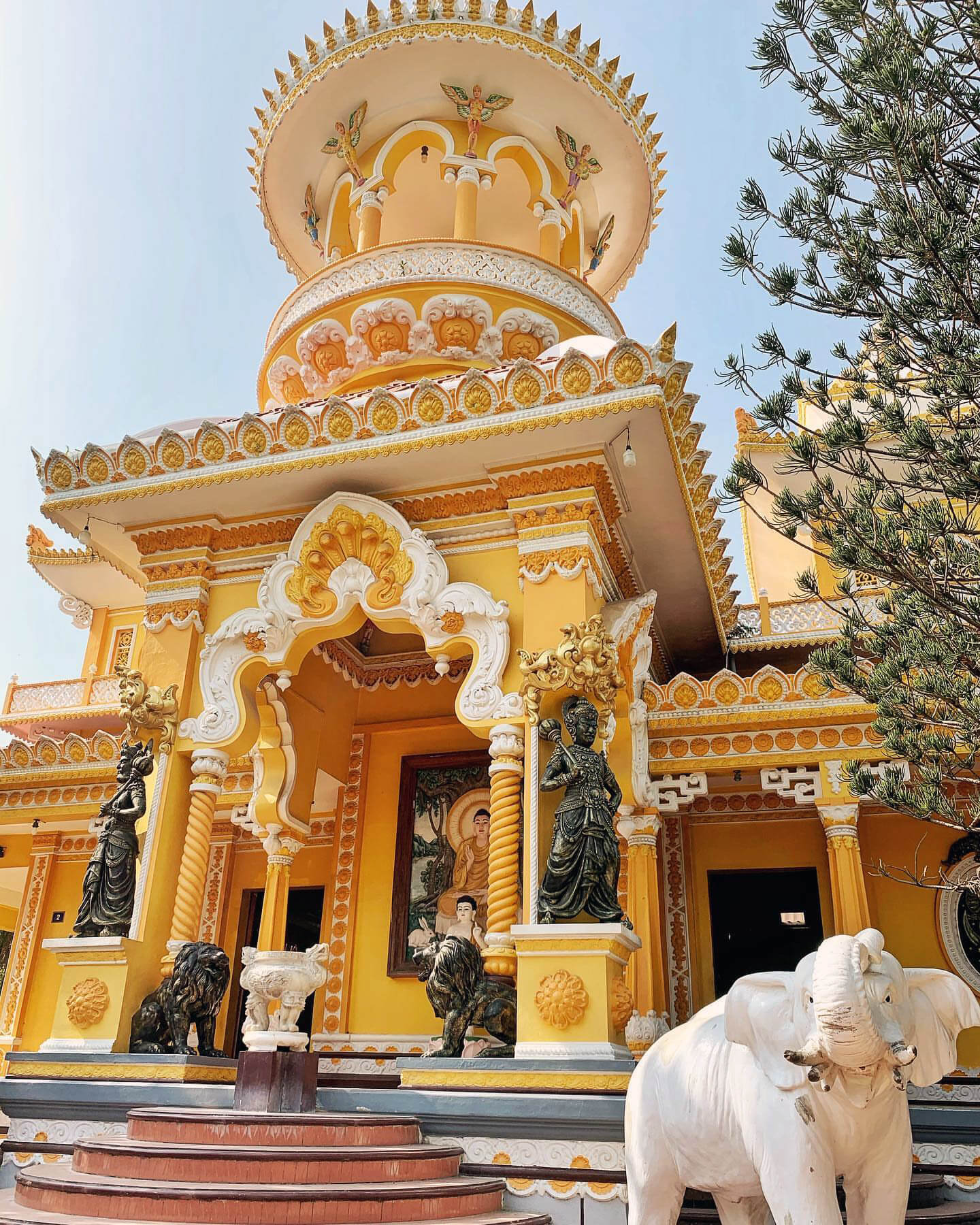
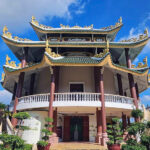
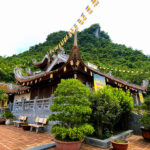
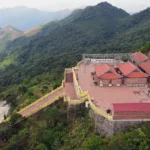
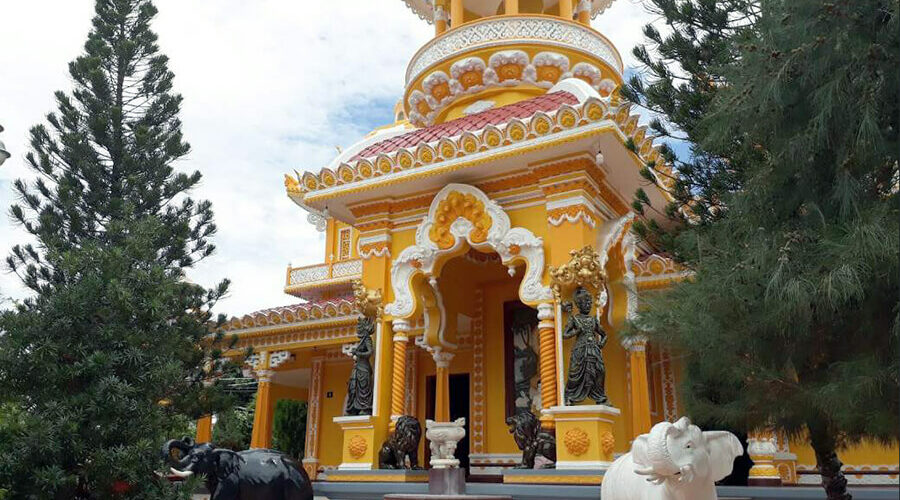
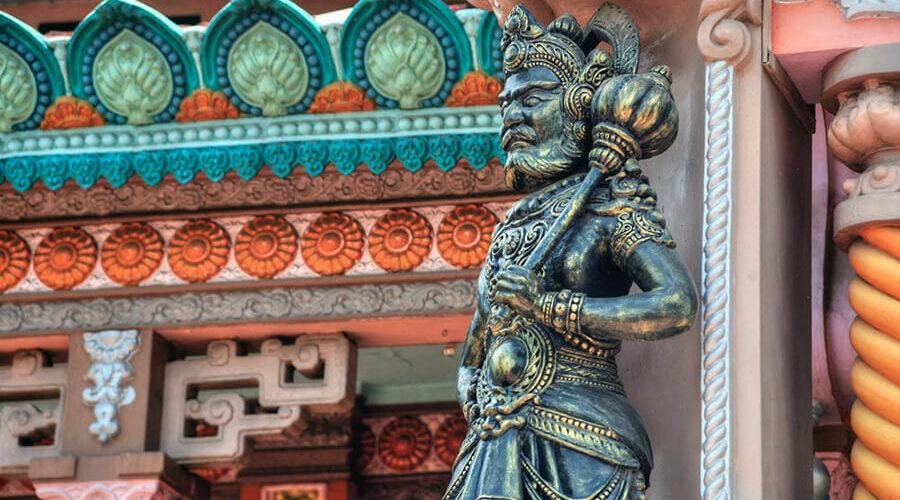
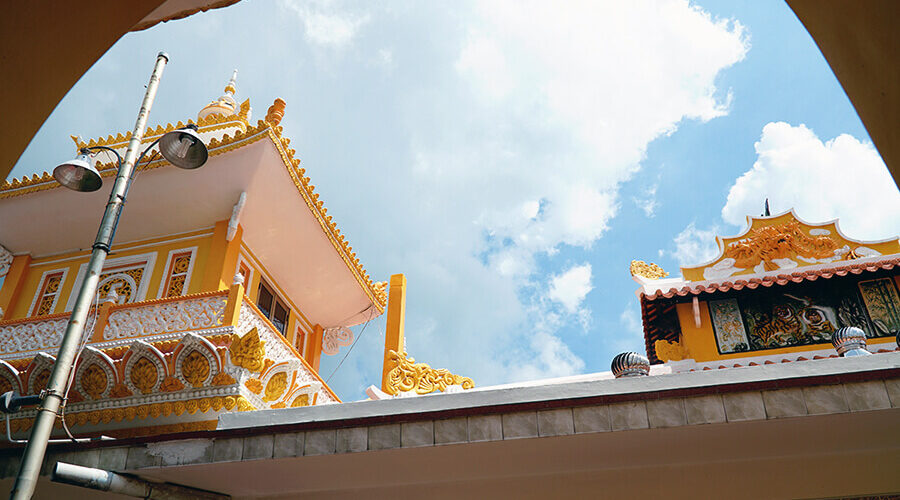
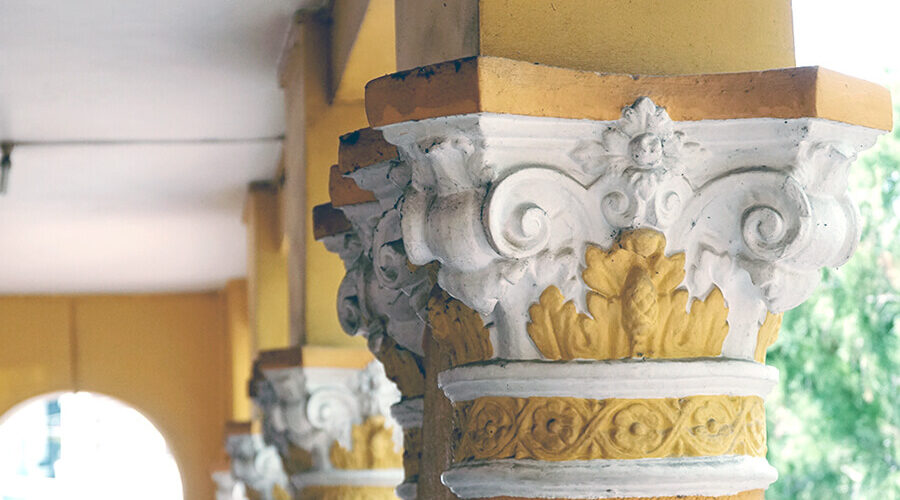
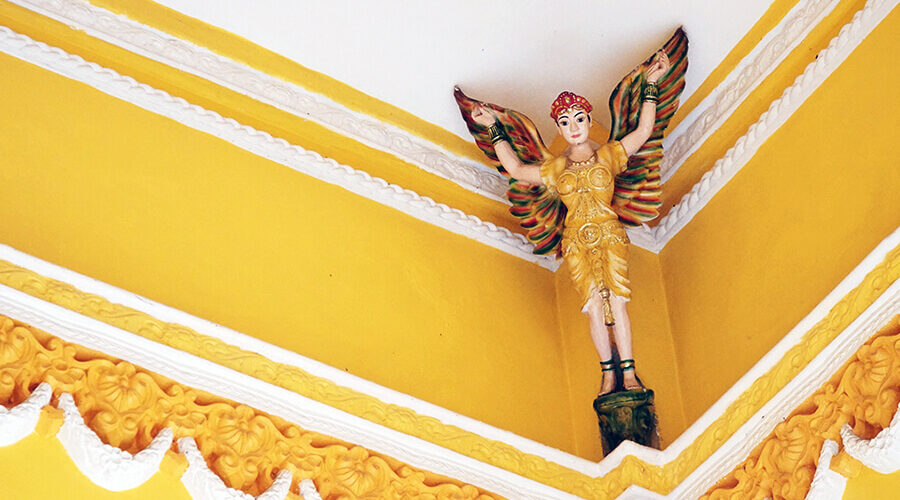
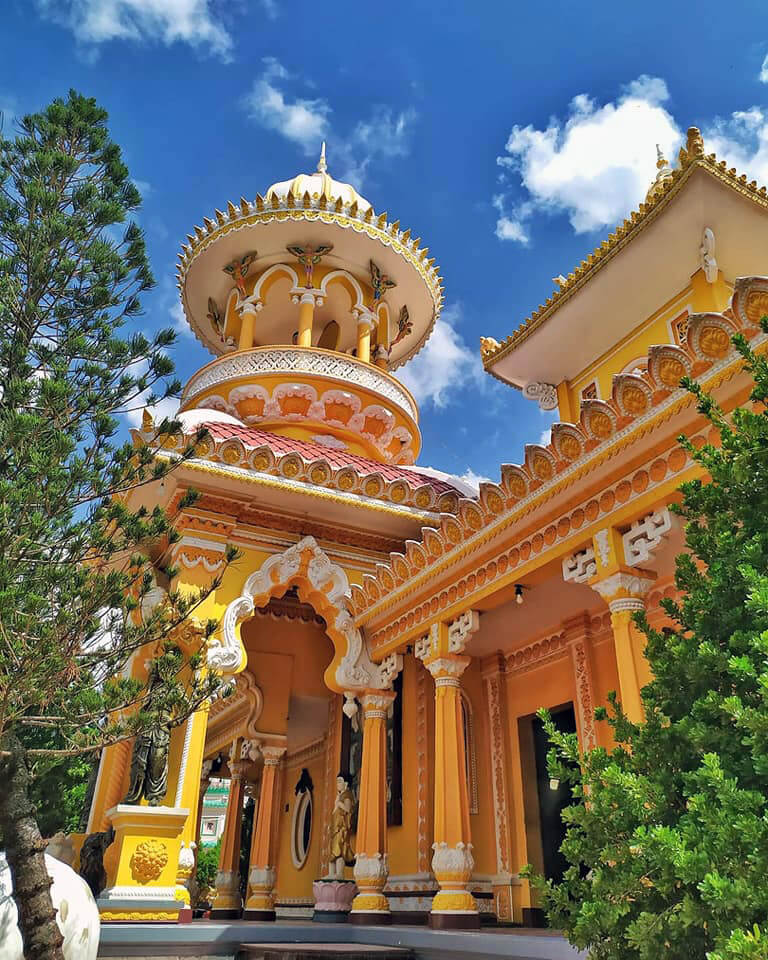
Tay An Pagoda was built on a high, spacious foundation within an area of 15,000 square meters. The overall architectural work was built according to the ancient Vietnamese architectural style, combined with the unique Indian architecture in the Southern style.
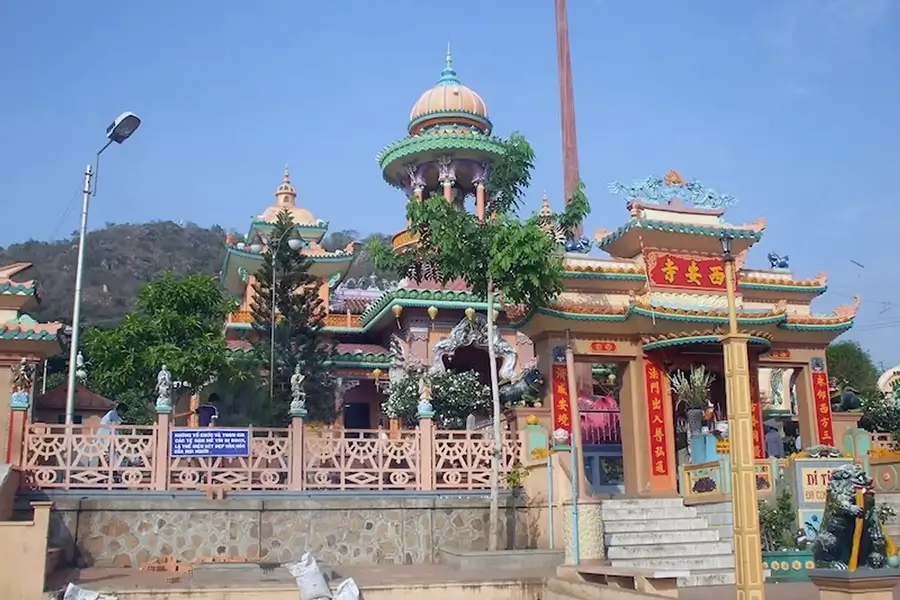
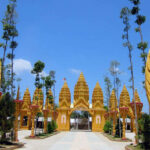
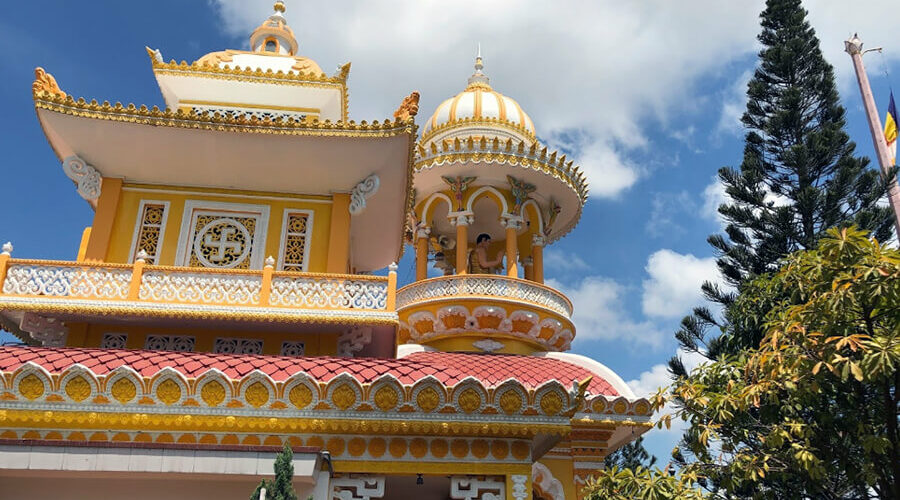
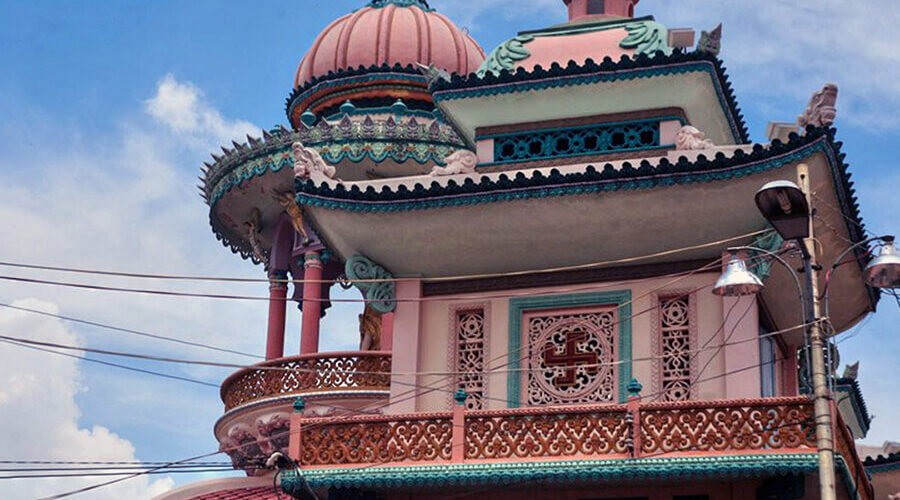
The entire pagoda was built with bricks, tiles, and cement. Despite changes over time, the pagoda still retains its beauty from when it was first restored. Mount Sam is behind, serving as a screen, highlighting the pagoda in dark blue. The most impressive highlight of the pagoda is the three ancient houses with round, onion-shaped roofs, which are colorful and harmonious.
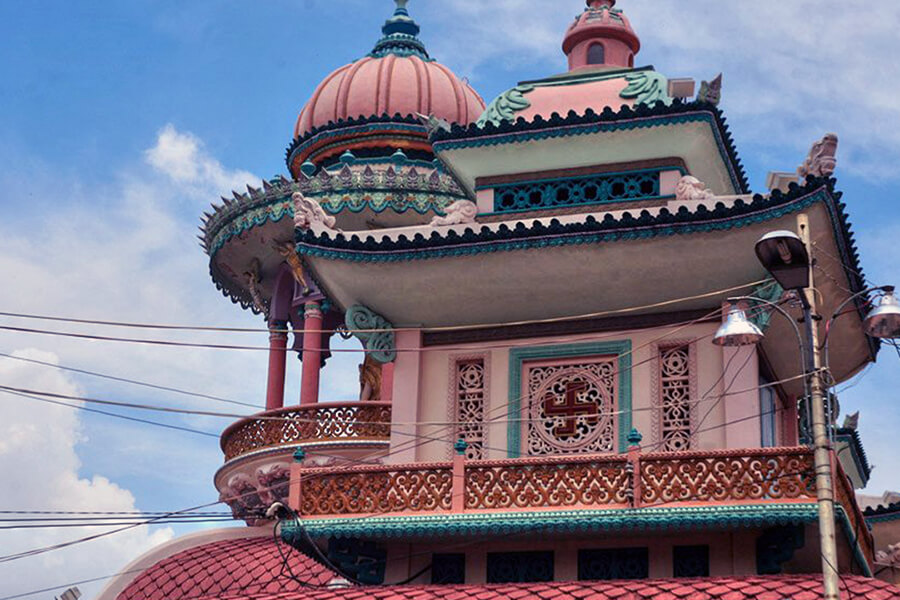
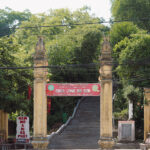
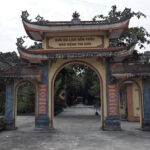
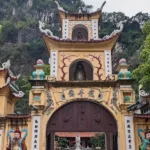
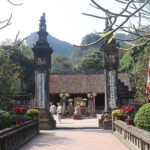
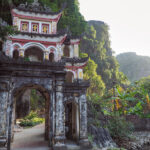
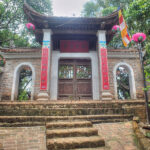
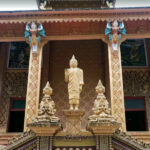
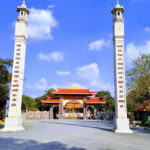
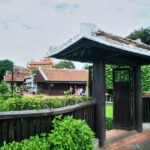
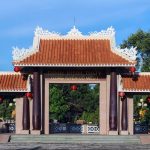
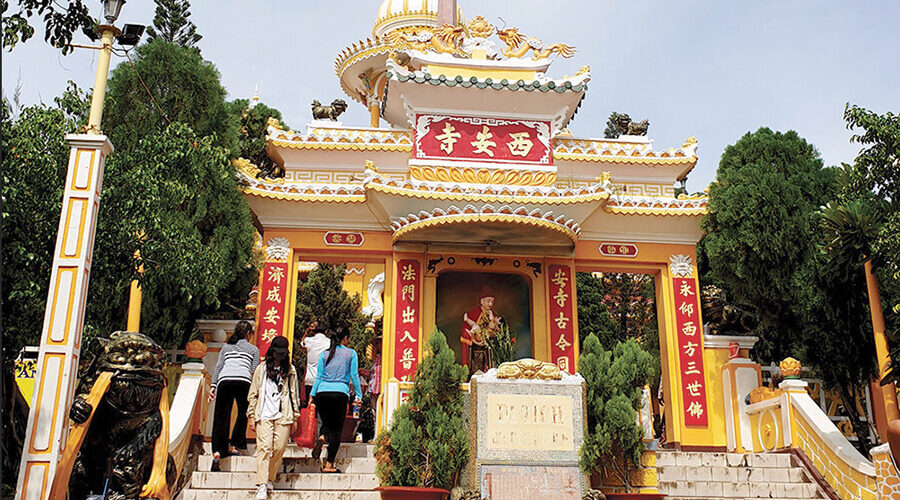
Almost the same as other pagodas, the first architectural work is the three-entrance gate area. The three-entrance gate is divided into 3 doors. The middle door of the three-entrance gate is the place to worship the Buddha statue of Avalokiteśvara holding a child. On both sides are two signs stating the name of the pagoda as “Tay An ancient pagoda”.
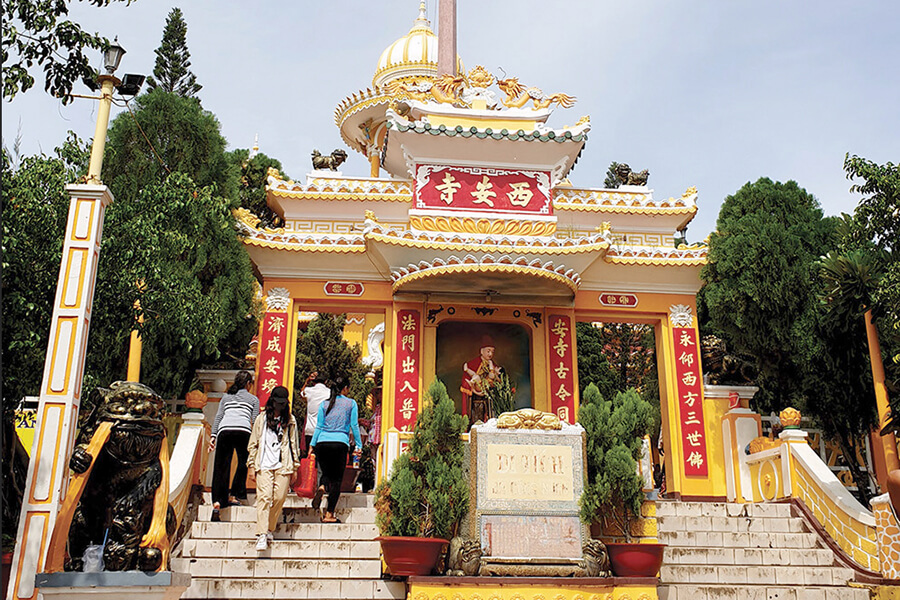
The pagoda’s Tam Quan gate stands out with a statue of Avalokiteśvara.
The pagoda’s campus is very spacious and airy with many trees. As soon as you step inside the campus, you will see a very tall flagpole – about 16m.
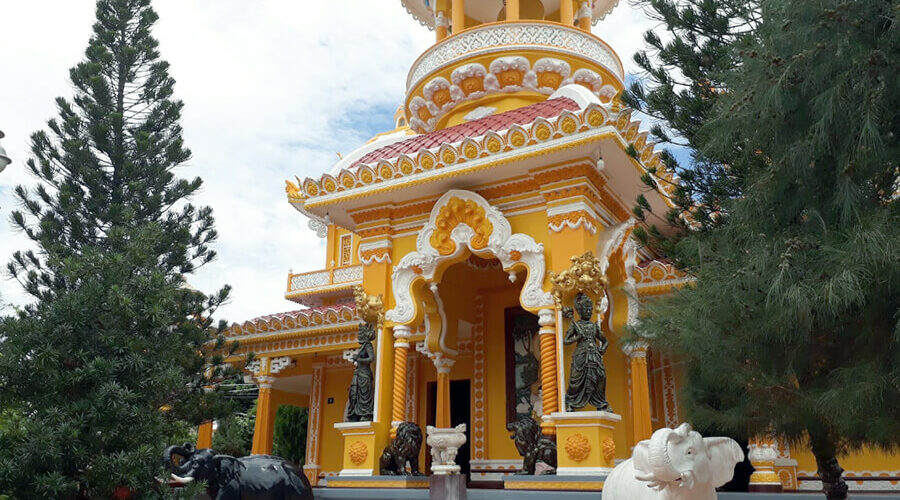
Along with that is the image of 2 elephants, a white elephant with 6 tusks and a black elephant with 2 tusks. According to Buddhist beliefs, white elephants are a good omen, signaling the birth of Prince Siddhartha (who later became Shakyamuni Buddha). The black elephant is the royal elephant, named O Long, who helped the court defeat foreign invaders.
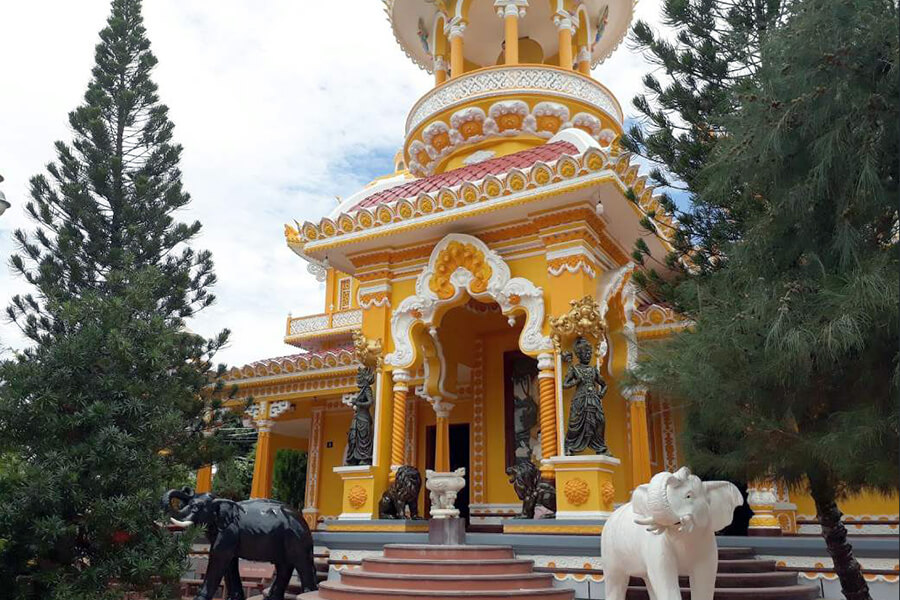
Image of 2 elephants, 1 white elephant with 6 tusks and a black elephant with 2 tusks.
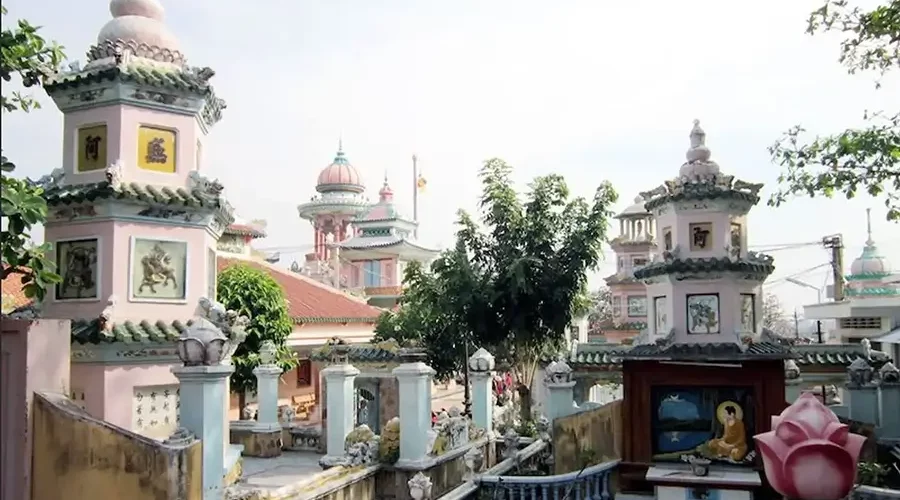
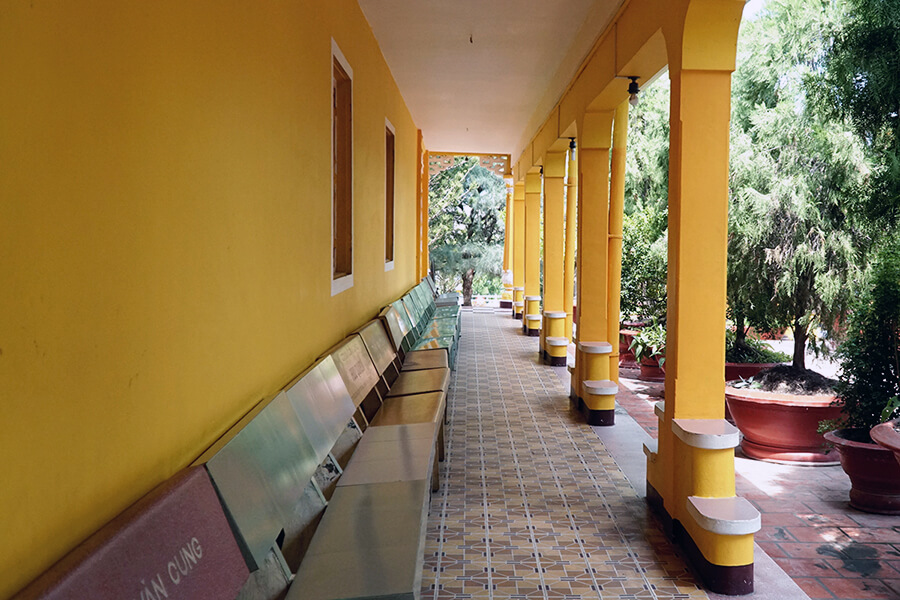
Right on the steps of the pagoda are cast white and black statues; the shoulders are embossed with two deities sitting above a crescent moon. On both sides are two corridors, one for male and one for female believers. At the back of the pagoda grounds, many tombs and towers were built with extremely unique architecture. The most notable is Mr. Minh Huyen’s grave. Every year, on the 12th day of the 8th lunar month, thousands of people, as well as Buddhist monks and nuns from within and beyond the region, come here to pray in large numbers.
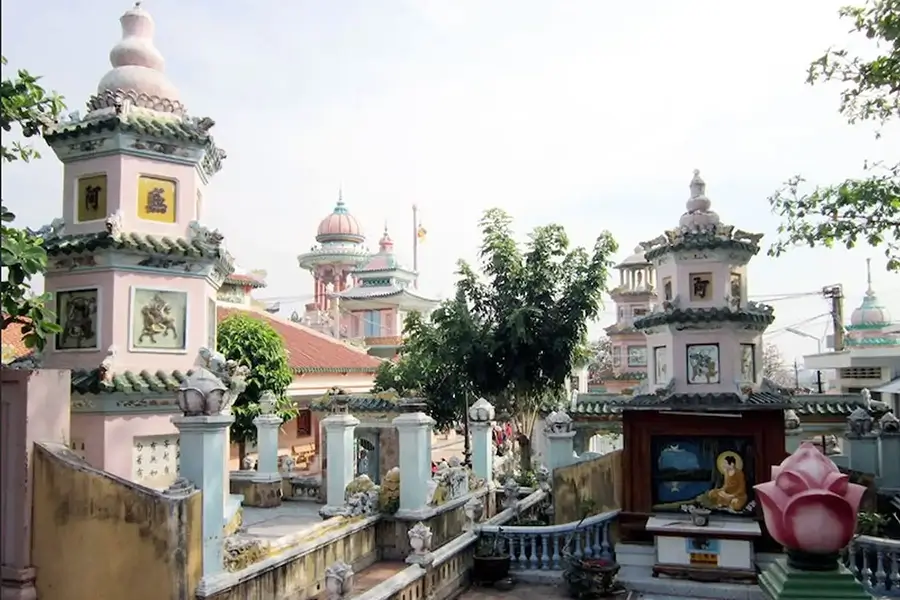
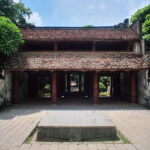
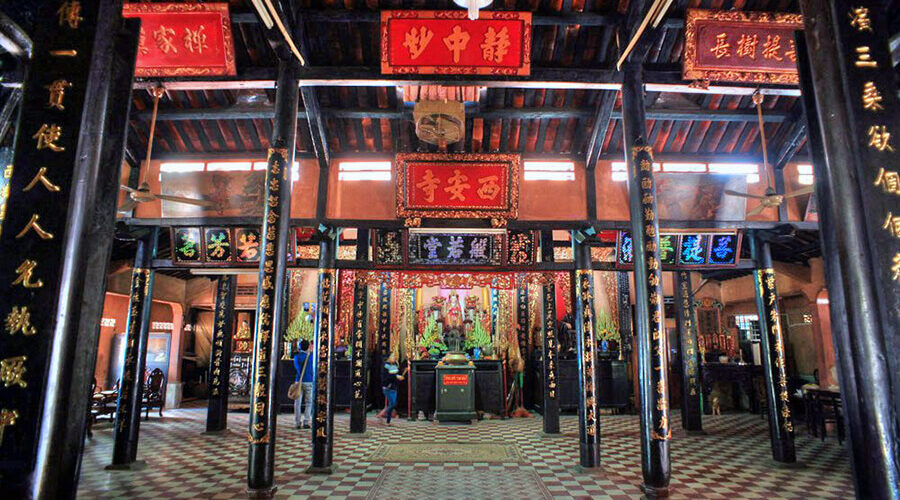
The main hall is a large building built in the middle of the pagoda. The main hall is built large, with a curved roof on 2 floors. Unlike the ancient pagodas in the North, the roof tiles of Tay An Pagoda are covered with large tube tiles.
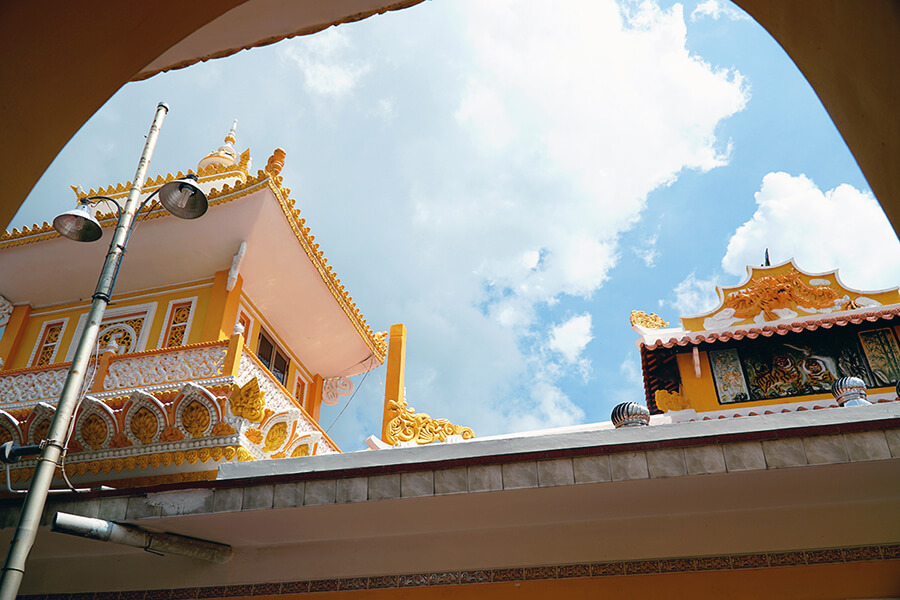
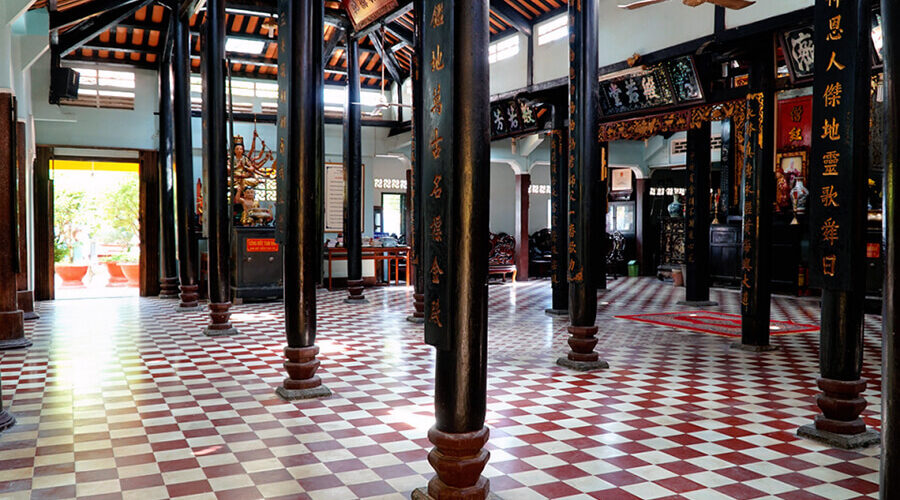
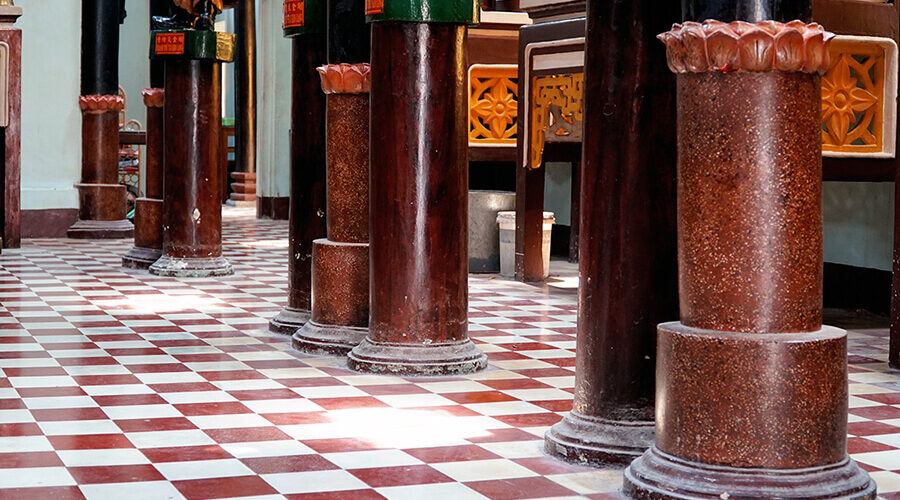
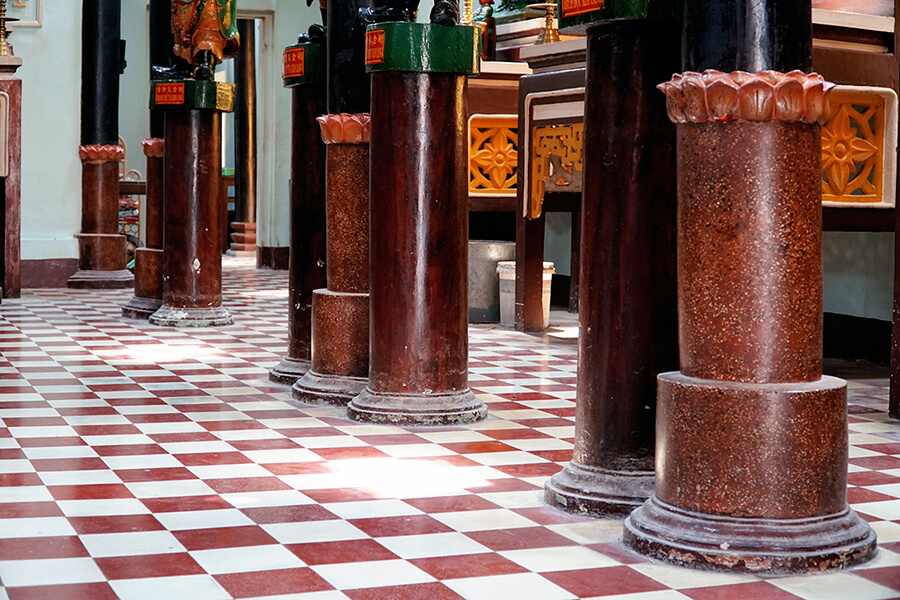
All the supporting pillars are made of large wooden columns, and the floor is tiled with marble tiles. On both sides of the main hall are the gong and drum buildings, designed in a quadrilateral architectural style.
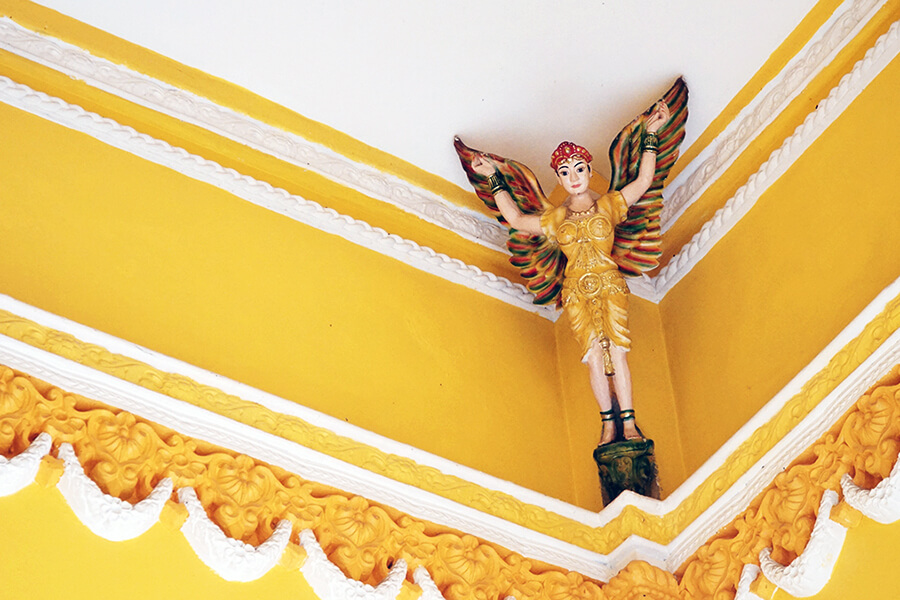
The top of the pagoda is decorated with images of four sacred animals: dragon, unicorn, tortoise, and phoenix, extremely unique.
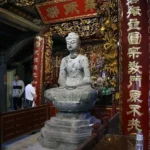
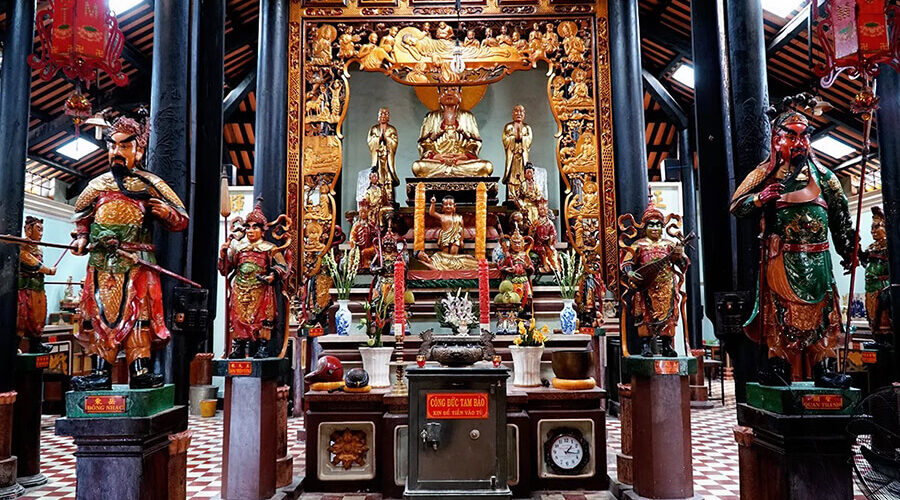
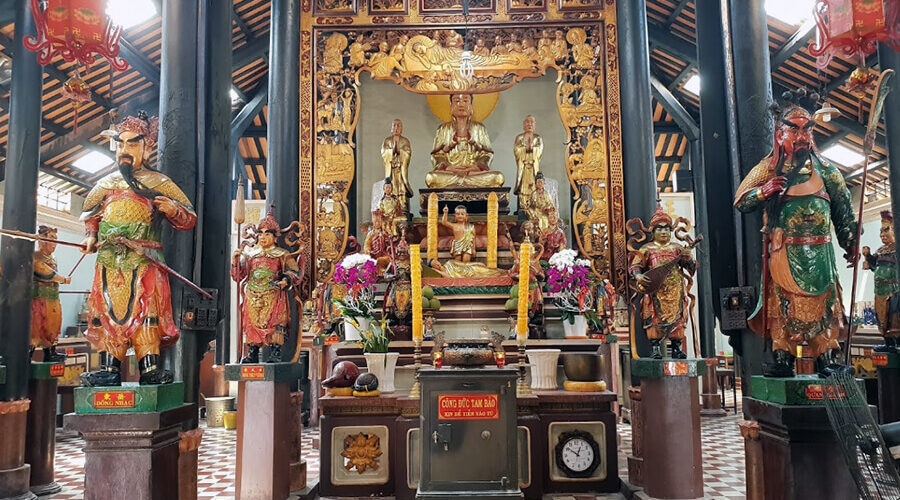
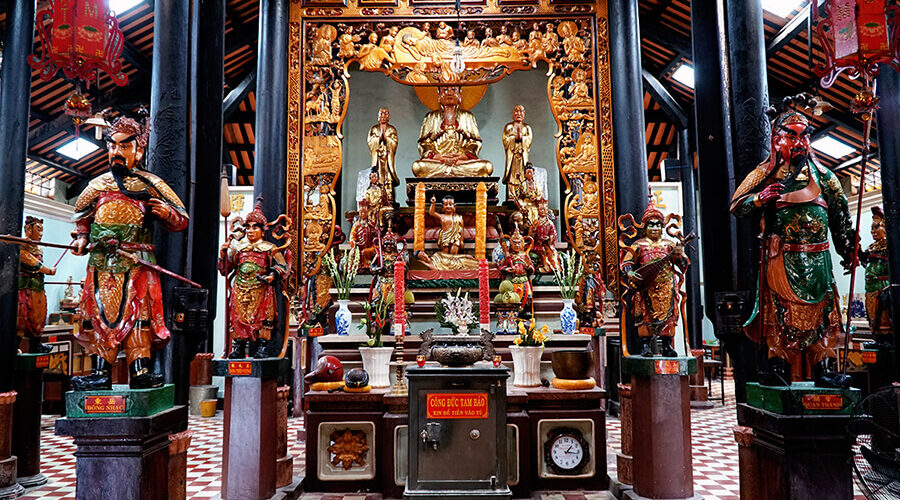
In the main hall, there are about 150 large and small statues. The statues of Buddha, Bodhisattva, Arhat, Jade Emperor,… are made of ancient wood and elaborately carved, typical of Vietnamese sculpture in the 19th century.
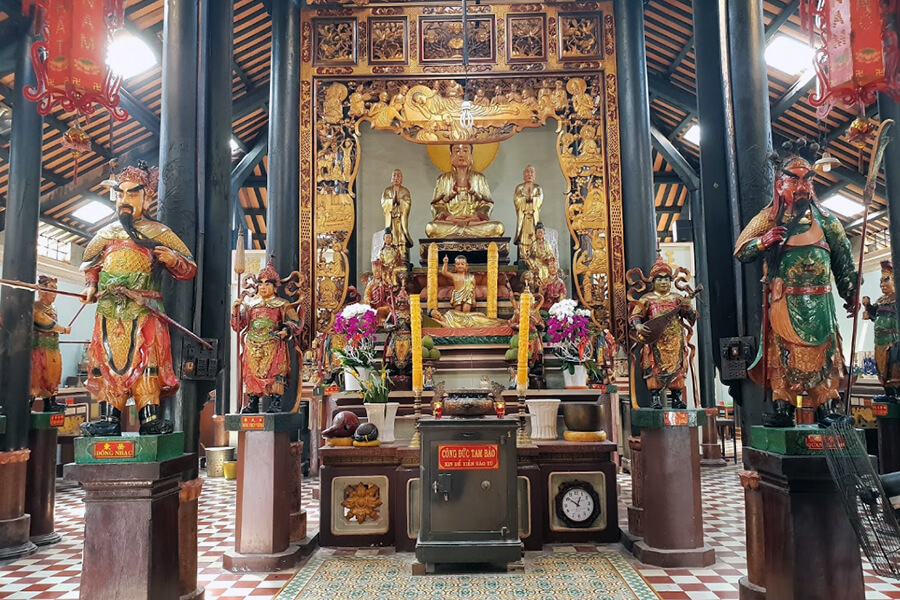
Many statues in the main hall.
Besides, the pagoda also has many brightly colored horizontal panels and couplets.
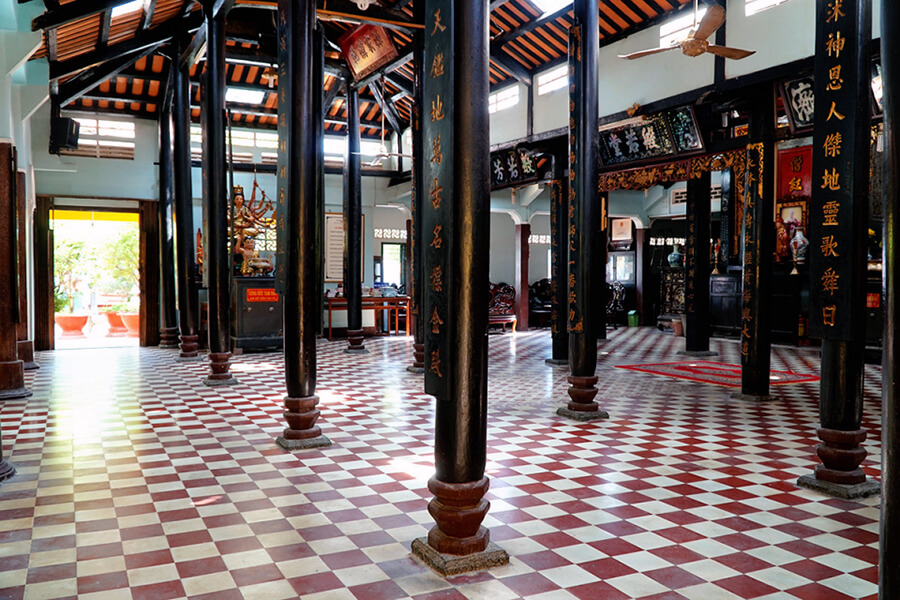
The temple floor is tiled with encaustic tiles. Behind the main hall is a spacious church. The wooden columns were restored and supported by concrete pillars.
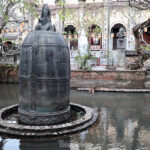
From the main hall area, you can visit the “giant red bell” in the bell tower area. This bell was casted in the 32nd year of King Tu Duc’s reign (1879).
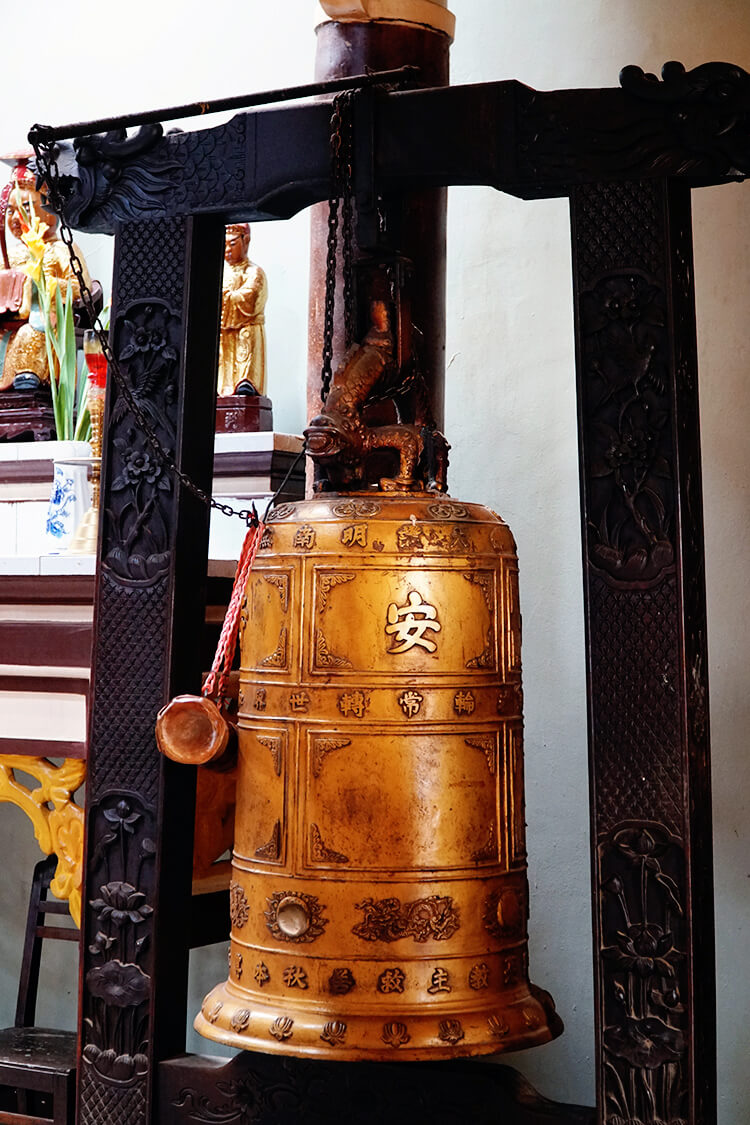
The Giant Red Bell
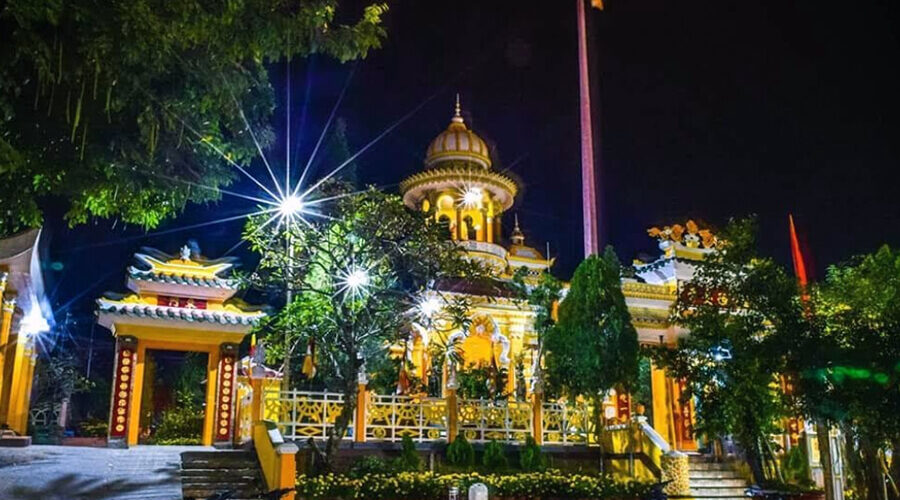
If tourists do not want to visit Tay An Pagoda during the day because they are afraid of the sun and crowded pilgrims, they can also visit and worship Buddha in the evening. With a more special architecture than other pagodas, the yellow lights installed to illuminate, making the pagoda look like a majestic and splendid castle at night.
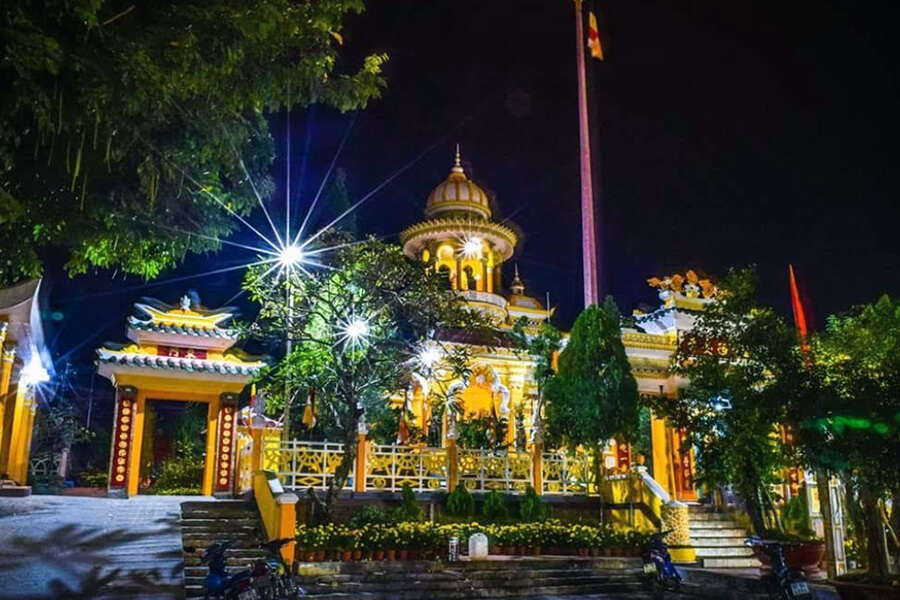
Tay An Pagoda is one of the province’s famous tourist destinations that anyone who comes to Chau Doc has heard about. The natural scenery here is extremely beautiful and charming, making visitors excited and feel relaxed.
Use information about Tay An Pagoda:
- Best for: solo, pilgrim…
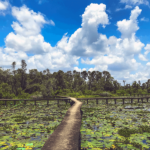
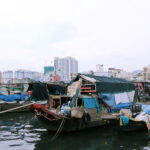
- Other tourist spots nearby: Thoai Ngoc Hau Tomb, Hang Pagoda, Chau Doc floating village, Sam Mountain Tourist Area, The Lady Temple, Tra Su Cajuput Forest, Cham Village…
Source: collected by An
Follow us for the best deal with Vietnam package tours and visa advice!