
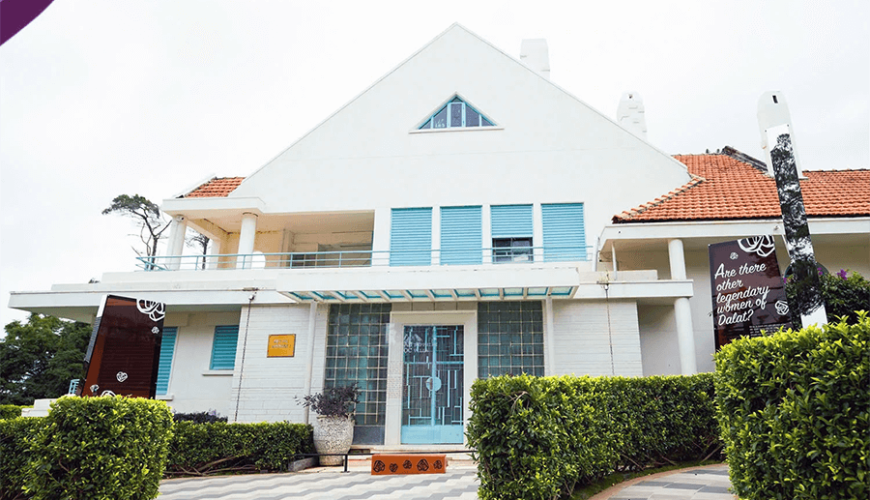
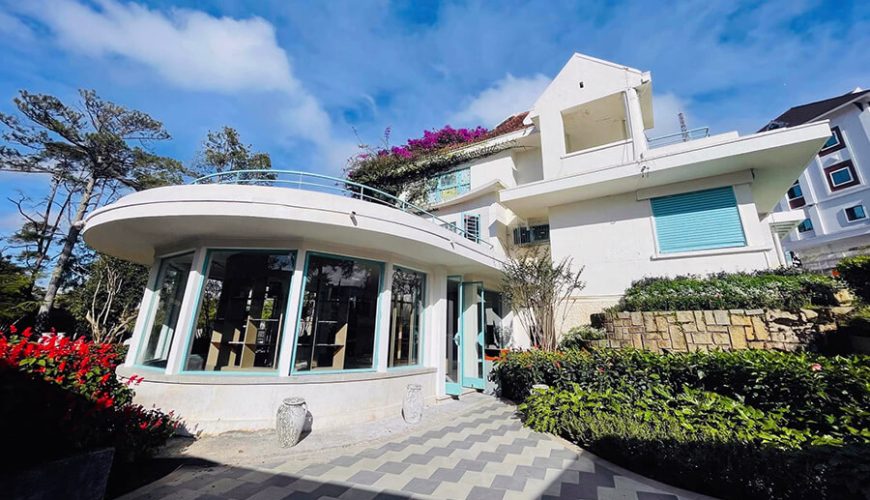
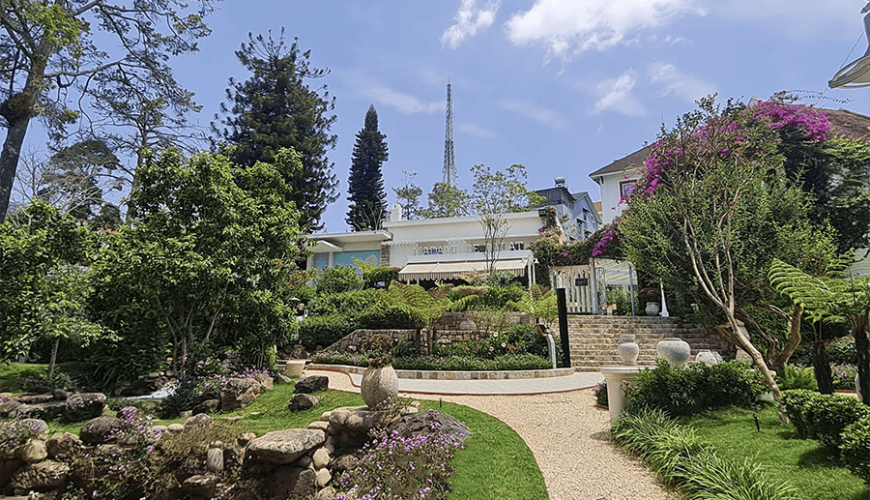
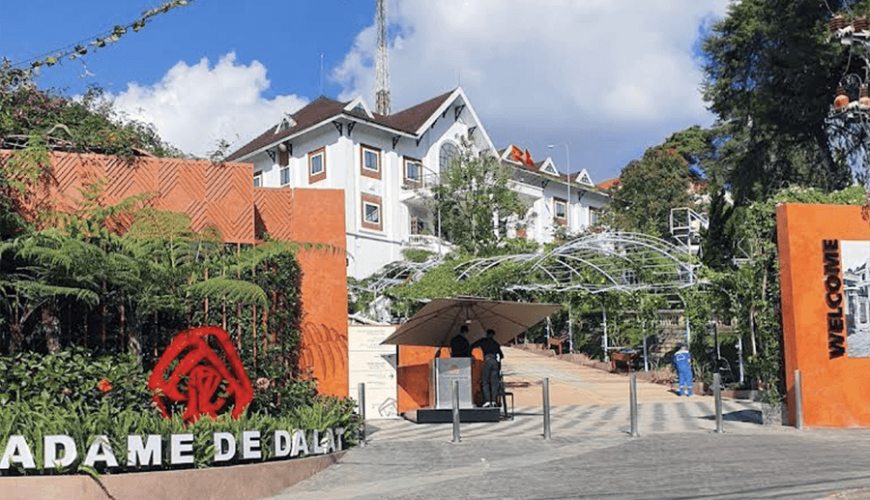
After more than half a century, the Tran Le Xuan Palace remains magnificent and majestic, spanning over 13,000 m² and a popular stop for domestic and international tourists in Da Lat.
Overview of Tran Le Xuan Palace
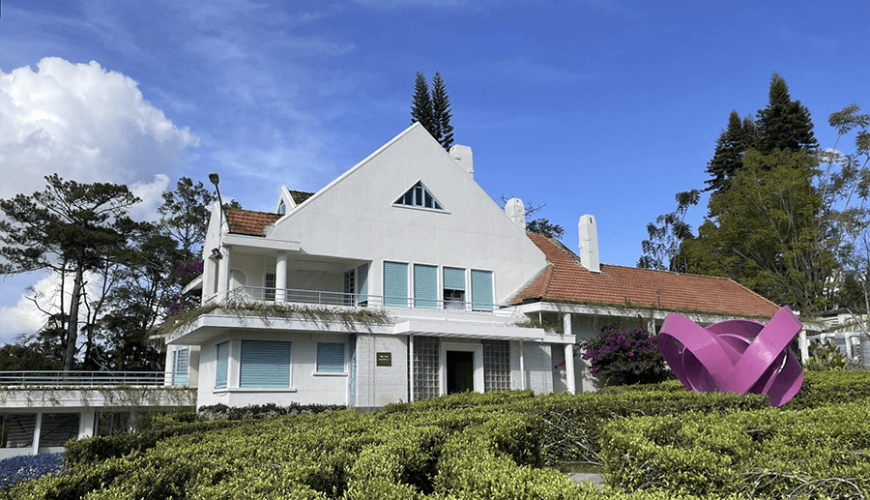
The Tran Le Xuan Palace is a complex of three villas located in the center of Da Lat. During the Republic of Vietnam (1955-1975), this building served as a retreat for the family of Tran Le Xuan and Ngo Dinh Nhu. After Ngo Dinh Nhu and his brother, President Ngo Dinh Diem, were assassinated, Tran Le Xuan went into exile, and this building became a tourist attraction in Da Lat.
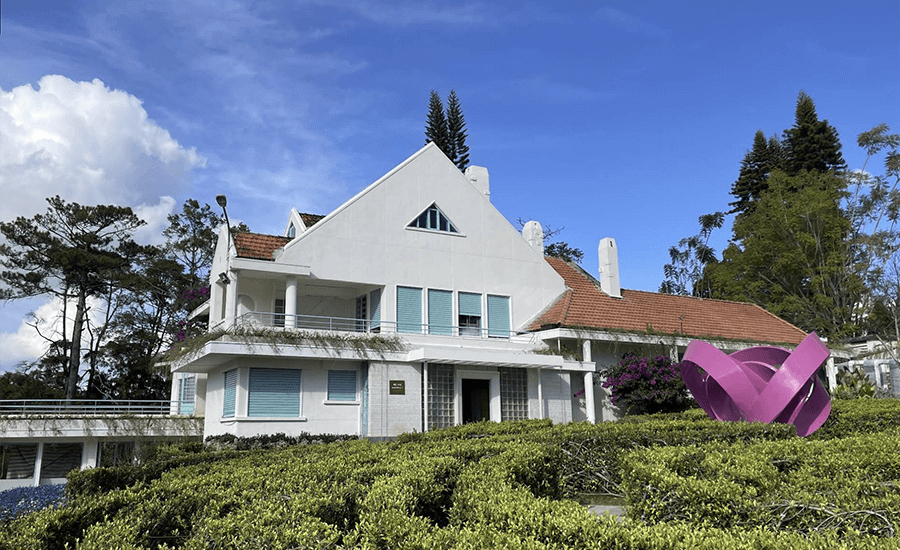
The Tran Le Xuan villa, nicknamed “The First Palace in Southern Vietnam,” atop Lam Son Hill, was renowned for its opulence and sophistication. The word “villa” alone evokes an image of its grandeur and magnificence. Built in 1958, the villa boasts a vast 13,000-square-meter grounds, with dozens of guards on duty 24/7 to ensure absolute security. No one is allowed to enter the area without permission, and all information within the villa remains confidential. Therefore, information about this place remains largely a mystery to this day.
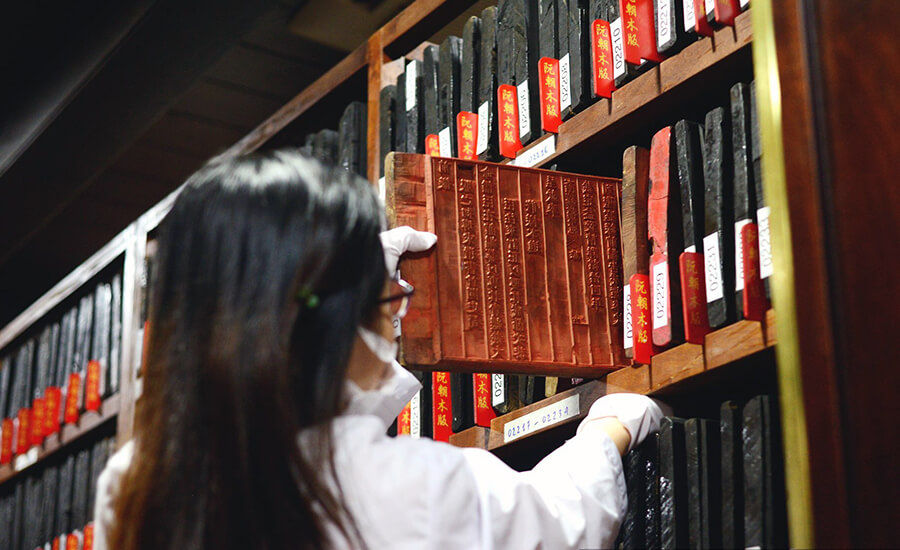
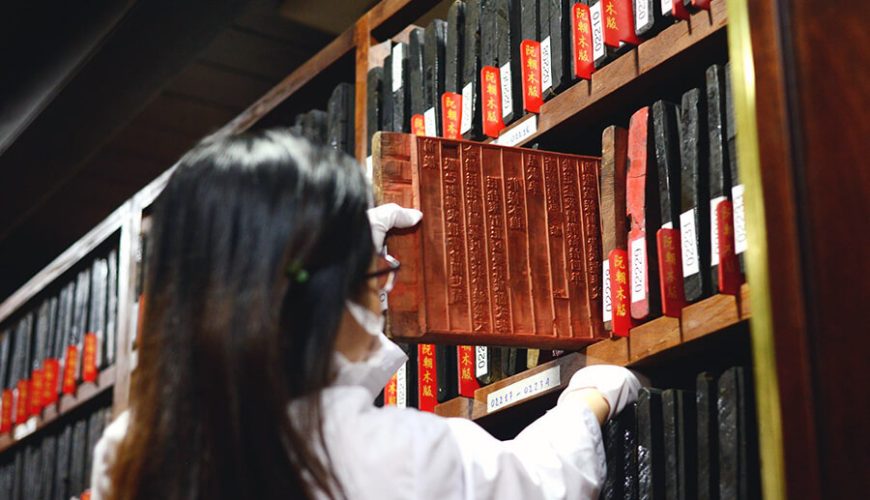
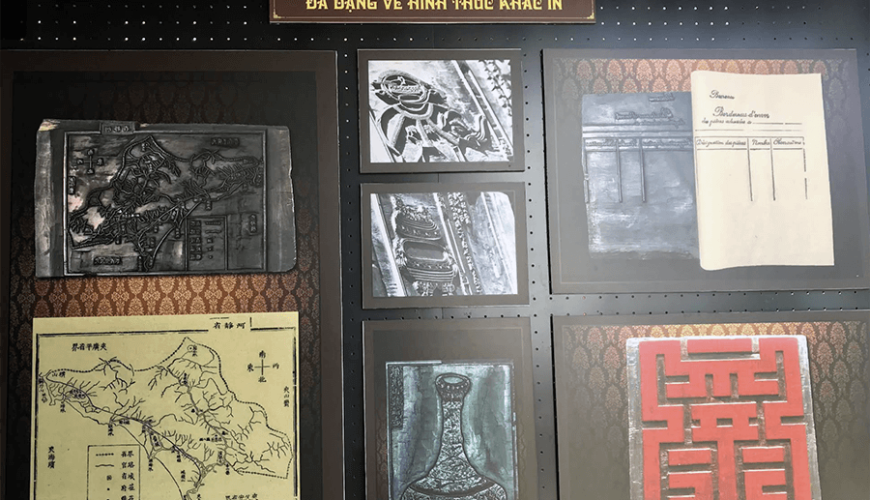
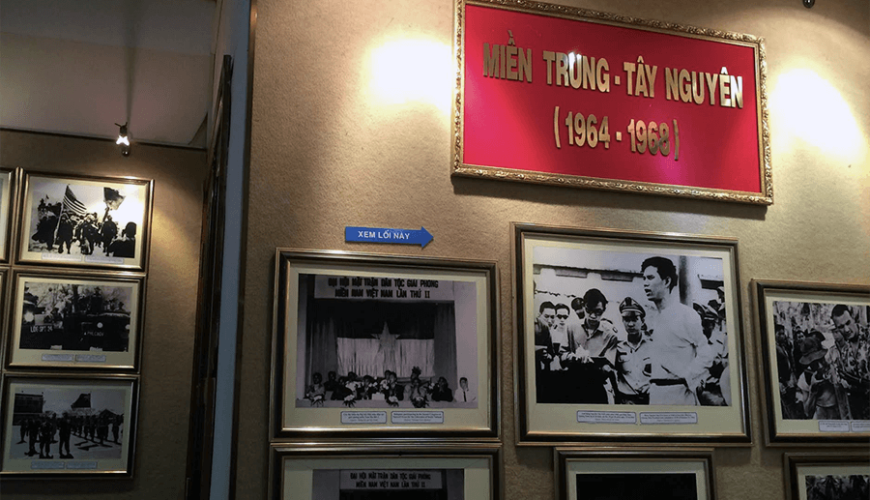
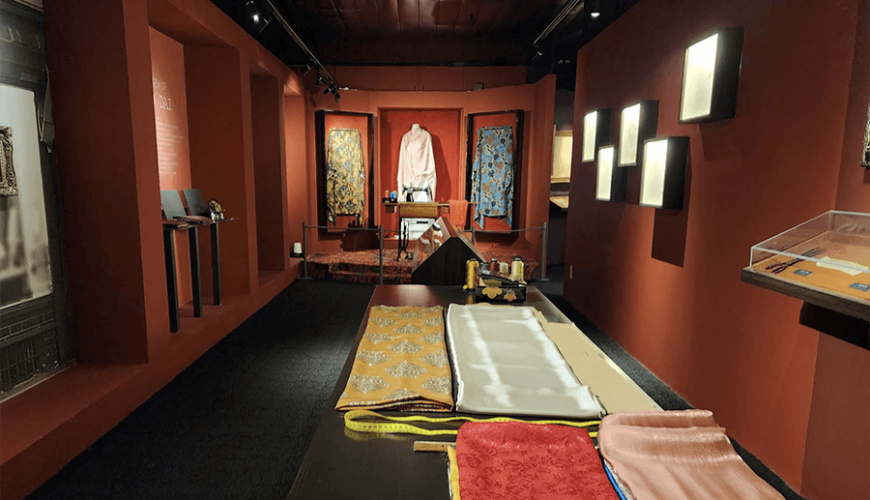
In 2006, the National Archives Center IV restored and renovated the villa complex, returning it to its original beauty. Simultaneously, the spaces were used to display and promote national archival documents, especially “Woodblock of the Nguyen Dynasty”, serving domestic and international tourists who come to learn about Vietnamese history and culture.
- Address: No. 2, Yet Kieu Street, Cam Ly-Da Lat Ward, Lam Dong Province.
- Opening hours: Morning (7:30 AM – 11:30 AM), afternoon (1:30 PM – 4:30 PM), including holidays and Tet (Lunar New Year).
- Entrance fee: 20,000 VND/person.
Discovering the Unique Architecture of Tran Le Xuan Palace
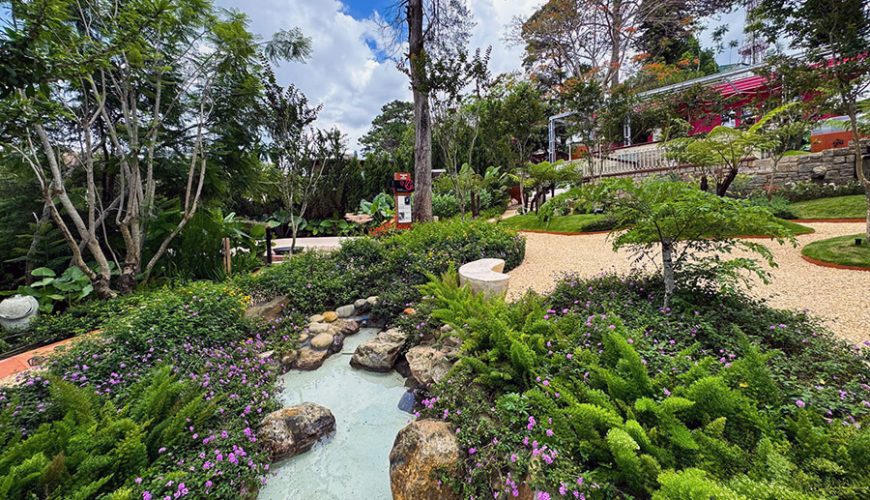
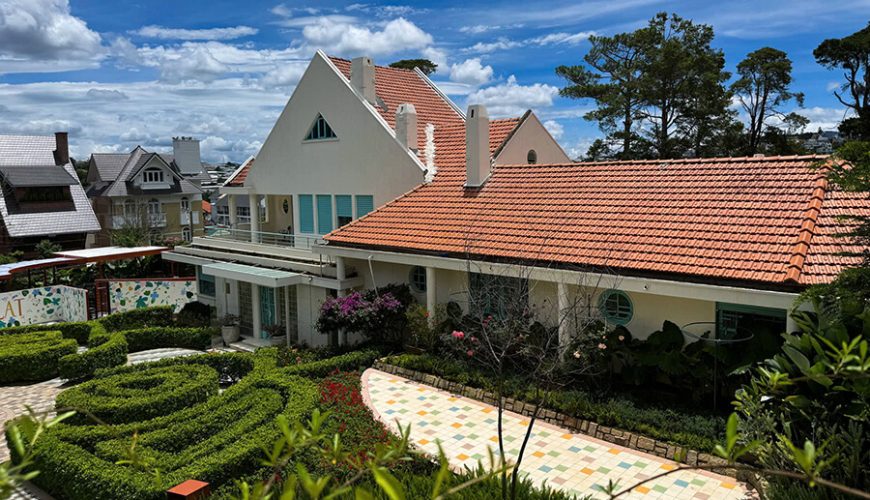
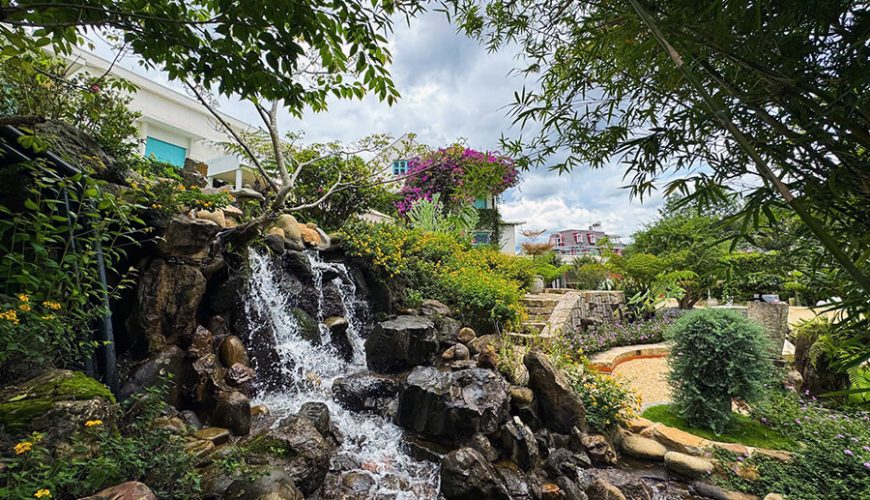
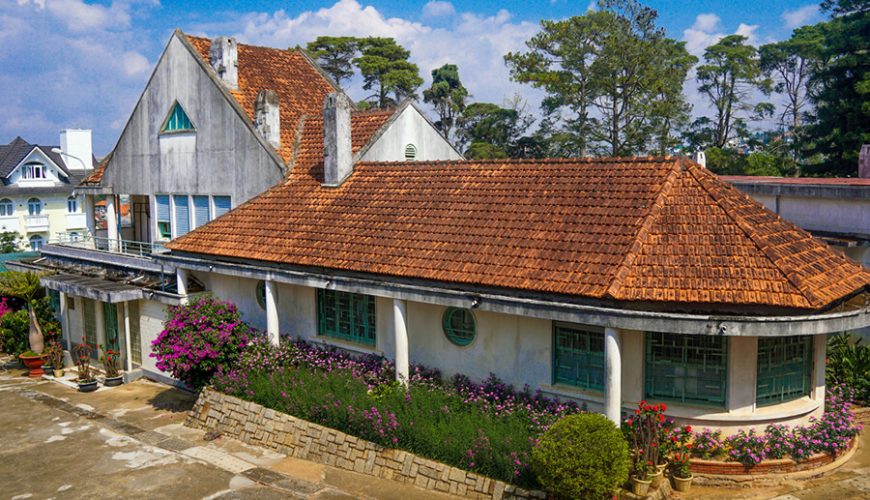
The entire palace complex is covered in vibrant flowers and lush greenery year-round. The complex consists of three large villas named Lam Ngoc (Sapphire), Bach Ngoc (White Jade), and Hong Ngoc (Ruby) by the owner. It was once known as “The First Palace in Southern Vietnam”.
Lam Ngoc Villa
The French architectural style was very popular and favored at the time, so the design of Lam Ngoc Villa was also heavily influenced by it. This villa was built for Mrs. Tran Le Xuan and her husband to relax whenever they came to Da Lat. It was the most luxurious villa for relaxation and entertainment at that time.
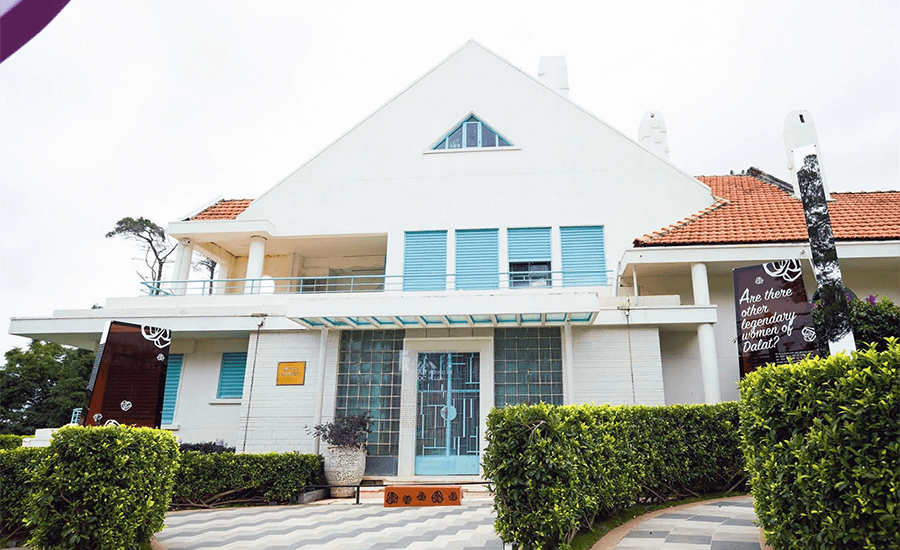
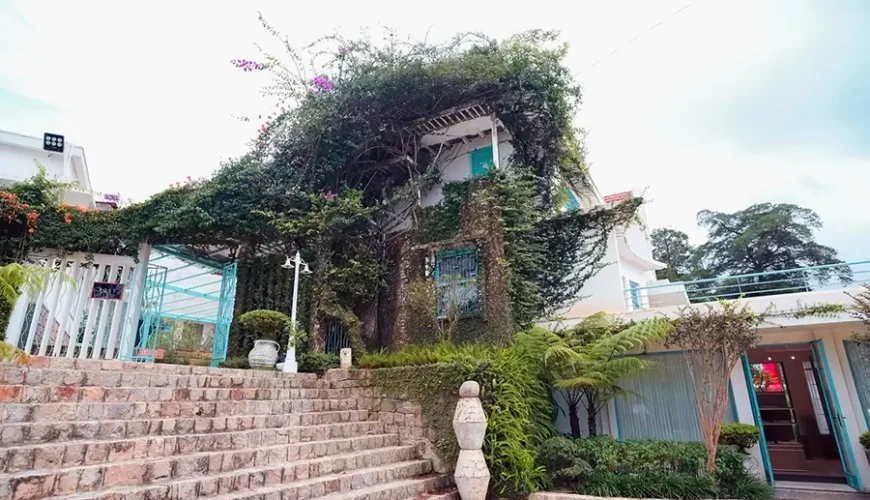
Lam Ngoc Villa is lavishly decorated and the most magnificent villa in the palace complex. Facing directly onto Yet Kieu Street, the villa is exquisitely designed with a long, elegant staircase. In addition, the villa is divided into separate small rooms, such as a meeting room, a study, a ballroom, and a living room, each with a fireplace. The architectural space is elaborately decorated and fully equipped with modern, expensive furnishings, selected and ordered from Europe and America…
Bach Ngoc Villa
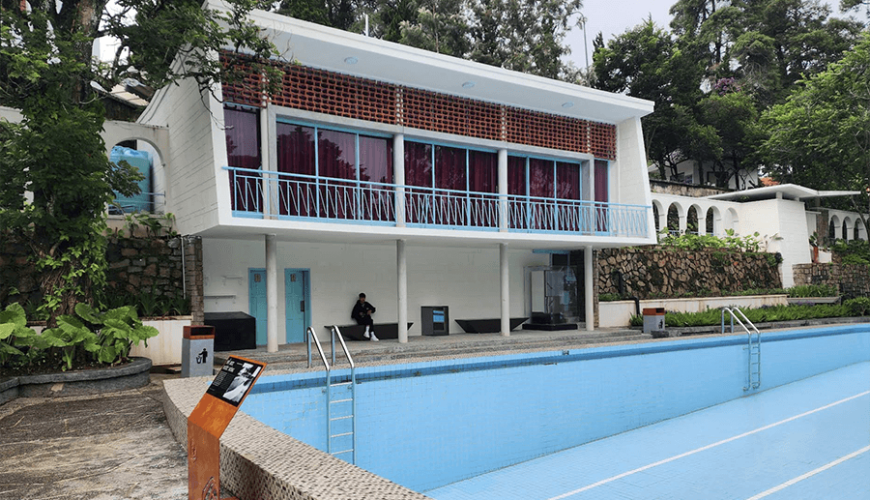
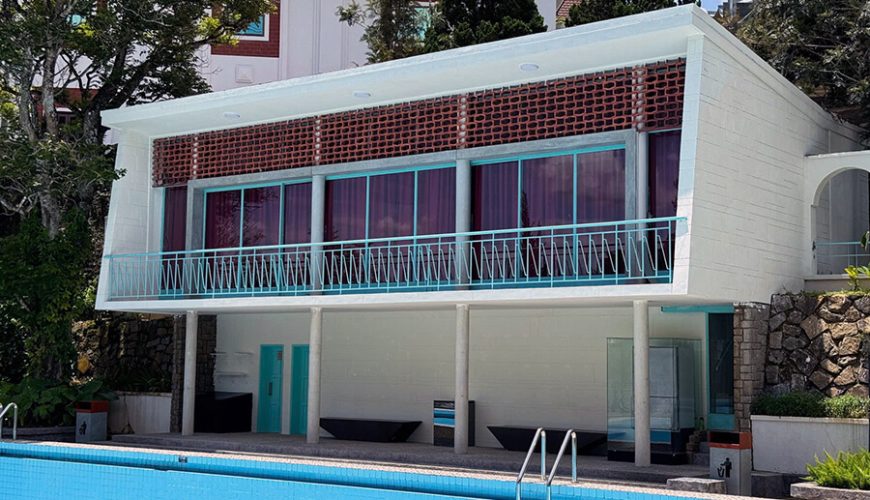
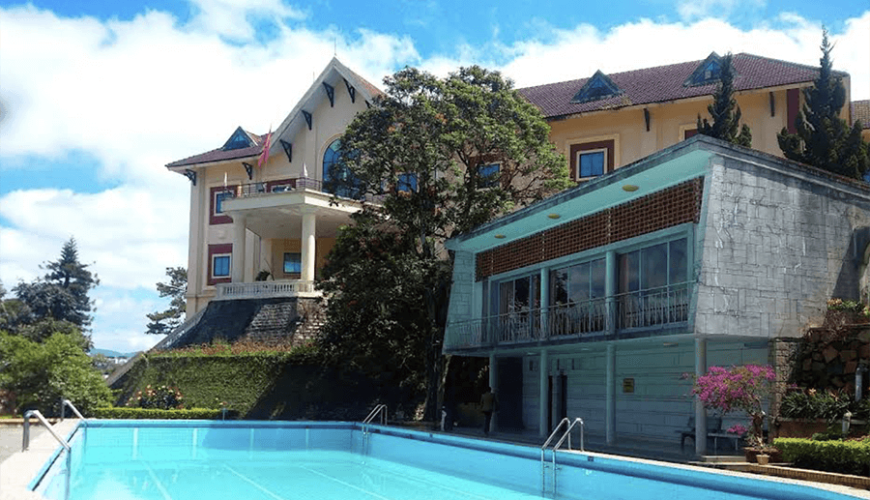
Bach Ngoc Villa has a distinctive and unique architectural style. The villa, built in a zigzag pattern, consists of many interconnected rooms of varying sizes, equipped with the most modern French-style fireplaces of the time. This villa served as the residence and workplace of the villa’s owner. While the Lam Ngoc was the most luxurious, the Bach Ngoc Villa was the most important part of the Tran Le Xuan Palace. It held crucial plans and secrets.
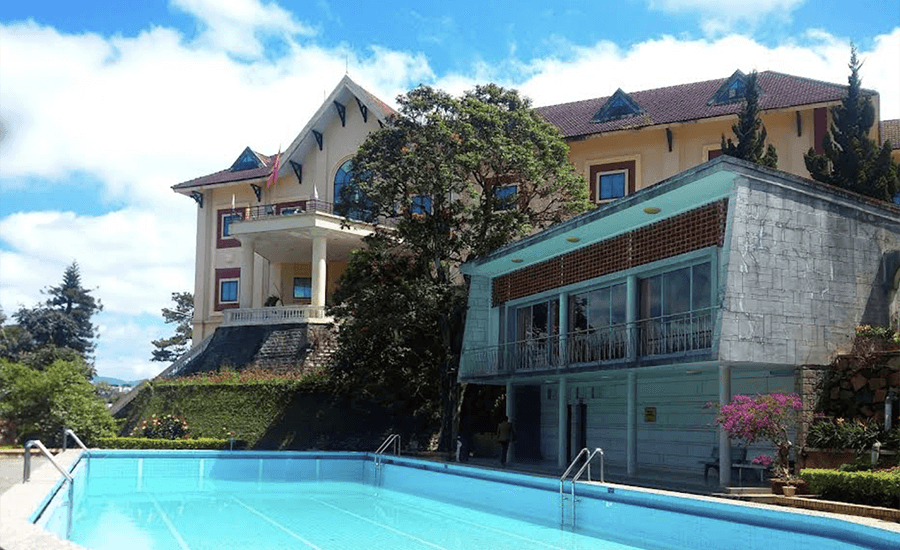
In front of the Bach Ngoc Villa was a heated swimming pool with a volume of 300 cubic meters, reaching a maximum depth of 2.2 meters. The pool was equipped with a water-heating system to serve the owner and guests during Da Lat’s cold weather. However, the pool has now been drained and has become a popular photo spot for young people visiting the area.
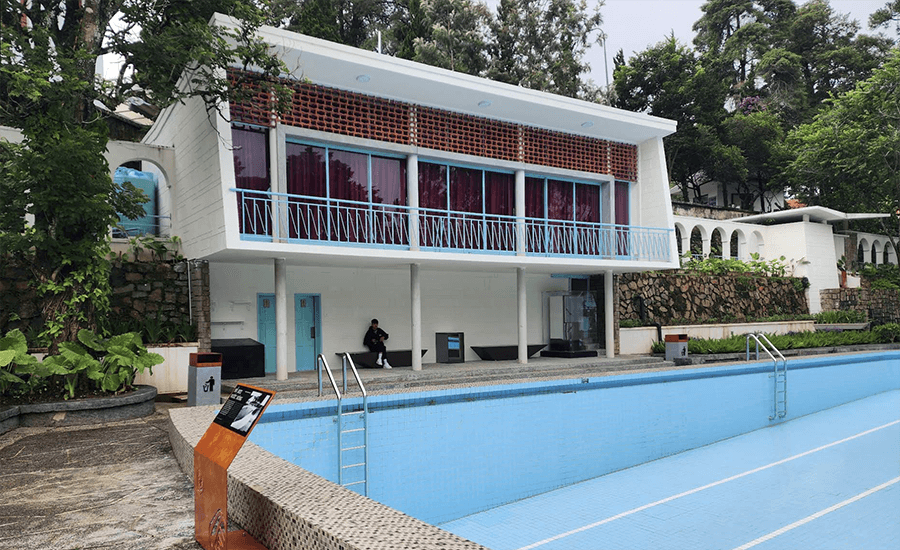
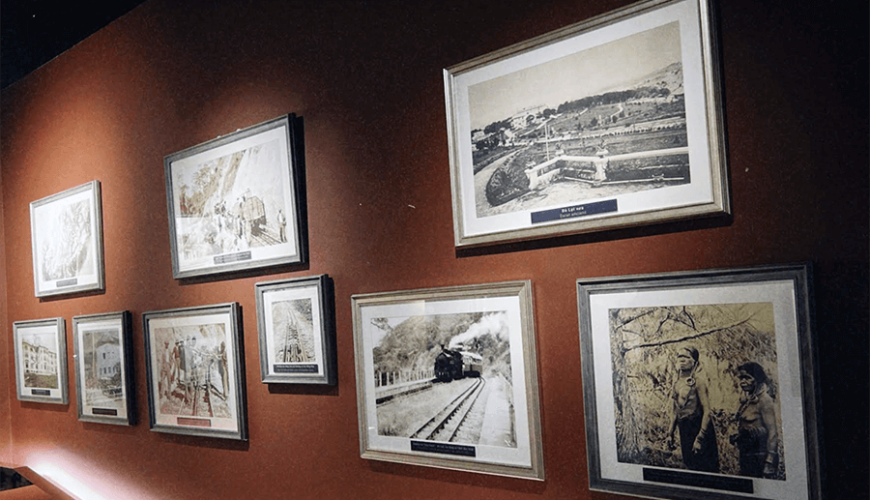
To date, the Lam Ngoc Villa has been decorated as an exhibition area, with clear evidence of Vietnam’s sovereignty over its islands and territory. It also displays historical information about Da Lat’s early days. Despite its opulent and luxurious appearance, it hides countless mysteries within. The villa complex includes bulletproof tunnels constructed from durable materials such as iron and steel. This basement leads to a shelter that can accommodate about 10 people.
Hong Ngoc Villa
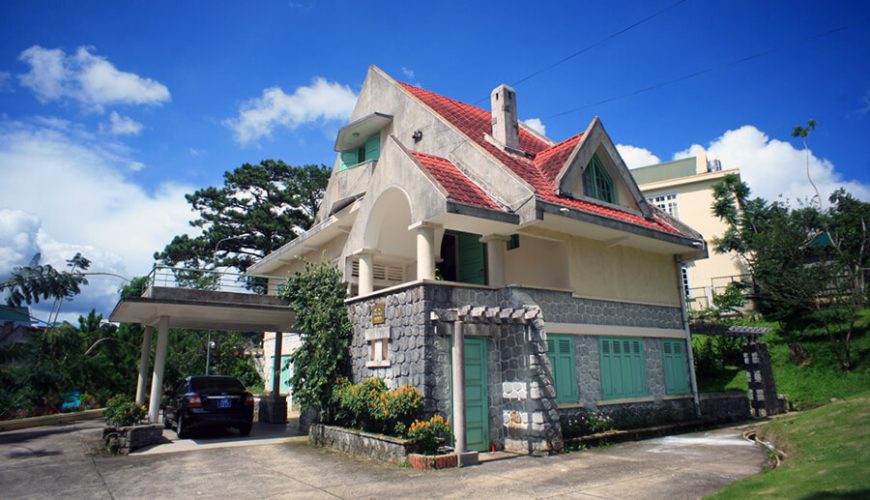
This villa was meticulously built as a filial gift from Mrs. Tran Le Xuan to her father, Mr. Tran Van Chuong, the Ambassador of the Republic of Vietnam to the United States. However, Mr. Tran Van Chuong did not have time to move in before the coup that overthrew the Ngo Dinh Diem regime on November 1, 1963.
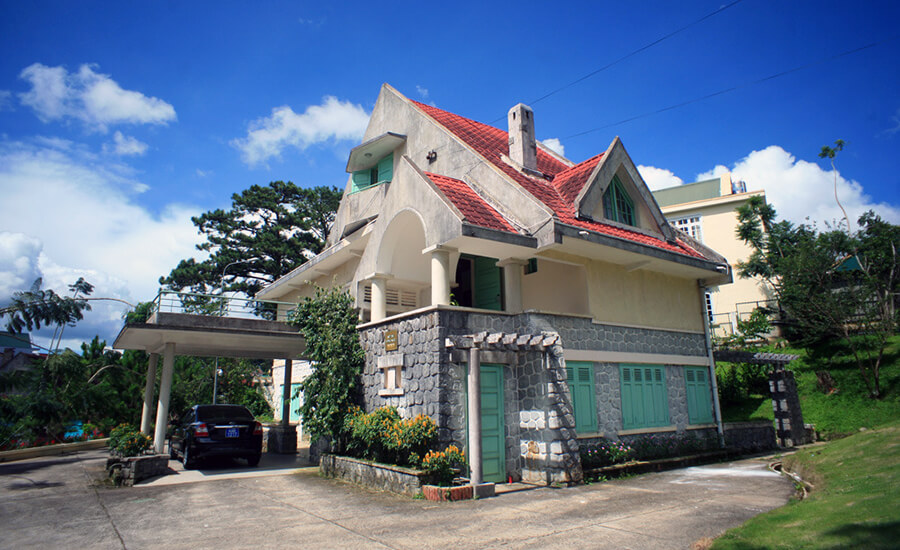
In terms of architectural design, Hong Ngoc Villa has a more “elegant” appearance compared to Lam Ngoc and Bach Ngoc. The building is constructed in a classical style characterized by round columns and gray stone decorations. This villa is separate from the other two villas. Although the area is somewhat smaller, the interior features very convenient, modern yet antique furnishings, maintaining a luxurious, neat, and elegant feel.
Japanese-style garden
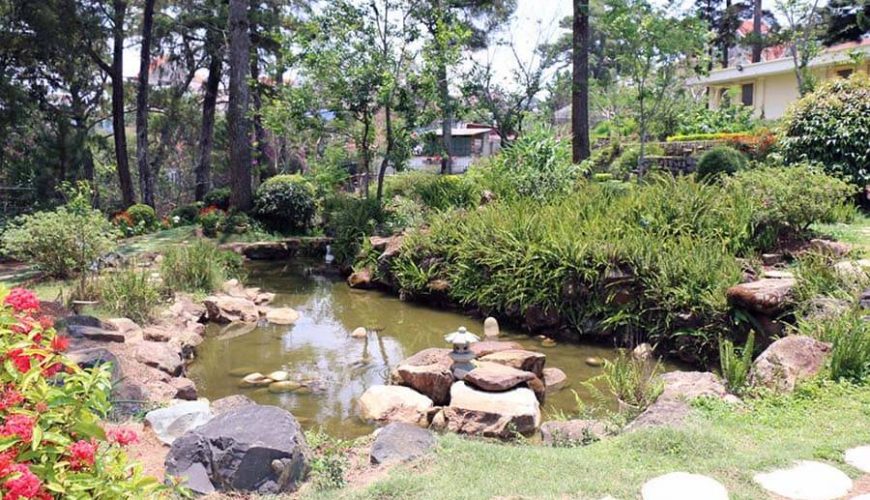
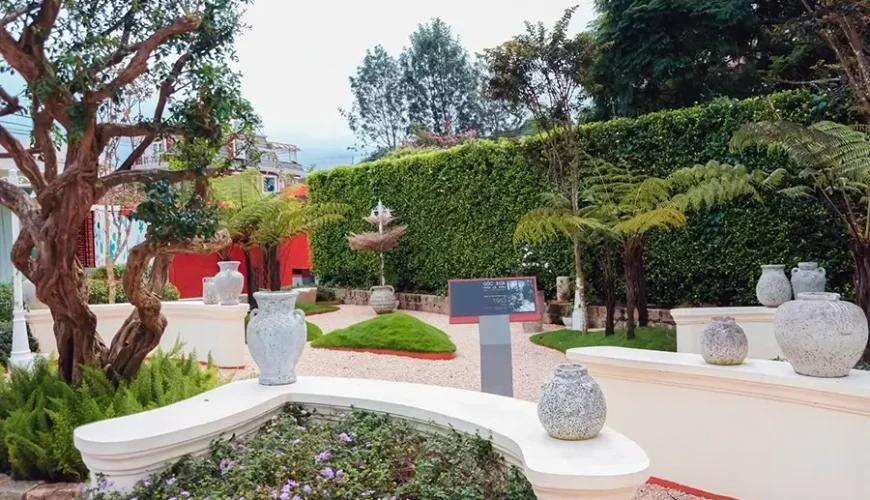
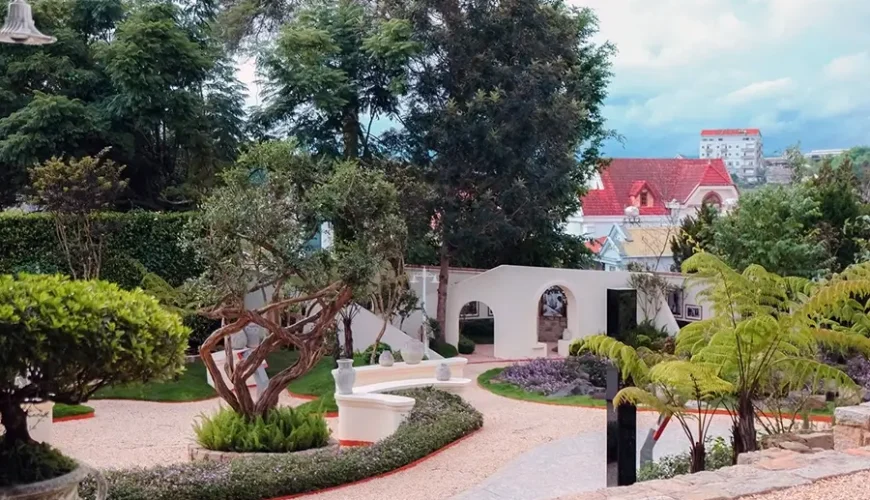
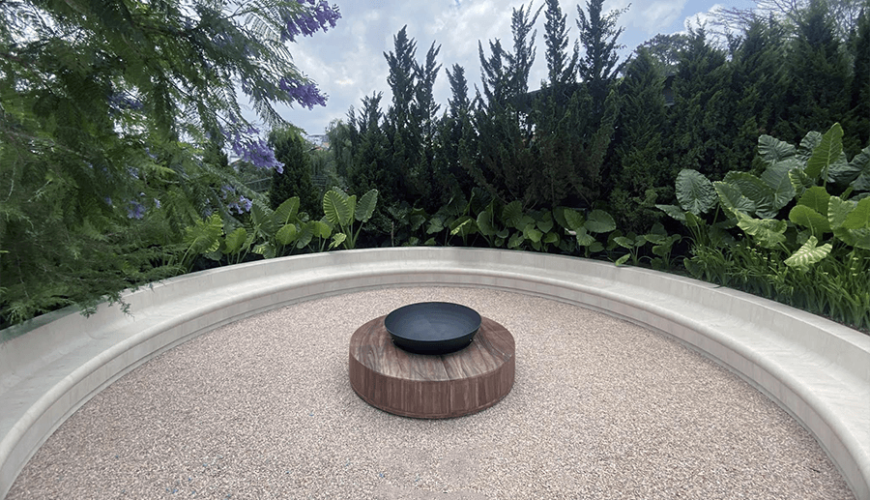
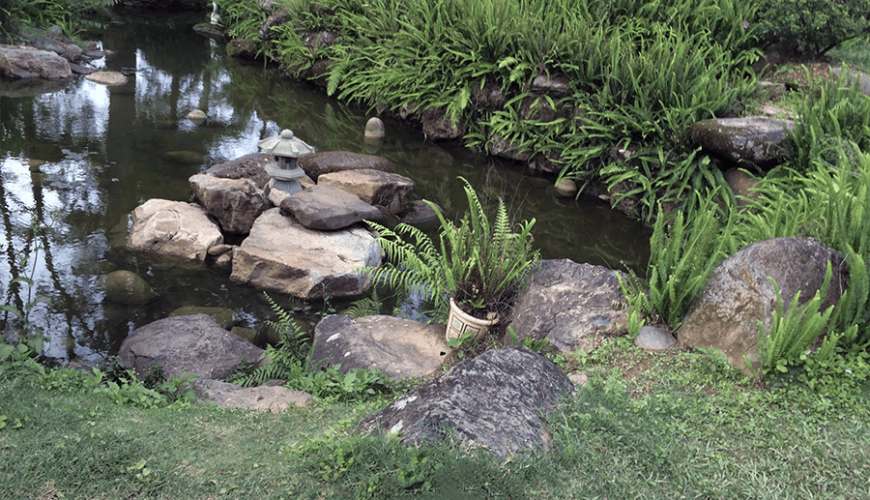
Located behind Lam Ngoc Villa is the Japanese-style garden. To create this garden, Tran Le Xuan invited Japanese architect Hiroshi Kitagawa to design and construct it. In addition to the elaborate Japanese style, the garden also features an artificial stream and a lotus pond. When the lotus pond is full, a map of Vietnam’s S-shaped topography immediately appears. The lady’s dedication is poured into this design, as is the pride of this historical site.
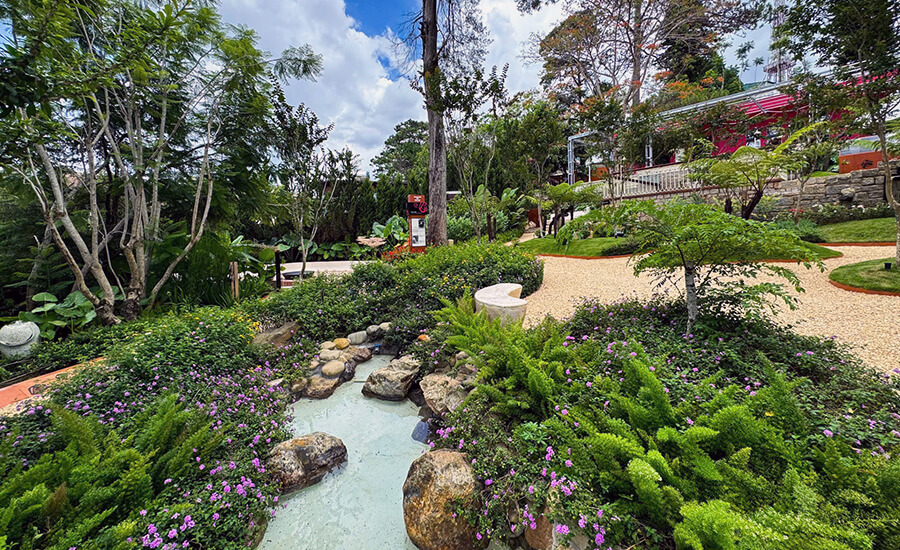
Furthermore, in the middle of the pond are rocks cut across, symbolizing the 17th parallel, and at the end of the pond is a bridge leading to Ca Mau Cape.
Source: collected by An
Follow us for the best deals on Vietnam package tours and visa services!

Comment (0)