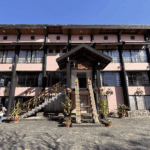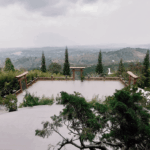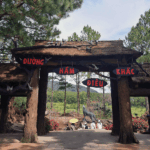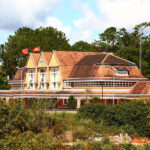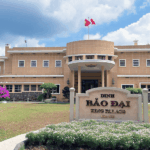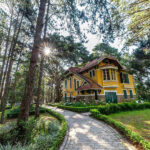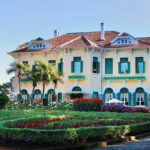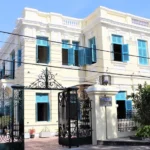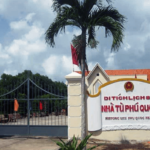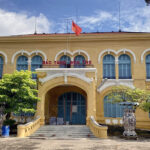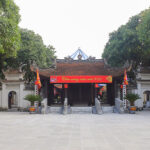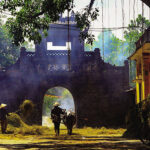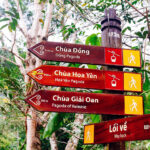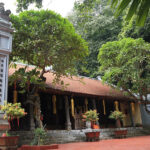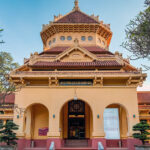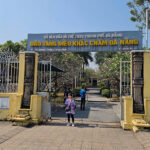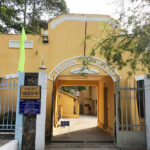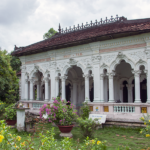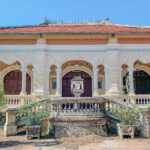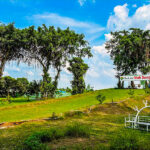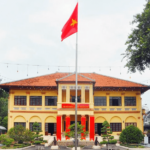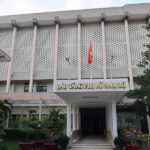
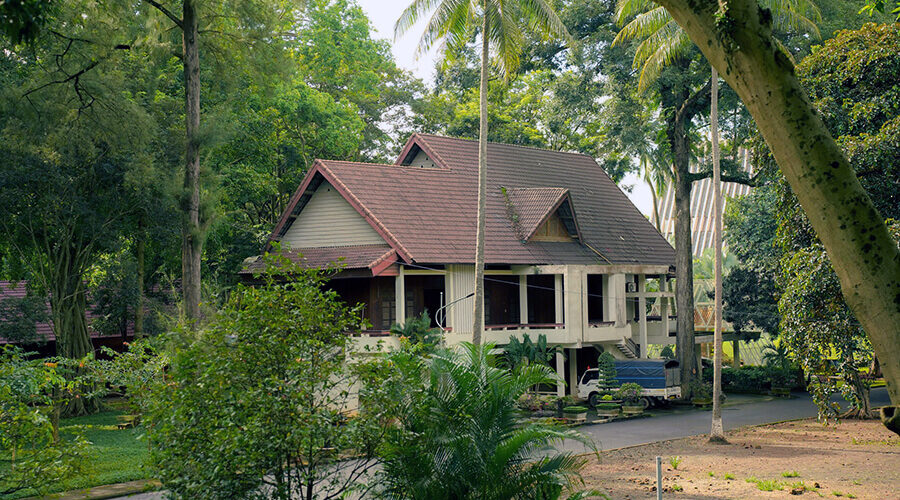
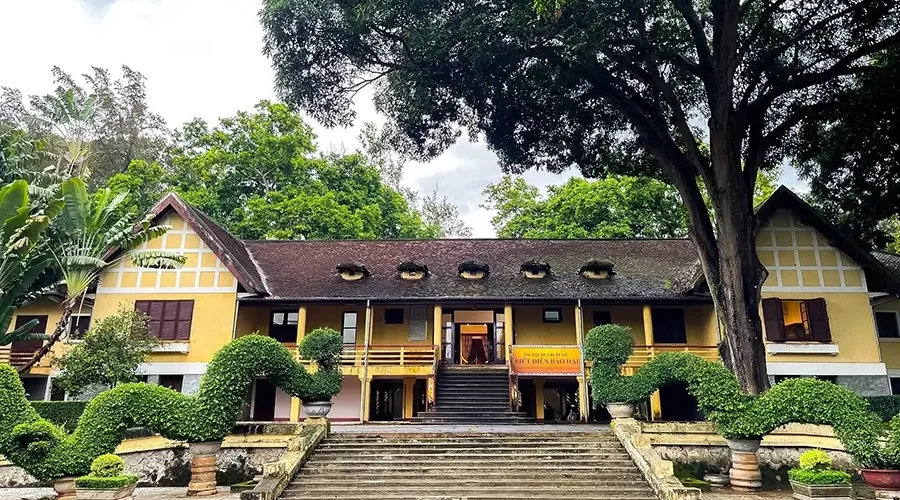
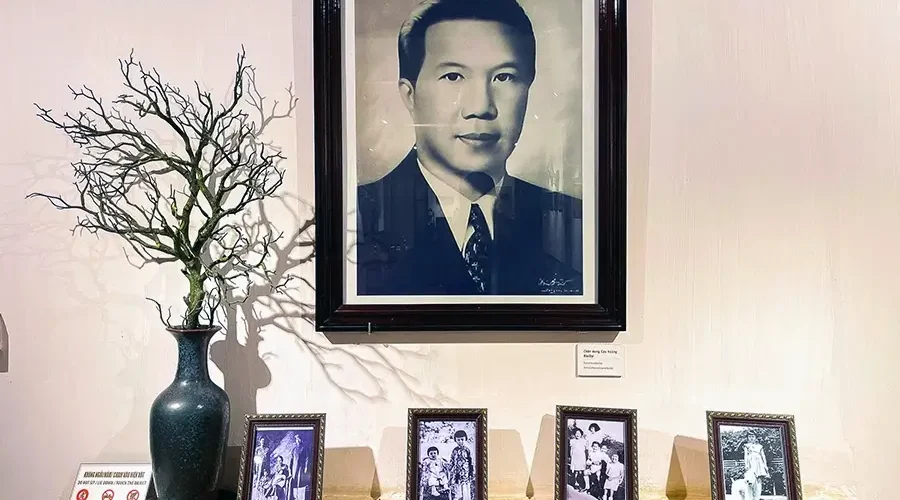
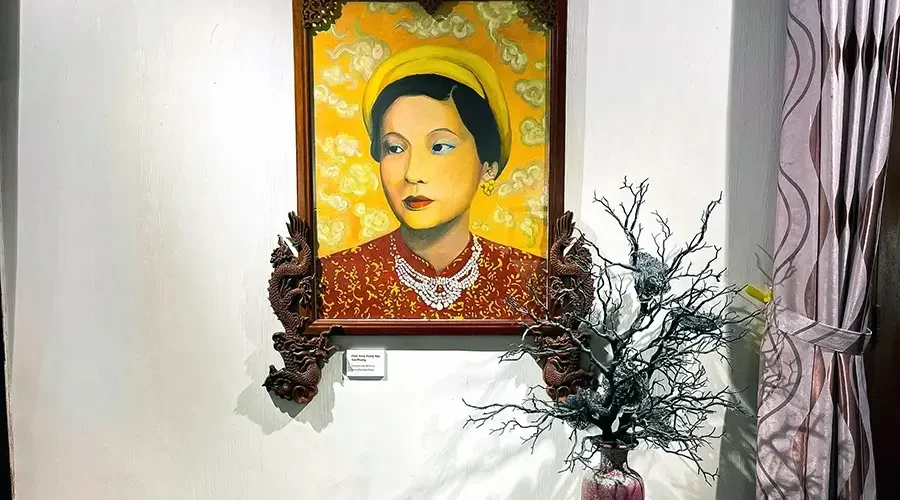
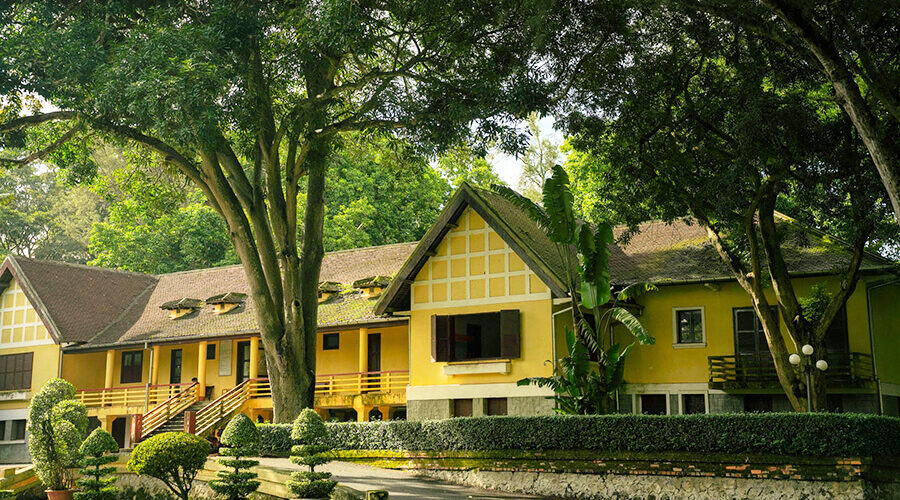


The Bao Dai Palace in Buon Ma Thuot is one of the most historically significant and uniquely architectural landmarks of the Central Highlands. Situated on a gentle hillside amid lush greenery, this building served as a retreat and workplace for Emperor Bao Dai during his visits to the highlands to hunt and relax. More than just a personal residence, the palace clearly reflects the lifestyle, aesthetic taste, and historical context of the late Nguyen Dynasty.
Overview of the Bao Dai Palace in Buon Ma Thuot
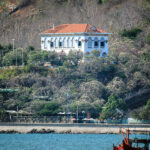
Located in Buon Ma Thuot Ward, the Bao Dai Palace is a unique architectural masterpiece and the only place in this area that still preserves many ancient trees, some over a hundred years old.
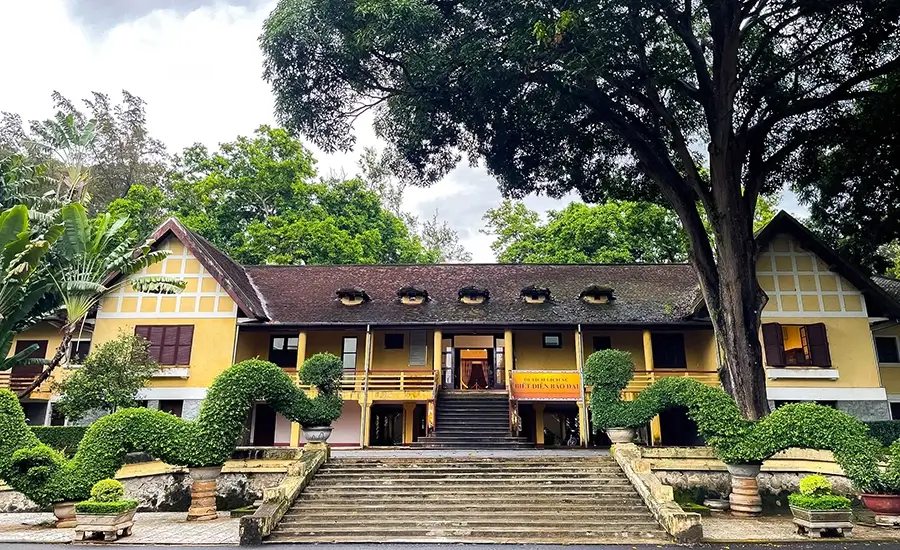
Bao Dai Palace in Buon Ma Thuot
According to various documents, before 1905, this site was the grounds of the Maison Lefévre restaurant. In 1926, it was rebuilt with bricks and lime by Paul Giran, the French Consul in Dak Lak, and completed in 1927. It was named the French Consulate, and locally known as Sang Ae Prong (The Big Boss’s House).
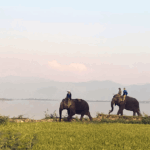
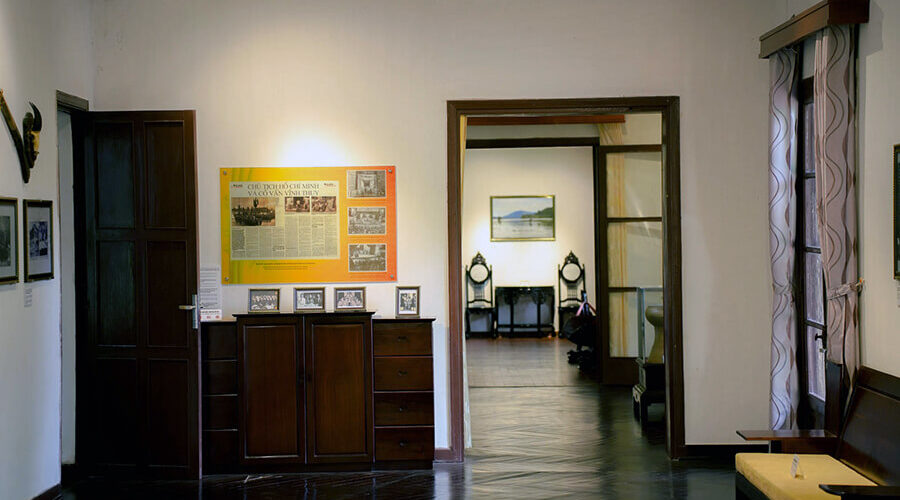
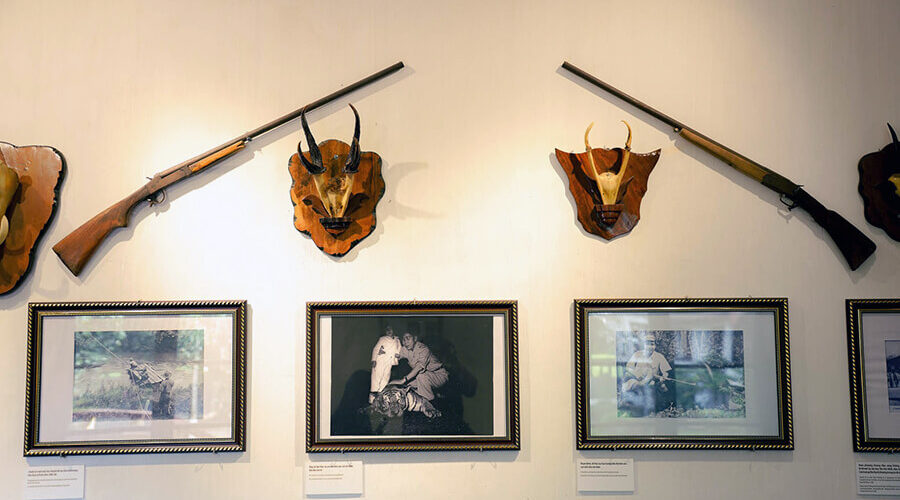
From 1949 to 1954, Emperor Bao Dai, as the Head of State of Vietnam, frequently visited this place to rest, relax, and hunt wild animals at the beginning of the rainy season. Many commemorative paintings depicting his hunting trips are displayed inside the Bao Dai Palace.
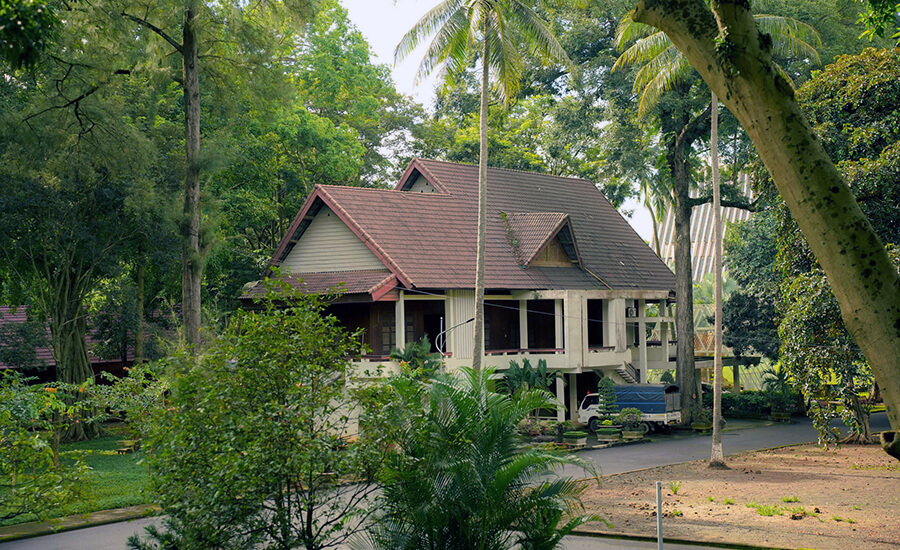
Currently, the Bao Dai Palace historical site is an attractive tourist destination for visitors wishing to learn about the last king of Vietnam, as well as the historical, cultural, and artistic values of the Vietnamese feudal dynasty in Dak Lak.
Unique Architecture of Bao Dai Palace
The Bao Dai Palace was built on a 6.5-hectare plot of land, comprising a residence and an elephant stable for the zookeeper. The residence itself is built on a flat, rectangular plot of land covering over 2,100 square meters.
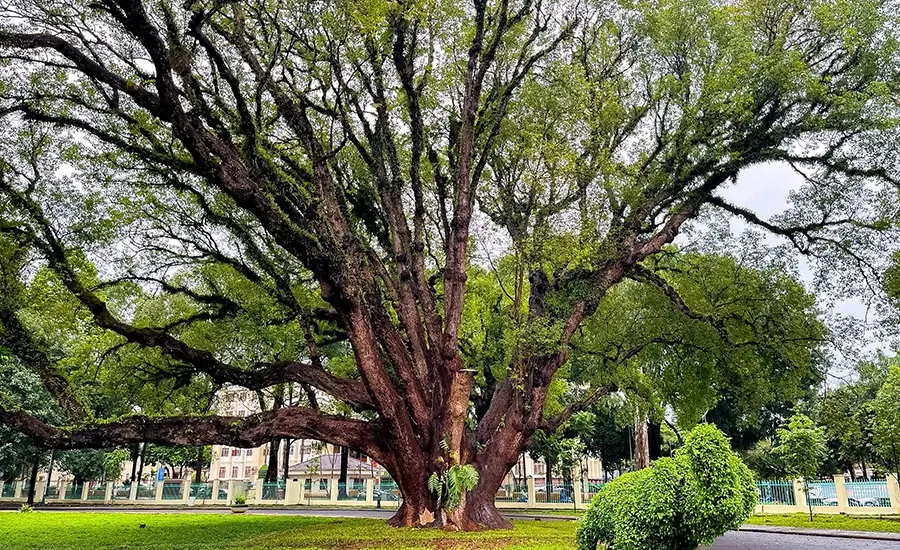
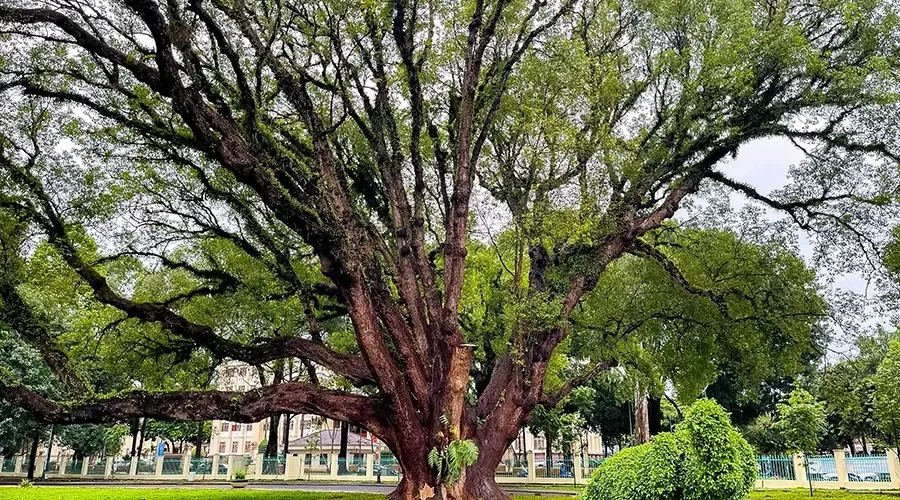
The camphora officinarum in Bao Dai Palace
Within the grounds of the Bao Dai Palace are many ancient trees, most notably a camphora officinarum located to the right of the palace entrance, planted in 1930. In 2014, this Camphora officinarum was designated a Vietnamese Heritage Tree. The tree is nearly 30 meters tall with a trunk diameter of approximately 2.5 meters. Its lush green shade and beautiful appearance make it particularly beloved by both domestic and international tourists.
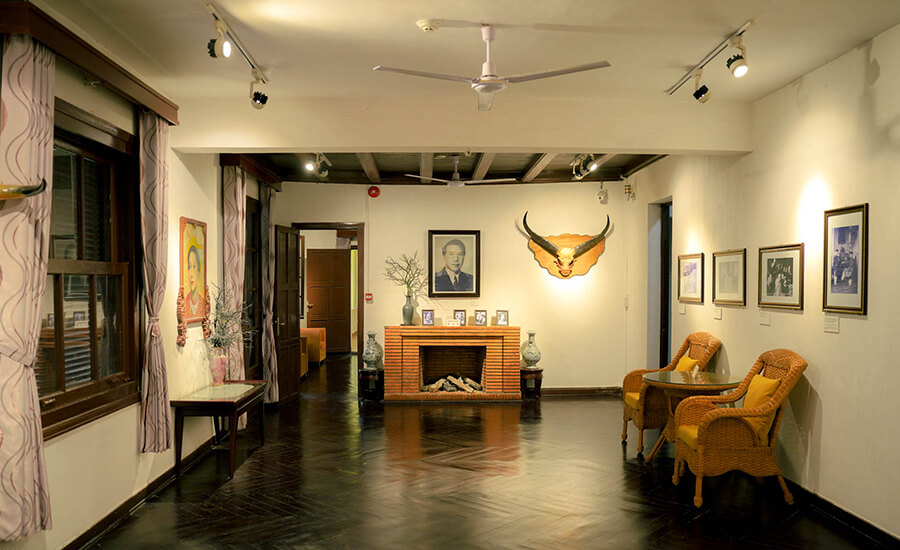
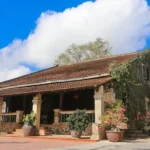
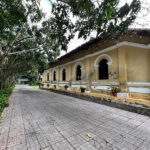
With its wide horizontal footprint, the palace’s architecture resembles the traditional longhouse of the Ede ethnic group, featuring a wooden floor and pointed roof. However, with its walls and pillars built of concrete and painted a vibrant yellow, harmoniously combined with the simple, rustic architecture of the traditional longhouse, the classic charm of the Central Highlands mountains and forests, and the modern sophistication of contemporary European architecture.
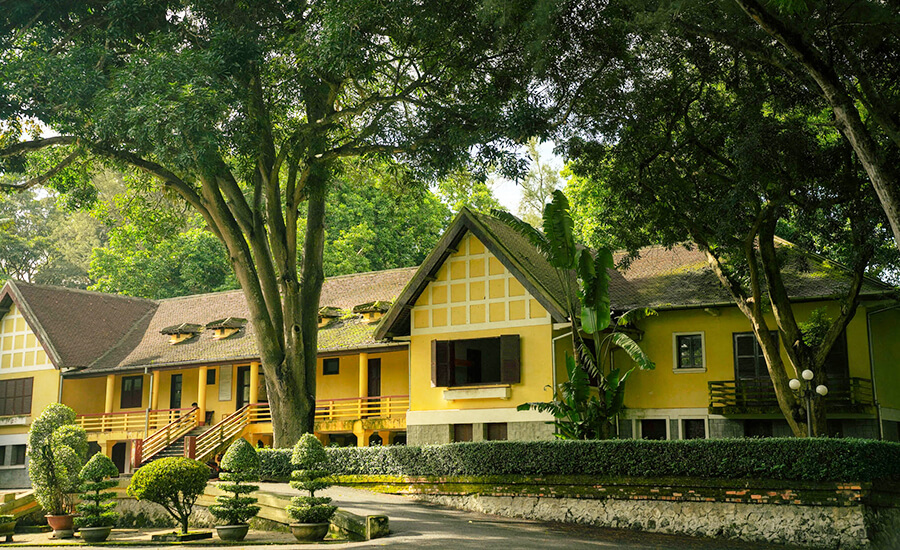
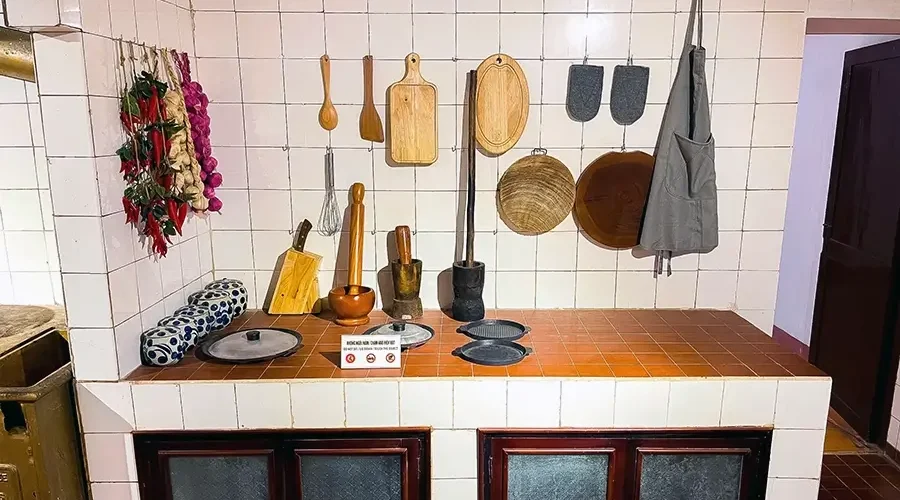
It has created a unique and impressive palace. Furthermore, the palace of Emperor Bao Dai preserves many images and tools of the Ede people, such as rice wine jars, mortars and pestles, and baskets, creating a space that blends traditional and modern culture.
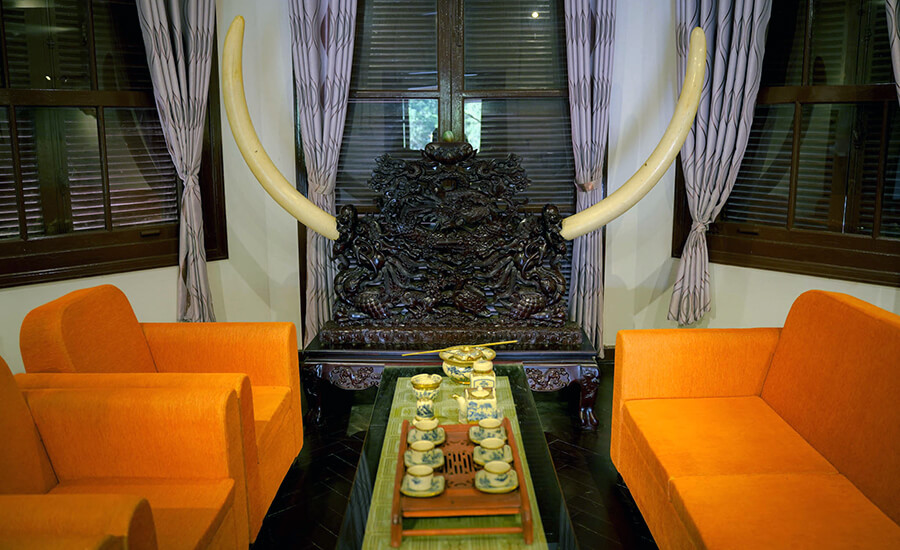
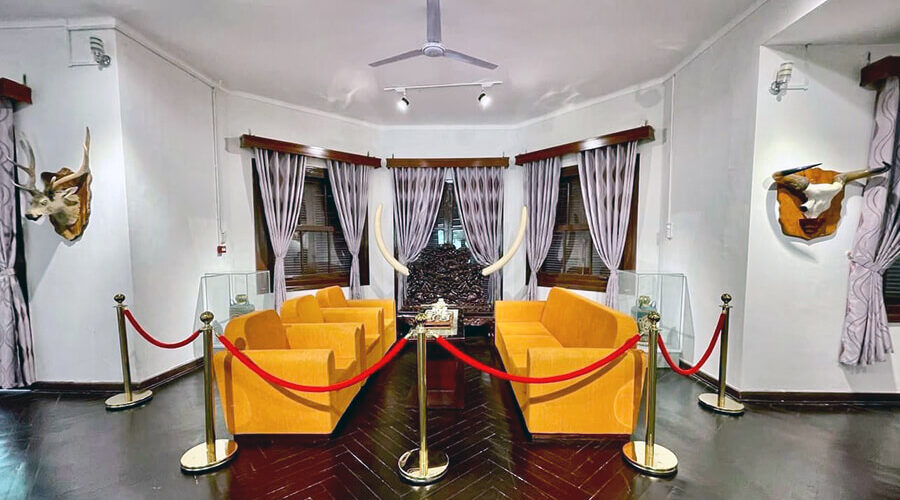
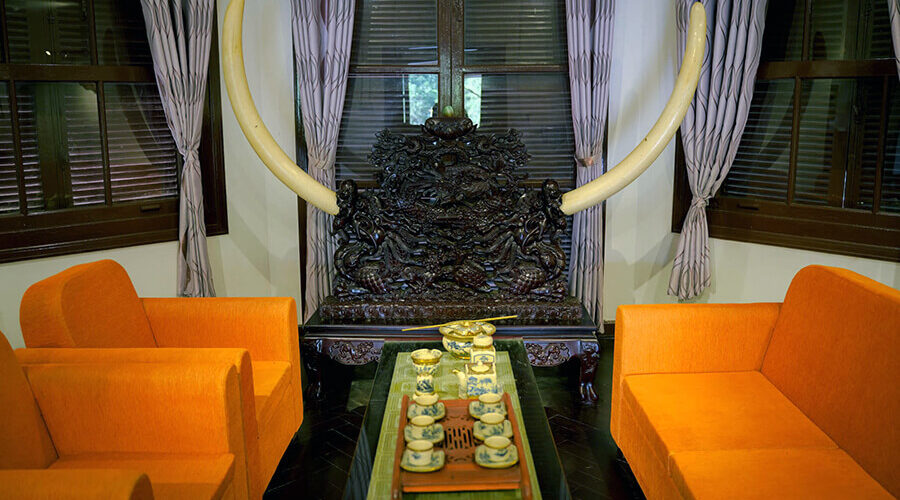
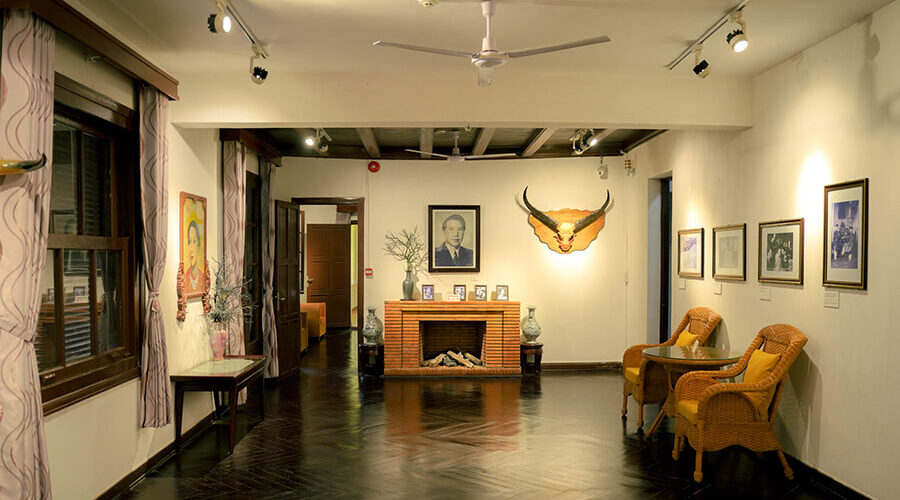
The living room in Bao Dai Palace.
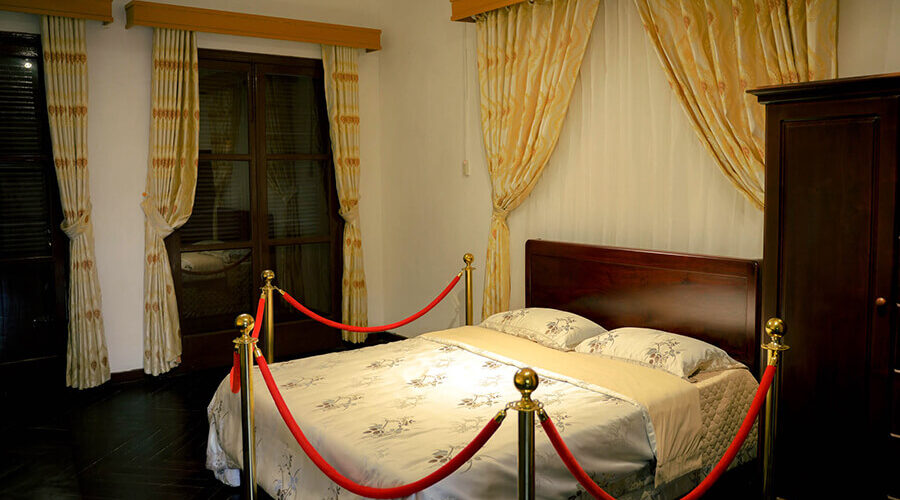
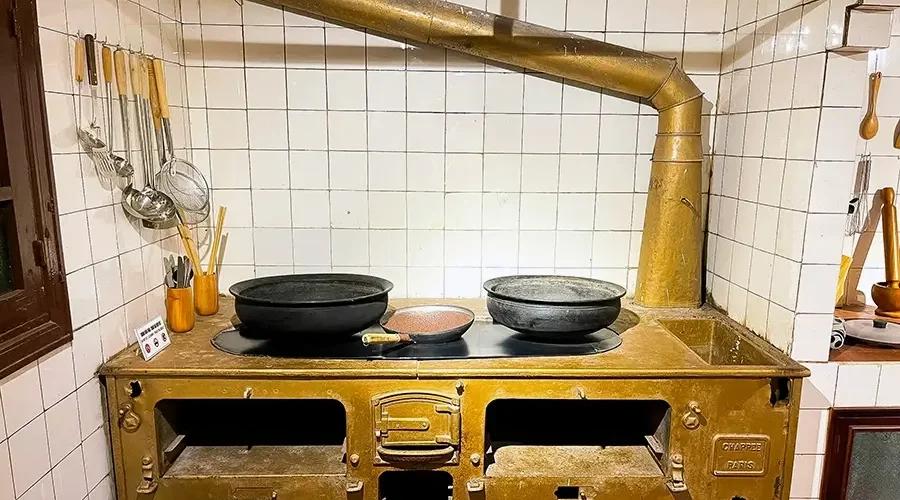
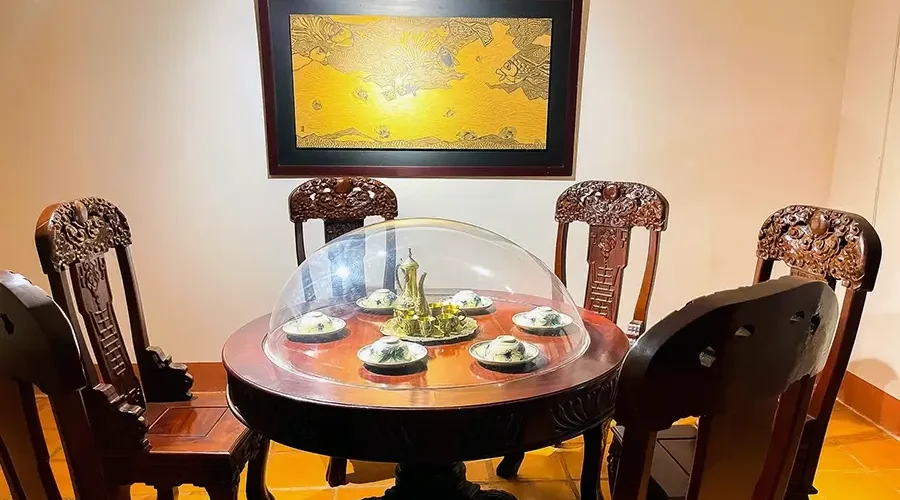
The building is designed in a modern architectural style, consisting of two floors: the upper floor houses living quarters, bedrooms, meeting rooms, and reception rooms; the lower floor contains a kitchen area with a smoke extraction system and a modern dining table.
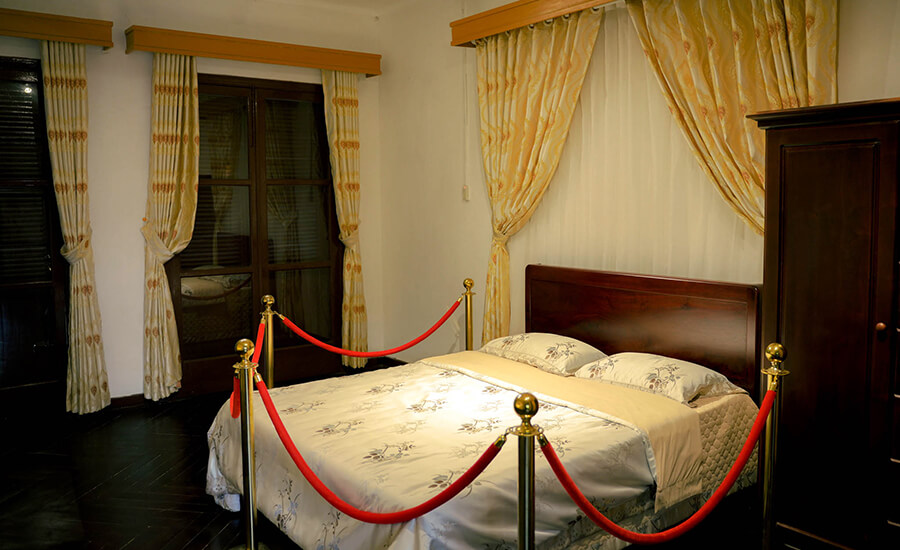
bed room
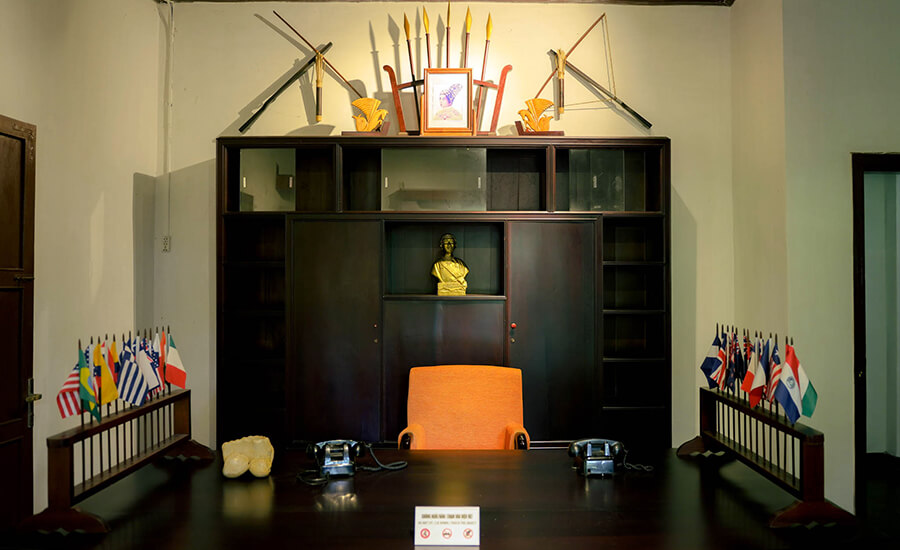
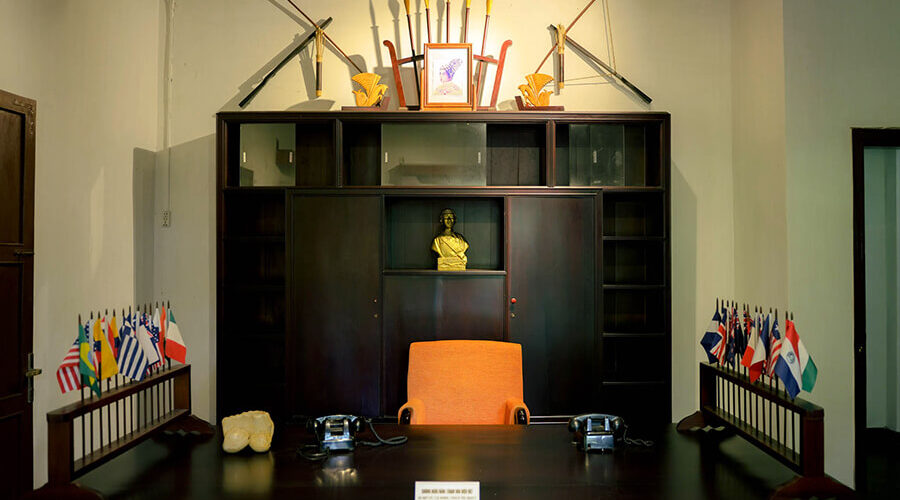
Emperor Bao Dai’s desk.
The Bao Dai Palace is not only a place that preserves historical and cultural values but also a must-see destination for tourists visiting Buon Ma Thuot, especially those who appreciate ancient, nostalgic beauty.
Useful information about Bao Dai Palace
- Location: 02 Y Ngong, Buon Ma Thuot Ward, Dak Lak Province.
- Best for: solo, family, and student.
- Entrance: 10.000 VND/1person
- Tourist spots nearby: Lak Lake,
Source: collected by An
Follow us for the best deals on Vietnam package tours and visa services!