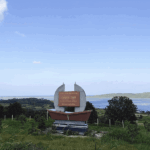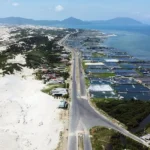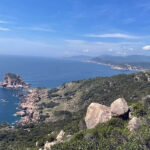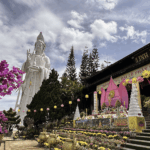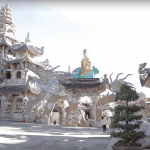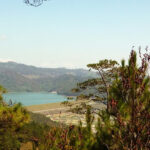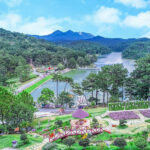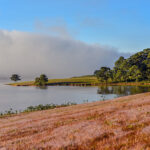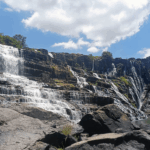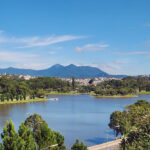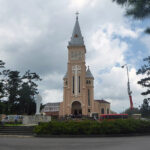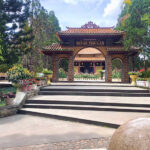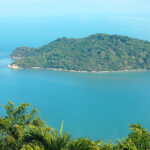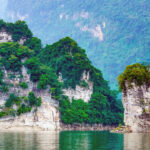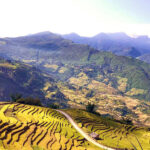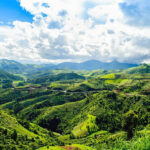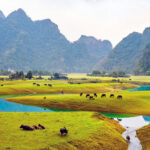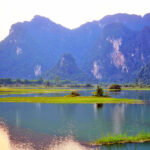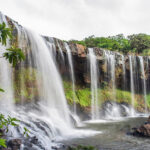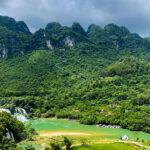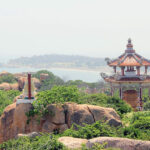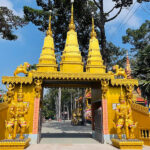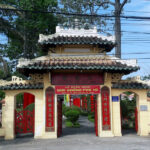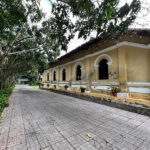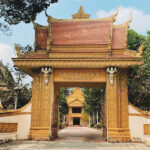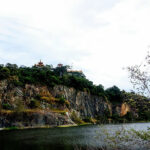
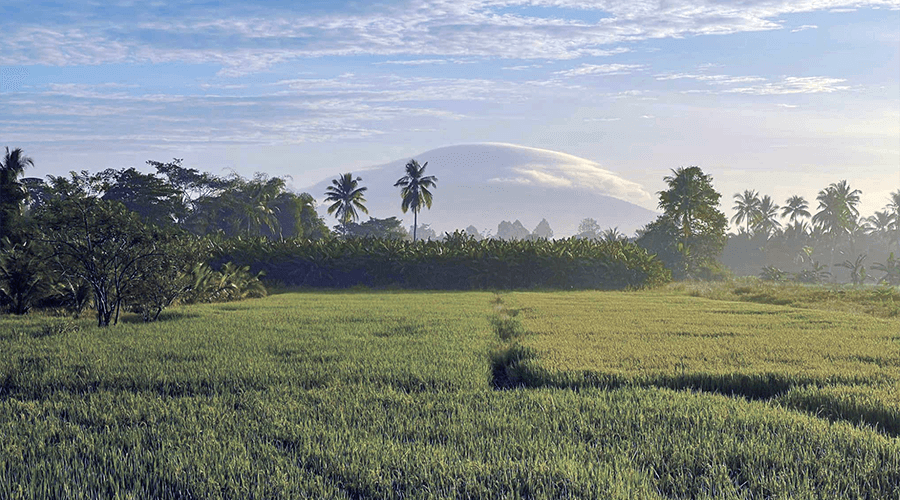
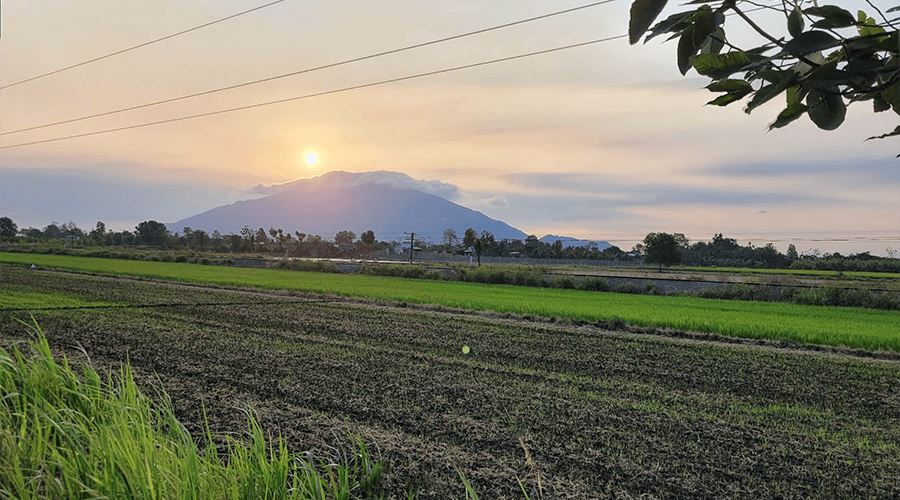
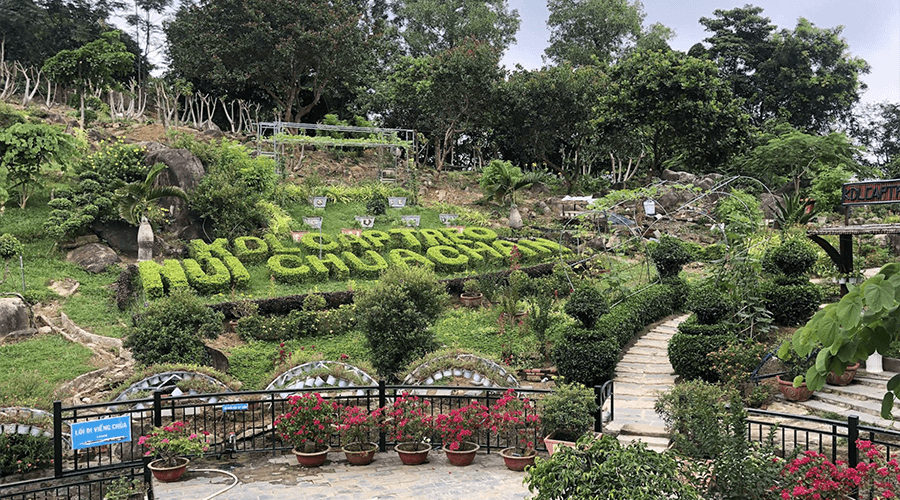
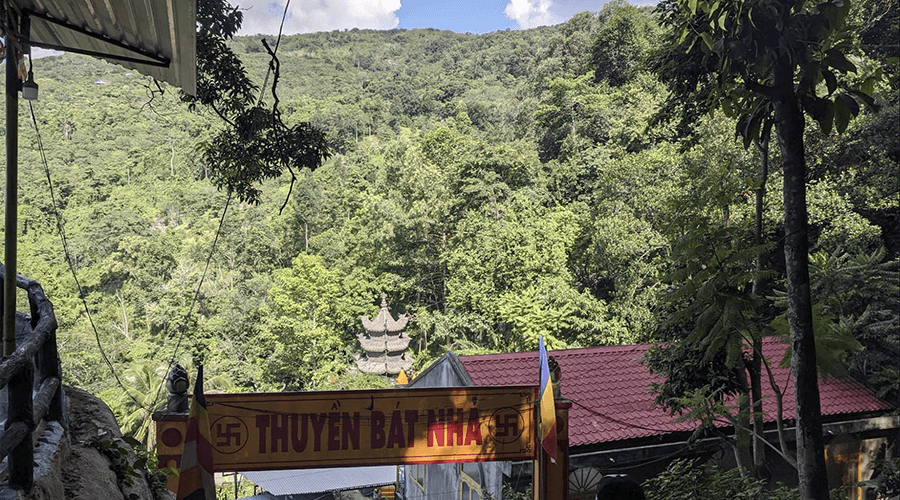


Chua Chan Mountain is the second-highest mountain in the Southeast region, featuring cliffs and a diverse ecosystem. Because it is not far from Ho Chi Minh City, this place is often chosen by young people who love traveling and want to explore.
Overview of Chua Chan Mountain
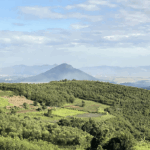
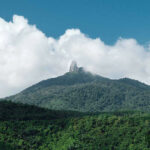
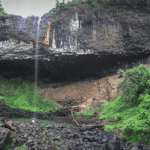
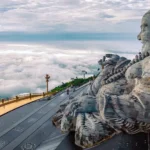
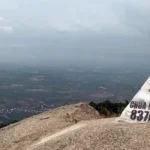
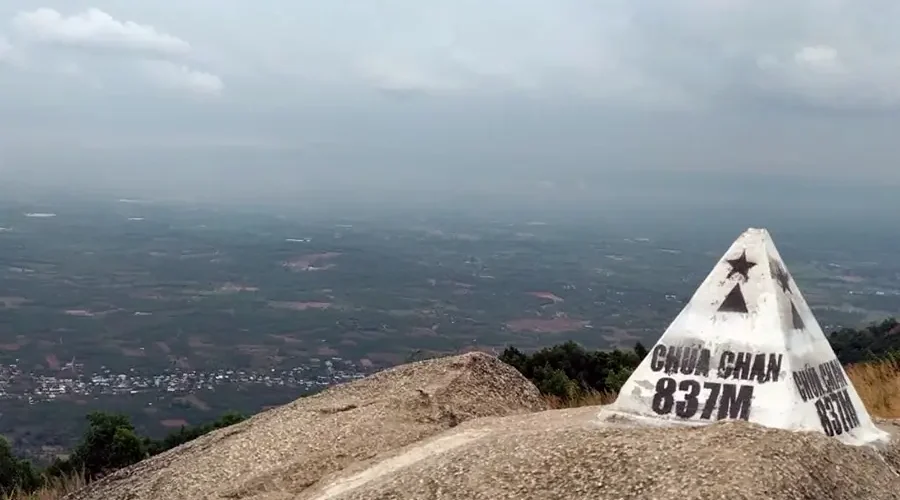
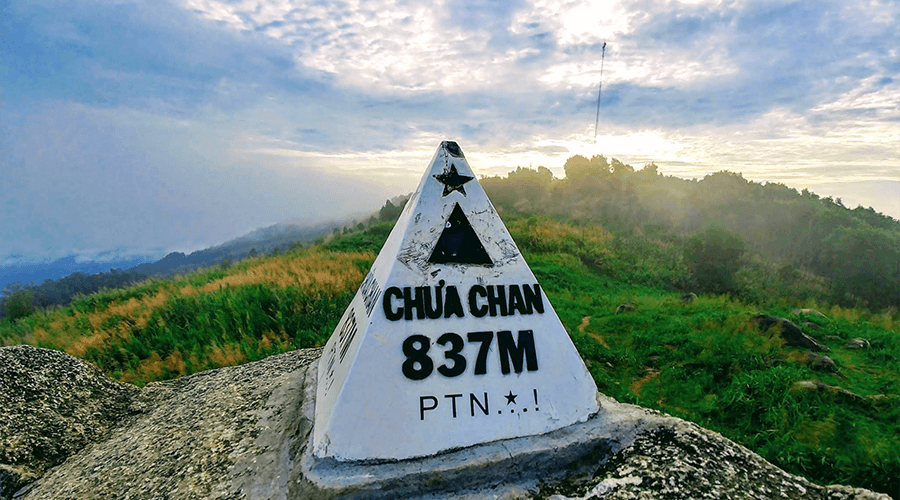
About 100 km from Saigon, along Highway 1A toward Dong Nai, Chua Chan Mountain is also known as Gia Ray Mountain or Gia Lao Mountain, located in Xuan Loc Commune, Dong Nai Province. This is the second-highest mountain in the South (after Ba Den Mountain in Tay Ninh), with an elevation of 837 m above sea level. Chua Chan Mountain has a majestic landscape and is considered the headland of Dong Nai province, the origin of many streams (Gia Ui Stream flowing to the east, Gia Mien Stream flowing to the west, Gia Lieu Stream flowing to the south, and Gia Lao Stream flowing to the north) with fresh, cool water all year round.
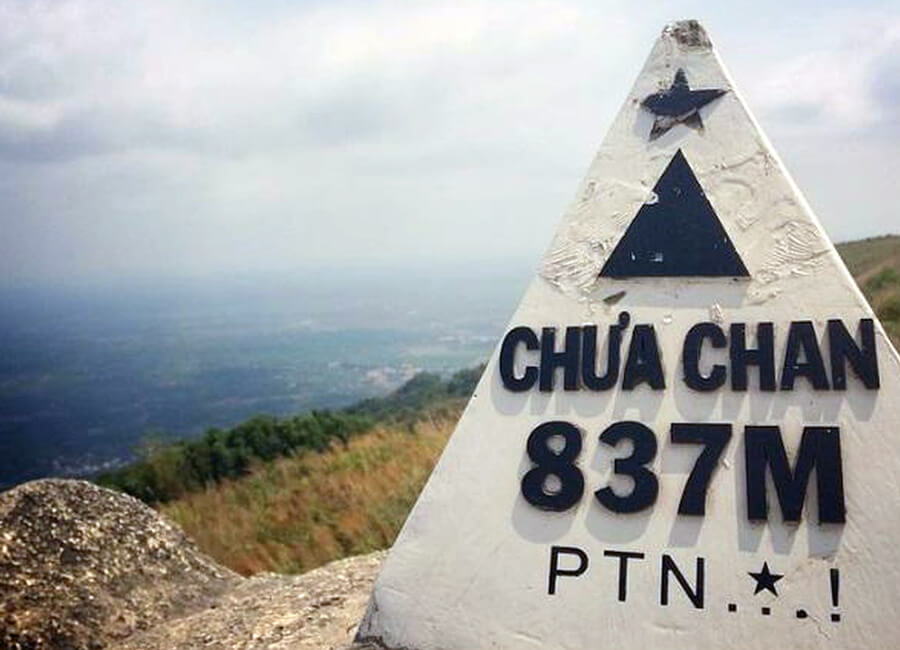
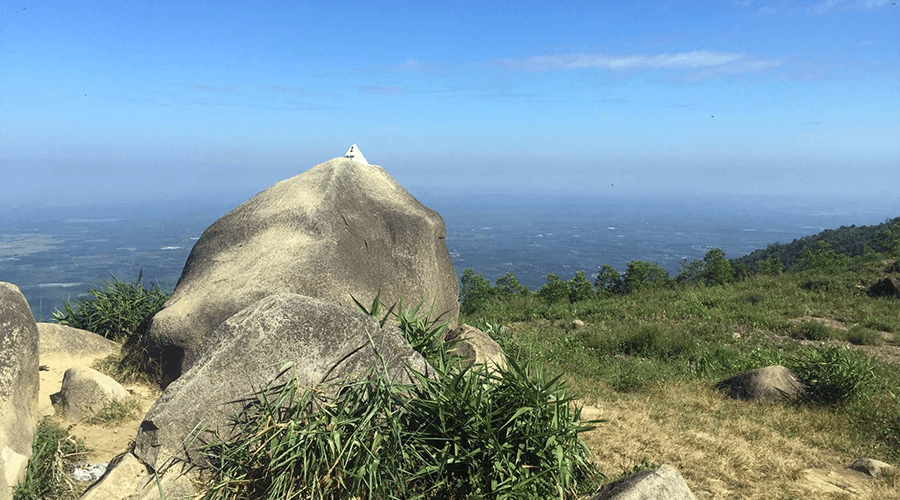
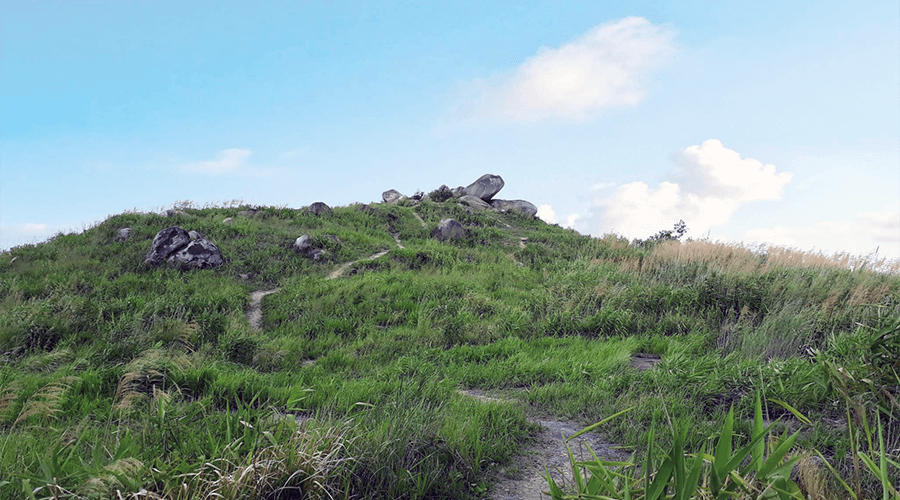
The peak of Chua Chan Mountain
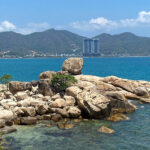
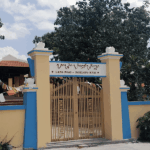
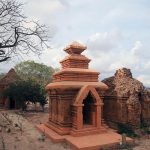
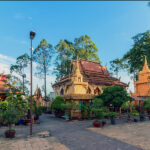
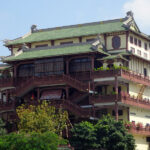
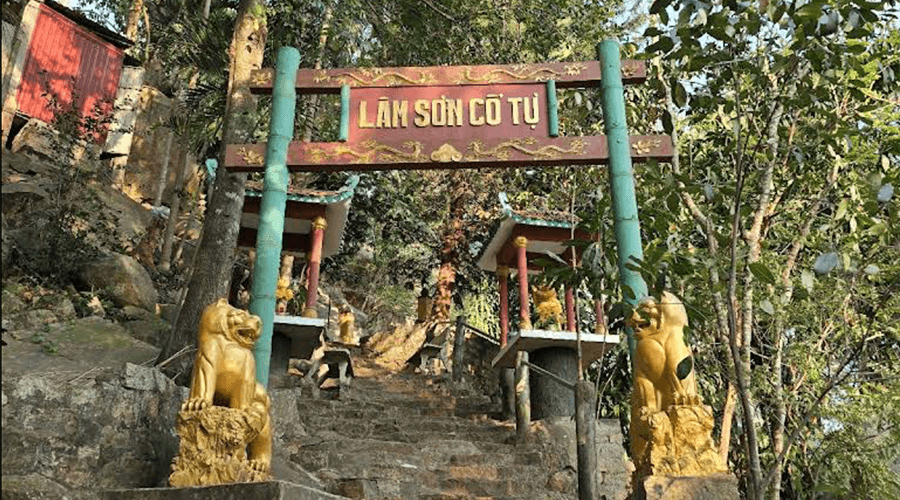
Chua Chan Mountain has been ranked a national scenic relic by the Ministry of Culture, Sports and Tourism. On the mountain, there is the Ham Hinh secret area and the guesthouse of the French governor, Buu Quang Pagoda, Lam Son Pagoda, Linh Son Pagoda… The climate is cool, and nature is gentle with rich flora and fauna. With local efforts, Chua Chan Mountain will become a destination worth visiting, particularly in Dong Nai and across the Southeast region.
What’s the best time to visit Chua Chan Mountain?
From October to April next year is considered the best time to conquer Chua Chan Mountain. During this period, the weather in Dong Nai is typically stable, with little rainfall. This ensures you can enjoy your trip without the risks of bad weather or flooding.
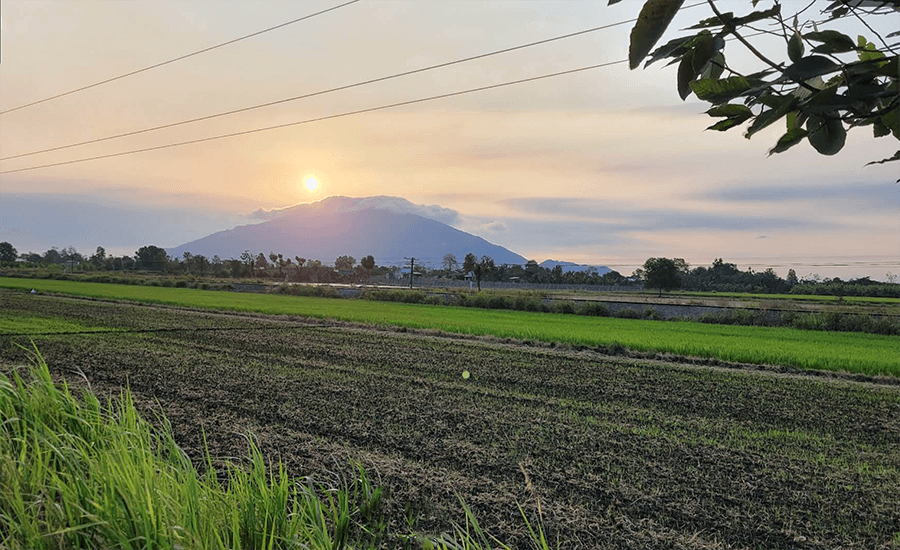
Streams and rivers on Chua Chan Mountain also maintain a steady flow during this period, providing scenic views during exploration.
How to go to Chua Chan Mountain from Ho Chi Minh City?
• By personal vehicle: with a distance of 100 km, you can travel from Saigon to Chua Chan mountain along National Highway 1A to the Southeast, passing through Dong Nai province, then continue on Highway 20 to reach Chua Chan mountain.
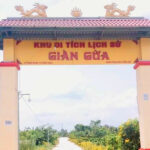
• By bus: from Mien Dong (Western) bus station in Ho Chi Minh City, you can go to Chua Chan Mountain by bus routes to Binh Thuan or Duc Linh and get off at the welcome gate of Chua Chan Mountain tourist area. Additionally, you can also book a private car to Chua Chan Mountain to save time and be more flexible during the travel process.
Things to do in Chua Chan Mountain
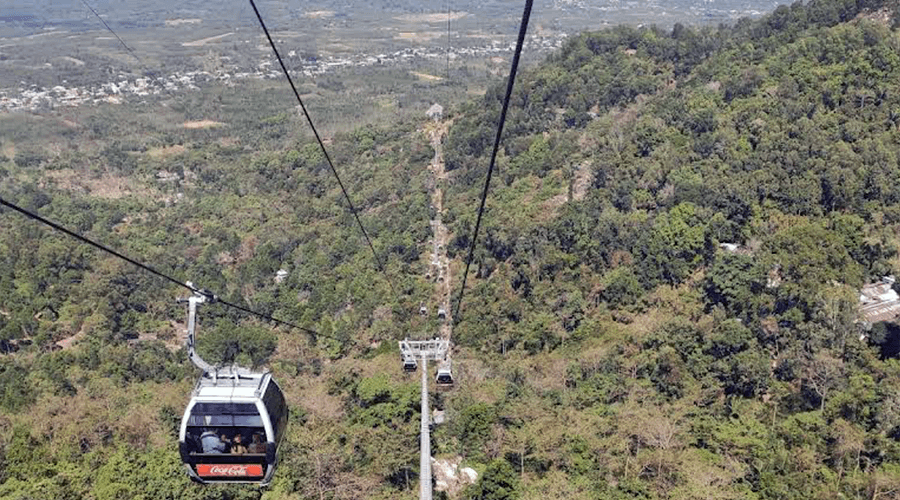
Conquer Mount Chua Chan by Cable Car
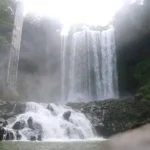
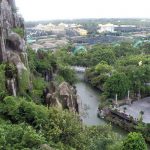
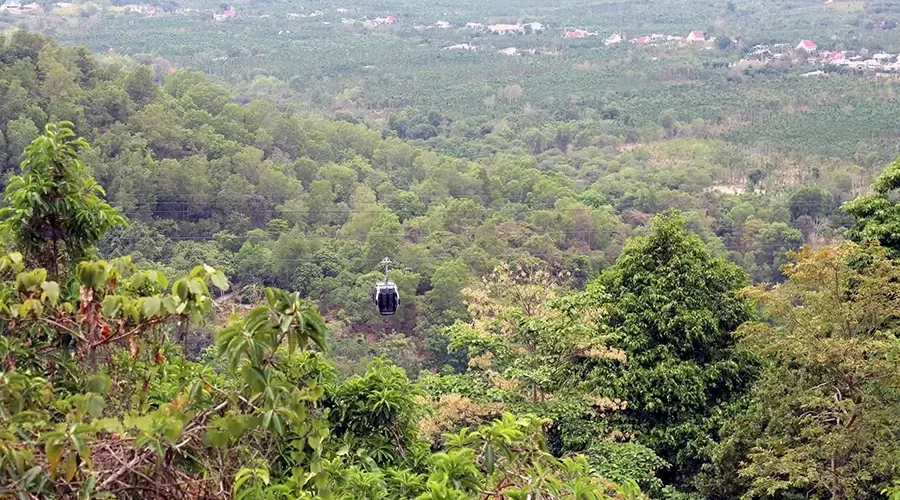
Operational since early 2016, the cable car system at Chua Chan Mountain offers a convenient, efficient way to reach the summit. At high altitude and with an open view, you will admire the majestic, green natural scenery of the Dong Nai mountain forests. The journey on the cable car takes you past cliffs and vast, interwoven forests. Cool streams and small waterfalls, full of life, will captivate you with the natural beauty of the mountains and forests.
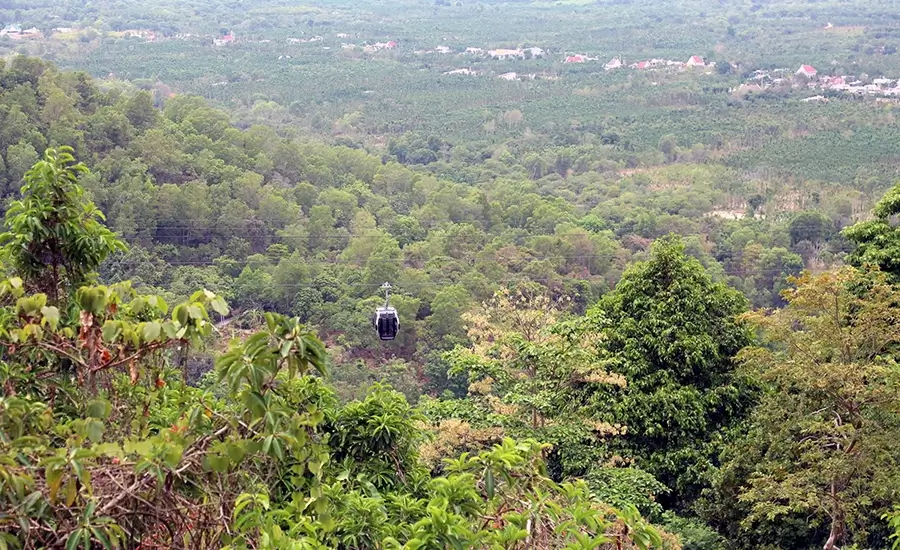
The operating hours of the Chua Chan mountain cable car are as follows:
- From Monday to Thursday: operating from 06:00 to 17:00;
- Fridays, Saturdays, Sundays; Day 14, 15, 30; the 1st day of the lunar calendar; holidays and New Year; January of the lunar calendar: active all day.
Mountain trekking
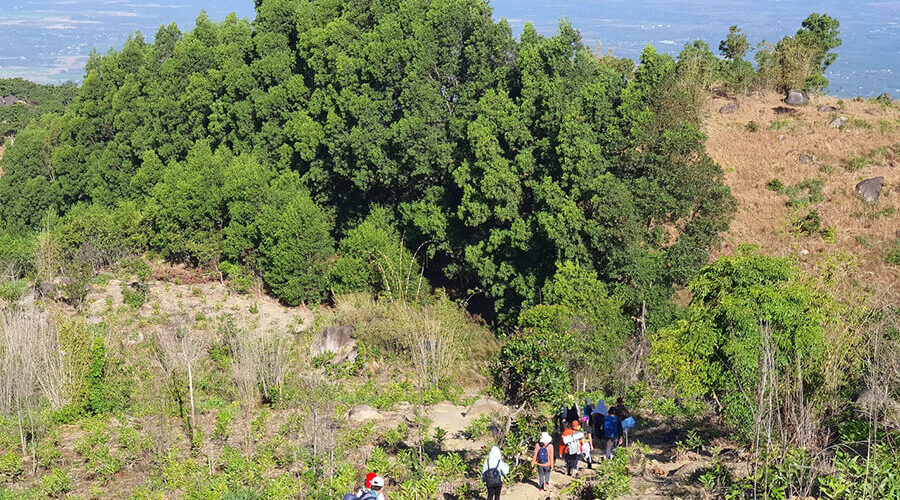
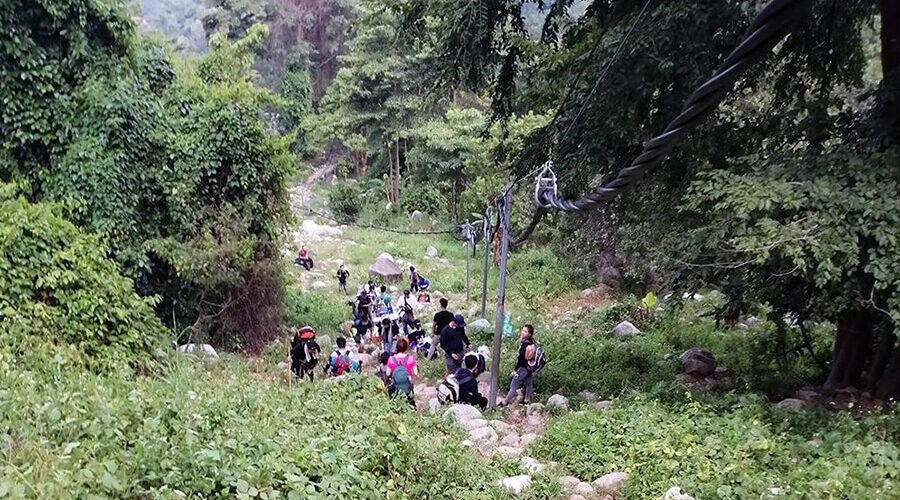
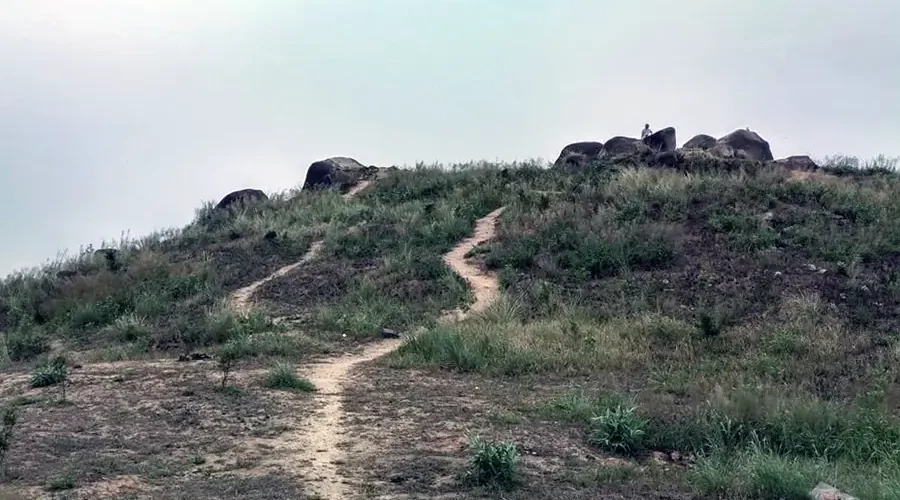
There are many ways to trek this mountain, such as heading toward the pagoda. However, based on backpackers’ experience climbing Gia Lao Mountain, it is easier to follow the electric pole path to the top. This is a relatively easy route and suitable for even beginner climbers. The electric pole road has 125 electric poles, numbered from 20. Following this route, you will climb to pole number 145 to reach the top of the mountain. Normal climbing time takes about 3-4 hours, depending on each person’s health and walking speed.
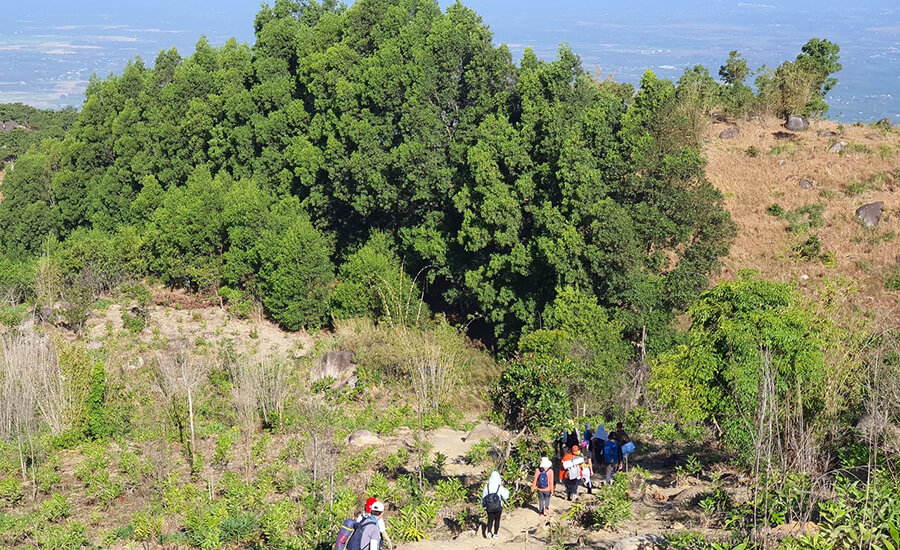
On the climbing path, you will admire the beautiful natural landscape of Dong Nai mountain forests. The route passes by lined electric poles, creating a distinctive and appealing scene. You can enjoy the lush green landscape and breathe fresh air as you climb each level.
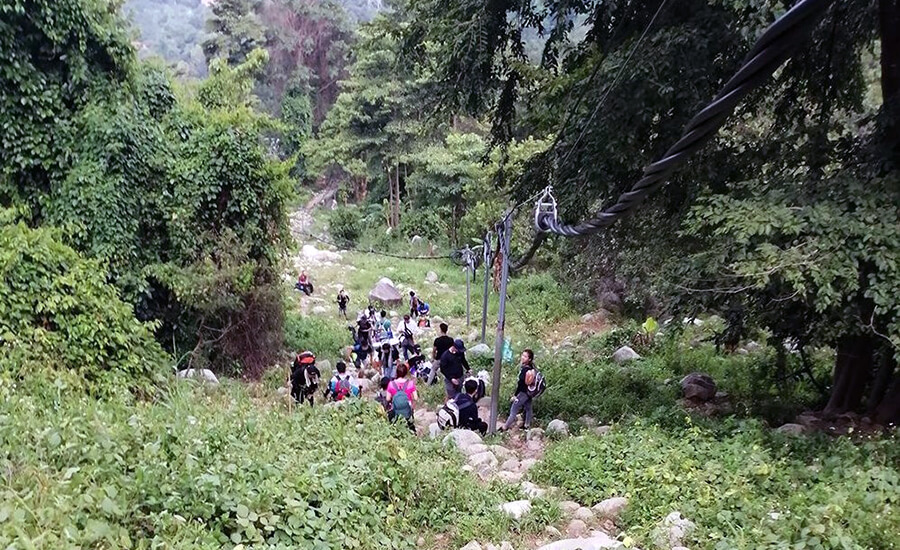
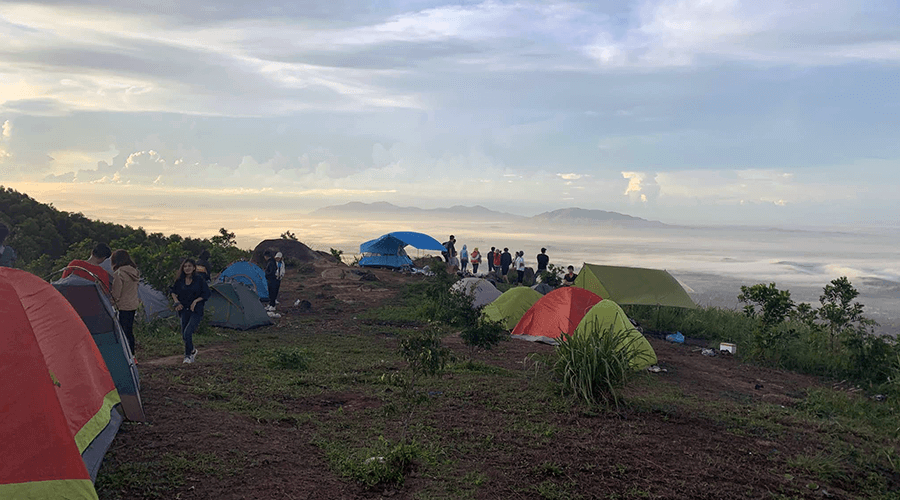
In particular, on the electric pole road, there are two notable places to rest or camp. Columns 135 and 144 have large grounds, convenient for camping and relaxing. This is the ideal place to enjoy the natural surroundings, immerse yourself in a peaceful environment, and take in the surrounding landscape.
Camping in the mountain
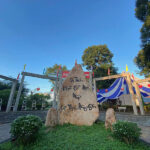
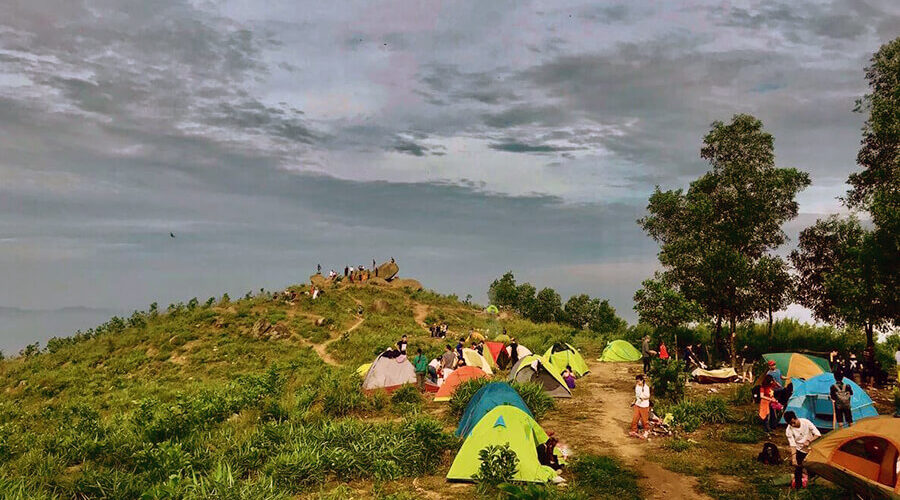
With natural space and fresh air, Chua Chan Mountain is an ideal location for camping. There are many areas on the mountain where you can choose to camp. Recommended locations are near poles 135 and 144 on the power pole road. These are large, convenient plots of land for setting up tents.
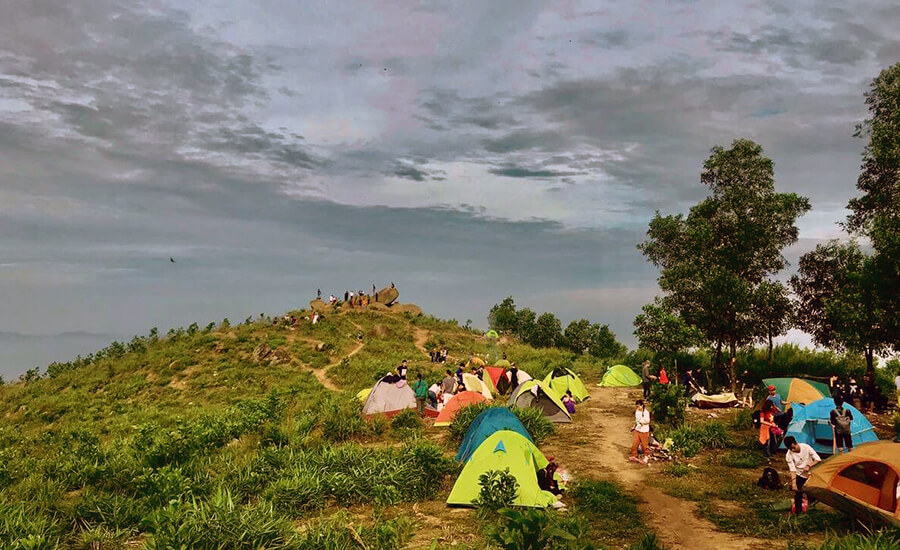
When camping at Chua Chan Mountain, you will have the opportunity to enjoy a peaceful and relaxing space in nature. At night, you can gaze at the starry sky, sit around the campfire, and enjoy a picnic. This is also an opportunity to connect with friends and family, share stories, and enjoy outdoor games.
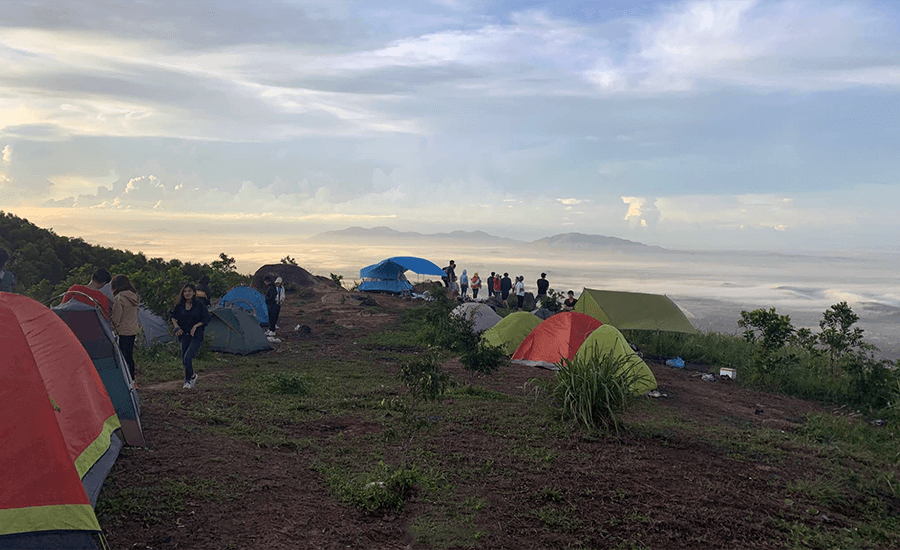
Before camping, ensure you have prepared all necessary equipment, including tents, sleeping bags, flashlights, cooking utensils, and personal necessities. Additionally, follow the resort’s safety regulations and guidelines to ensure a safe and environmentally friendly camping experience.
Visit Gia Lao Pagoda
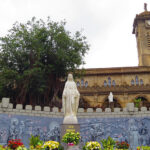
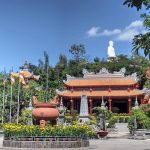
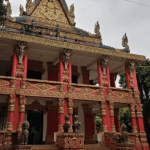
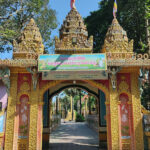
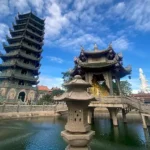
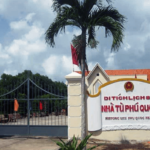
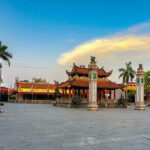
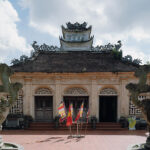
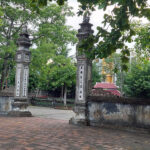
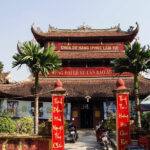
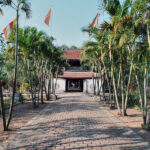
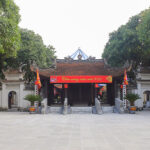
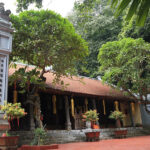
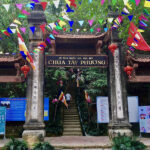
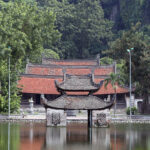
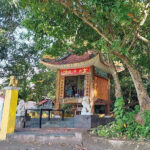
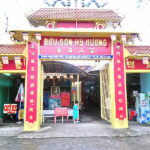
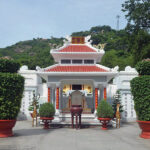
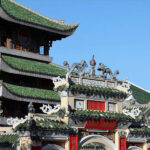
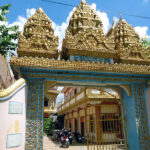
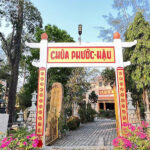
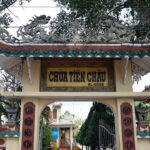
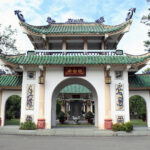
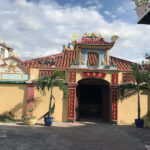
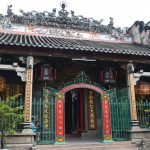
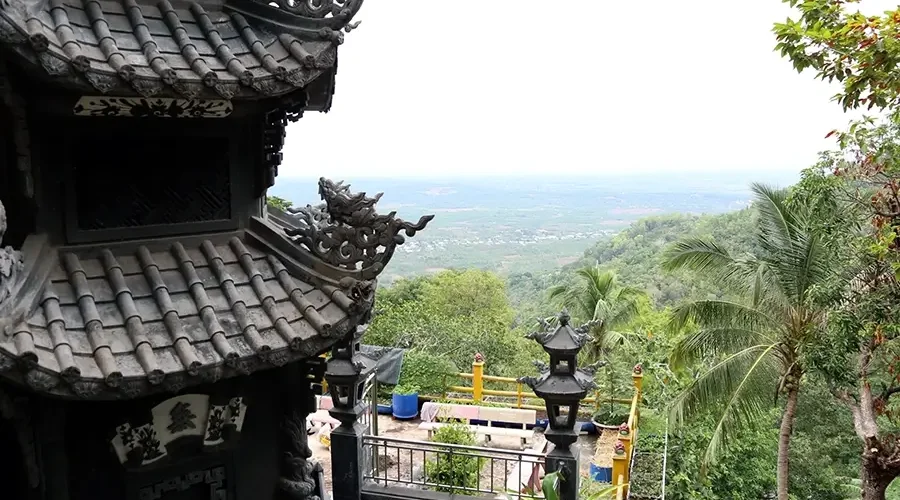
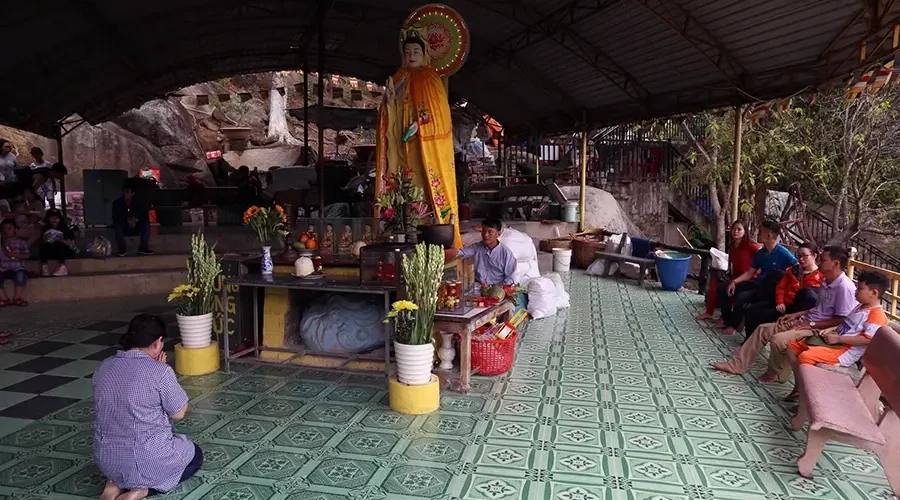
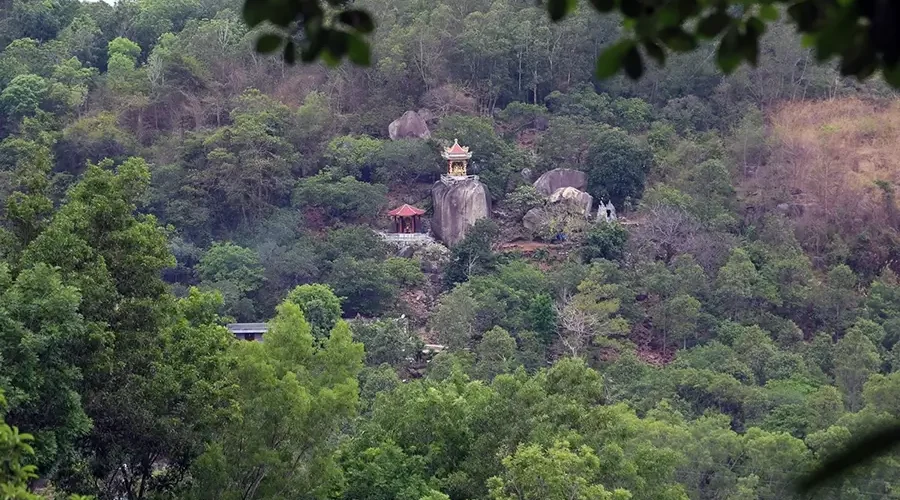
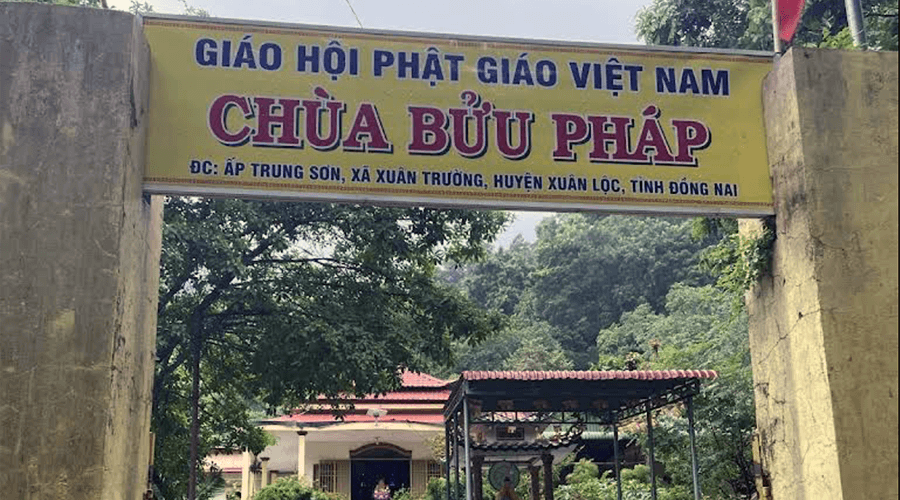
In particular, when visiting Chua Chan Mountain, visitors can also visit Buu Quang Pagoda (also known as Gia Lao Pagoda), located halfway up the mountain in the relic cluster. This is the most famous and sacred pagoda, built on the natural terrain of the mountains and forests.
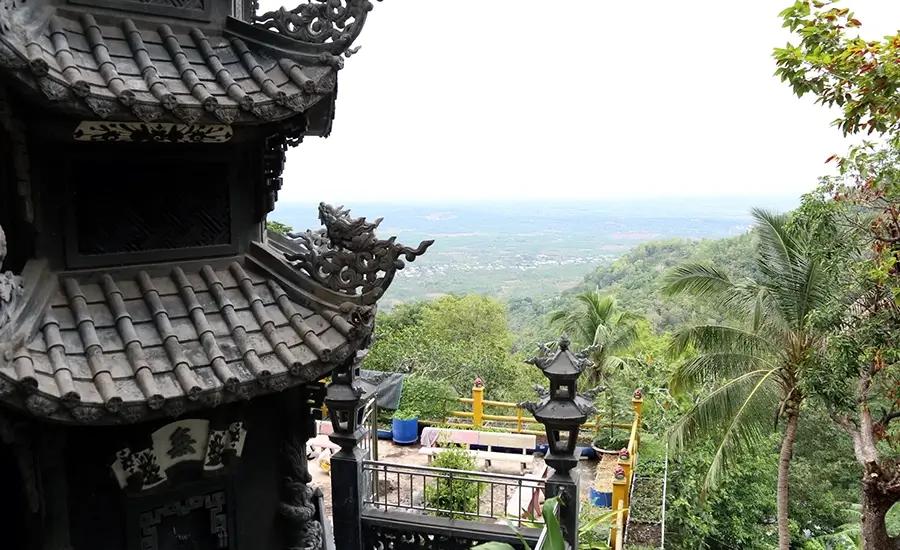
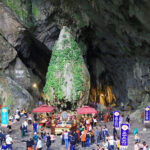
In front is a 3-rooted tree about 30m high, with three bunched roots that form a distinctive, mysterious shape. People often call this the banyan tree, with 3 roots and 1 top, and it is associated with mystical stories. It is considered a sacred place, attracting many tourists who pray for peace, fortune, and prosperity.
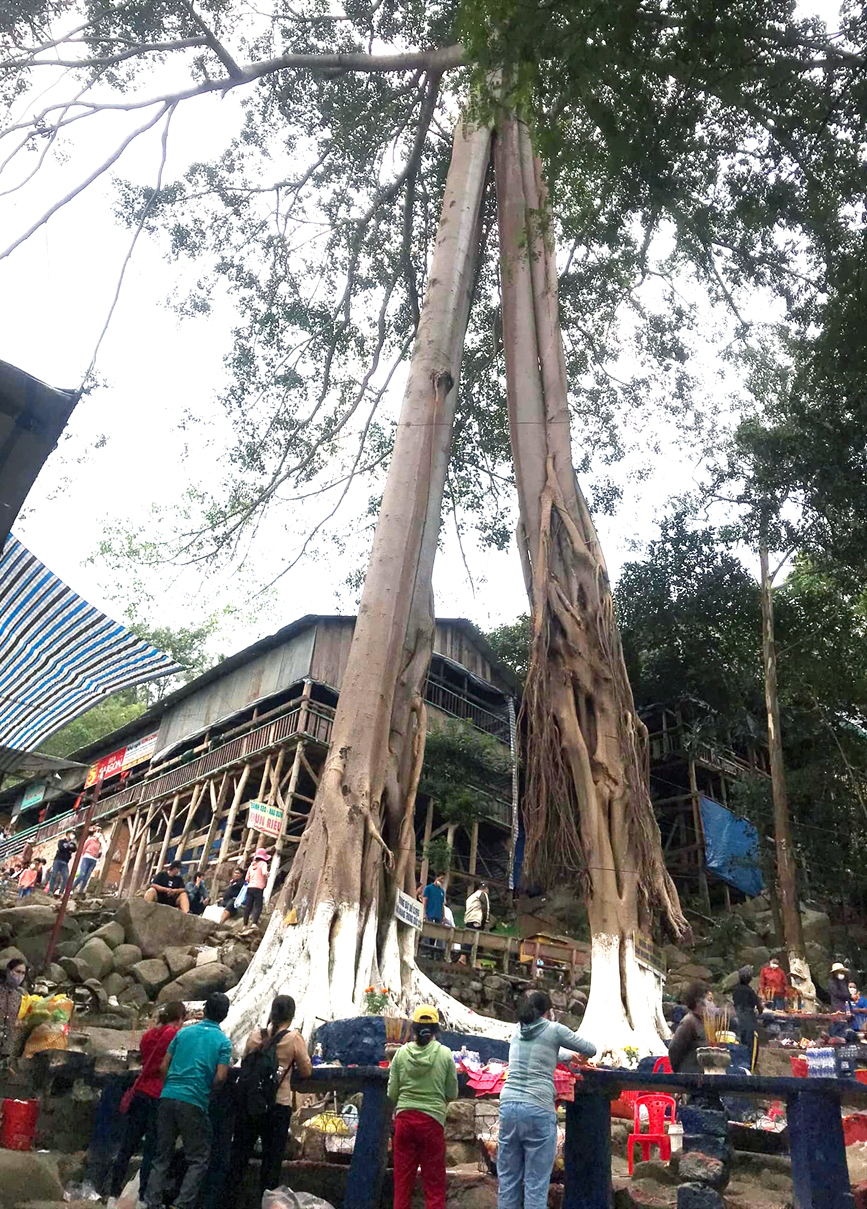
Famous 3-root banyan tree on the way up the mountain
In addition to Gia Lao Pagoda, Chua Chan Mountain also has other spiritual works such as Lam Son Pagoda, Linh Son Pagoda, and a banyan tree with three roots and one top – a sacred symbol associated with many mysterious legends.
Source: collected by An
Follow us for the best deals on Vietnam package tours and visa services!