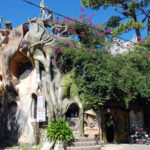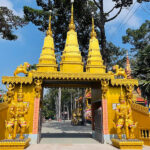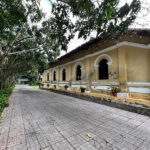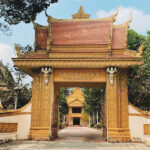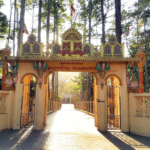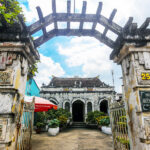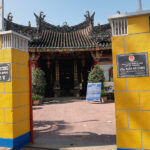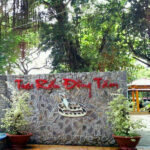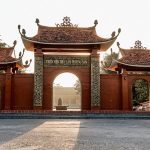
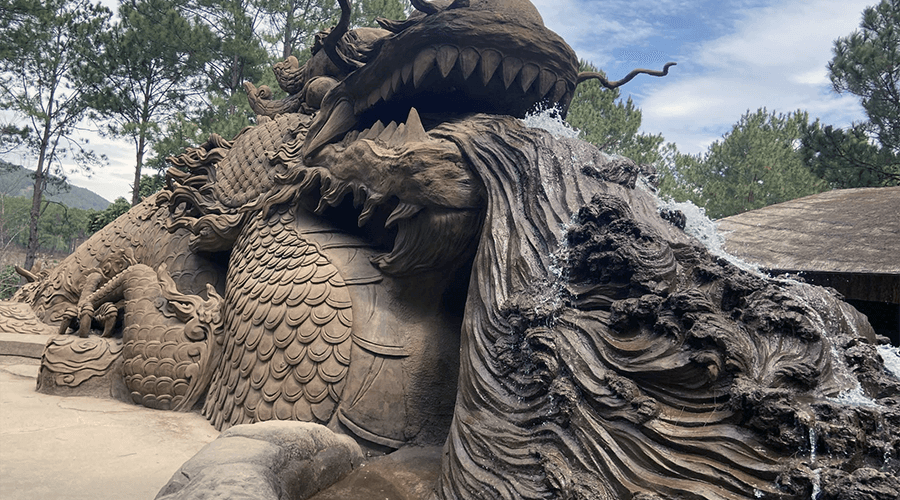
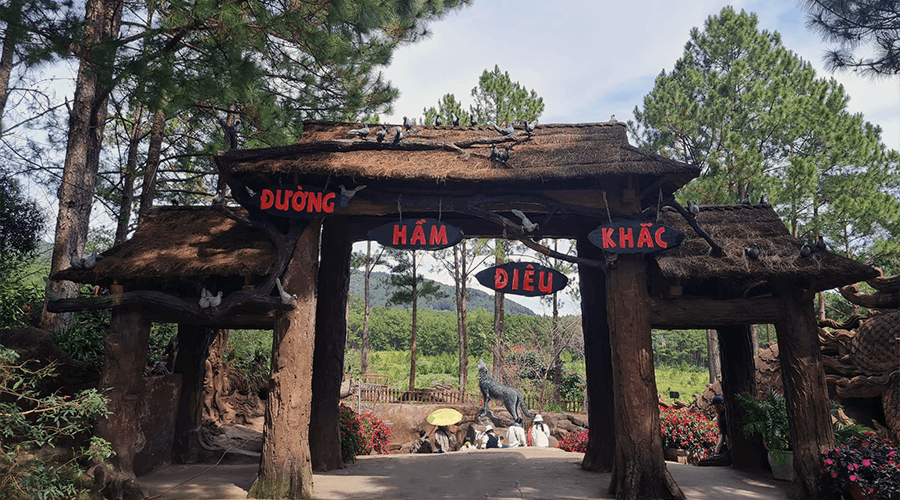
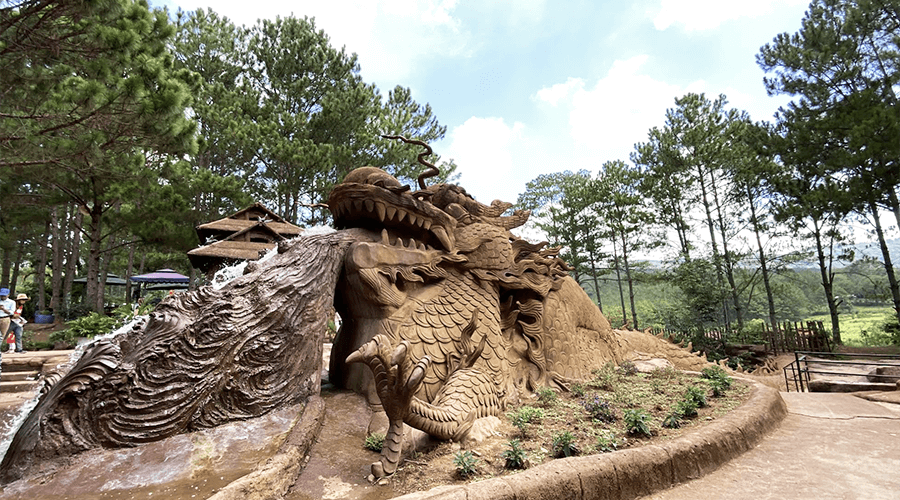
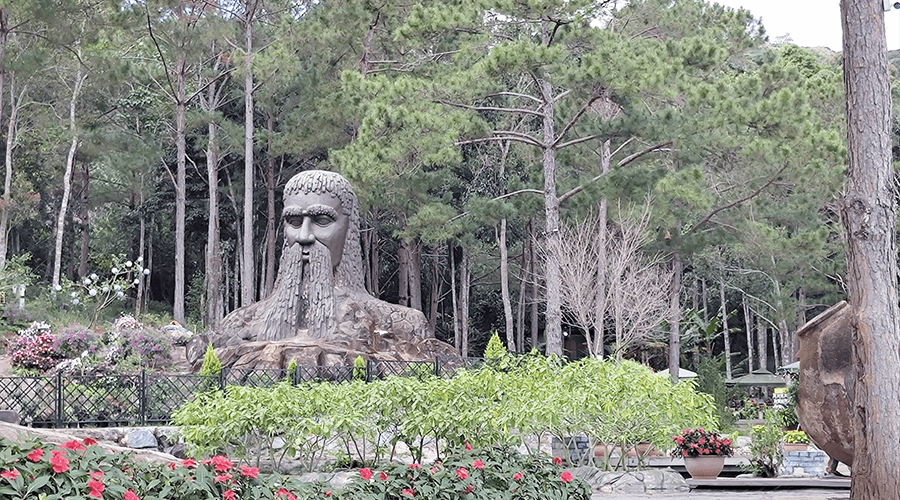
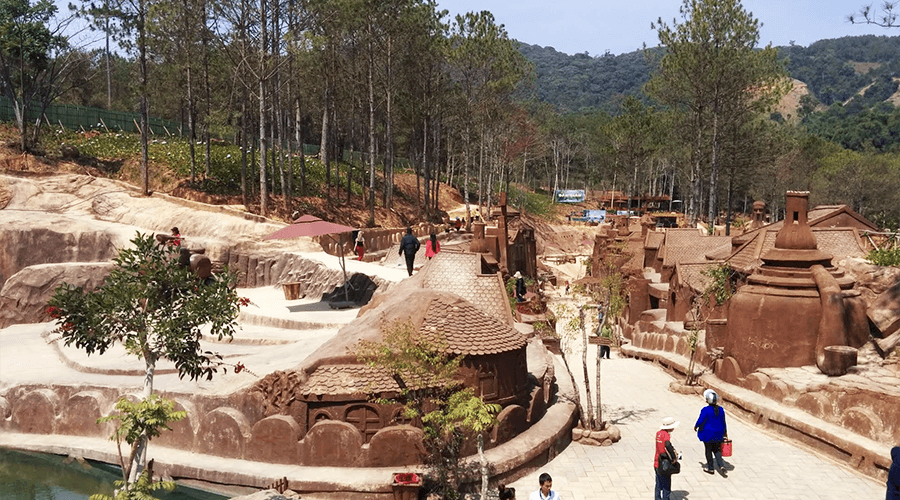
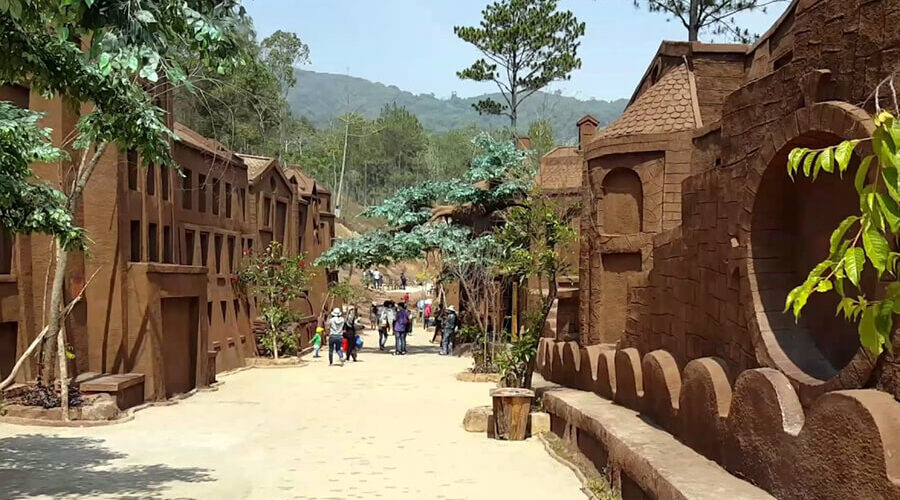
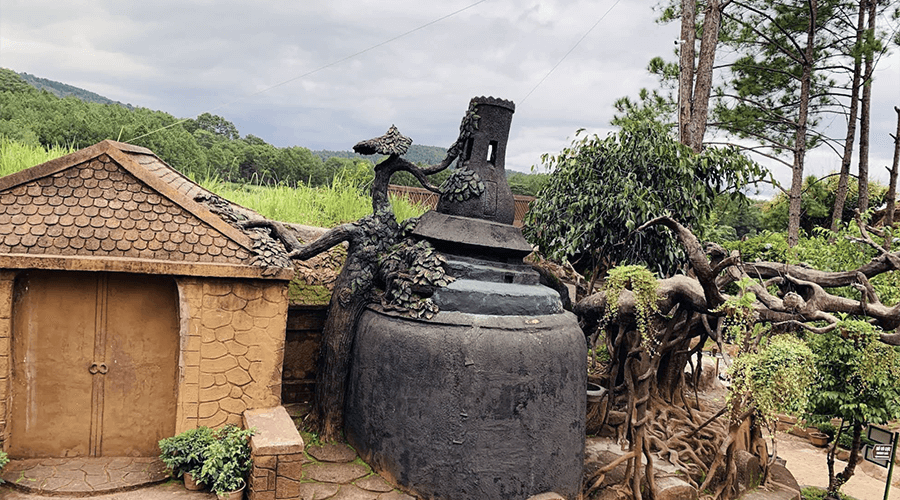


Nestled amidst lush green pine forests next to Truc Lam Monastery, the “Clay Tunnel” is a new tourist attraction in Da Lat. This sculptural work captivates visitors not only with its exquisite artistry but also with its distinctive design.
Overview of Clay Tunnel
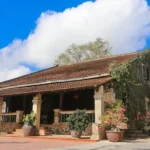
The Clay Tunnel has many names, such as Sculptural Tunnel, Red Clay Tunnel, and Clay Village, but whatever the name, it stimulates visitors’ curiosity and imagination, prompting them to explore. The owner of the Clay Tunnel is Mr. Trinh Ba Dung, who is passionate about Da Lat’s ancient architecture.
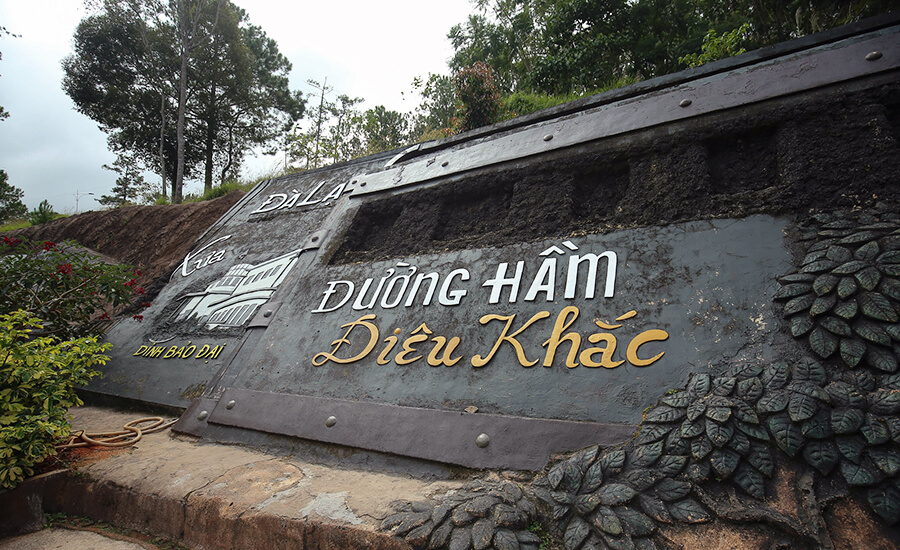
Clay Tunnel in Da Lat
After many years of research, Mr. Trinh Ba Dung discovered a formula to transform basalt clay into a new material with unique colors and, most importantly, that is environmentally friendly. The Clay Tunnel is a groundbreaking innovation in construction materials, with a composition that offers durability comparable to concrete.
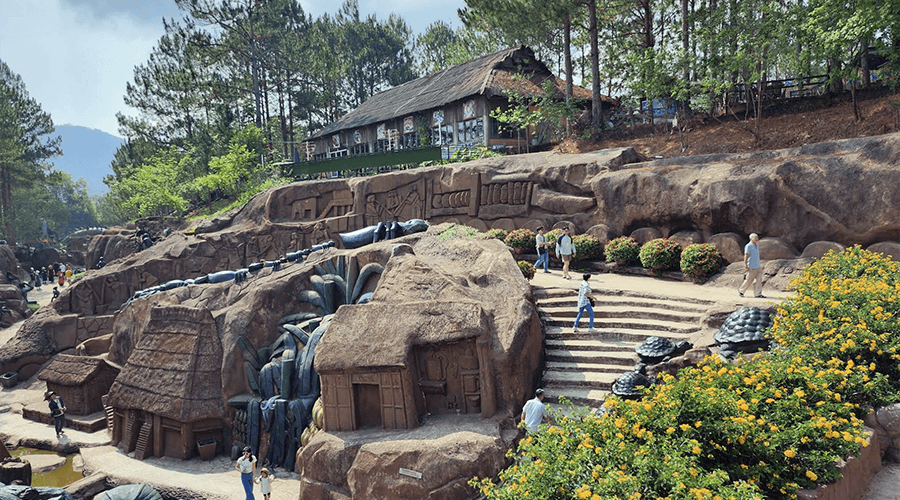
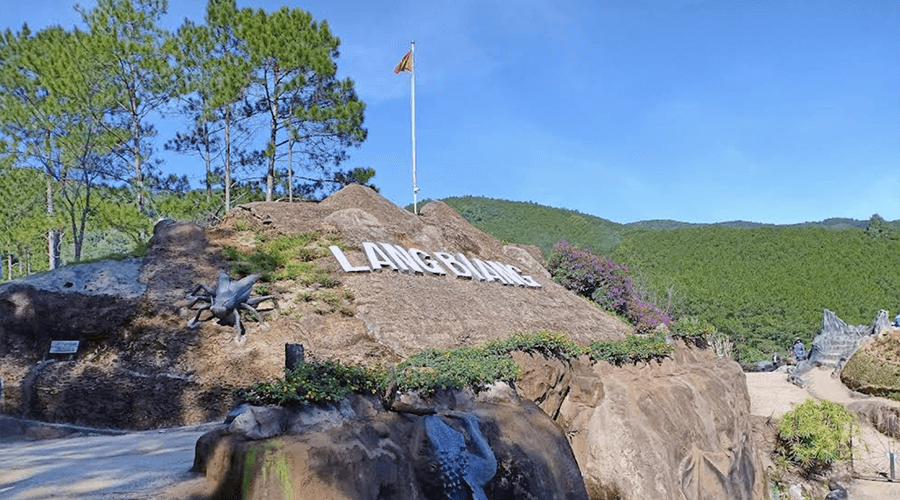
Built in 2010 and stretching 2km, the attraction for tourists visiting this area is its recreation of Da Lat’s history, from its early beginnings to its dynamic and modern state.
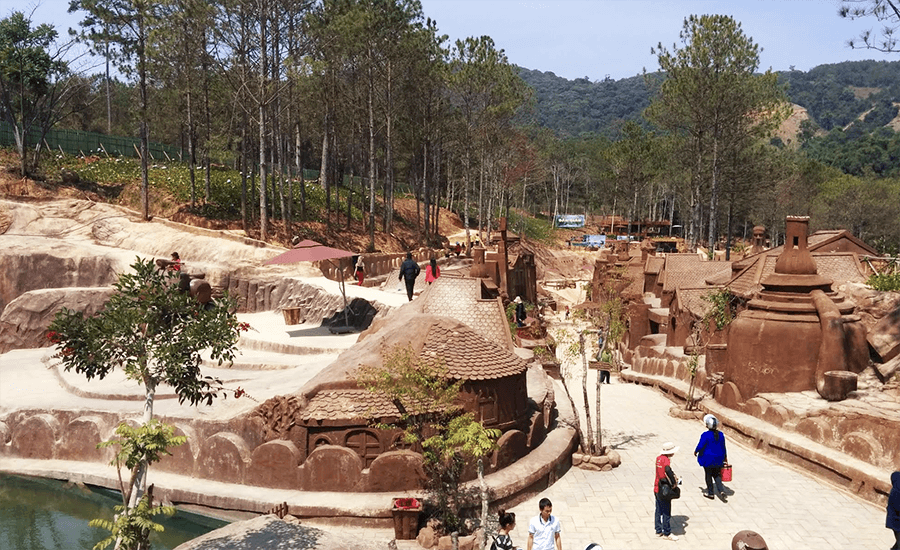
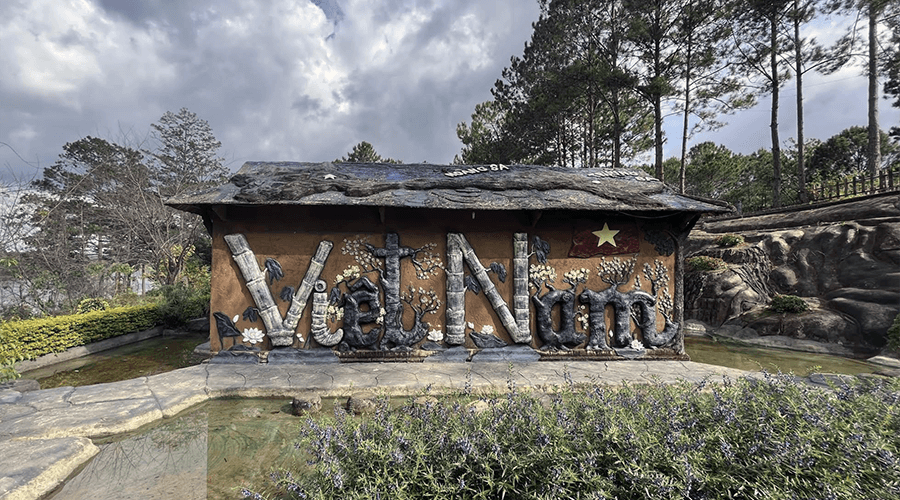
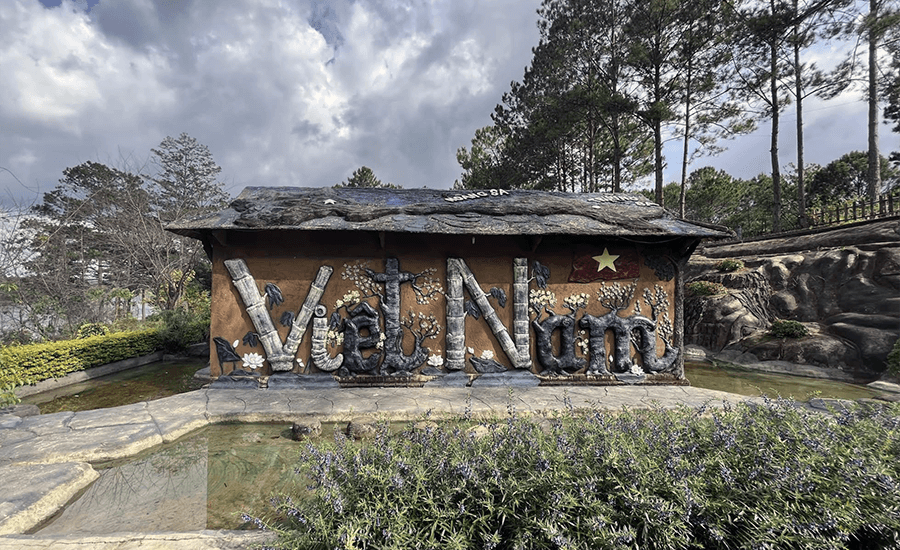
Notably, some structures have been listed in the Vietnam Book of Records, such as the first unbaked red basalt clay house and the first basalt house with a roof sculpted with a map of Vietnam.
Opening hours and entrance fees
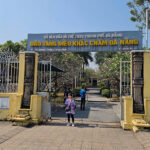
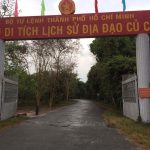
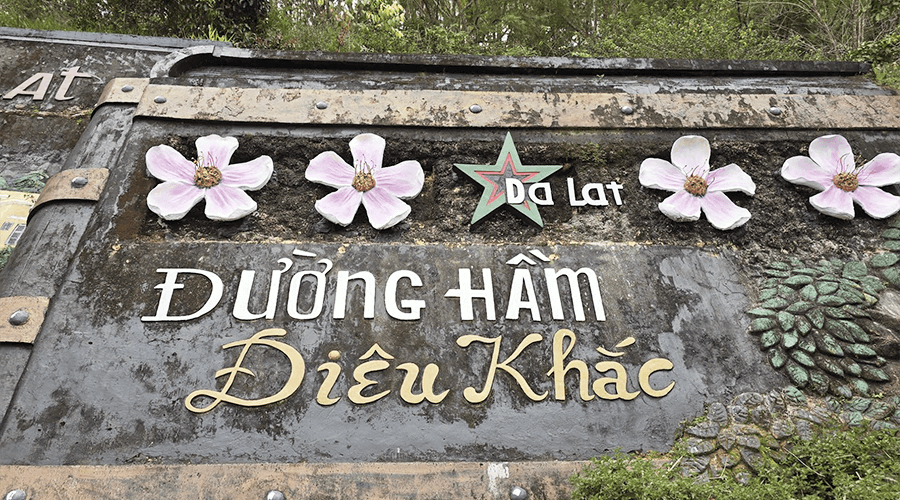
The Clay Tunnel is located inside the Da Lat Star tourist area in Xuan Huong-Da Lat Ward.
- The entrance fee: 60,000 VND/adult and 30,000 VND/child (under 1.2 meters tall).
- Open from 7:30 AM to 5:00 PM daily.
Unique Architectural Models of the Clay Tunnel in Da Lat
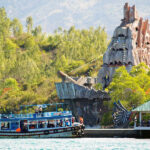
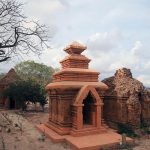
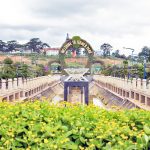
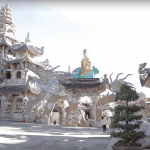
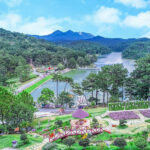
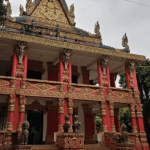
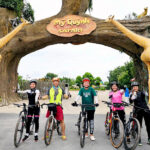
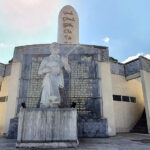
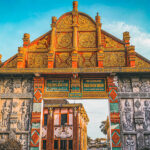
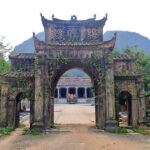
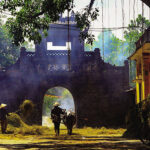
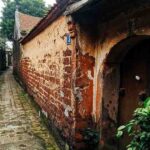
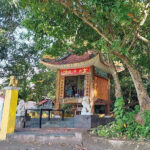
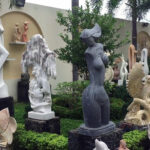
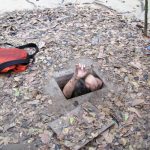
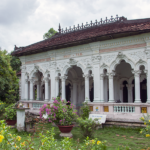
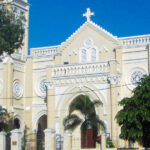
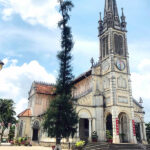
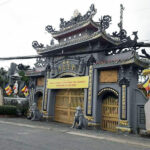
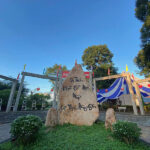
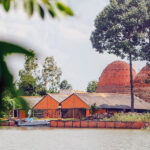
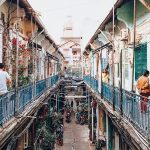
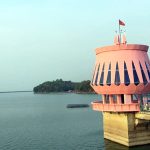
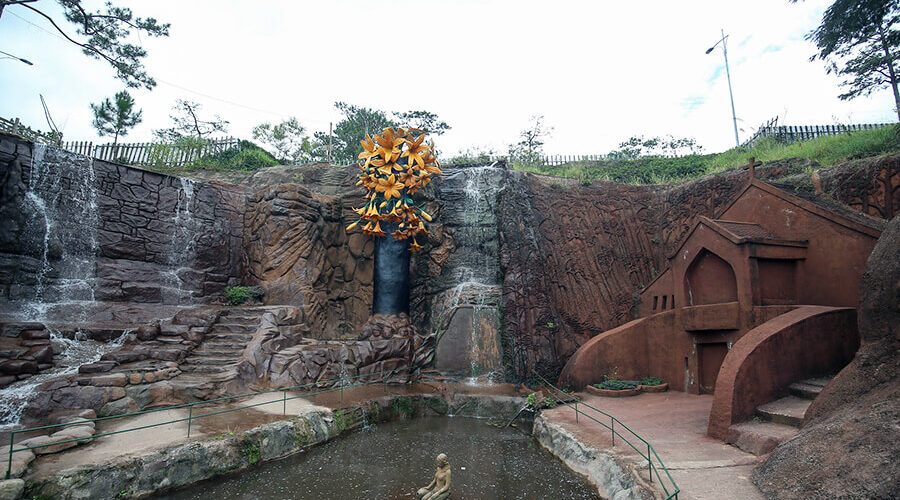
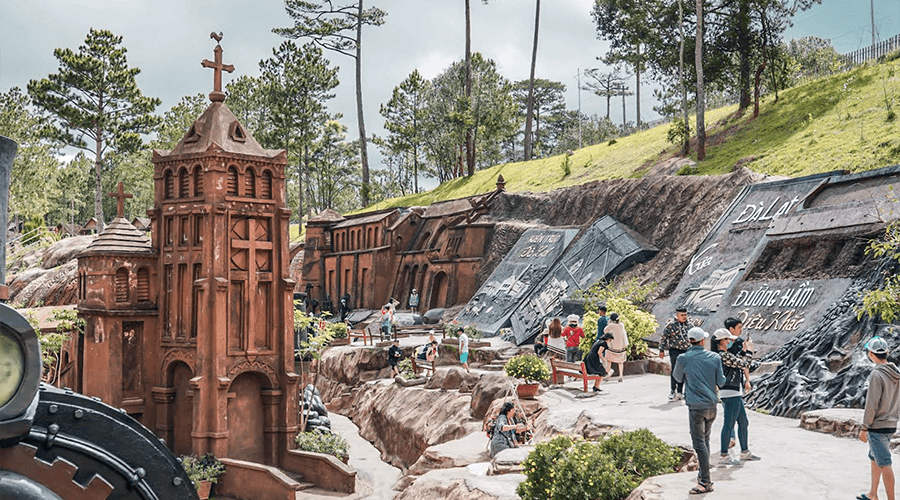
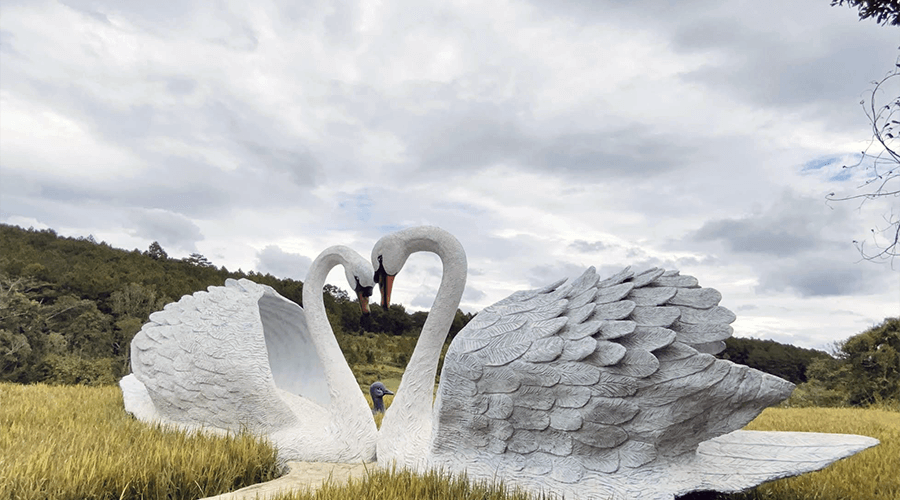
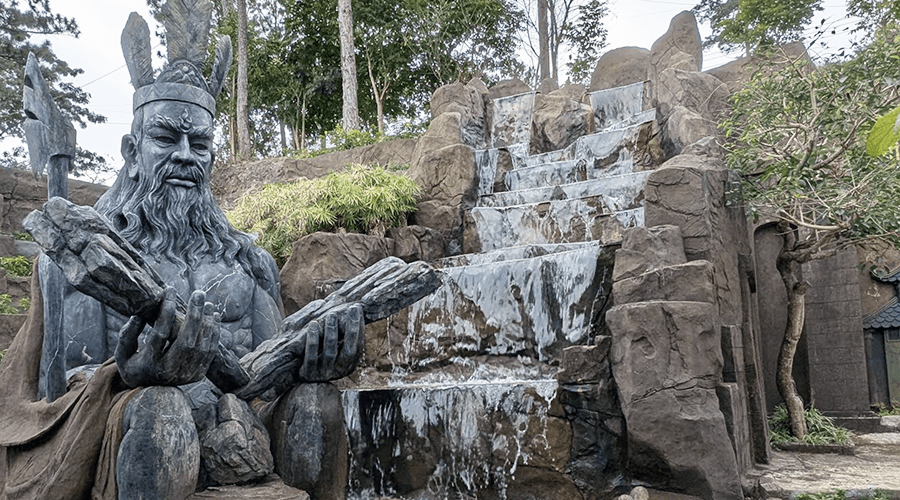
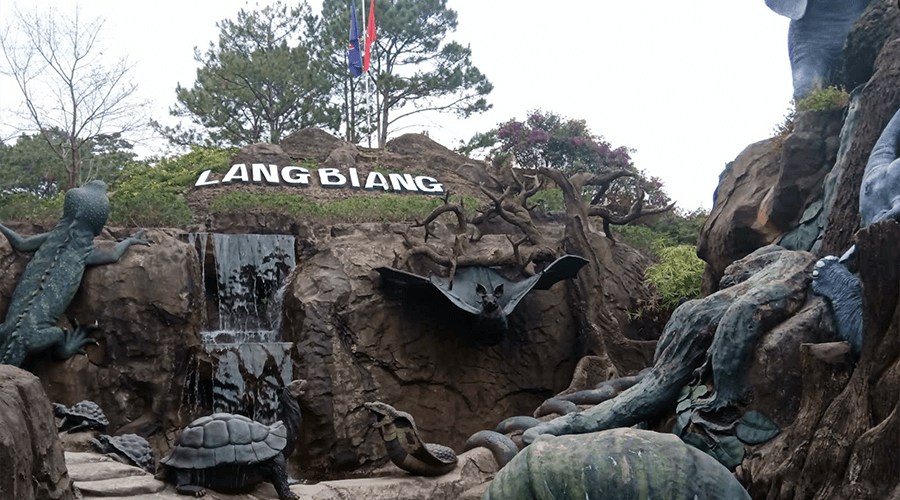
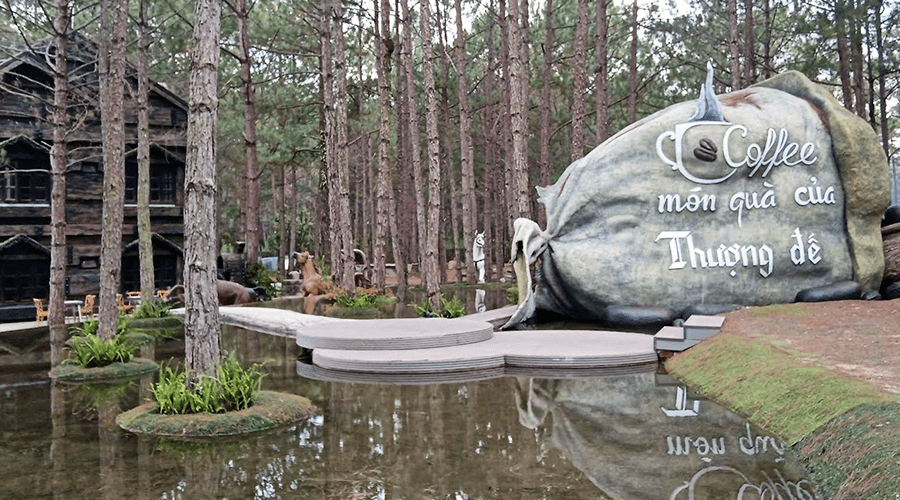
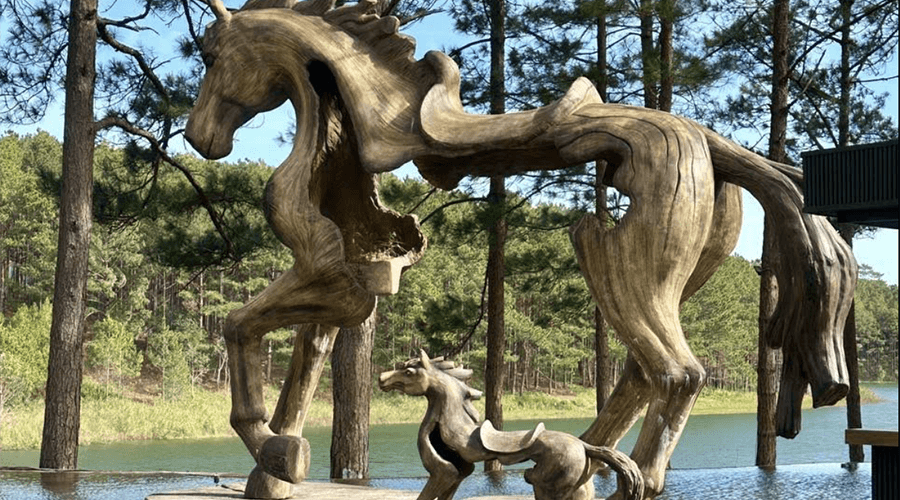
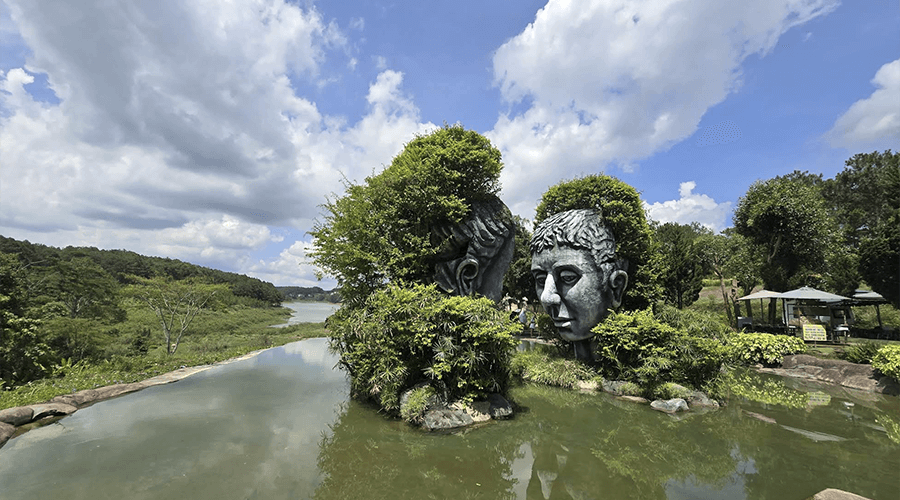
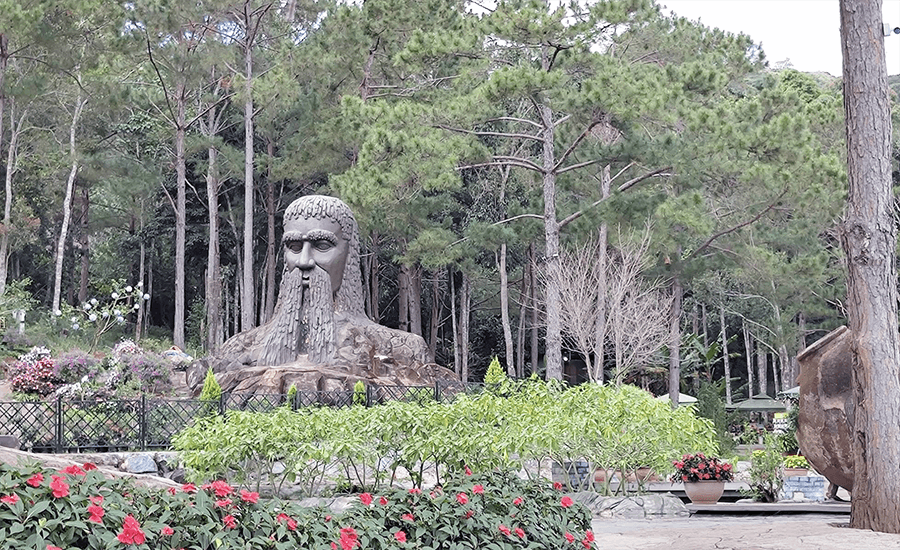
The clay architectural and landscape models of Da Lat stand out amidst the lush green pine forest beside Tuyen Lam Lake. The first impression of this project is the open-air tunnel, with numerous sculptures lining its walls. This project was created to recreate Da Lat from its early days to its modern development, showcasing its unique architecture and culture. Following the tunnel, visitors can see the history of Da Lat’s formation, including its characteristic stilt houses and scenes of daily life among ethnic minorities.
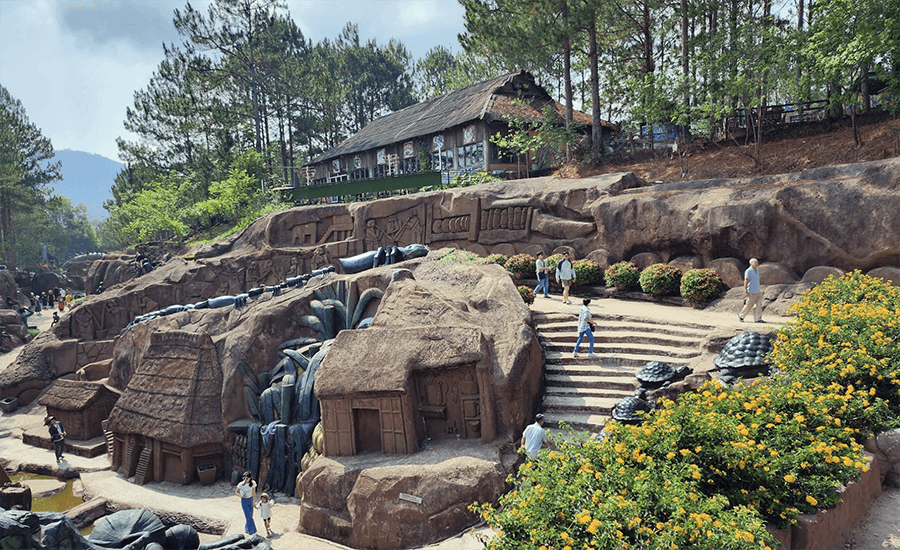
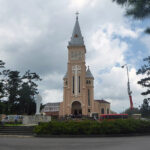
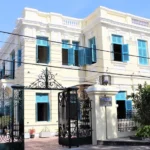
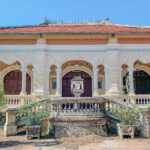
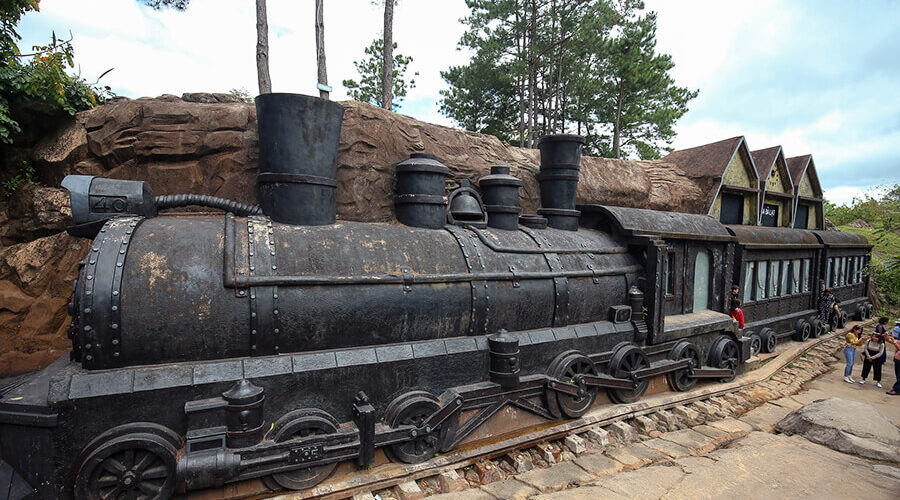
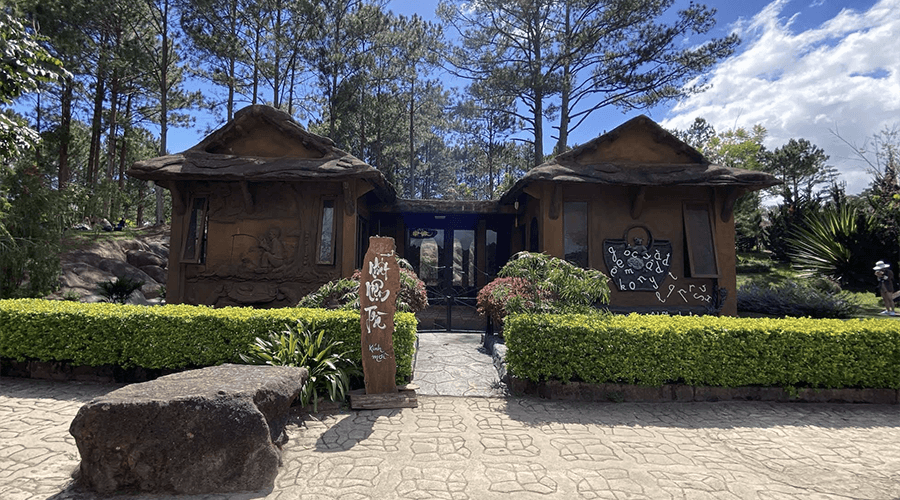
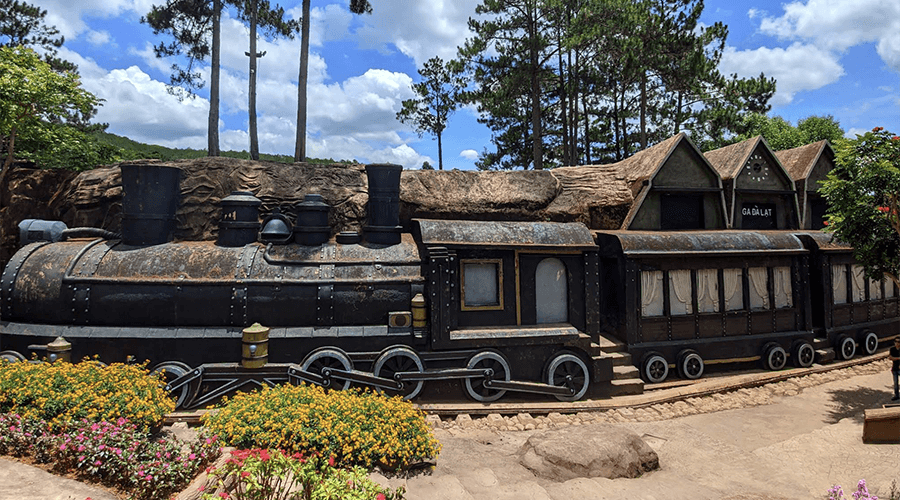
Next are modern landmarks in Da Lat, including the Da Lat station, the Pasteur Institute, the Rooster Church, the airport, and the Valley of Love. Among these clay sculptures, the most special work is a house made entirely of clay, covering approximately 90 square meters.
The Vietnam Book of Records has recognized two records for this house: the first house made of unbaked basalt red clay with a raised roof depicting a map of Vietnam, and the first house made of unbaked basalt red clay with the most unique style. The roof features a map of Vietnam, including the Hoang Sa and Truong Sa archipelagos.
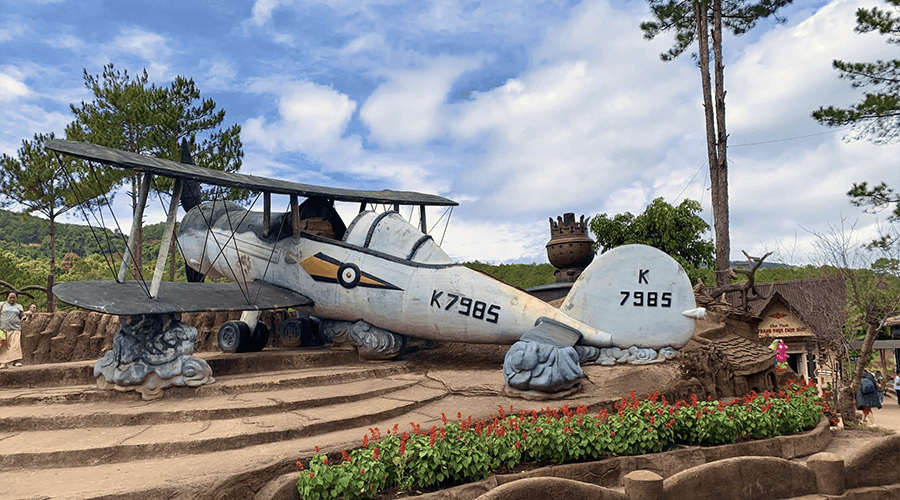
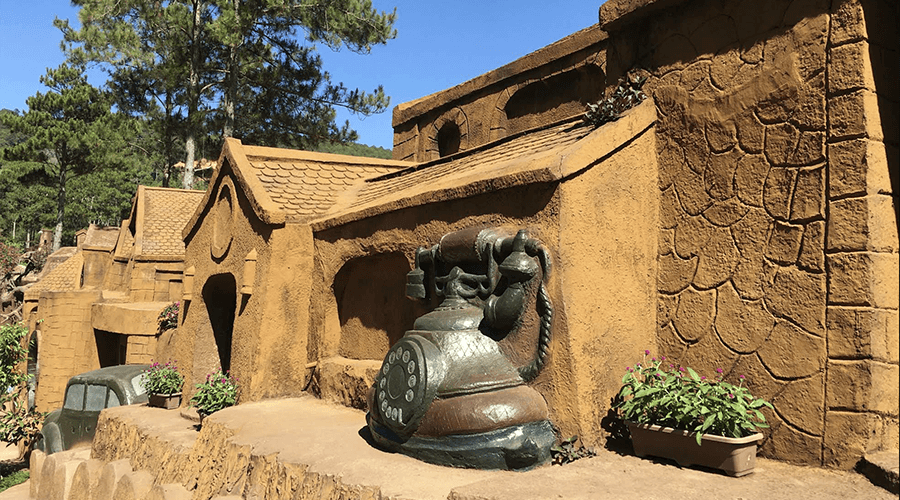
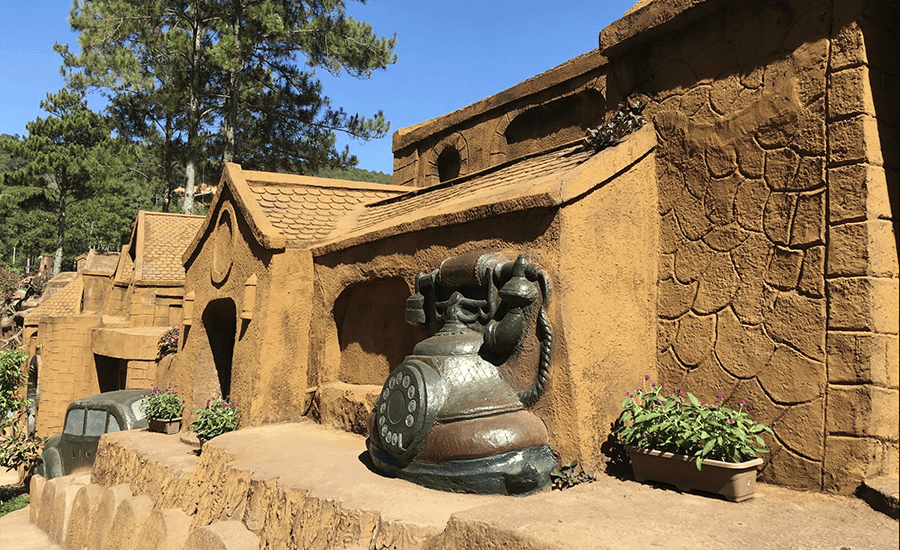
In addition, items and vehicles once closely associated with the people of the mountain town, such as motorcycles, vintage cars, Vespas, horse-drawn carriages, and antique telephones, are also recreated vividly and accurately down to the smallest detail.
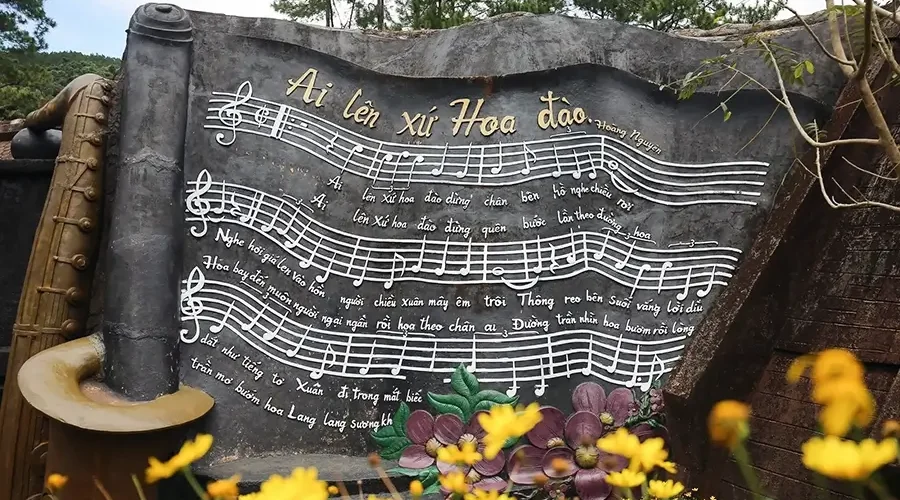
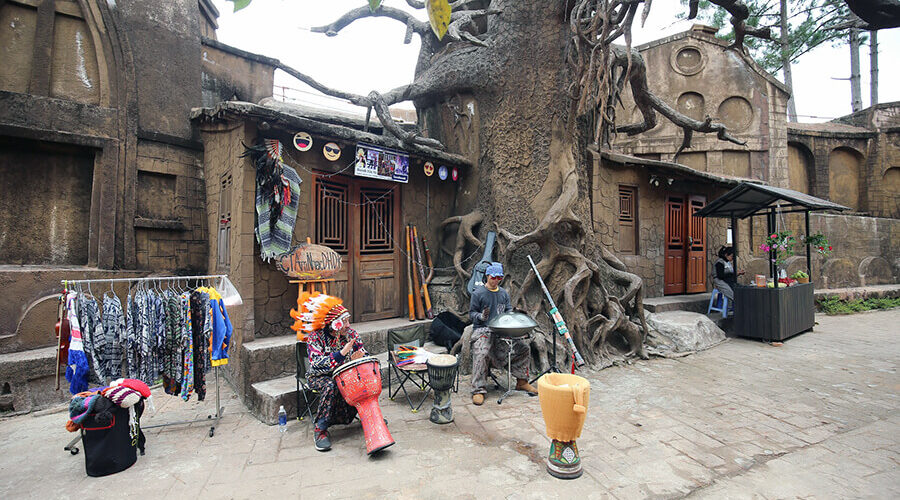
The musical atmosphere is recreated through an impressive clay sculpture. This is also a popular spot for tourists to check in. Tourists can also immerse themselves in the lively live music of two artists using two unique musical instruments.
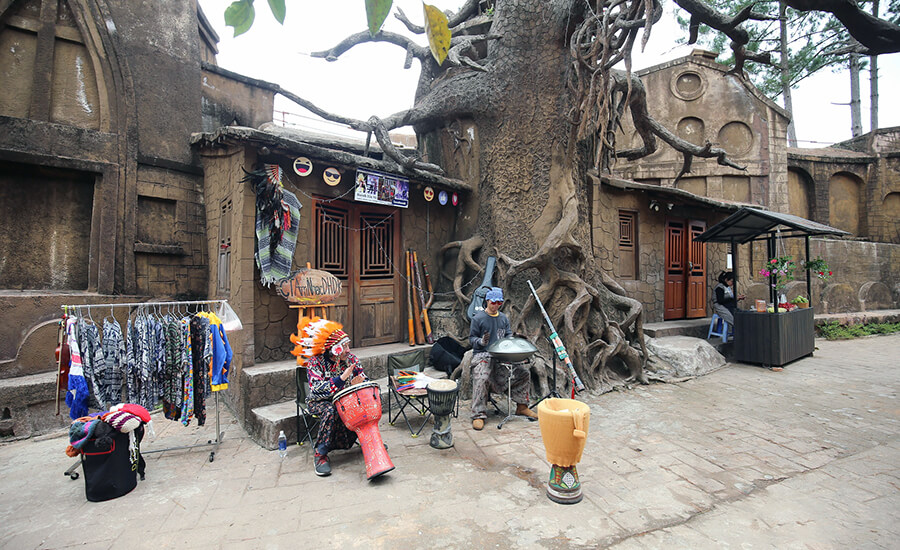
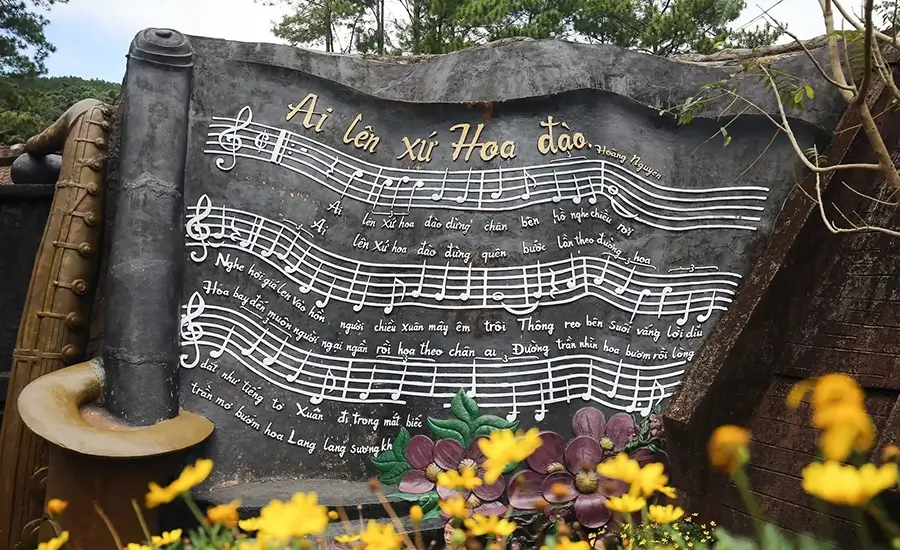
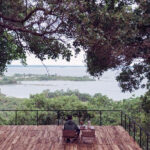
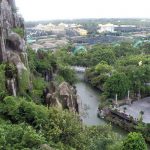
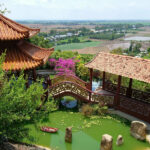
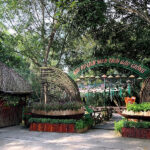
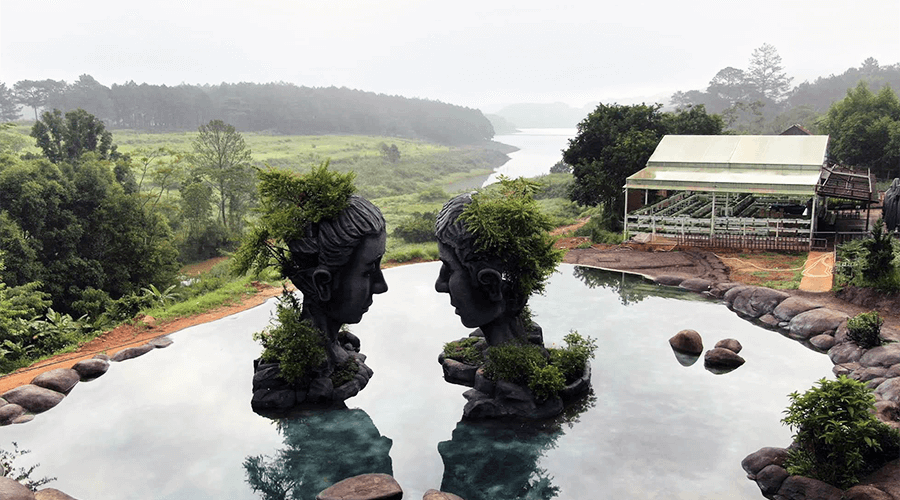
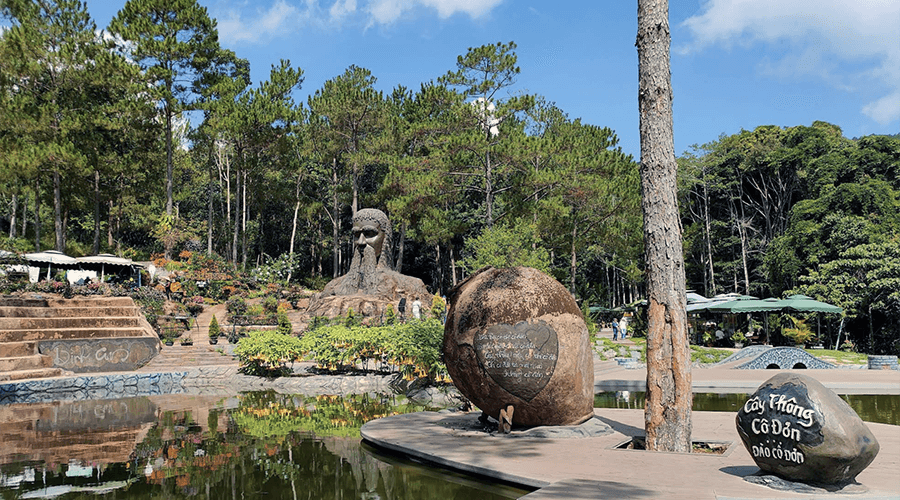
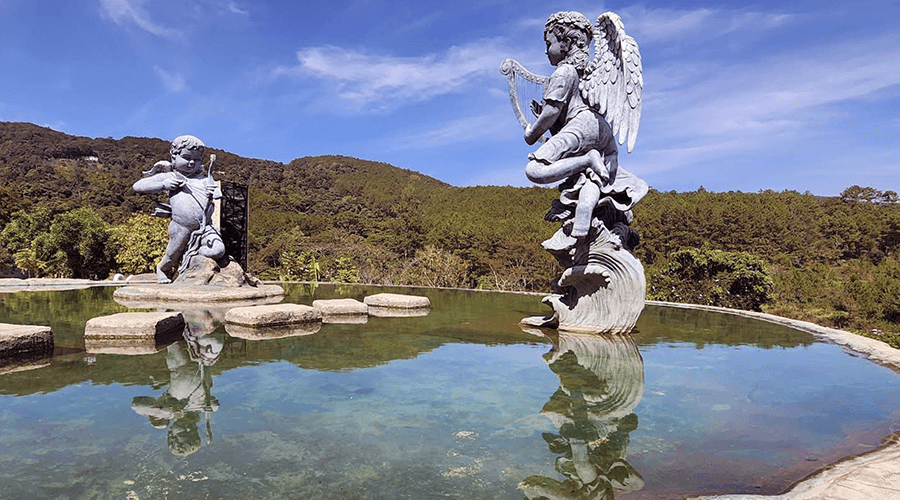
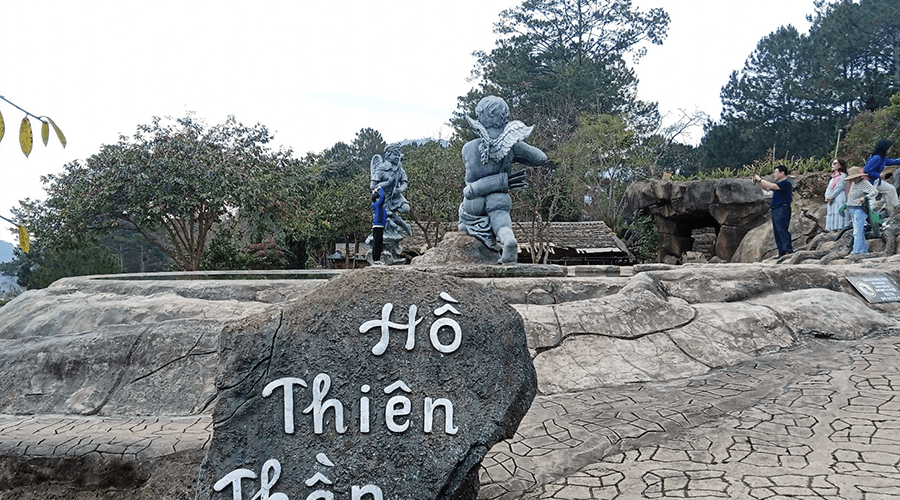
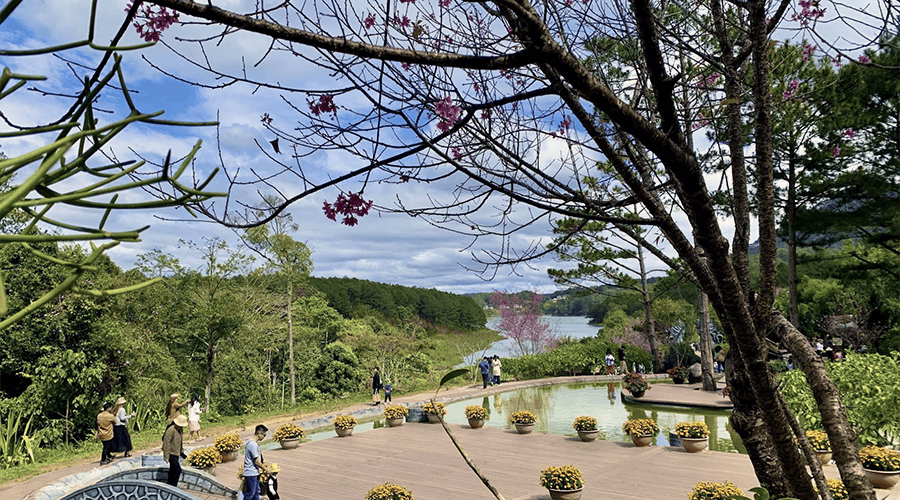
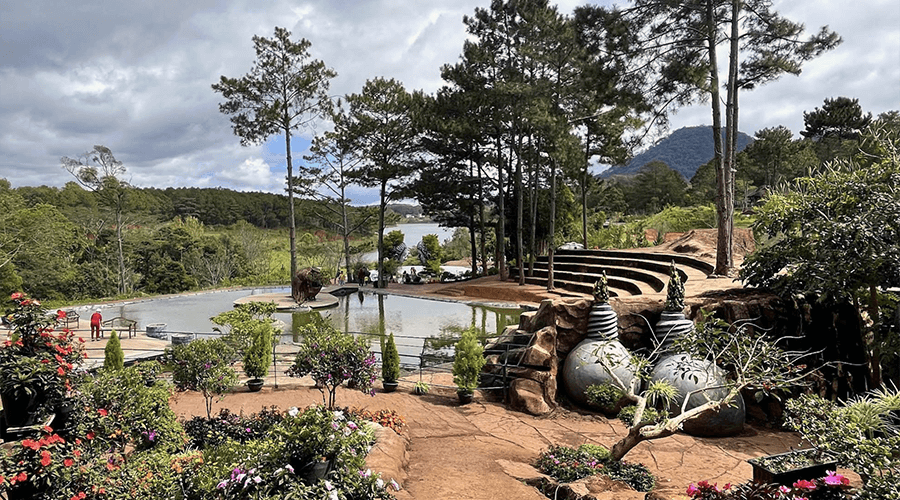
Furthermore, visitors can explore the Infinity Lake located within the Clay Tunnel complex. This is a miniature landscape created for tourists to take photos and “check in” at the site.
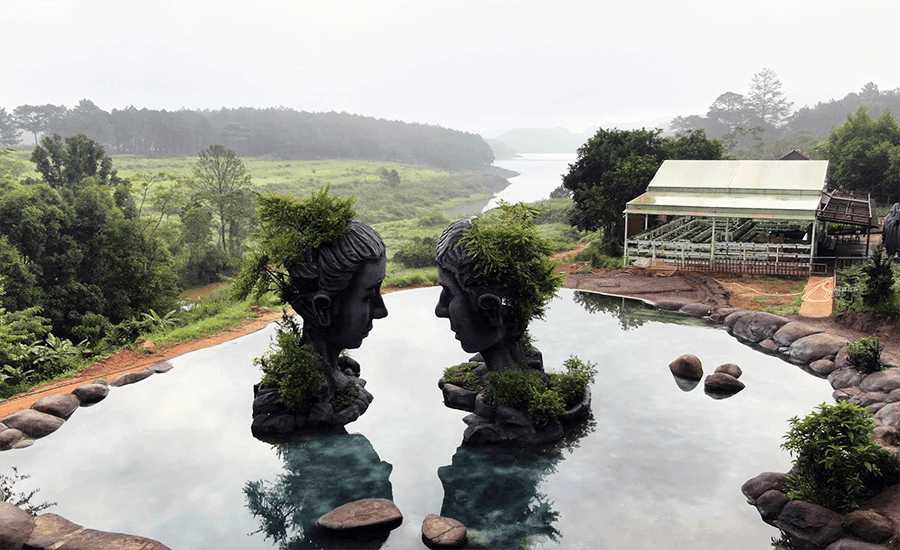
Infinity Lake in Clay Tunnel
The Infinity Lake is an ideal spot for tourists to take Instagram-worthy photos when visiting the Clay Tunnel.
Source: collected by An
Follow us for the best deals on Vietnam package tours and visa services!