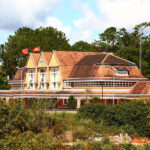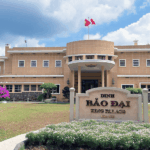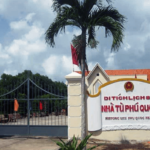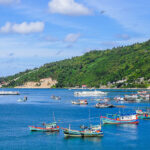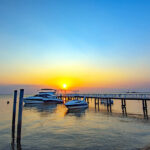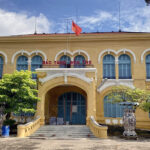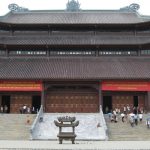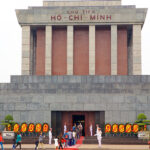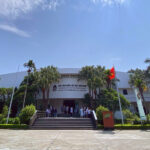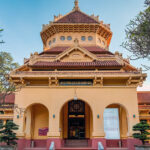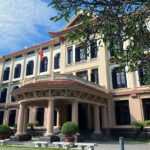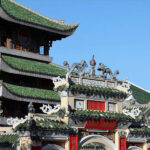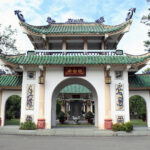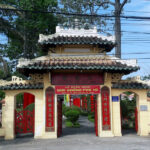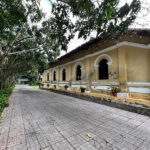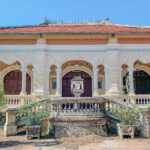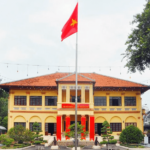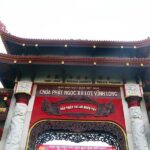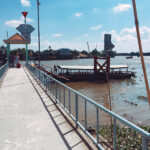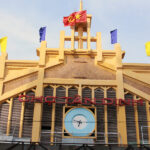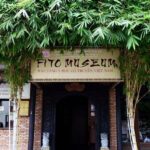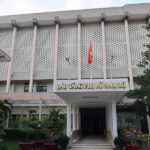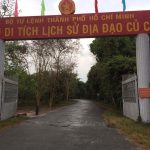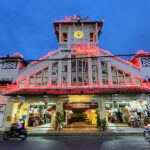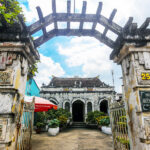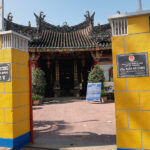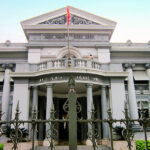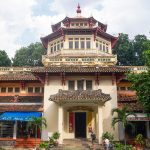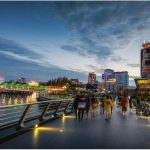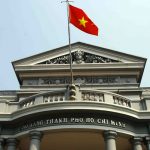
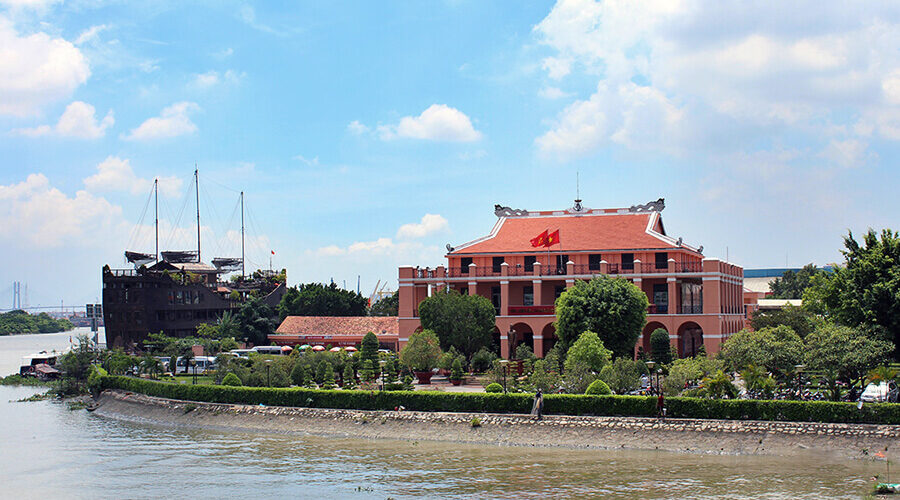
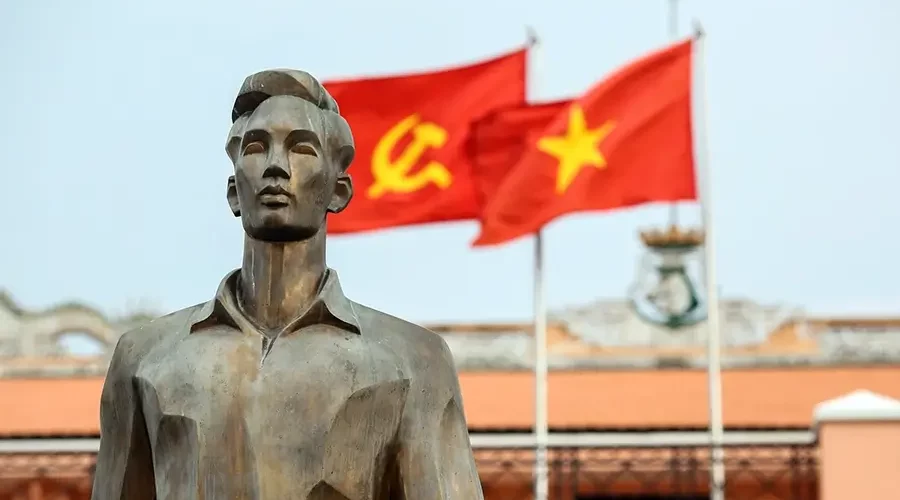
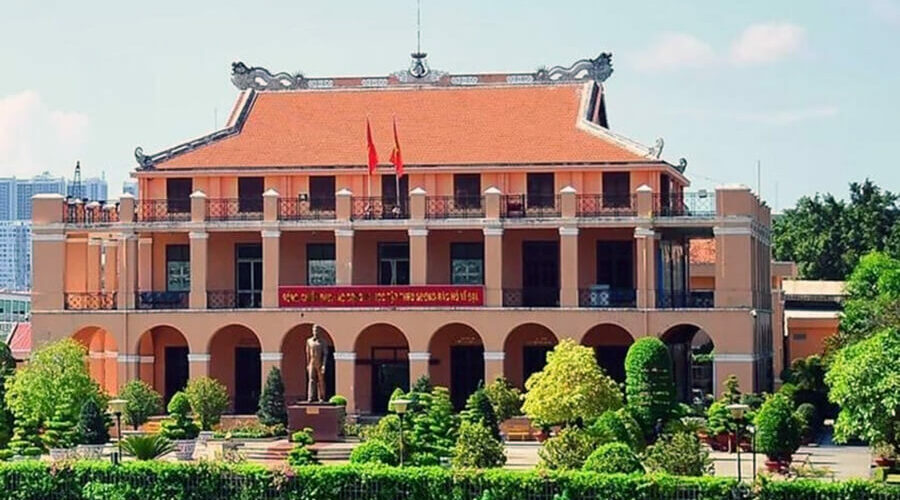


Dragon House Wharf or Dragon Wharf (Vietnamese: bến Nhà Rồng, bến means wharf), also known as the Ho Chi Minh museum, is one of the top tourist attractions in the city. Not only famous for its unique architecture, but also for its critical historical events. Furthermore, with the open-air view, the harbor is also the best place to admire the sunset.
History and architecture of Dragon House Wharf
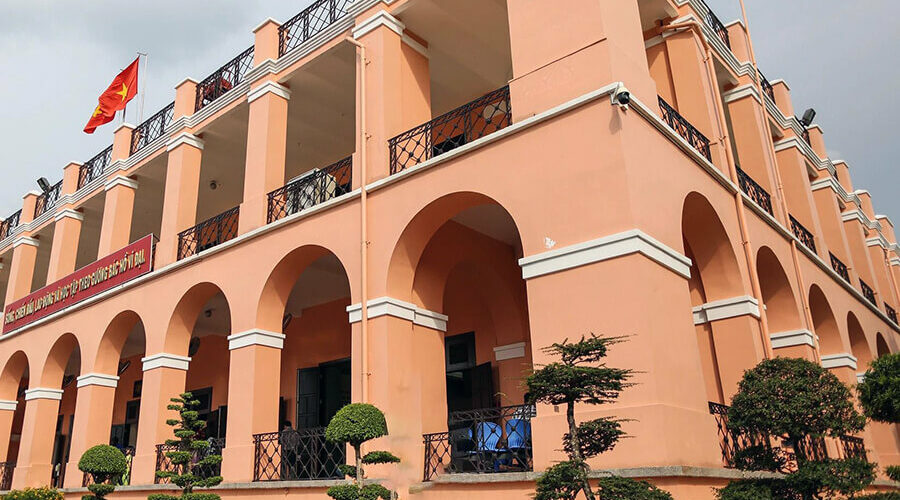
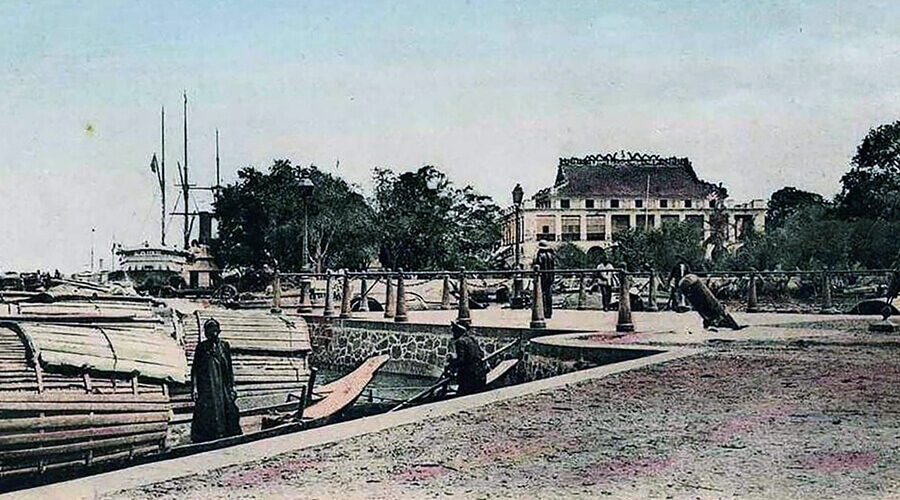
Dragon Wharf, originally called the Imperial Transport Company Headquarters (Hotel des Messageries Impériales), construction began on March 4, 1863, and was completed in 1 year to exchange goods, weapons, and materials during the occupation of the French in Vietnam.
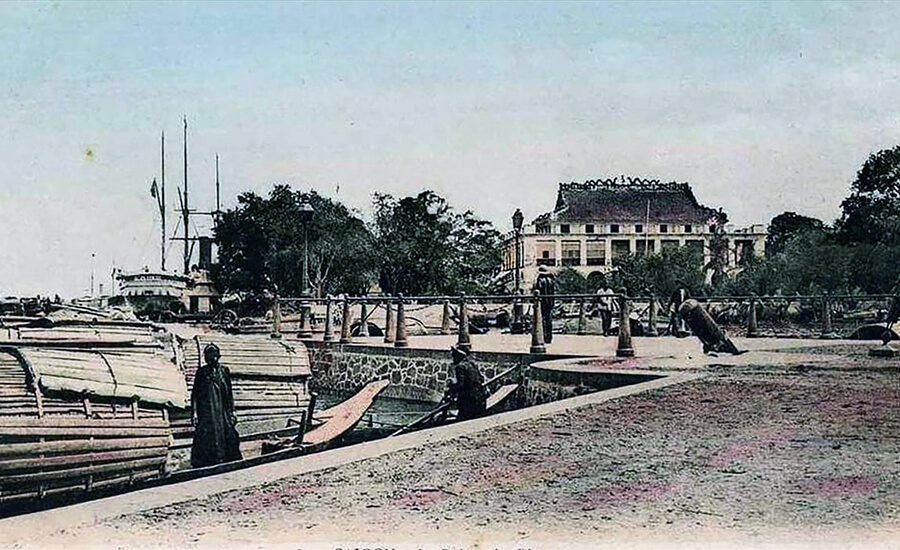
photo source: collected.
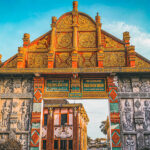
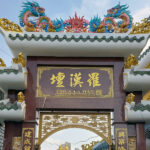
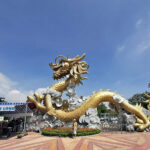
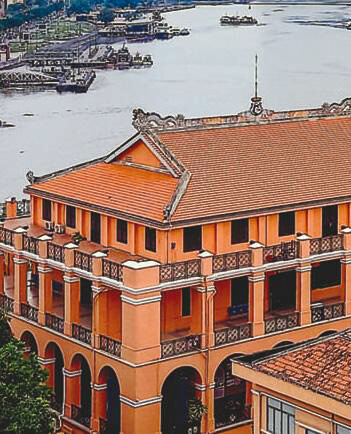
The wharf consists of a two-storey building according to the European architectural style. However, the roof is made in the Orient style, head horse-shaped, anchor, and “two dragons flanking the moon” at the middle of the roof top. The name “Nhà Rồng” also came from these dragon statues.
In 1871, due to the influence of the Republic, the company changed its name to Messageries Maritimes. The moon detail on the roof is replaced by the company’s logo of a crown, anchor, and horse head. The “Horse Head” insignia refers to the time when, in France, the company specialized in road transport with horses pulling carts, while the “Anchor” symbolizes ships. Therefore, it is also called the “Horse Head” company.
However, in 1955, following the French defeat, the Government of South Vietnam assumed control. It renovated the building’s roof, replacing the two old dragons with new ones featuring a turning back. Since then, the building’s architecture has remained largely unchanged.
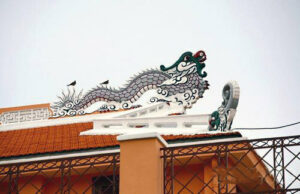
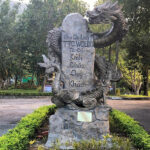
A dragon image at one corner of the building
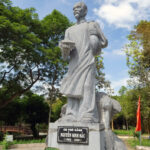
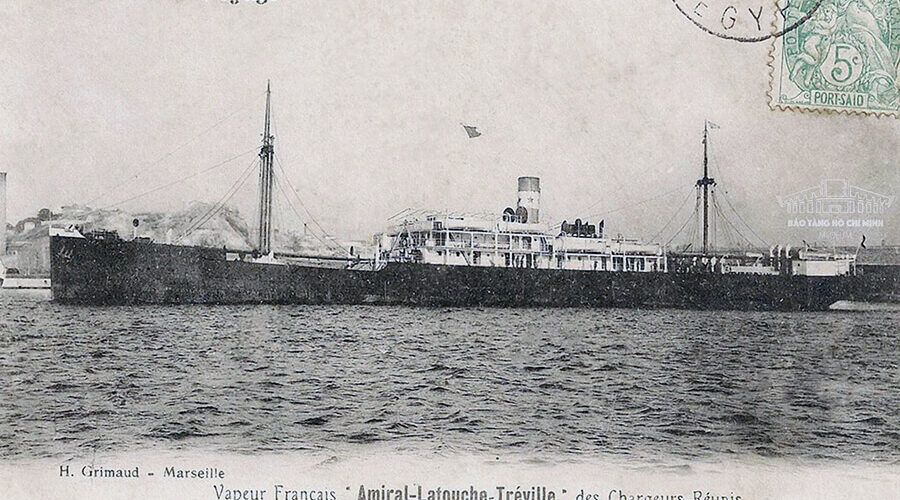
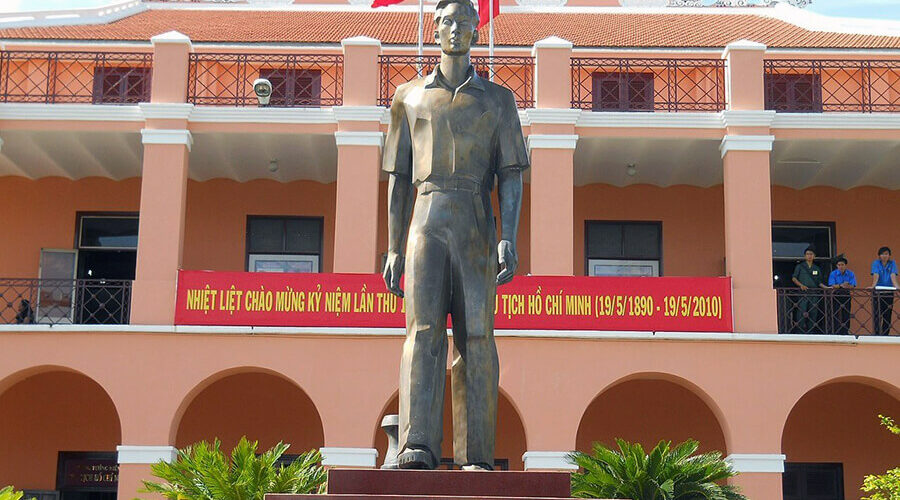
The wharf was well known for a historic event. On 5th June 1911, from this harbor, Nguyễn Tất Thành, a young patriot at the age of 21, who later became President Ho Chi Minh, embarked aboard the ship Amiral de Latouche-Tréville to sail to France. Following a dream to restore liberty to the motherland, he returned to Vietnam in 1941 to lead the revolution. With his strategic leadership, Vietnam gained independence. Since then, Dragon House Wharf has been of great spiritual significance for those who desire to learn about the history of Vietnam.
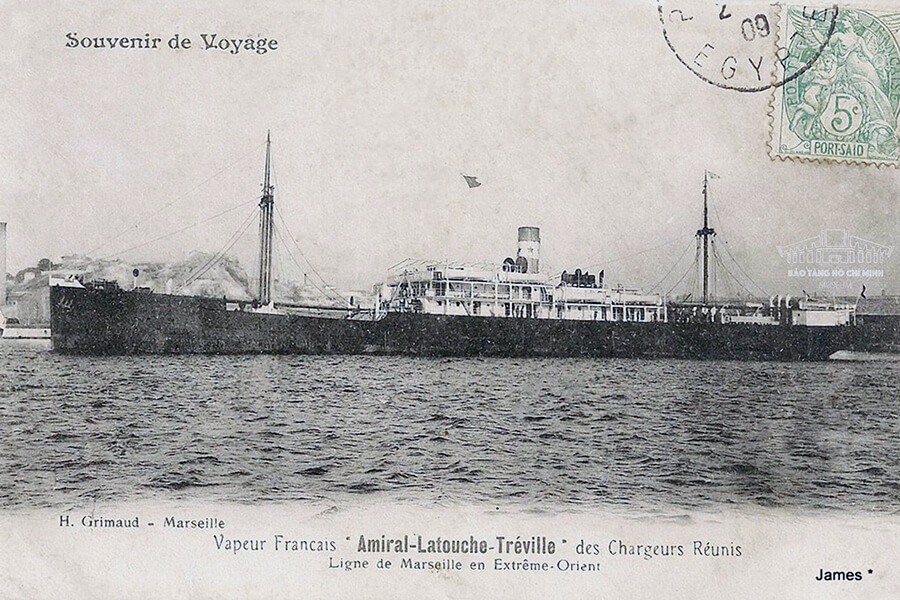
The ship Amiral de Latouche-Tréville
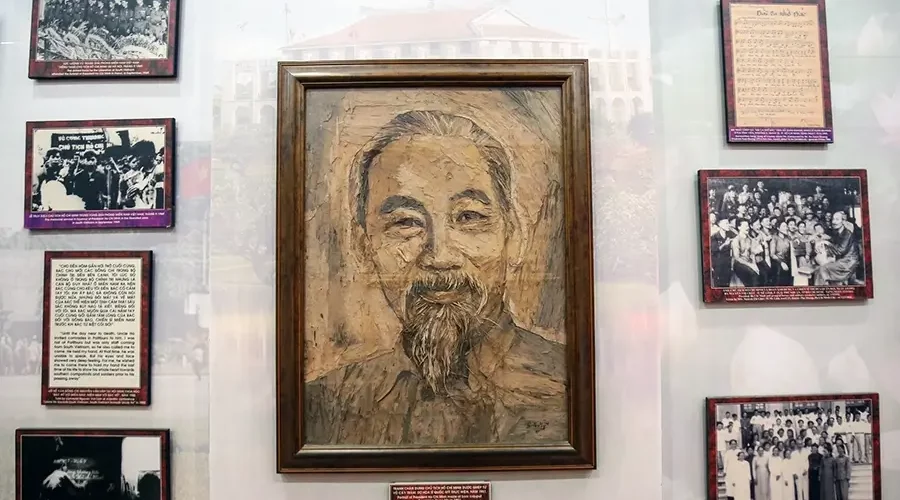
In September 1979, the People’s Committee of Ho Chi Minh City designated Dragon House Wharf as the Ho Chi Minh Memorial House, and later renamed it the Ho Chi Minh Museum branch in Ho Chi Minh City.
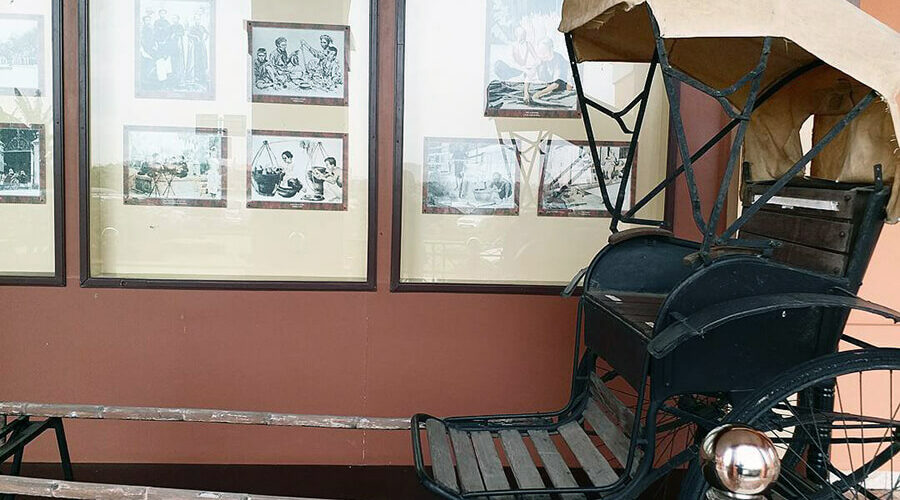
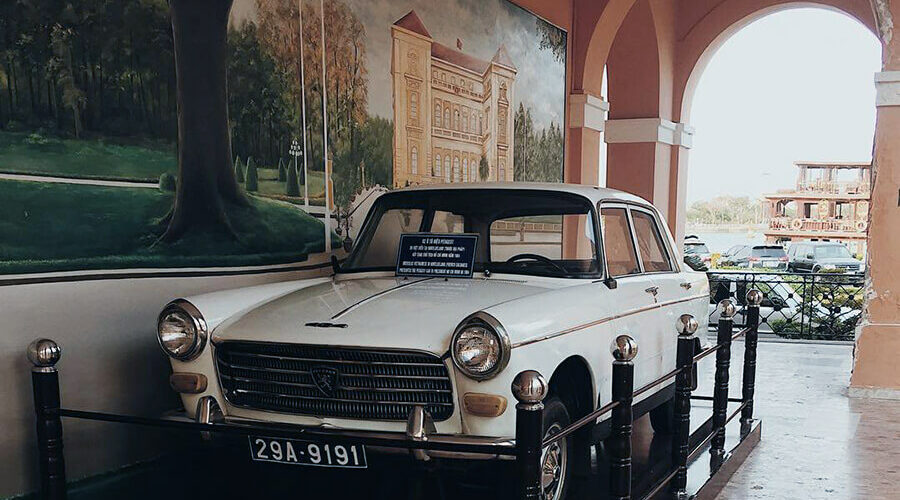
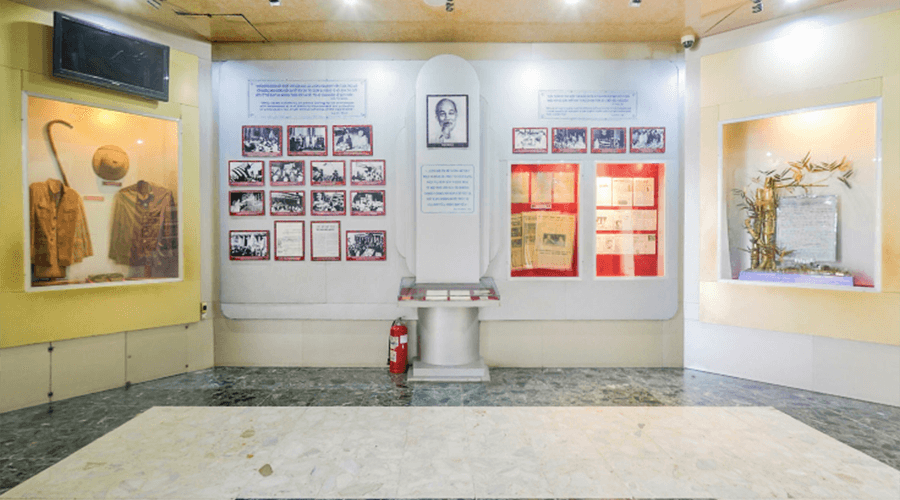
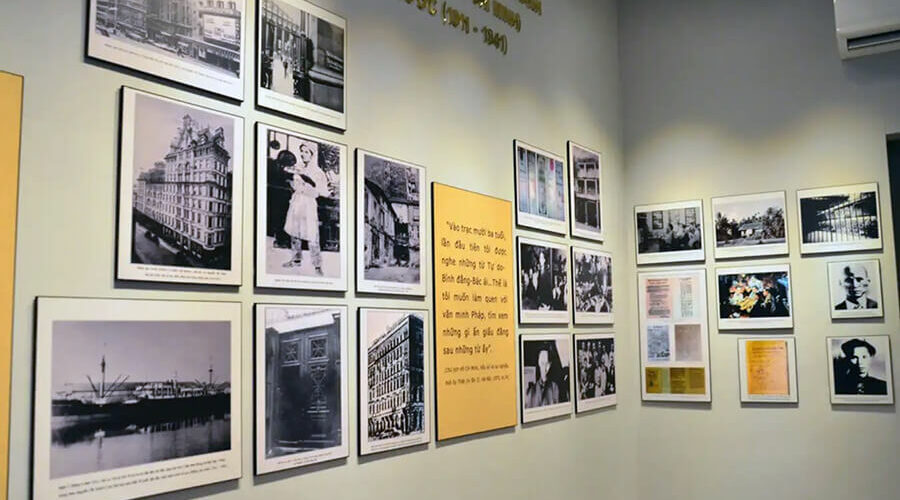
Explore the gallery in Dragon Wharf
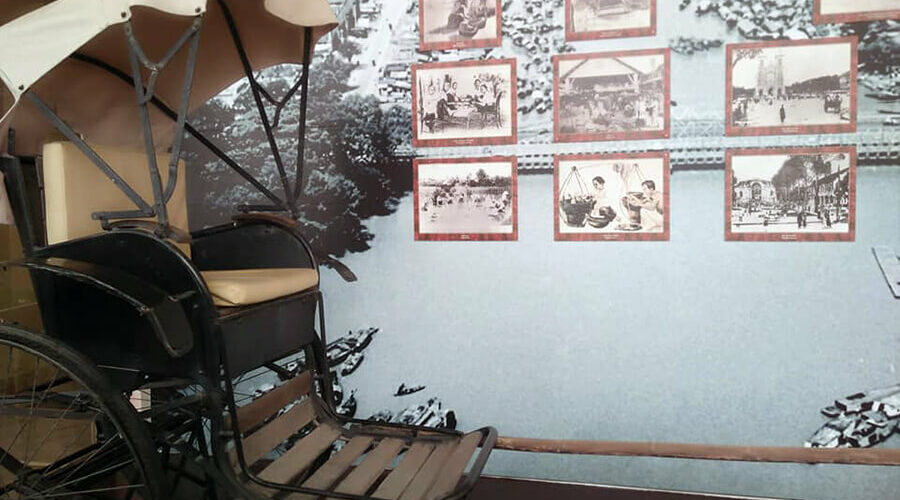
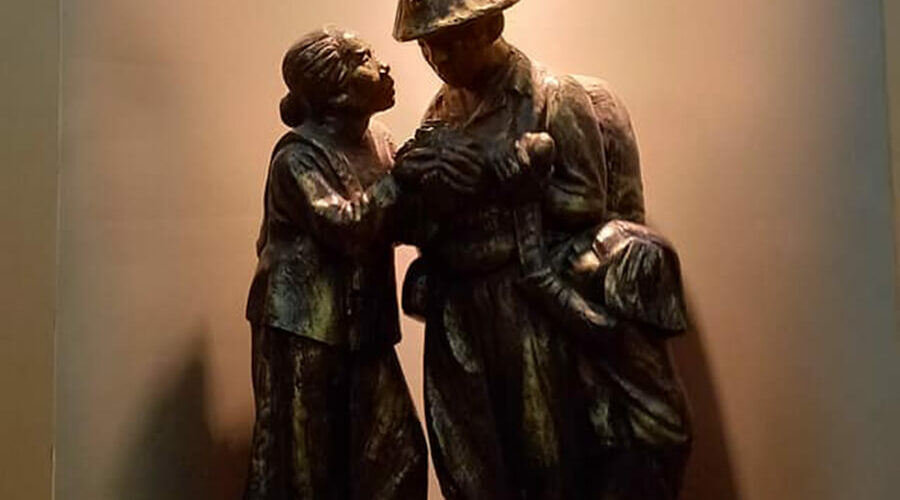
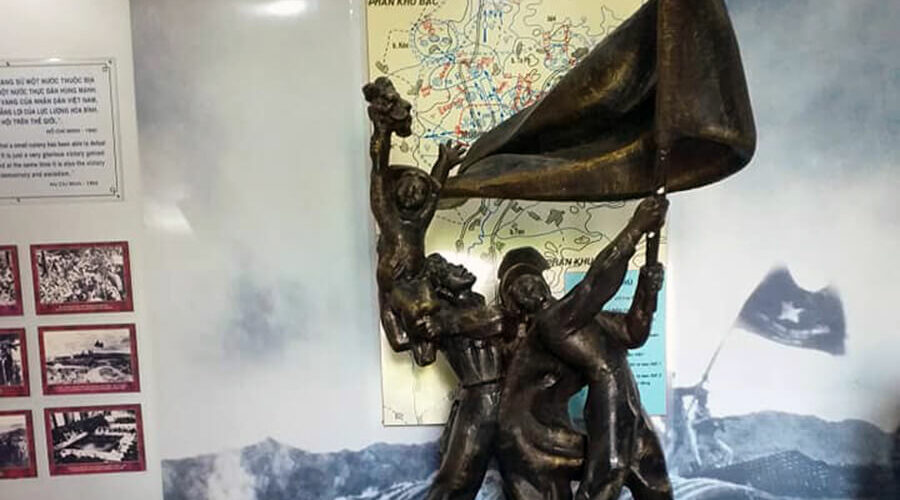
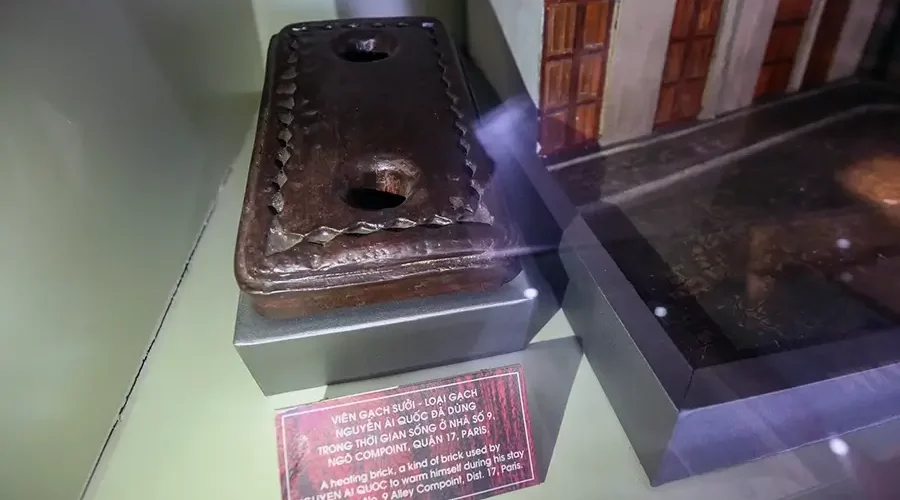
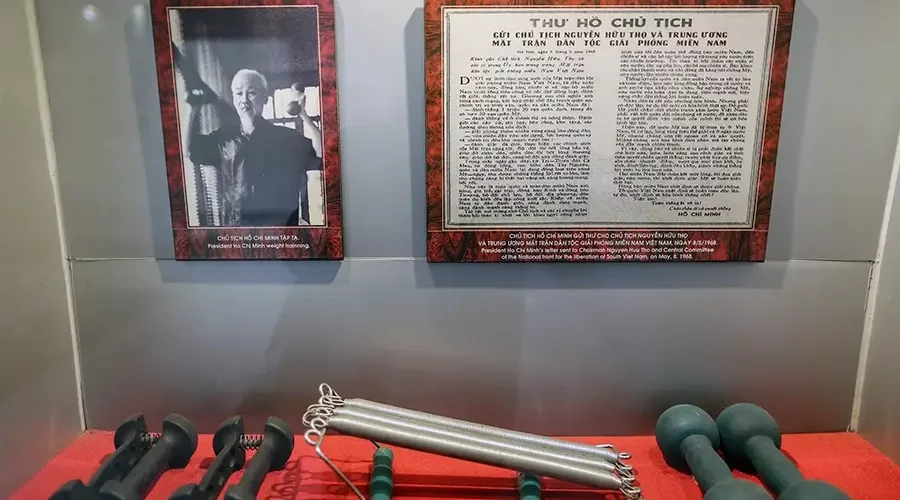
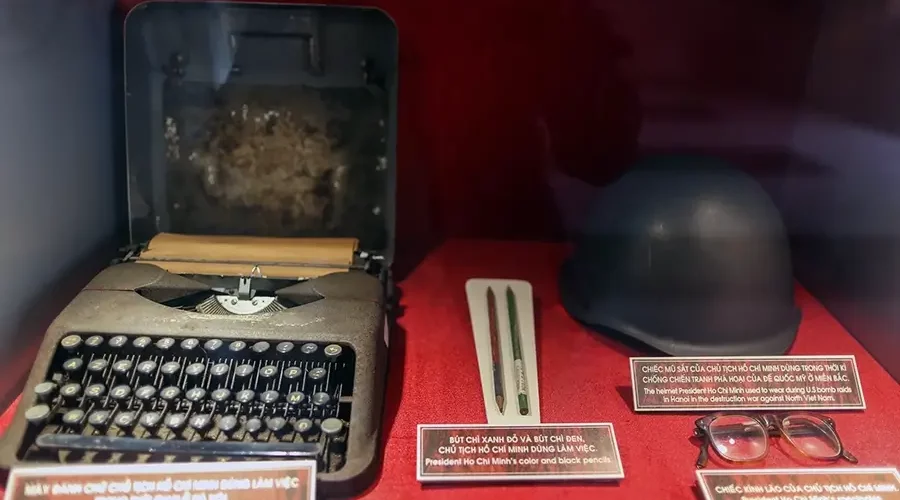
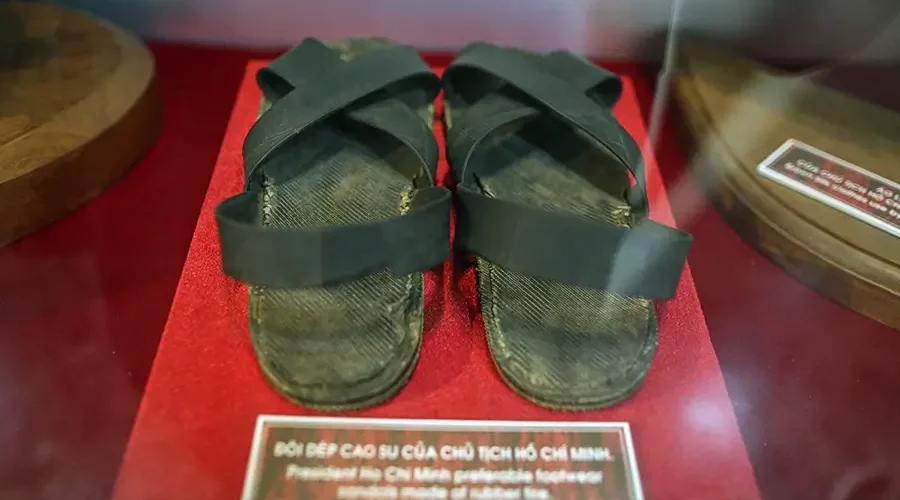
Currently, the museum has 07 exhibit halls, including four galleries on the life and great revolutionary career of President Ho Chi Minh, and three special thematic galleries featuring documents, artifacts, and images related to President Ho Chi Minh’s biography and revolutionary career.
In total, the museum is currently exhibiting about 11,372 items, along with about 3,300 books on the president. Thematic rooms are as follows:
Theme room 1: President Ho Chi Minh in his childhood and youth (1890-1920).
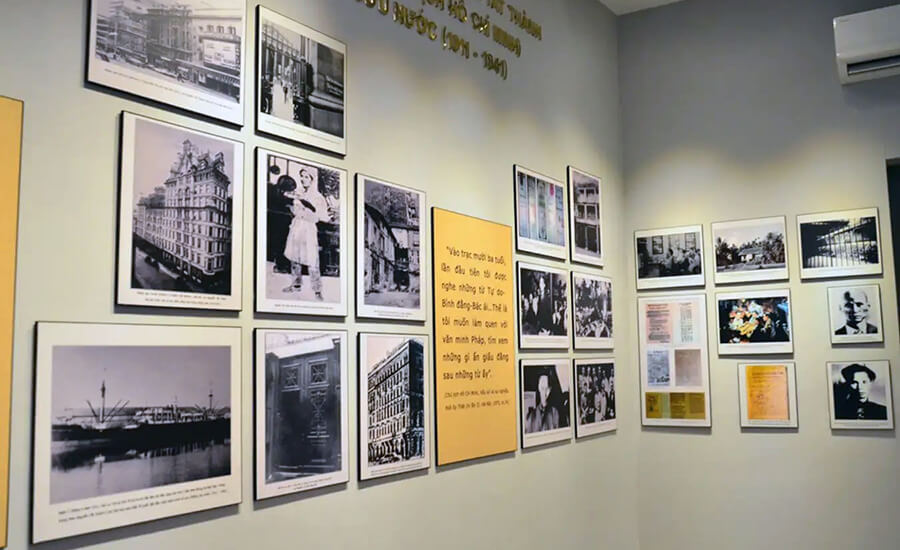
The revolutionary activist initially embraced Marxism-Leninism and affirmed that this was the path to regaining independence and freedom for the Vietnamese.
Theme room 2: President Ho Chi Minh founded the working-class political party
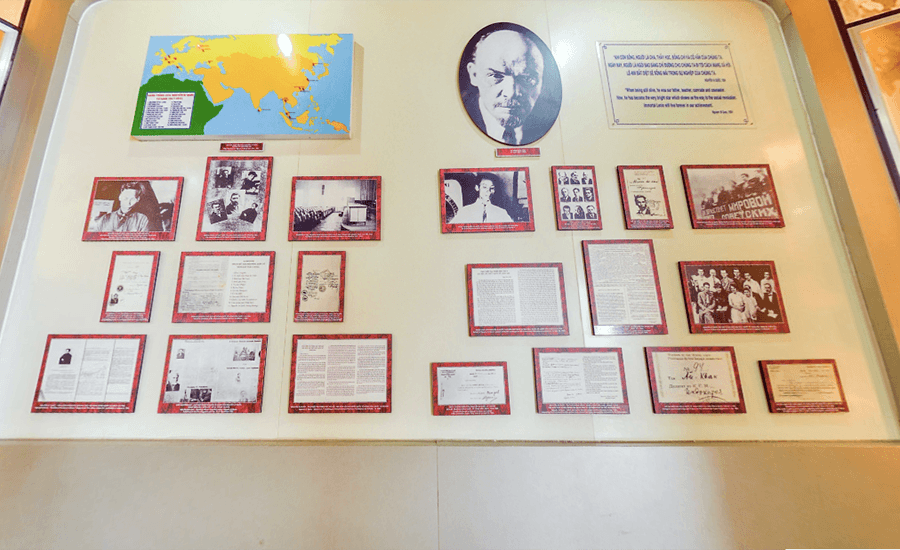
Vietnam (1920-1930) by inheriting and creatively applying V.I. Lenin’s Theses on national and colonial issues from V.I. Lenin.
Theme room 3: From 1930 to 1954
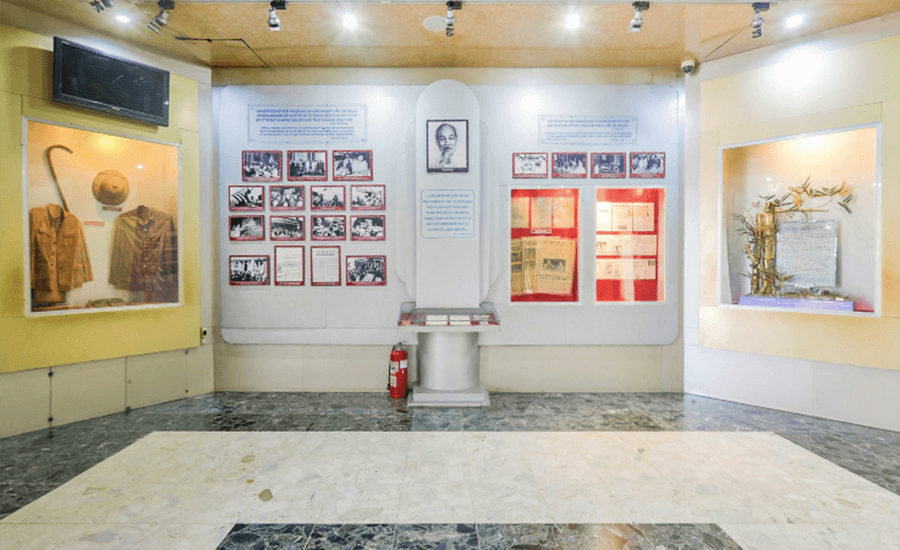
The period of struggle to maintain the government and resolute resistance against the French colonialists, especially the person who organized and led the August Revolution, was won. From then on, the Democratic Republic of Vietnam was founded.
Theme room 4: from 1954 to 1969
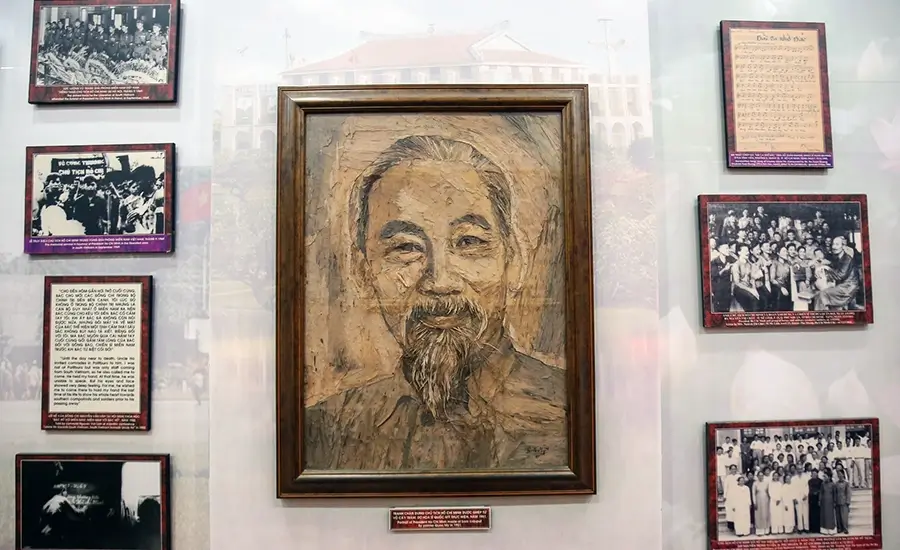
He refused to submit to the US and led the socialist revolution to liberate the South and unify the country.
Useful information about Dragon House Wharf
- Location: 01 Nguyen Tat Thanh Street, Xom Chieu Ward, Ho Chi Minh City.
- Best for: Family, couple, solo, students
- Entrance: Free
- Opening Hours: Tuesday to Sunday, from 7:30 – 11:30 Am; 13:30 pm – 17:00 pm
- Other tourist spots nearby: Bến Thành Market, Landmark 81, Bitexco Financial Tower, Nguyen Hue Walking Area, and the Independence Palace, Ho Chi Minh Opera House, Central Post Office, War Remnants Museum…
Source: collected by An
Follow us for the best deals on Vietnam package tours and visa services