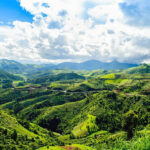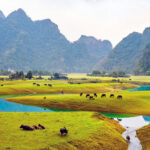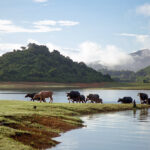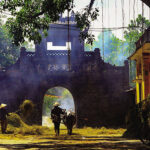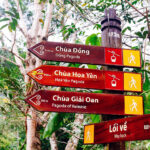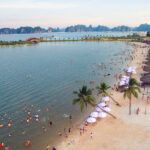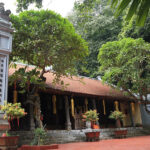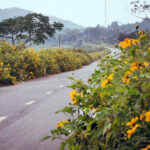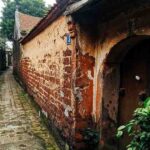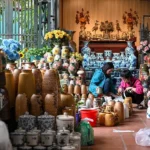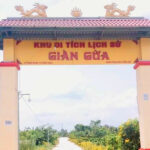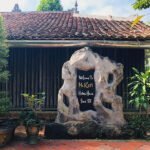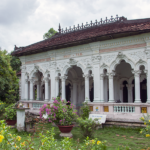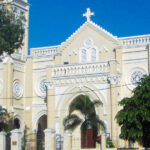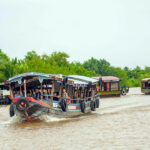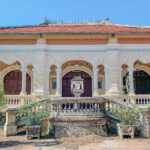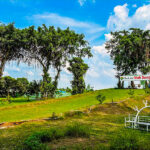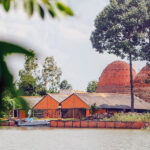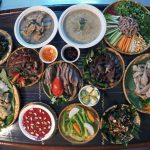

Dong Nai is a province in Vietnam’s Southeast region, located east and northeast of Ho Chi Minh City. It has many historical and cultural relics and potential tourist spots. Additionally, the province is home to many eco-tourism areas with beautiful landscapes, ideal for camping, hiking, or picnicking.
Table of Contents
General information about Dong Nai
Dong Nai (Vietnamese: Đồng Nai) is the gateway and bridge connecting the Central Highlands with the Mekong Delta and Cambodia. This province is located in the key economic region of the South, bordering Lam Dong to the east, Tay Ninh to the west, Ho Chi Minh to the south, and Cambodia to the north and northwest.
In 2025, Binh Phuoc was merged into Dong Nai, increasing the province’s total area to 12,737.17 km². In terms of tradition, history, and culture, Dong Nai is one of the oldest provinces in the South, with a history spanning more than 325 years of formation and development, closely linked to the exploration and shaping of the Southern land.
What is the best time to explore Dong Nai?
The province lies in the monsoon tropical zone and is influenced by the Pacific Ocean’s tropical atmosphere from April to October. The climate is divided into two distinct seasons: the rainy season lasts from March or April to November, and the dry season from December to March or April of the following year. So if you want to do trekking or camping, the dry season would be the best time for you.
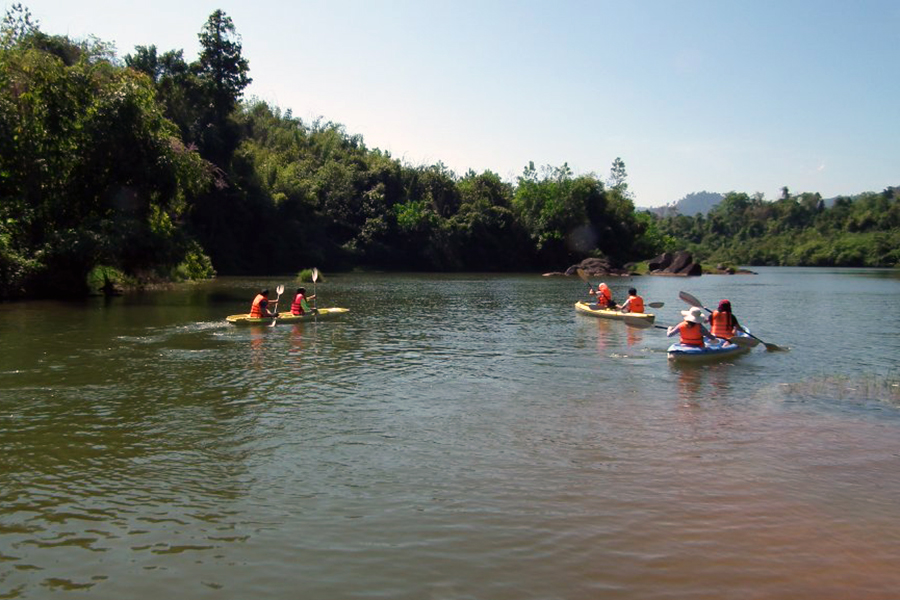
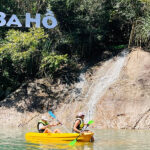
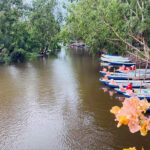
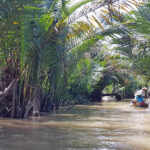
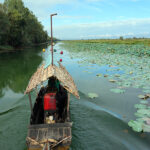
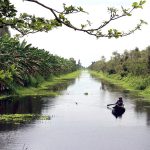
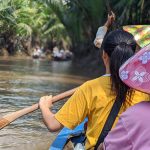
Kayak in Dong Nai River
Accommodation
There are many accommodation options in Bien Hoa and Dong Xoai. Bom Bo Hotel, An Loc Spa & Hotel, and My Le are highly rated establishments. Room rates range from 550,000 to about 3.4 million VND per night. Some motels and 1-2-star hotels in Dong Xoai charge 150,000-500,000 VND per night.
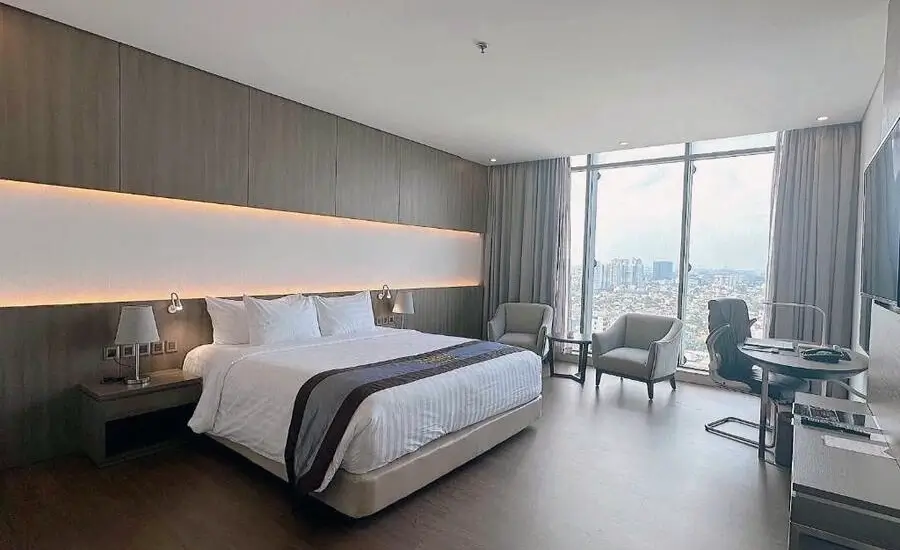
A view from Mira Central Park hotel (source: hotel)
Hotels in Bien Hoa city, such as The Mira Central Park, Aurora Hotel Plaza, and Maison Park Hotel, are highly rated establishments. Room rates range from 1,500,000 VND per night. Some motels and 1-2-star hotels in Long Khanh Ward cost from 150,000 to 500,000 VND per night. If you want to immerse yourself in nature, you can find accommodation services near Cat Tien or Bu Gia Map National Park, such as Orchard Home Resort and Nam Cat Tien homestay.
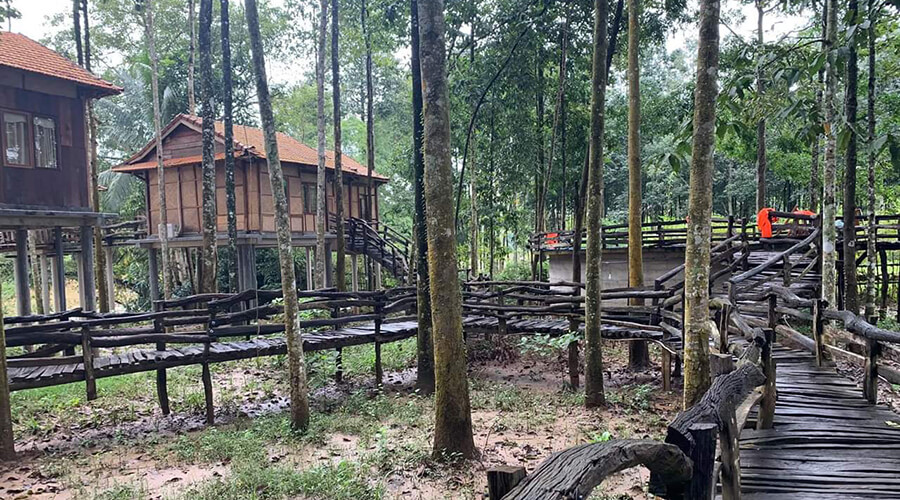
homestay in Nam Cat Tien
These areas also allow you to camp overnight in the Park, for 100,000 VND per person (you must prepare your own tent).
Tourist attractions in Dong Nai
The travel-addicted community has long known Dong Nai as a destination offering all the elements of the Southern region, including clean ecological areas, fruit gardens, waterfalls, national parks, and picturesque mountains. All promise to be a great tourist destination for everyone.
Nature & wildlife areas
Cat Tien National Park
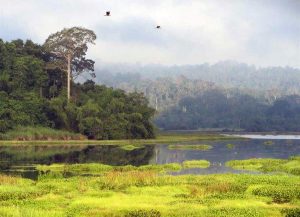
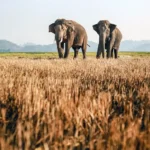
Cat Tien National Park is a nature reserve located 150km north of Saigon. This is Vietnam’s largest national park, with a diverse and rich ecosystem. It’s a home of more than 1362 plant species and 62 animal species. Many of them are listed in Vietnam’s Red Book or classified as rare species.
In the summer, the climate here is cool, making it the most suitable time for traveling. This is one of the most attractive cultures and eco-tourism destinations in the Southeast Region. Tourists can choose from a range of tours, including camping, trekking, night wildlife viewing, visits to ethnic villages, river kayaking, and other adventurous options.
The Cat Tien National Park also preserves historical sites, including a revolutionary base, making your trip to explore the Dong Nai area more interesting.
Chua Chan Mountain
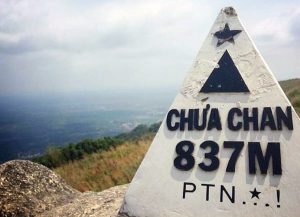
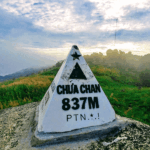
Chua Chan Mountain is named after the Cham people, an ethnic group in Vietnam; it is also known as Chơk Chăn (mountain) or as Gia Ray/Gia Lao. This is the second-highest mountain in the South, after Ba Den (Black Virgin) Mountain, at an elevation of 837m above sea level. This is a charming, unique landscape in Dong Nai and a rare sight in the South.
The natural landscape of Chua Chan Mountain is beautiful, with many fresh streams year-round hidden beneath immense forests, along with man-made relics such as Buu Quang Pagoda, Lam Son Pagoda, Linh Son Pagoda, and the tea garden of King Bao Dai, forming a unique landscape complex in the Southeast. It was recognized as a national heritage site in 2012.
Location: Xuan Loc commune.
Bu Gia Map National Park
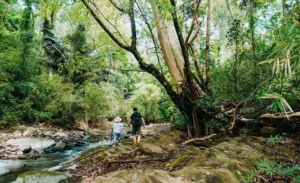 Bu Gia Map National Park is located in northeastern Dong Nai, about 90 km from Dong Xoai Ward, according to TL741. Bu Gia Map is situated in the lowlands of the southern Central Highlands, with the highest peak at 700 m above sea level. In addition to housing many rare genes and supporting a rich flora and fauna, this destination is also suitable for those who love adventure and wild nature.
To explore the national park, you need to spend at least 2 days and 1 night. This time is enough to experience many places, such as Dak Mai Waterfall and Hoa Mai Lake, visit heritage trees, immerse yourself in nature, and see the relic of the end of the North-South petroleum pipeline. The evening is a suitable time to organize cultural exchanges, enjoy unique Stieng dishes, and go night hunting in the forest.
Ba Ra Mountain
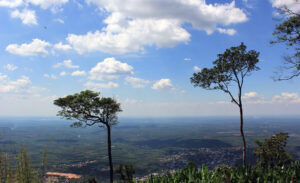 Located at an altitude of 730 m above sea level, Ba Ra Mountain is considered the third-highest mountain in the South, after Ba Den (Tay Ninh) and Chua Chan (Gia Lai Mountain, Dong Nai). Ba Ra is located in Phuoc Long Ward, about 50 km from Dong Xoai, and is a popular trekking destination. The Stieng people call this mountain “Bônom Brah,” which means “God Mountain”. The air is fresh, and the scenery is breathtaking.
From the top of the mountain, you can see the surrounding areas and Thac Mo Lake at the foot of the mountain.
Tri An Reservoir
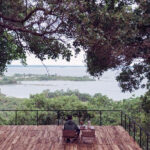
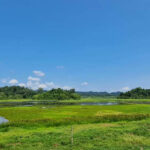
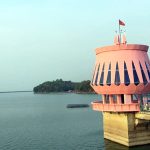
Tri An Reservoir has a surface area of 323 km². The lake is designed to supply water to the Tri An Hydropower Plant. Upstream of the lake lies Cat Tien National Park, which contains extensive remaining green vegetation and numerous rare animal species. On Tri An Lake, there are 72 large and small islands, with people living on them.
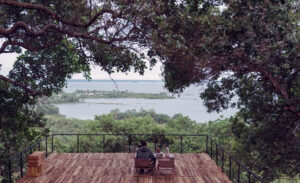 In the dry season, the lake dries up, and the grass turns green, creating vast grasslands that attract many tourists to Dong Nai. Visitors can camp overnight at Tri An Lake, with many services available, priced from 800,000 to 1.8 million VND per person, including dinner, BBQ, and camping. Guests can choose to take a canoe to O Dong Truong Island in the middle of the lake for 150,000 VND per person. There are many entertainment services available, such as bicycle and electric car rentals throughout the island.
Tri An Reservoir is also an ideal place to paddle a SUP to watch the sunset or sunrise. Guests should wear life jackets and have a guide during the experience to ensure safety.
Scared temples and pagodas
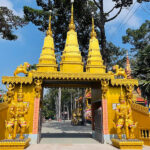
Soc Lon Pagoda
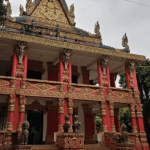
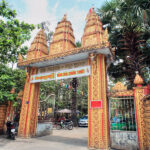
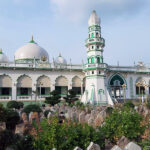
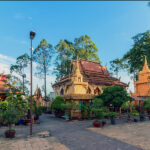
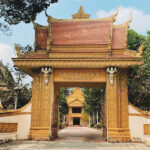
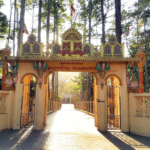
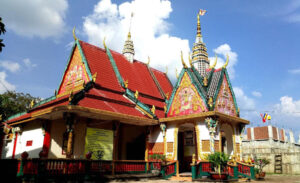 Soc Lon Pagoda is located in Soc Lon Hamlet, Loc Hung Commune. This is the oldest Khmer pagoda in Dong Nai, built in 1931, with an area of over 1,200 m². At the pagoda, visitors can learn about the spiritual life of indigenous peoples and experience cultural activities and traditional Khmer festivals.
The pagoda is considered a “museum” that helps you have a comprehensive view of the customs, practices, religions, and cultural history of the Khmer people. The pagoda is large and distinctive in its architecture and was ranked among the country’s top 100 most popular cultural and spiritual tourist destinations in 2016.
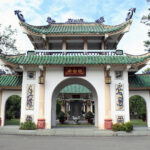
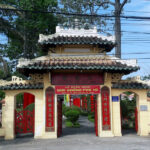
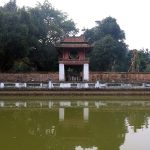
Tran Bien Temple of Literature
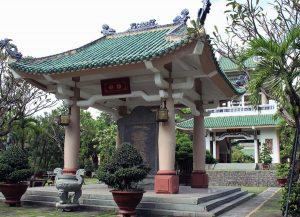
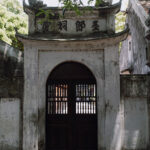
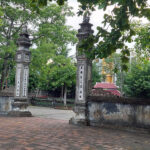
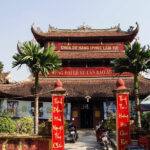
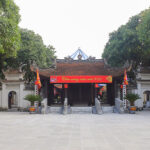
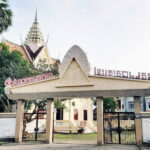
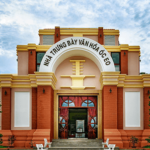
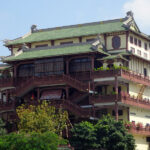
Located on a campus spanning up to 15 hectares in Tran Bien ward, the site is easily accessible by motorbike, car, or bus. This is the university for students in the south, built in 1715. This temple was established to honor Confucius and other Vietnamese cultural celebrities. Van Mieu Tran Bien, known as the “Temple of Literature Quoc Tu Giam” of the South, is a symbol of Vietnamese traditions of learning, temperament, and culture. In December 1861, when French troops occupied Bien Hoa, the temple was destroyed. It was rebuilt in the late 20th century to help today’s generations understand the history and culture of Vietnamese education.
Every year, there are 02 major events held at the temple: Vinh Xuan in the second lunar month and Thu Vinh in the eighth lunar month.
Waterfalls
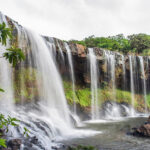
Elephant Waterfall is located in the Bu Lach grassland ecological complex. According to longtime residents, this area once had many dead elephants, whose bones were piled up to form hills, hence the name Elephant Waterfall. With a height of about 15 m, the waterfall is likened to a fairy with long hair. The road to Elephant Waterfall is narrow and bumpy, following the hills. However, after reaching the waterfall, you will be able to admire the poetic and romantic beauty.
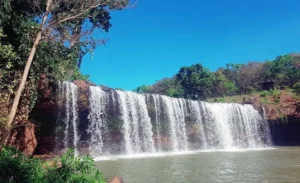
Dak Mai Waterfall is one of the wildest attractions in Bu Gia Map, adjacent to the National Park. The waterfall is about 50 m wide and 12 m high. To reach this waterfall, you have to overcome steep hill roads. On the water surface, a layer of rocks with uneven shapes and sizes is relatively flat due to erosion from the waterfall. When walking on the rocks, you feel like you have to feel each step.
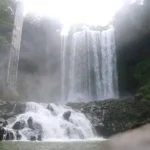
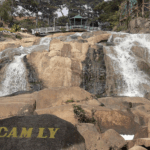
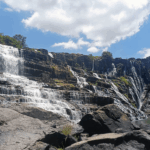
Dung Waterfall is endowed by nature with unique tectonic features and is considered one of the most beautiful waterfalls in the province. The waterfall is about 5-6m high and 10m wide, with a fast, strong flow over the rocks, creating white foam. Below the waterfall are many large rocks, and on both sides are lawns and tree canopies. These rocks are also arranged in a row to form a path that allows visitors to cross both sides of the bank on rainy days when the water flows lightly.
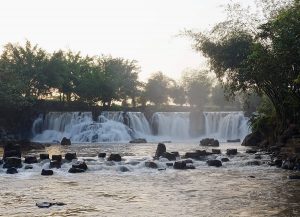
Giang Dien waterfall is located at 104/4 Hoa Binh Hamlet, Trang Bom Commune. The waterfall has an unspoiled natural beauty. A wild landscape surrounded by green trees and rocks helps you immerse yourself in nature, away from the bustling urban atmosphere. Giang Dien Waterfall Eco-Tourism Area covers more than 67 hectares and includes an ecotourism complex. The waterfall is 17 meters high, composed of 3 waterfalls: Chang, Nang, and Giang Dien – the main one. Along the banks of the waterfall, rocks of many sizes overlap, creating beautiful, poetic, and charming sights amid fresh air.
Giang Dien is an ideal destination for picnics, buffet parties, BBQ parties, outdoor European-style weddings, and organizing conferences, seminars, events, and camping.
Orchards and traditional villages
Tan Trieu Pomelo Village
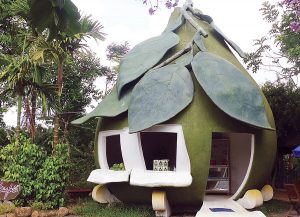
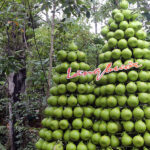
Tan Trieu Pomelo Village is located in Tan Trieu commune, about 10km from Bien Hoa. It’s well known for its many pomelo orchards. The name “Tan Trieu” means “new court.” Nguyen Anh Imperial gave it, and it has remained to this day. When you come here, you’re likely to be offered fruit samples to taste a variety of pomeios. Furthermore, the pomelo here is famously delicious, and processed into many tasty dishes such as: pomelo tea, pomelo wine, pomelo steamed chicken, pomelo sweetened compote, sugared pomelo, and pomelo salad – one of most delicious dishes, which is made by mixing pomelo with boiled shrimp and pork, some basil and other ingredients like chilli, carrots, peanuts and sugar. This dish is best served with griddle cakes and a sour and spicy sauce
It will surely give you an unforgettable experience to visit a peaceful village with lush green pomelo orchards and enjoy the local specialities.
Long Khanh Fruit Garden
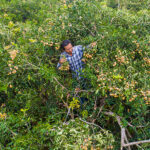
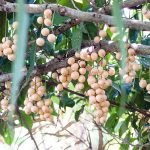
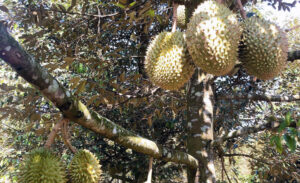 Long Khanh is considered the fruit granary of the Southeast, with guava, mangosteen, durian, jackfruit, and rambutan. In the summer, the gardens in Xuan Lap and Binh Loc wards open their doors to visitors for free rambutan picking; after picking, visitors can purchase the fruit at the garden.
Some fruit gardens in Long Khanh are located on gentle slopes, so when coming here, visitors feel like they are in the Central Highlands. Overcoming the slopes of red soil and immersing yourself in the airy spaces of fruit gardens, rubber trees, … to find relaxing moments on weekends is a choice for some young people living in Ho Chi Minh City and neighboring provinces. Early in the morning, coming to the fruit garden and standing at the top of the slope, looking down, the mist drifts and the cool climate creates a sense of relaxation and lightness.
Historical sites
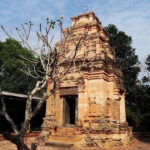
Hang Gon tomb
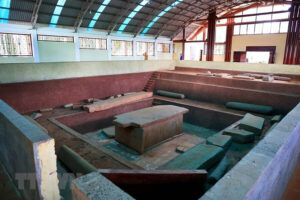
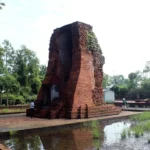
Hang Gon ancient tomb was accidentally discovered by Mr. Jean Bouchot, a French engineer, when opening road No. 2 (now Highway 56) in 1927. The tomb’s distinctive feature is its structure of joined granite blocks and long stone pillars, each weighing about 30-40 tons, dating to the period 150 BC to 240 AD.
According to archaeologists, this type of stone could be found only in Da Lat or Phan Rang. The tomb is of the “Dolmen” type, with unique and rare architecture not only in Vietnam but also in the region and worldwide. It was one of the earliest monuments to be nationally ranked in 1982. Furthermore, the Cu Thach Hang Gon tomb is the oldest and largest in Vietnam and has been preserved to this day.
Hang Gon Ancient Tomb is located in Hang Gon Ward, 250 meters above sea level, west of the interprovincial Road No. 2 (from Long Khanh to Ba Ria), 80 kilometers from Bien Hoa.
Ecological tourism areas
There are many ecological tourism areas in Dong Nai where you and your family members, as well as friends, can relax in the cool, fresh air and organize BBQs and camping. Furthermore, a wide variety of games are hosted in these areas, waiting for you. Below are some of the most famous ecological tourism areas:
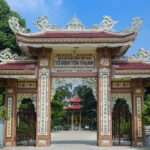
Buu Long Tourist Area
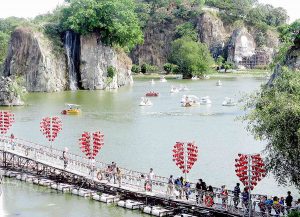
Located on Huynh Van Nghe Street, Tran Bien ward, around 6km away from the city center. Buu Long tourist area is one of the most popular destinations in the province, attracting visitors from within and outside the province to travel with family and friends, especially on weekends and holidays.
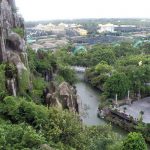
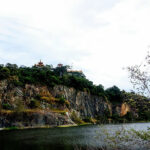
The whole tourist area is 84 hectares. It features mountains, pagodas, and the most notable feature: Long An Lake, an artificial reservoir covering more than 10 hectares. Long An Lake resembles a miniature Ha Long Bay, with crystal-clear water and numerous rocky outcrops resembling small islets.
Additionally, the Buu Long tourist area is surrounded by sites such as Buu Phong ancient pagoda, Long Son Thach Dong pagoda, Thien Hau ancient temple, and the National Historic Site of Van Mieu Tran Bien, forming a complex of living spiritual sites. From the top of Mount Buu Long, you can admire a panoramic view of Bien Hoa city, which houses many factories and a green stretch of fields interwoven with branches of the Dong Nai river.
Vuon Xoai Tourist Area
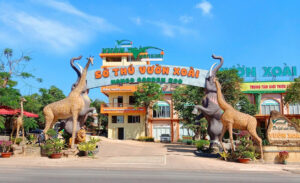 Located in 537 Dinh Quang An Street, Phuoc Tan ward, Vuon Xoai Eco-tourism Area is known to many tourists. With an area of over 50 hectares, this site features diverse landscapes, including forests, lakes, fruit gardens, and zoos. Visitors can participate in activities such as ostrich riding, grass sliding, kayaking, and basket boating.
In addition, visitors can walk to observe wildlife such as crocodiles, tigers, horses, ostriches, wild boar, deer, and many rare birds. Sports activities are held in open spaces, such as swimming pools, tennis courts, multipurpose gymnasiums, and group camping areas.
Entrance fees start from 100,000 VND.
Bo Cap Vang Tourist Area
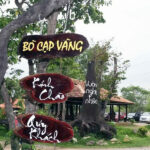
 Bo Cap Vang (Golden Scorpion) Tourist Area, Located in Hamlet 3, Dai Phuoc Commune. The tourist area is surrounded by rivers and fruit gardens, creating a fresh atmosphere, suitable for organizing family picnics on weekends.
Visitors can participate in many games on the shore and in the water, including folk games such as walking across coconut, rope, and swing bridges; catching fish; and thrilling zipline activities. They can also try SUP rowing. The tourist area is well-suited for team-building activities for groups of guests.
The ticket price for adults is 80,000 VND, and for children it is 40,000 VND.
What food should you try during your trip to explore Dong Nai?
Dong Nai is home to many ethnic groups, so its traditional dishes are diverse, combining many ingredients and reflecting community solidarity.
Free-range pork
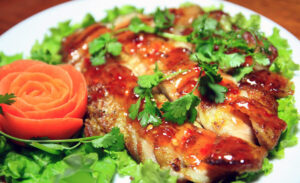 Free-range pigs, raised by ethnic minorities living around Bom Bo Commune, are semi-wild pigs. During the day, they roam freely to find food, and at night, they return to their family’s pens. Because of its delicious, firm, and lean meat, free-range pork is one of the most preferred ingredients among local consumers. This is a type of pig raised free-range and fed only natural feed, resulting in meat that is almost fat-free, sweet, and chewy. It is often raised by the Stieng people.
The meat can be prepared in many ways, such as grilled or steamed. Grilled pork is served with green bananas, raw vegetables, especially wild vegetables.
Cashew salad
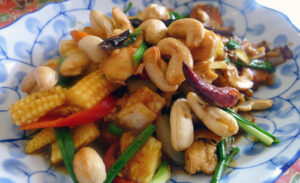 A dish you must try when visiting Dong Nai is cashew salad. Cashews replace peanuts, combined with pork belly, prawns, and herbs, creating a salad with balanced flavors that is delicious and refreshing.
After preparing all the salad ingredients, the chef proceeds to mix the dressing, which includes fish sauce, sugar, lemon, garlic, and chili. Put all the ingredients in a large bowl, add the seasoned dressing to taste, and mix well.
Cashew fruit salad is best when eaten with rice paper. In addition to shrimp and pork, Binh Phuoc people creatively add squid or chicken to the salad, which is also very delicious.
Bamboo rice
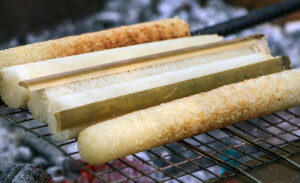 This is a popular dish among ethnic groups in old Binh Phuoc (now Dong Nai Province). Rice (ordinary or sticky) is placed in bamboo tubes, reeds, or bamboo shoots, and beans are added to enhance flavor. The bamboo tubes selected for cooking are neither too young nor too old. After the rice is cooked, let it cool, and visitors peel off the skin to keep the “bamboo coat”.
When eating, cut it into small pieces and dip it in peanut or sesame salt. Bamboo rice has the natural sweetness of rice mixed with the aroma of bamboo.
Cicadas
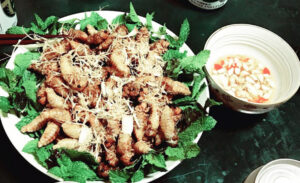 This is a rare specialty dish, hand-harvested and prepared for guests. In the summer, cicadas live a lot on cashew and rambutan trees. When it gets dark, the cicadas molt from larvae to adults, and this process takes place very quickly.
After only about 30 minutes of molting, the wings dry and harden, making them inedible. And these molts are called milk cicadas. Milk cicadas can be cooked into porridge, fried in flour, stir-fried with onions, but the best is still fried crispy. The fragrant aroma of hot, crispy fried cicadas, enhanced with a touch of lime leaves, is sure to tempt diners. Locals often dip this dish in a garlic-and-chili fish sauce or wrap it in betel leaves, both of which stimulate the taste buds and balance the richness.
Tan Trieu grapefruit salad
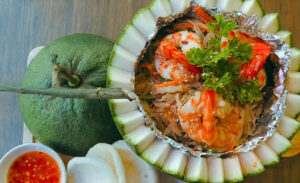 Tan Trieu grapefruit has long been a famous specialty in Dong Nai. It is a large grapefruit with thin skin, yellow segments, lots of juice, and a cool, sweet taste. This is not only a famous fruit specialty but also an ingredient that creates many unique dishes, such as Tan Trieu grapefruit salad.
Enjoying Tan Trieu grapefruit salad, Dong Nai, you can feel the harmony and specialness in each flavor and color of the dish, which is the sweet, succulent feeling from the grapefruit cloves, combined with the sweet river shrimp, shredded meat, and dried meat, adding a little peanuts and herbs for a unique flavor.
Steamed chicken with grapefruit
This dish, with a curious name, is also a specialty of Dong Nai. The finished product is a dish with tender chicken, a sweet flavor complemented by grapefruit aromas, and extremely delicious.
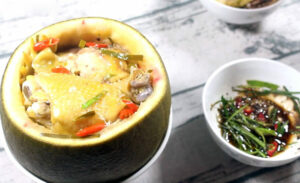
The grapefruit chosen for the dish must be just ripe. The chef then skillfully separates the skin from the flesh, meticulously trimming the peel to ensure it does not fall apart. After cleaning, the chicken is placed inside a grapefruit, marinated in spices, and then steamed.
When bringing out the steamed grapefruit, the scent of grapefruit and chicken harmonizes with each other along with the smoke. The pieces of chicken are golden, sweet, and richly spiced, with a hint of Tan Trieu grapefruit that makes the dish more special. Coming to explore Dong Nai, you must try at least one dish with the presence of Tan Trieu grapefruit.
Bitter melon leaf hotpot
 Wild bitter melon lives and grows in abundance in the rural area of Dong Nai. It has a very bitter taste but still has a sweet and rich aftertaste. However, the local people have cleverly turned that special flavor into wild bitter melon leaf hot pot, a unique Dong Nai specialty dish.
When eaten, wild bitter melon leaves are dipped into the sweetness of hot pot broth made from fish or meat,…with some wild bitter melon fruits stuffed with meat in the middle. All of them bring a very special flavor and stimulate the taste buds. If you come to Dong Nai and don’t try forest bitter melon leaf hotpot, it’s a waste.
Specialty to buy as gifts
Dong Nai is famous for its specialties, known to visitors from around the world as the capital of cashew cultivation, with a large export area and output. This is also a great gift.
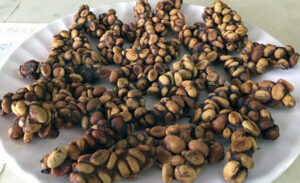
Coffee is not only famous in the Central Highlands, but in the old Binh Phuoc area, it is also highly appreciated for its distinctive aroma and rich flavor. Diners can purchase weasel coffee, pre-ground coffee, or whole-bean coffee.
Tan Thanh tangerines have a sweet and slightly sour taste. The tangerines here are advertised as grown using high-quality practices, with minimal fertilizer or pesticide use, making them suitable as gifts. Dong Nai is also known for jackfruit, especially the turmeric-flavored variety in Loc An commune, for its high yield and thick, fragrant segments.
Vietdreamtravel also provides package tours and car/bus rental services to explore Dong Nai. Do not hesitate to contact us for any booking requirements.
Source: collected by An