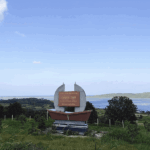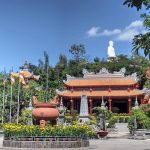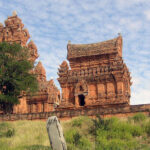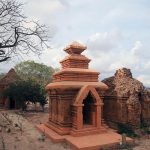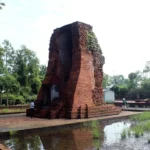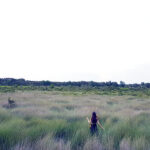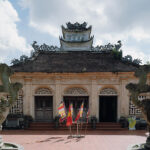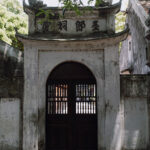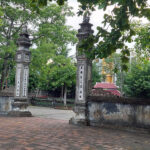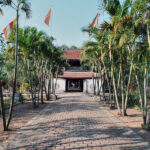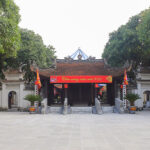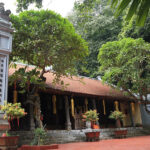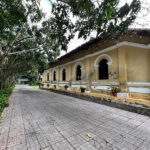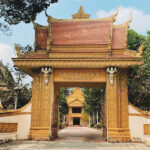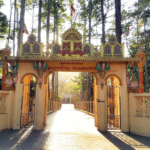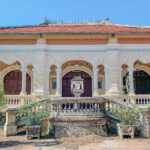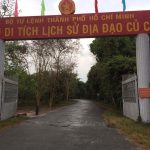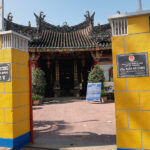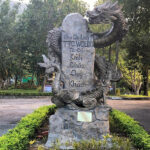

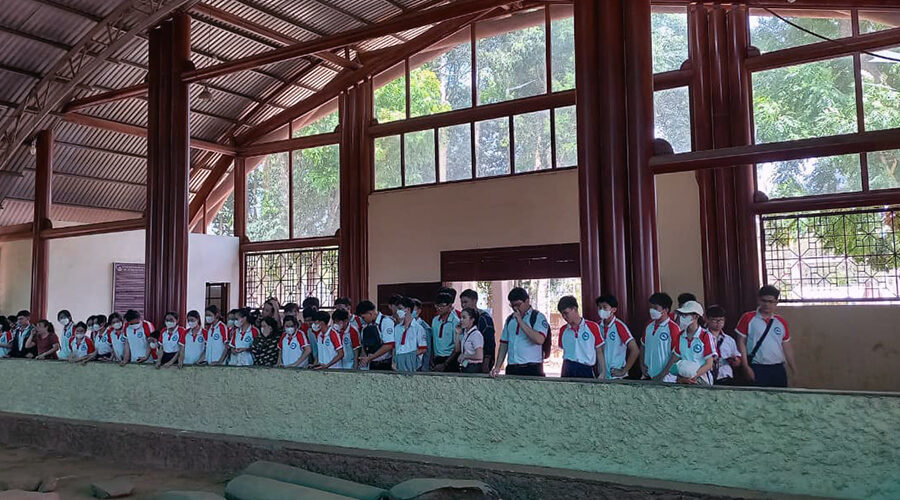
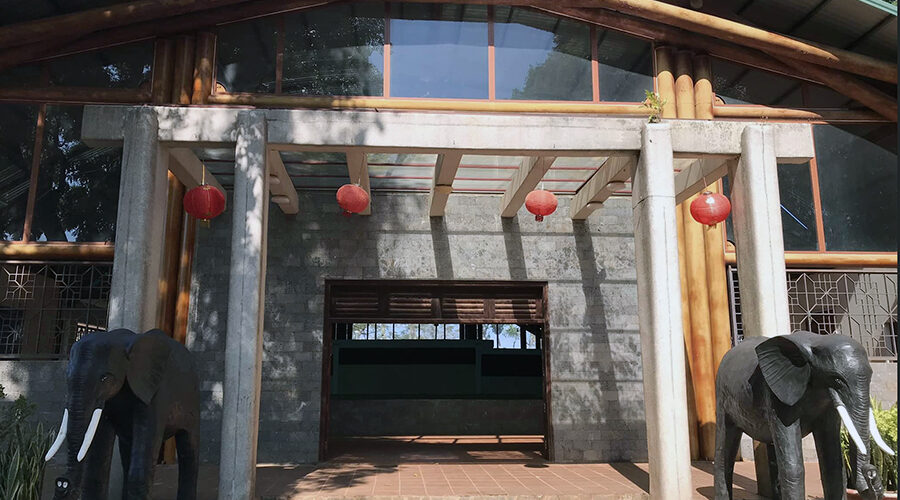


The Hang Gon Ancient Tomb was discovered by Jean Bouehot (French engineer) in 1927 while presiding over the project to open road No. 2 from Long Khanh province (formerly) to Ba Ria-Vung Tau (now National Highway 56). Right after discovering the tomb, many researchers excavated and recovered many artifacts and stored them at the Mossee Blanchard de la Brosse Museum (now the Vietnam History Museum in Ho Chi Minh City). To this day, this ancient tomb continues to attract the attention of archaeologists. It has also become an attractive destination for tourists visiting Dong Nai.
Was Hang Gon Ancient Tomb built for an authority figure?
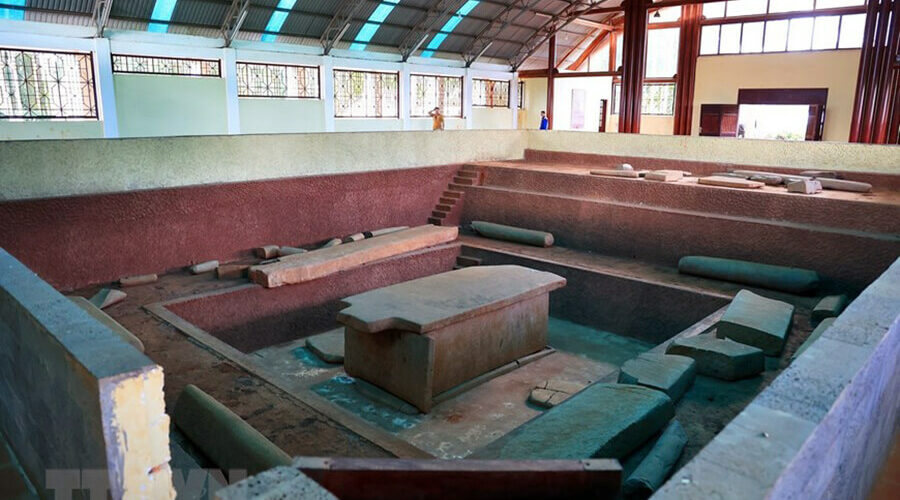
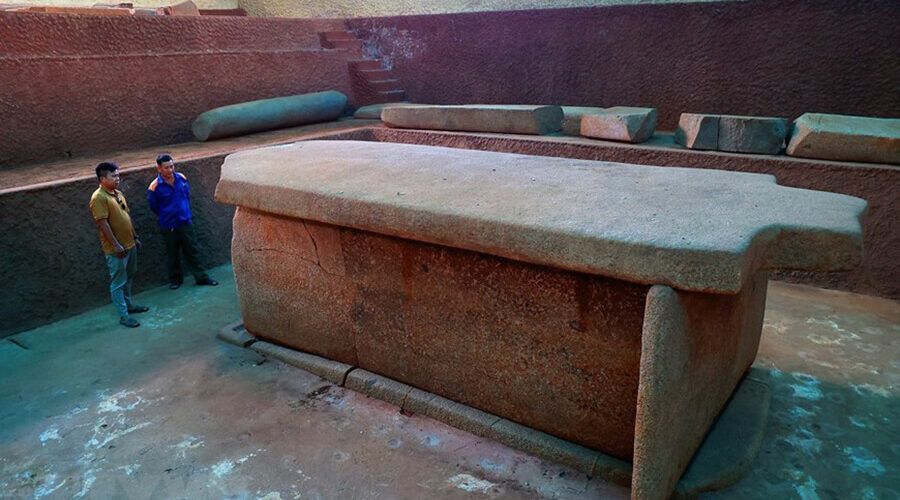
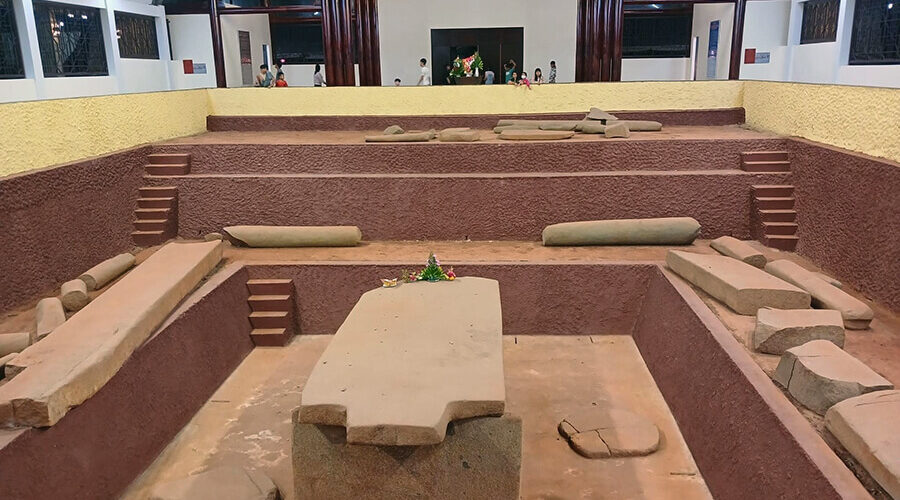
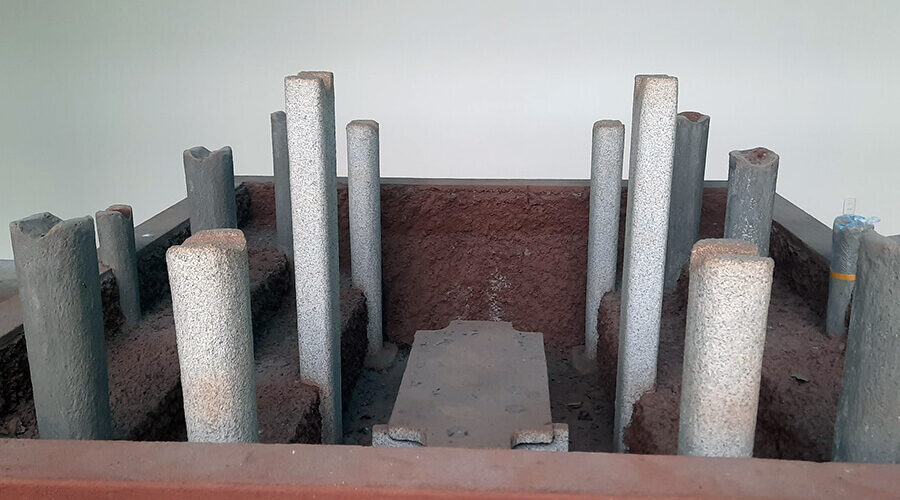
Hang Gon Ancient Tomb is a type of tomb composed of large marble slabs and long stone pillars, each weighing approximately 30-40 tons. Externally, the ancient tomb is 4.2m long, 2.7m wide, and 1.6m high, rectangular in shape, and composed of 6 monolithic marble panels (resembling a stone coffin). Around the tomb, there are two large stone pillars, 7.2m long, 1.1m wide, and 35cm thick, and 10 sandstone pillars, with lengths ranging from 2.5m to 3m. Scientists regard this as a unique relic of the art and techniques of ancient South Asian peoples in general, and of ancient Vietnamese people in particular.
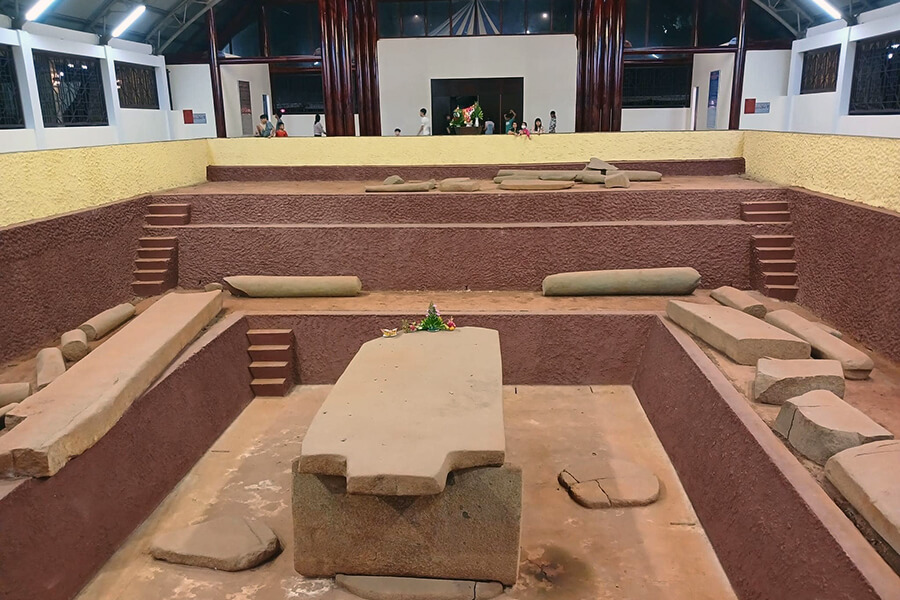
Through comparative analysis, researchers have concluded that the owner of the giant stone tomb is a powerful figure, the leader of an economically and militarily powerful tribe or confederation of tribes. The date of the monument is estimated to fall between 150 BC and 240 AD.
How are giant blocks of stone transported?
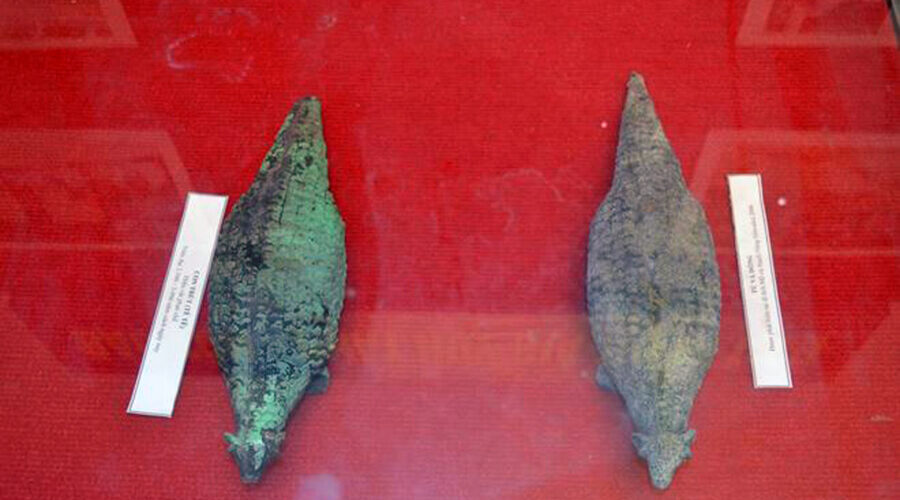
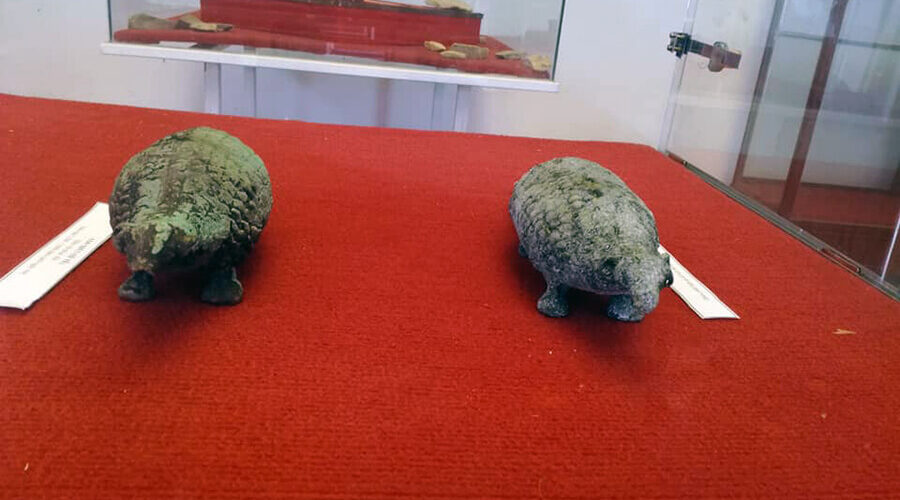
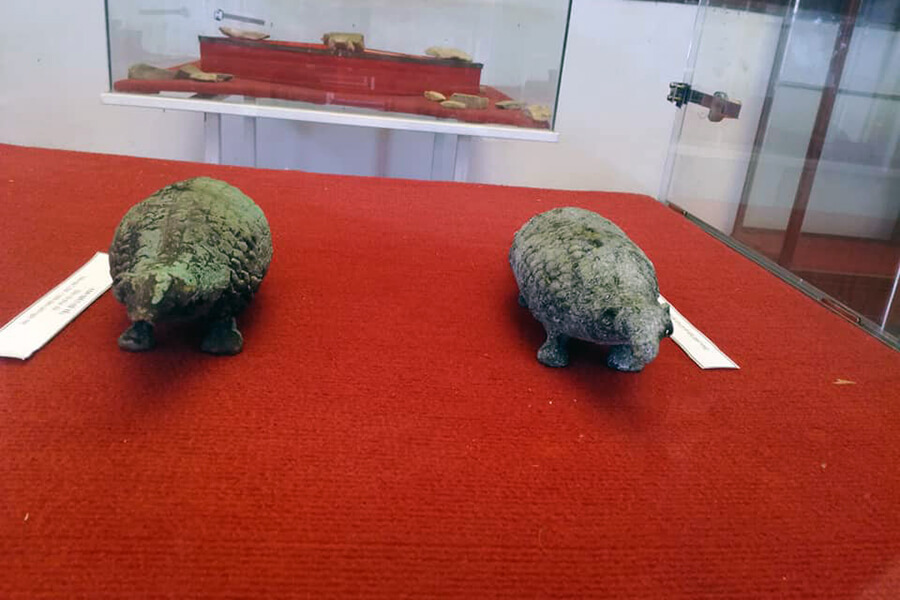
In 1982, 2006, and 2007, numerous large-scale investigations and surveys were conducted. During the reconnaissance digging process, traces of burnt soil were discovered, with abundant coal ash and metal slag; 2 bronze horns and 2 stone grinding tables & pillars, many ceramic and stone artifacts, and grinding tools.
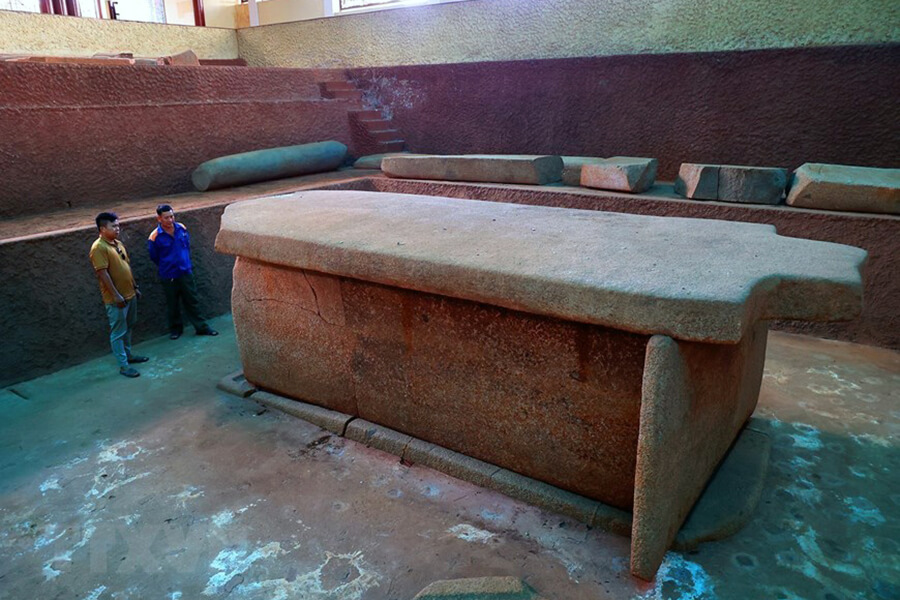
In particular, at the previously identified stone workshop, the survey team also found stone slabs, stone columns, numerous scrap stone pieces, and numerous working tools. This indicates that the ancients transported large blocks of stone to Hang Gon for processing and the creation of stone pillars used in tomb architecture, including large marble panels that weighed approximately 30-40 tons when discovered.
However, many researchers ask how blocks of stone weighing tens of tons, determined to originate from the Central Highlands and South Central provinces, were transported to Dong Nai through the wilderness without a waterway.
Hang Gon Ancient Tomb – An tourist attraction
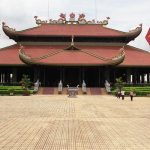
In 2011, the project to restore and embellish the Hang Gon ancient tomb relic was initiated, comprising the following components: the tomb area, processing area, Ong Da Temple, Tho Than Temple, and other auxiliary works.
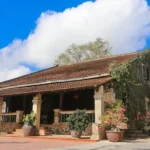
In particular, the covering house project is the largest in the Hang Gon ancient tomb relics, covering the entire tomb. Inside the shelter, a corridor leads to the crypt, with a gradual slope from top to bottom.
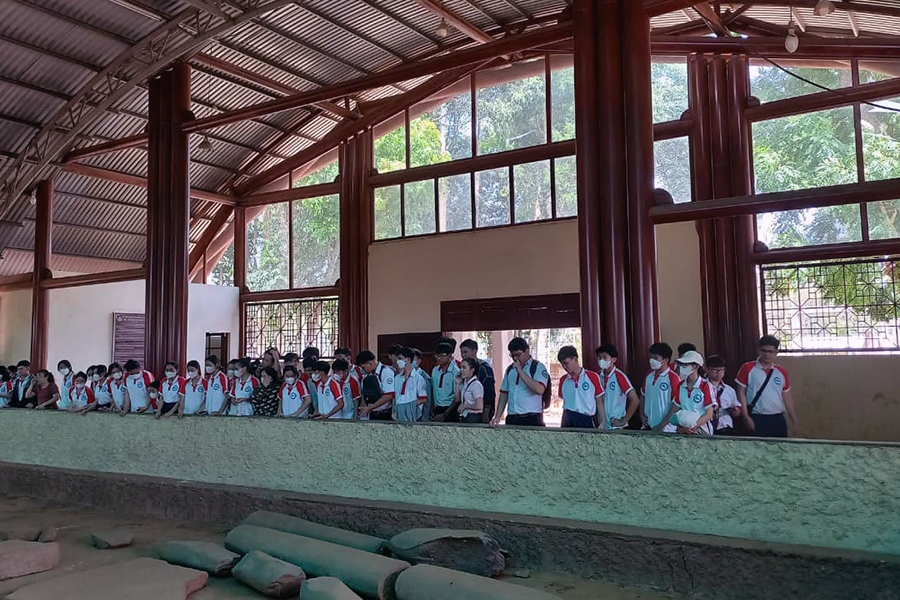
Specifically, every year, on the 13th day of the 9th lunar month at the Hang Gon Ancient Tomb relic, the Ong Stone Festival (the folk name for the ancient tomb) is held with the purpose of praying for favorable weather and peace for the country, lush crops, with the participation of thousands of people and tourists.
Among the province’s 53 ranked relics, the Hang Gon Megalithic Tomb was designated a national relic in 1982, making it among the earliest to be ranked. In 2015, it remained recognized as a special national relic.
- Address: Hang Gon, Long Khanh, Dong Nai.
- Best for: solo, family, student.
- Entrance: Free
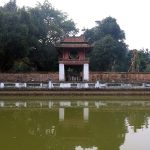
- Tourist spots nearby: Tran Bien Temple of Literature, Buu Long Tourist Area, Golden Scorpion Ecotourism…
Source: collected by An
Follow us for the best deals on Vietnam package tours and visa services!