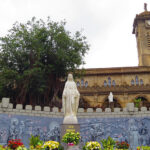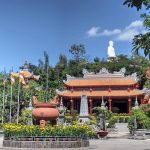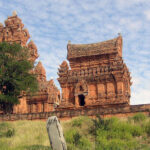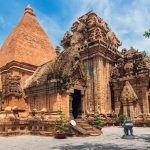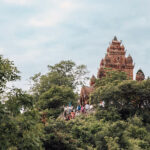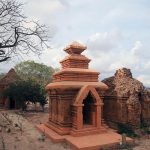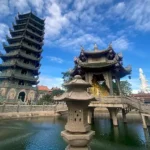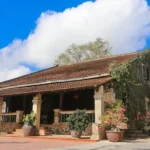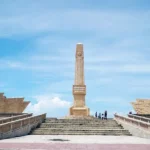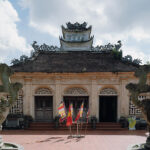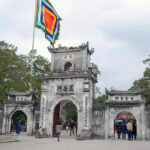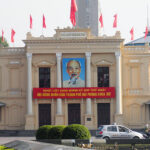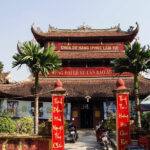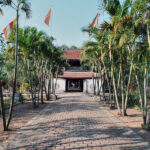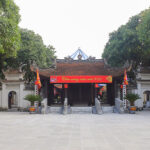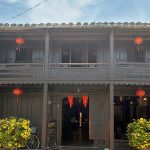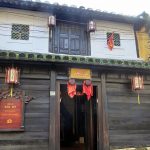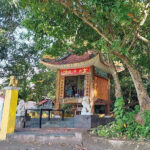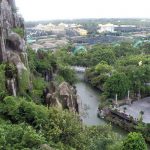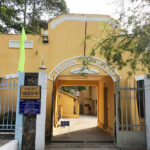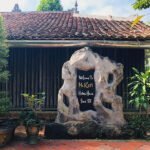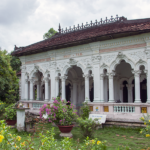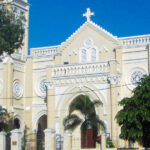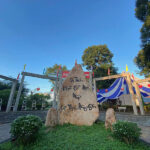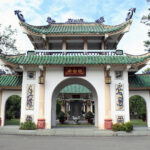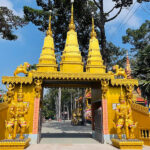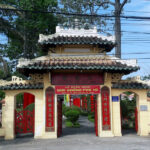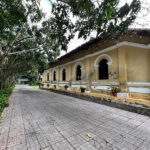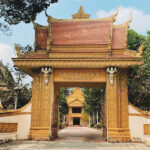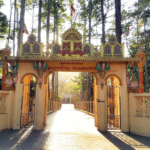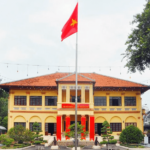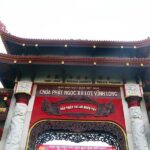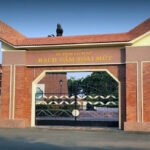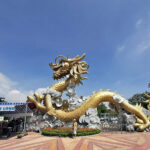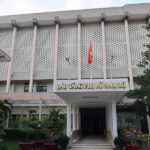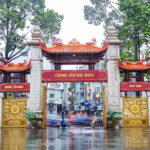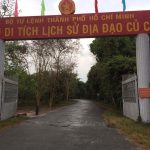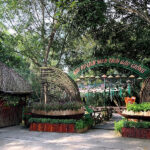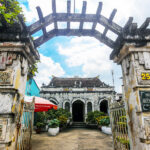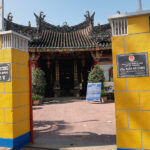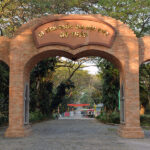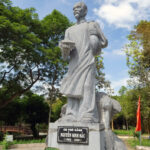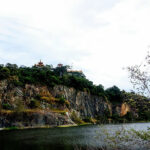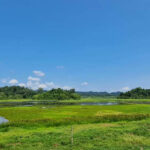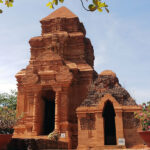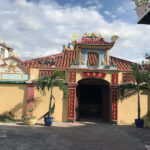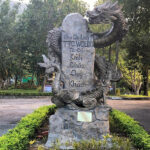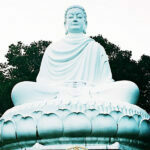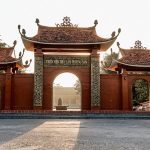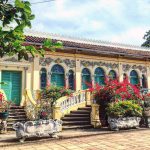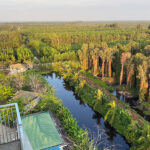
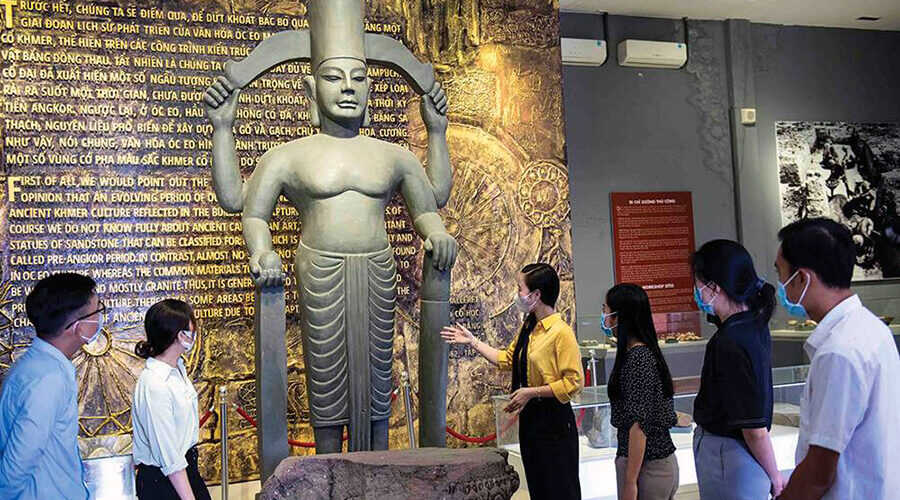


Oc Eo relic is a famous landmark of the Southwest region in general and An Giang province in particular. It is well known both domestically and internationally because it is a large, ancient relic site. Approximately 2,000 years ago, this site was the capital of the Funan kingdom, a powerful state in Southeast Asia.
Interesting things about the Oc Eo relic area
Oc Eo is the name of a mound of dirt and rocks emerging on a field south of Ba The mountain. In 1944, from historical information and ancient bibliographies, Mr. Louis Malleret, an archaeologist at that time working as librarian of the Saigon Museum, went to the Oc Eo area, now in Oc Eo Commune, to excavate traces of a port that has now collapsed underground and discovered traces of archaeological sites of Oc Eo culture.
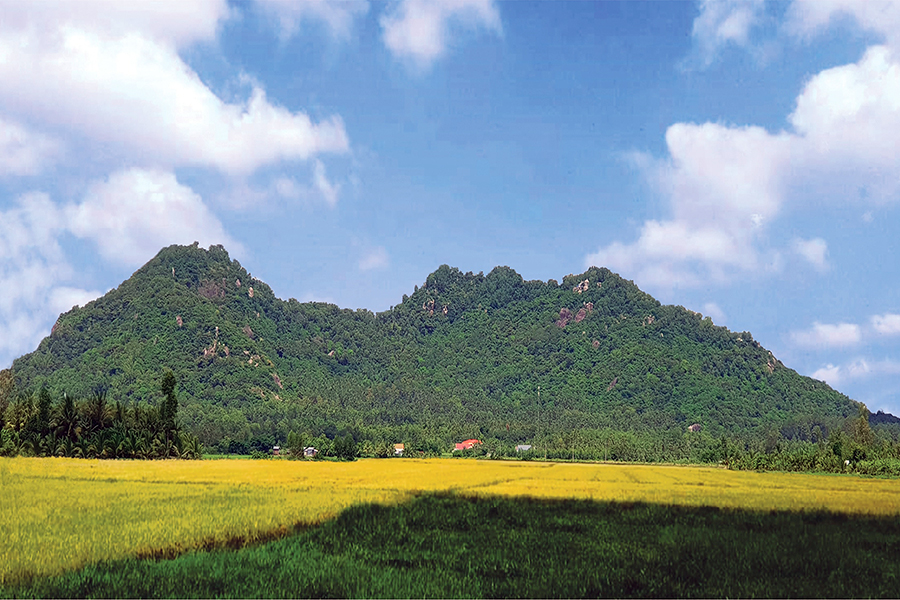
This is a vestige of a large and brilliant civilization that existed from the 1st to the 8th century and has been discovered in many places, including An Giang Province, which is considered an important area with the highest concentration of various types of monuments and relics. The Oc Eo mound in Ba The (Oc Eo Commune) was the first site to yield essential relics of that ancient civilization, and Oc Eo has since become the common name for all such relics discovered in other localities.
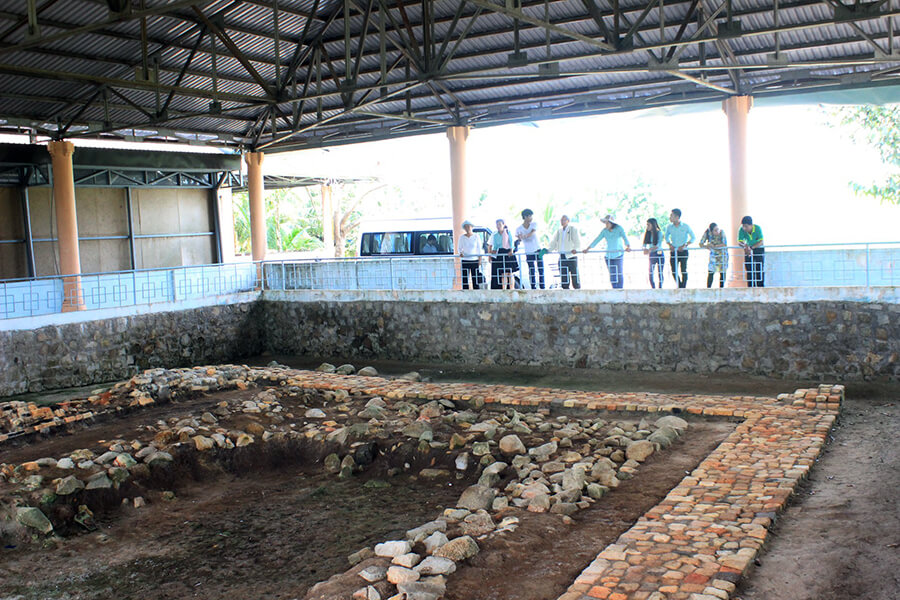
The Oc Eo relic area includes three main items: the Cay Thi mount, Ut Tranh mount, and Linh Son Nam relics.
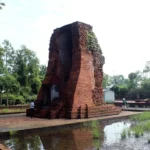
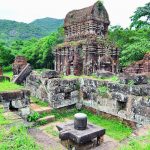
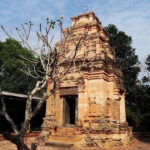
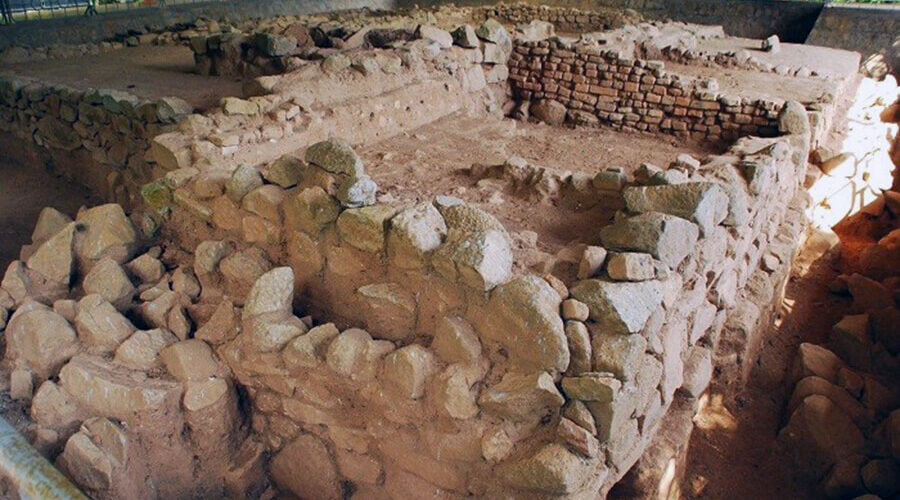
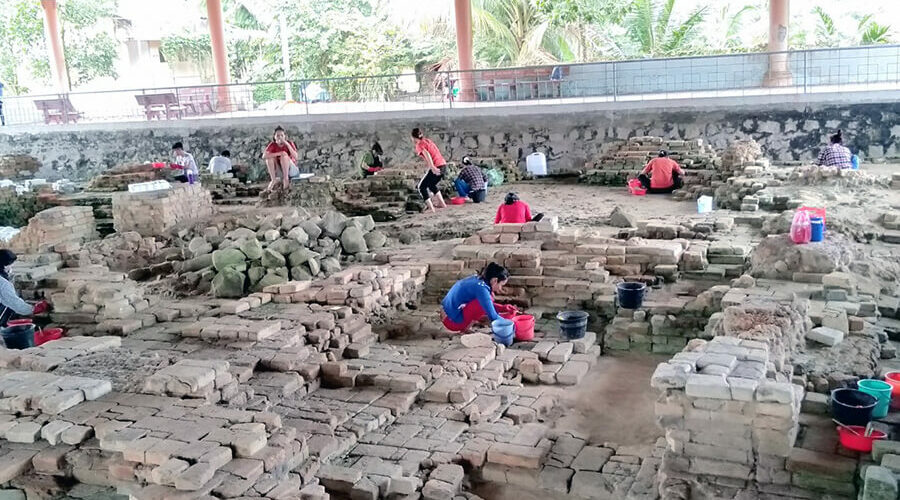
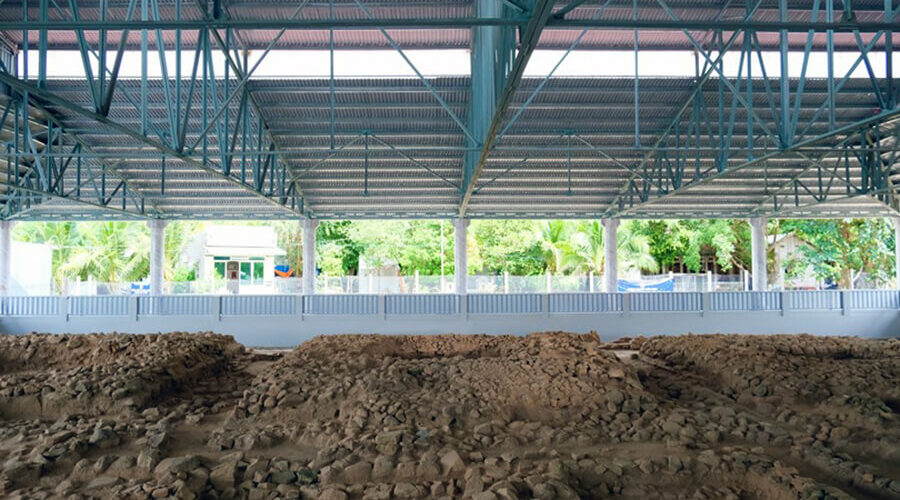
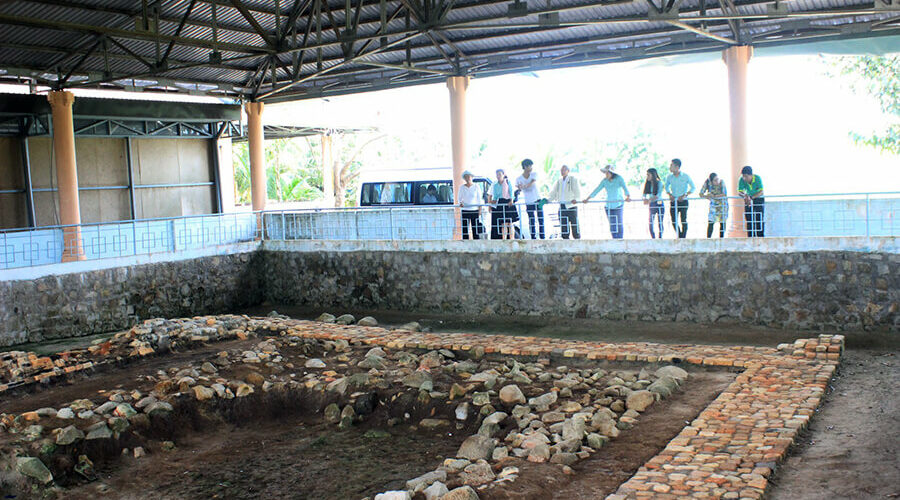
Among them, the Go Ut Tranh relic dates to the 7th century. It comprises an excavation and roof-construction area of 1,122 m2 located on the eastern slope of Ba The mountain, which is part of a special national monument complex.
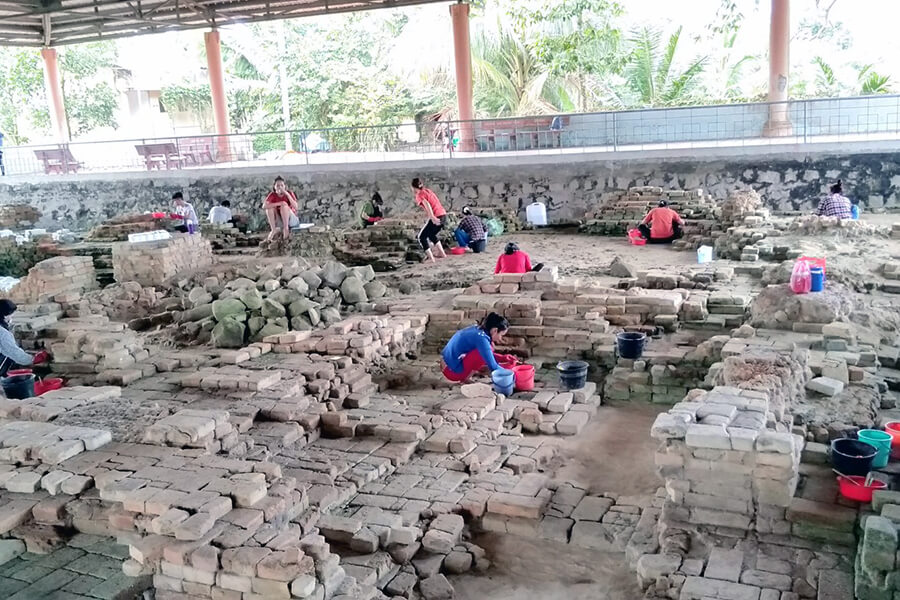
Excavation results indicate that the overall plan of the monument comprises three architectural complexes associated with three temples, all located along a north-south road. These temples worship the three supreme gods in Hinduism: Vishnu (preservation), Shiva (destruction and rebirth), and Brahma (creation). In the center of the southern temple dedicated to the worship of the god Vishnu is an altar pit, consisting of a square brick structure measuring 2.85 x 2.85m. The center of the altar is a brick structure commonly known as the Seima Pillar.
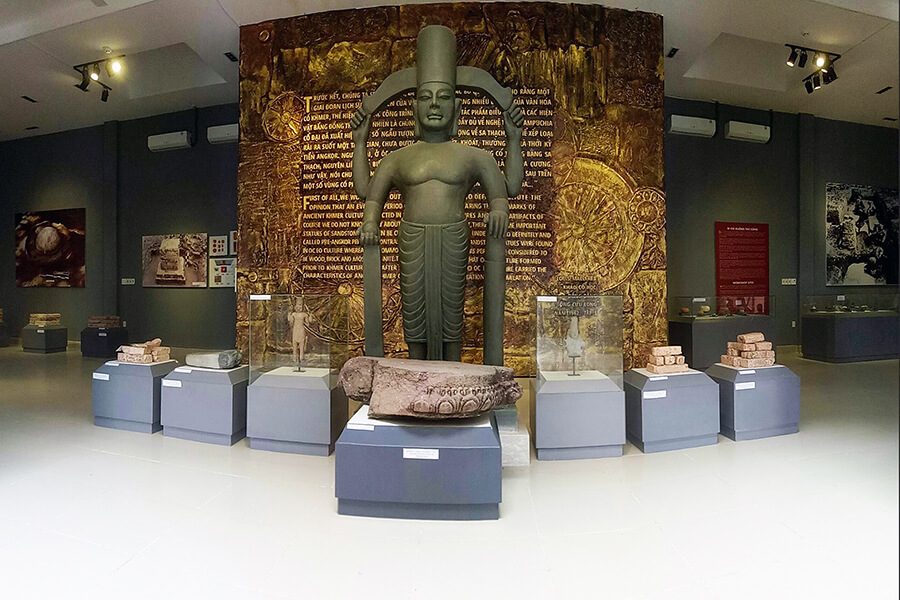
The monument was constructed using a brick-and-stone mix. This is one of the most intact architectural relics of the Oc Eo – Ba. The relic complex is a rare temple complex built to worship all three supreme gods in a single space.
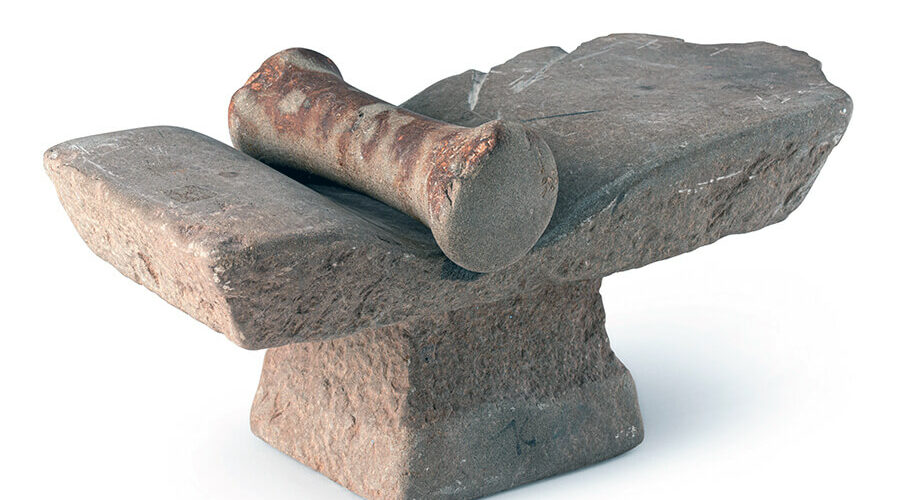
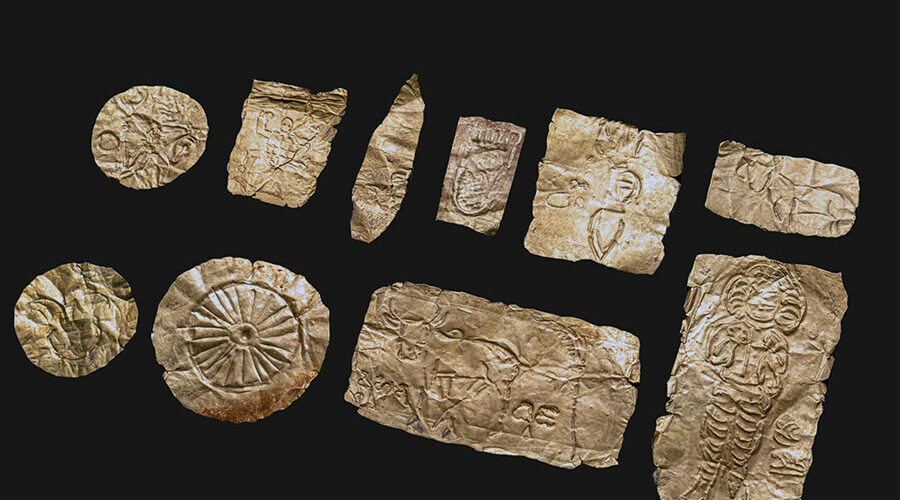
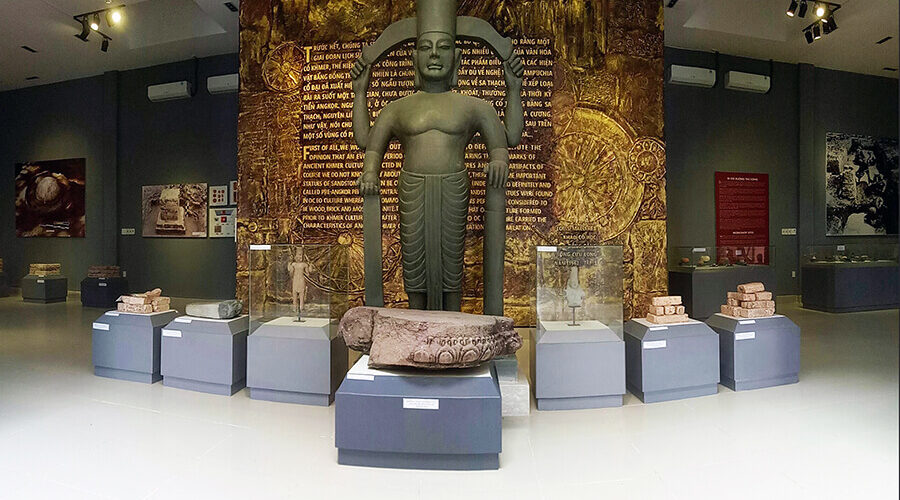
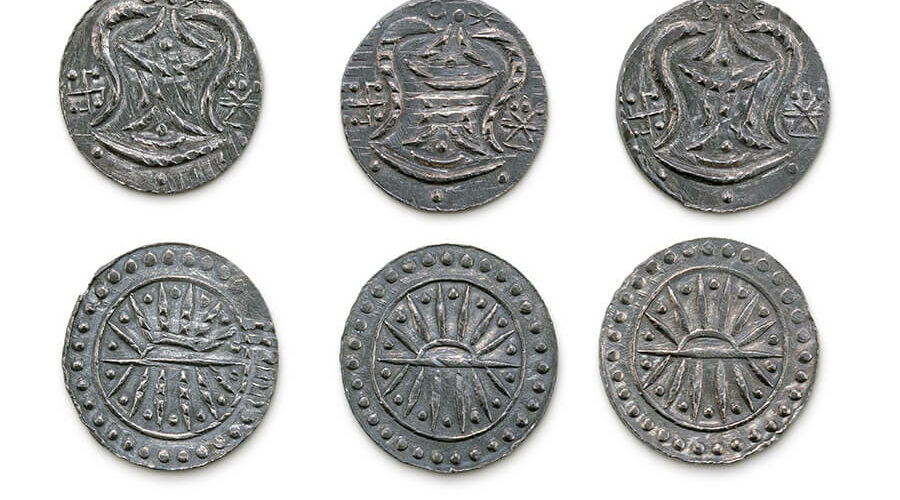
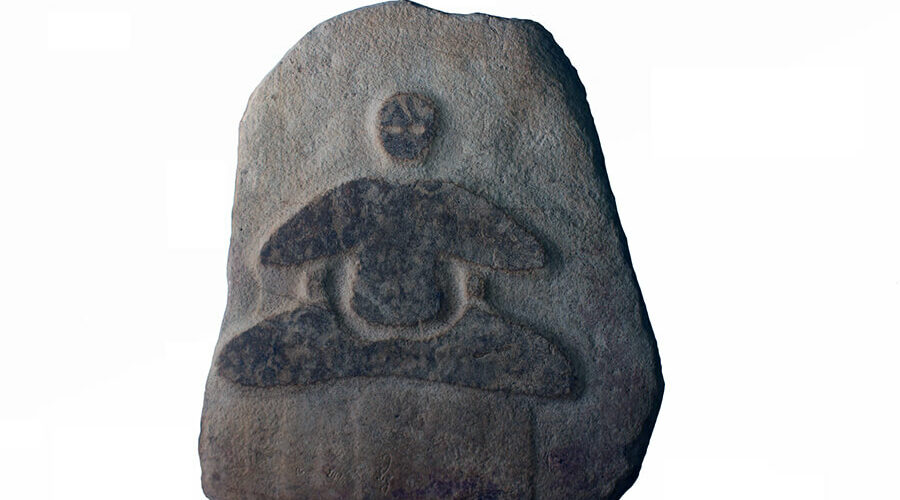
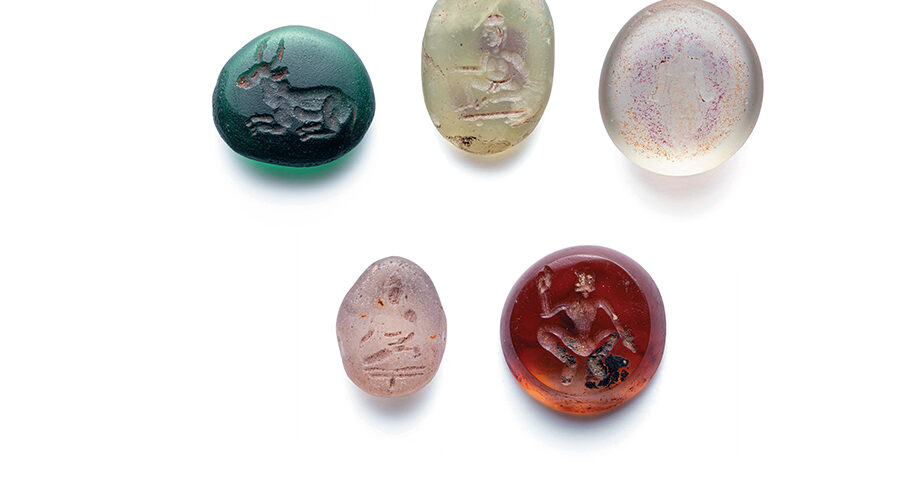
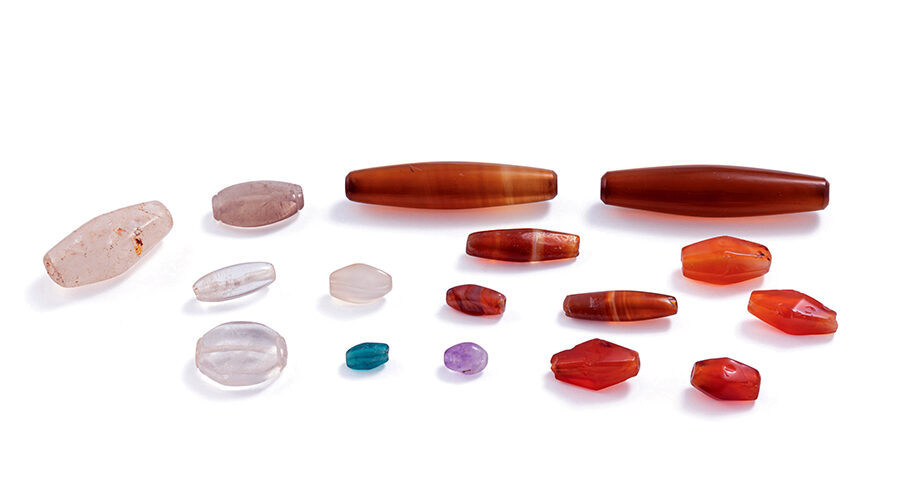
In addition, archaeologists have found many types of essential relics such as temples, towers, lakes or wells made of bricks and stones; countless relics recreating daily life and handicraft productions, artifacts such as ceramics, gold artifacts, glass jewelry, gemstones, large and small statues, rings, earrings, gemstone beads, agate, glass beads, seals, amulets, and wooden tools bronze and stone; terracotta artifacts such as stoves, lamp plates, basins, pots, jars…. clearly and more convincingly demonstrate the extremely developed of Oc Eo ancient.
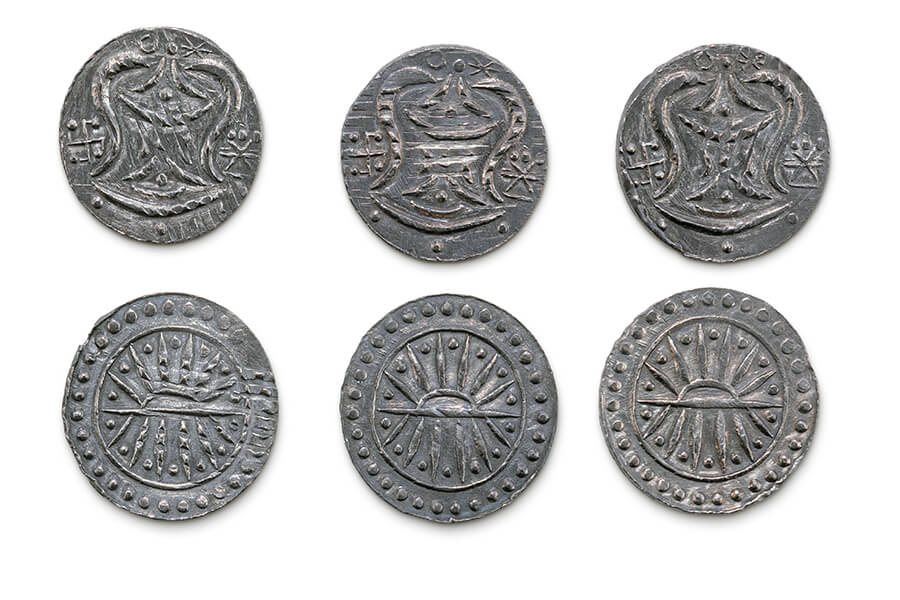
sample of coin money
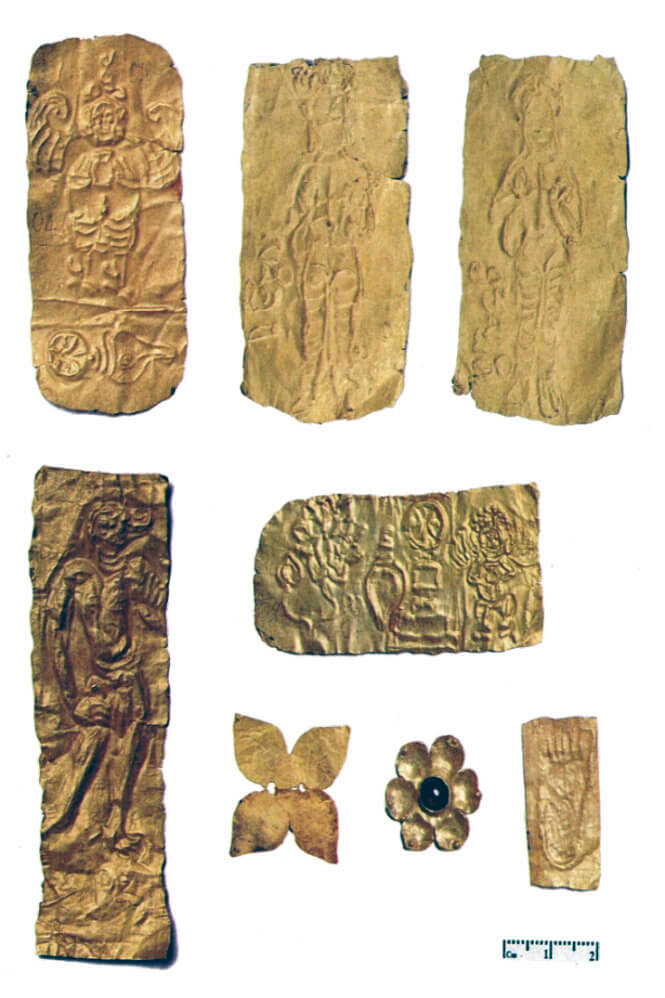
gold artifacts
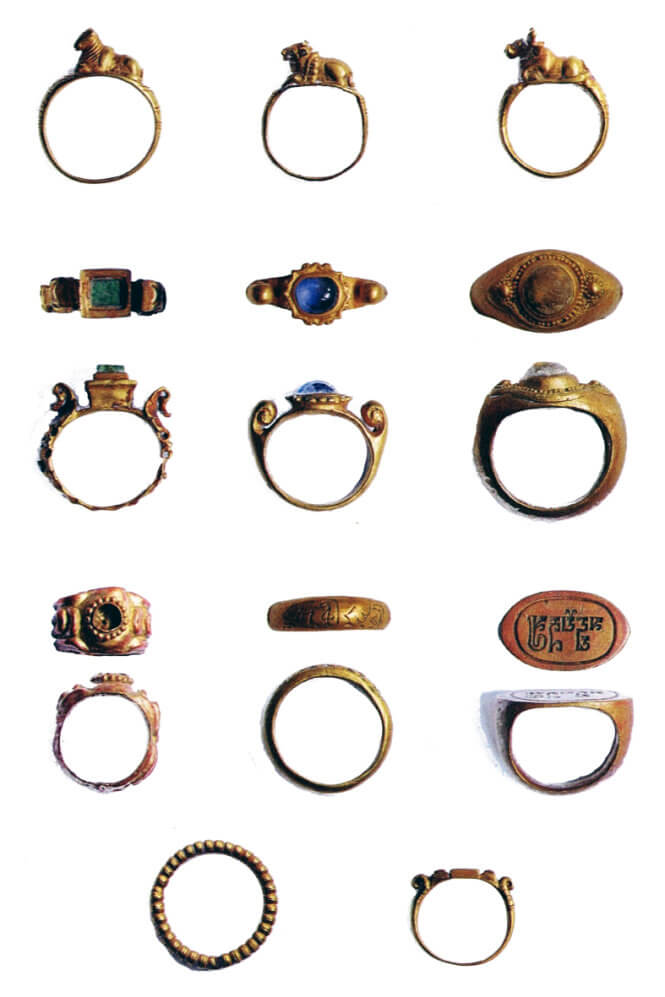
gold artifacts
Currently, the Oc Eo relic site is visited by many collectors and archaeologists to study the historical values preserved there. In addition to the area considered Oc Eo Relic with an area of 4,500 hectares, there are also a few regions in the Southwest region, such as Dong Thap Muoi, Chau Doc, An Giang… which to this day still remain many mysteries for researchers and archaeologists.
Use information about the Oc Eo relic area:
- Best for: solo, family, student, researcher…
- Other tourist spots nearby: Thoai Ngoc Hau Tomb, Hang Pagoda, Chau Doc floating village, Sam Mountain Tourist Area, The Lady Temple, Tra Su Cajuput Forest, Cham Village…
Source: collected by An
Follow us for the best deals on Vietnam package tours and visa advice!