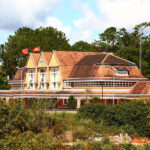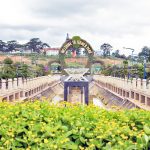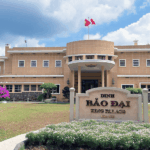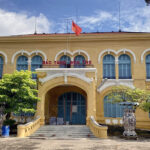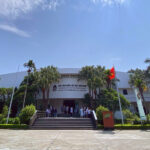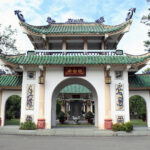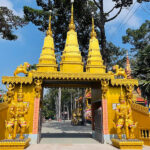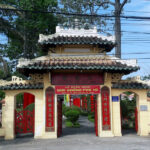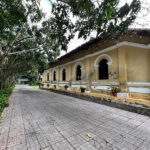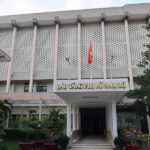
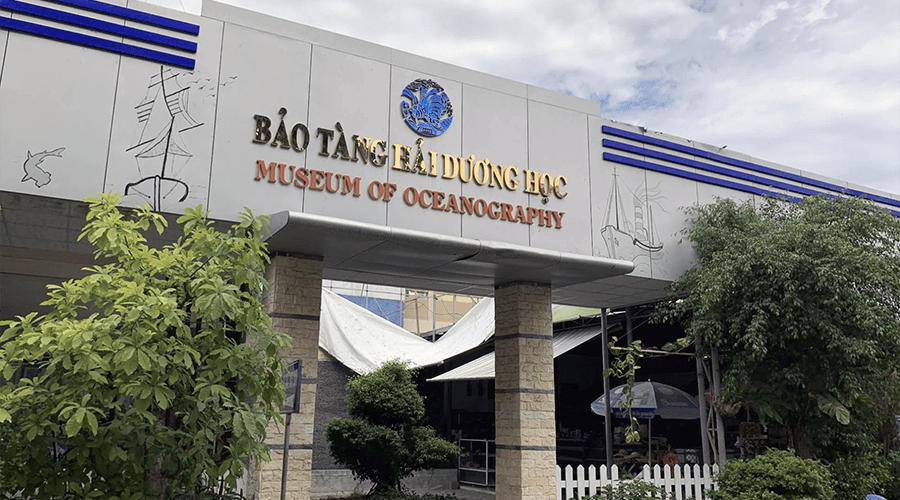
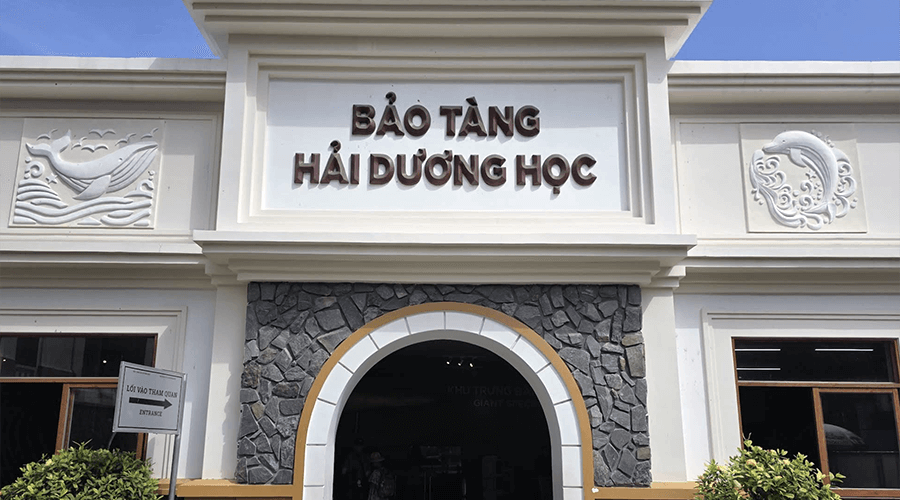


The Oceanography Museum in Nha Trang is the largest marine research center in Southeast Asia. If you are passionate about discovering new things, you should visit this museum at least once to unravel many interesting mysteries.
Table of Contents
Overview of Nha Trang Oceanography Museum
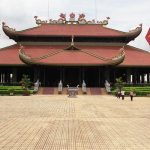
The Oceanography Museum is managed and operated by the Institute of Oceanography. Its predecessor was the Marine Biology Museum, built by the French shortly after the establishment of the Indochina Fisheries Department (1923).
The museum is located on the grounds of the Institute of Oceanography, a unique site chosen by French scientists where tropical marine ecosystems converge, including mangrove forests, coral reefs, seagrass beds, sandy beaches, and rocky shore ecosystems.
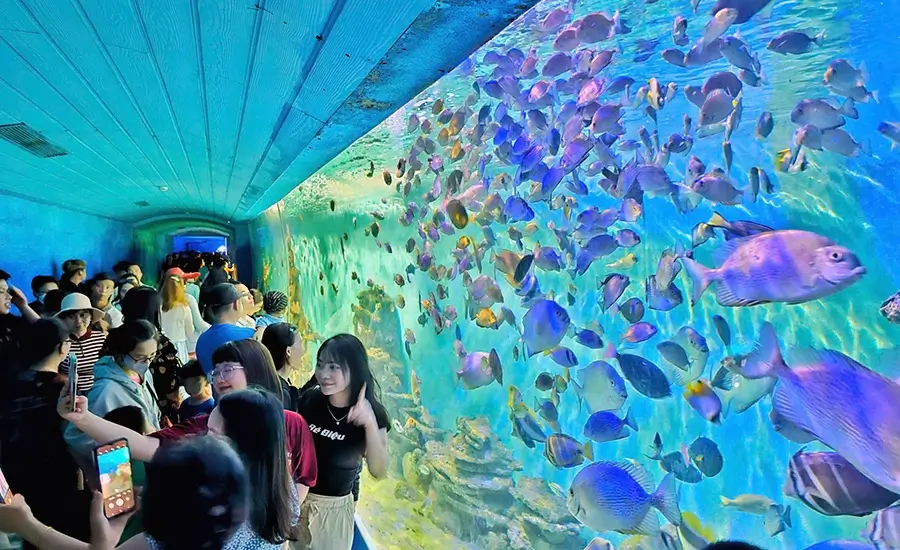
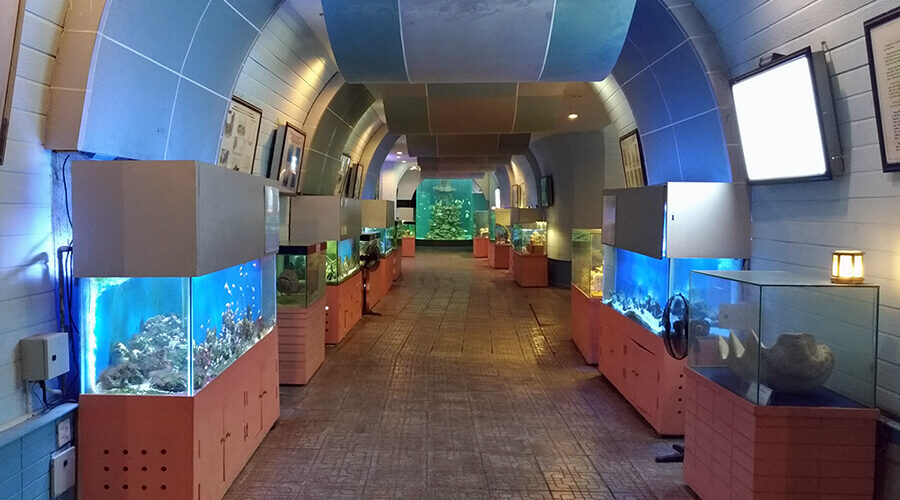
Inside the Oceanography Museum in Nha Trang.
The Oceanography Museum houses biological and non-biological artifacts, important evidence of the sea collected from the East Sea to date. Today, the museum also has the task of breeding and domesticating many marine species to serve research in biology, ecology, and conservation. The Oceanography Museum also serves as a place to disseminate knowledge about the sea, publicize the achievements of the oceanographic field, and introduce the potential of marine resources and how to use them rationally.
Each year, the Oceanography Museum welcomes hundreds of thousands of visitors, and hundreds of scientists, students, and researchers from both within and outside the country come to study and learn.
Opening hours and entrance fees
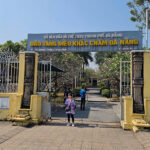
The Nha Trang Oceanographic Museum is located on a nearly 20-hectare site at 01 Cau Da Street, Bac Nha Trang Ward, Khanh Hoa Province.
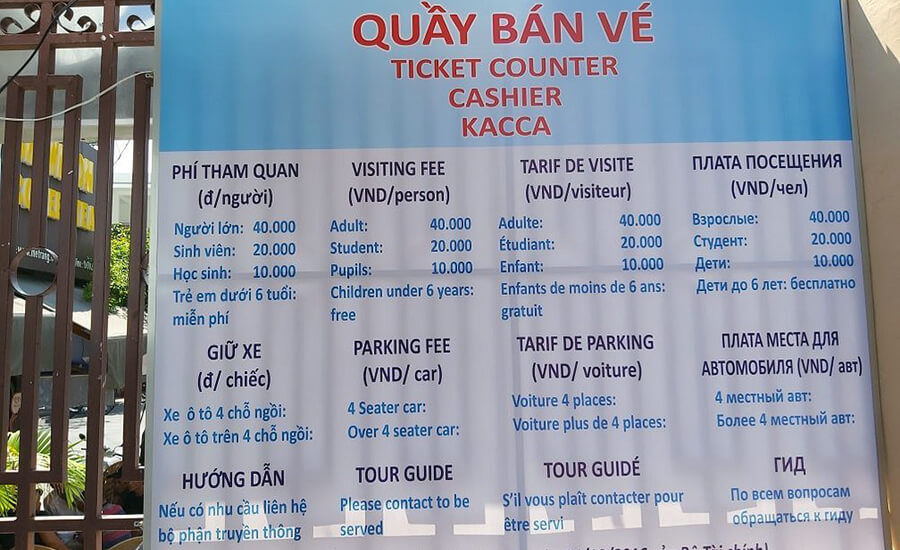
- Opening hours: Monday to Sunday, 6:00 AM to 6:00 PM.
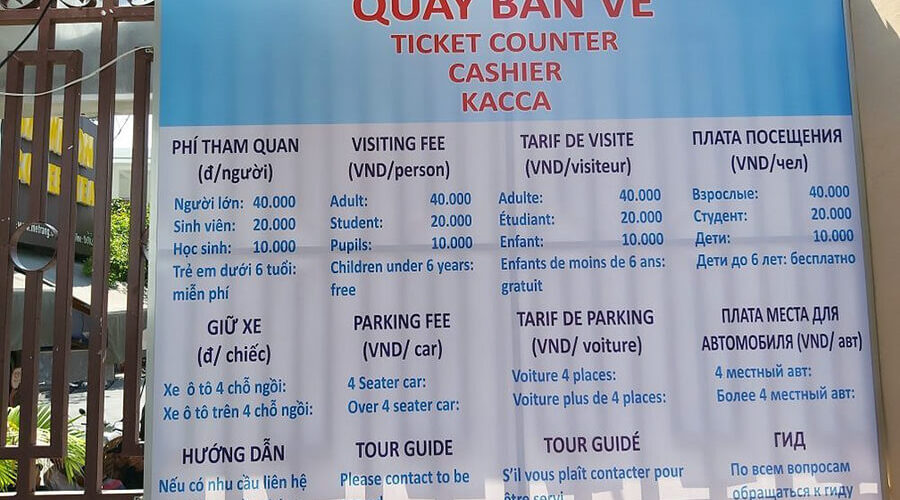
- Entrance Fees: Adults: 40,000 VND/ticket; Students: 20,000 VND/ticket; children/pupils: 10,000 VND/ticket.
Exploring the Oceanography Museum
At the Oceanography Museum, visitors can explore the Aquarium system, with a total of 5 exhibition areas, including:
Aquariums and Marine Life Tanks
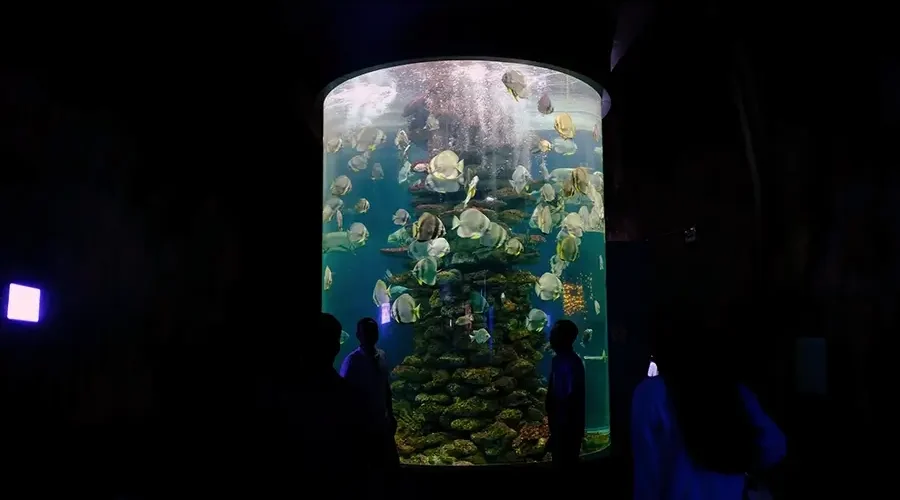
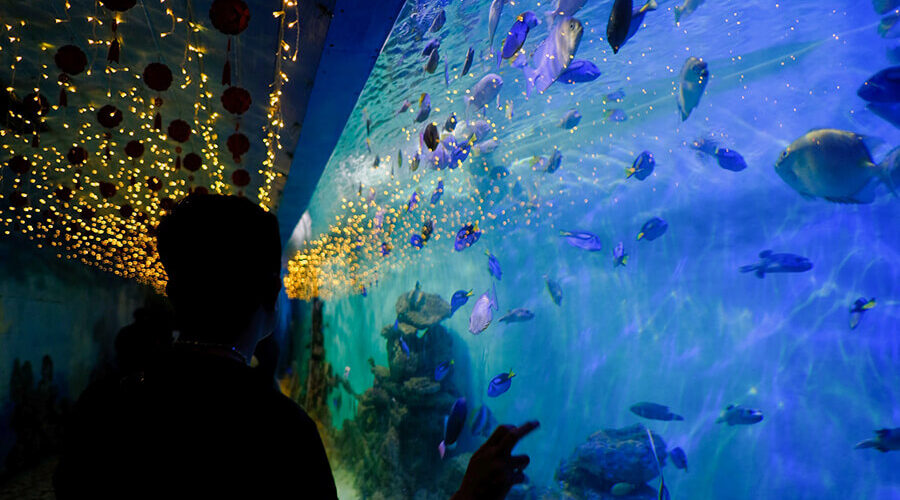
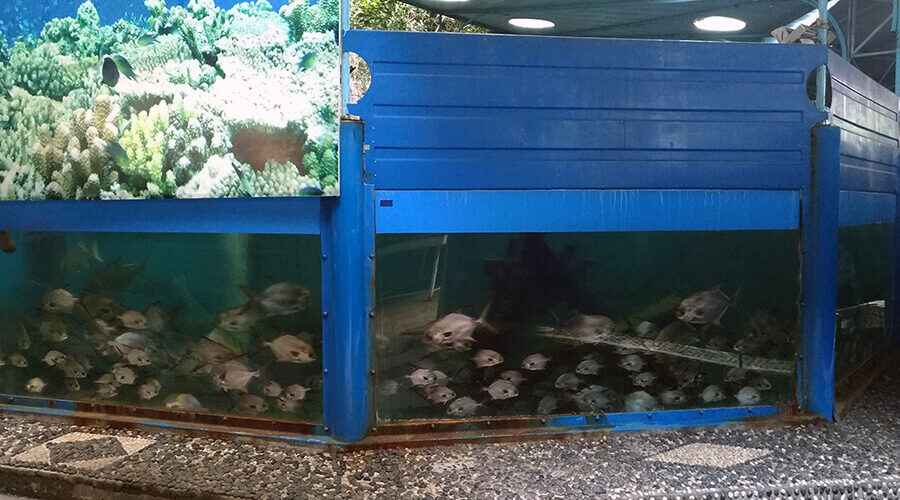
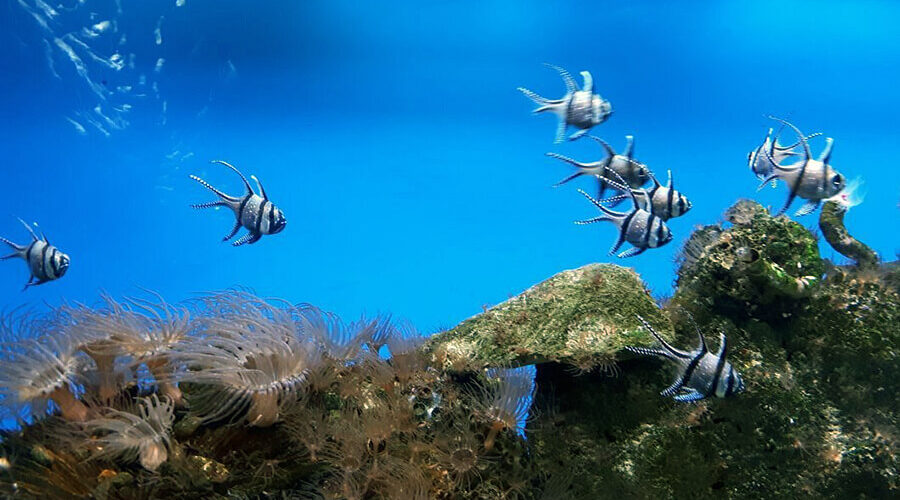
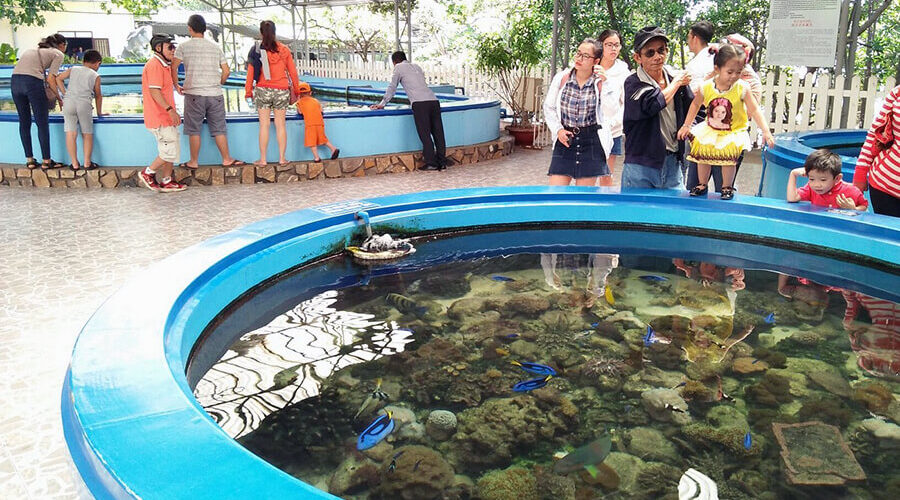
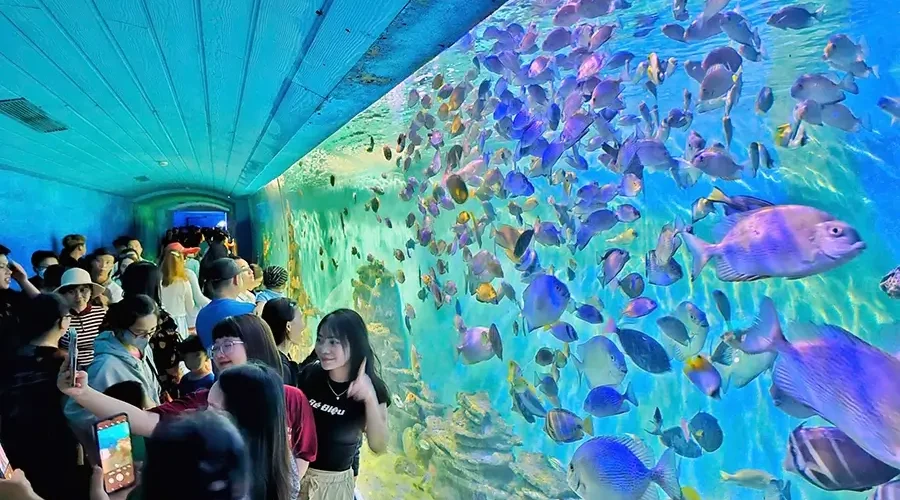
The Aquarium system of the Oceanography Museum is currently located in a 5000m² space, comprising a complex of tanks regularly housing over 300 typical and valuable marine species (sea turtles, sharks, stingrays, eels, groupers, live coral with various ornamental fish, lobsters, etc.) for research, sightseeing, and community education.
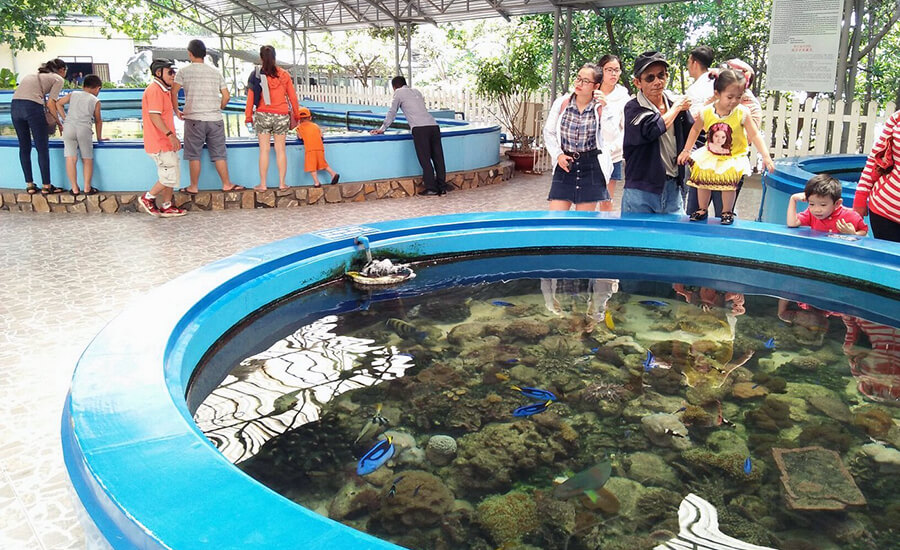
Large specimens
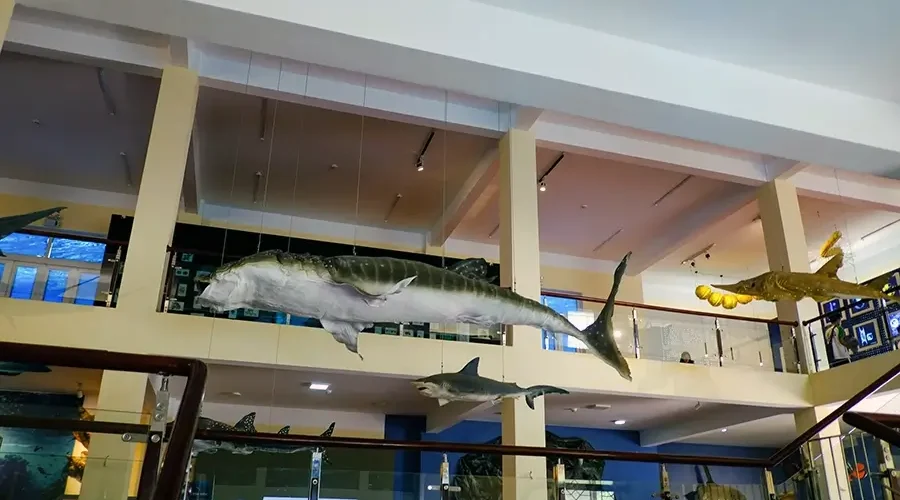
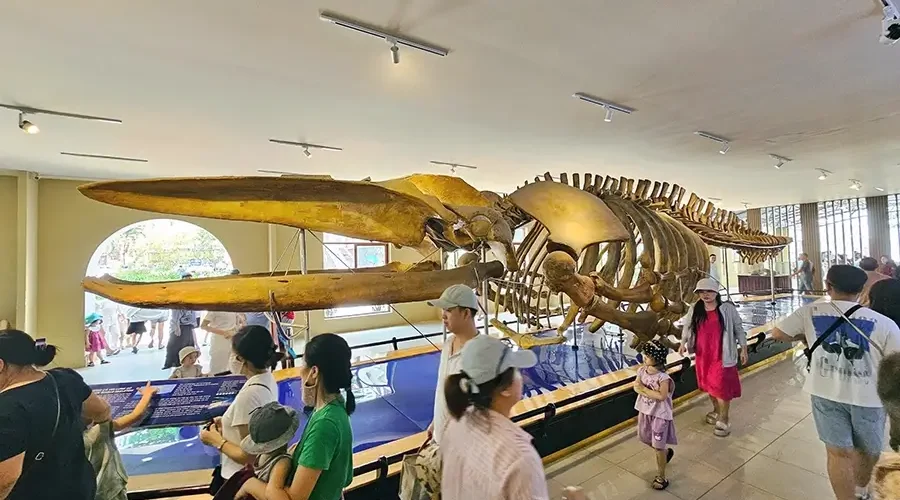
One of the Institute’s largest and most prominent areas is the specimen exhibition. Spanning an area of 200 square meters, this museum houses specimens of several giant marine creatures, including:
- The skeleton of a giant humpback whale (Megaptera novaeangliae) (18 meters long, weighing 10 tons) has been buried in the Red River Delta for at least 200 years.
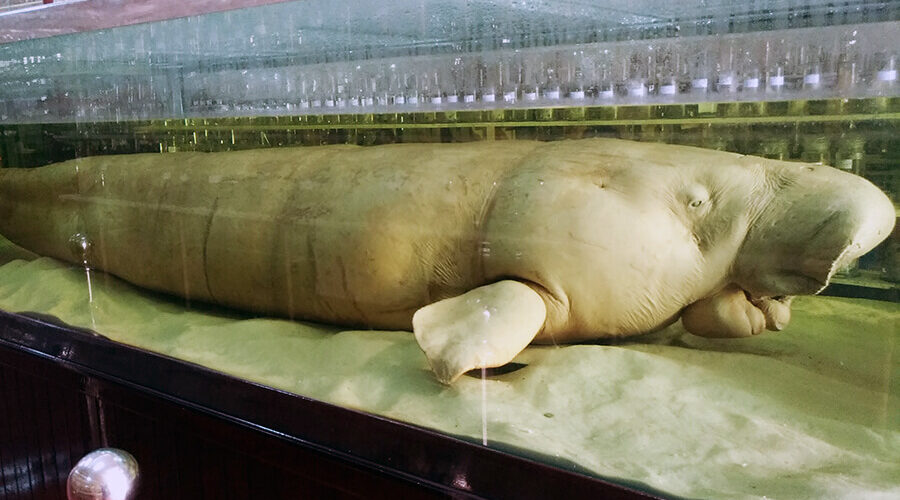
- The skeleton of a dugong (Dugong dugon), a rare and endangered marine mammal.
- A manta ray (Manta birostris) weighing nearly 1 ton, 3.5 meters long, and 5 meters wide.
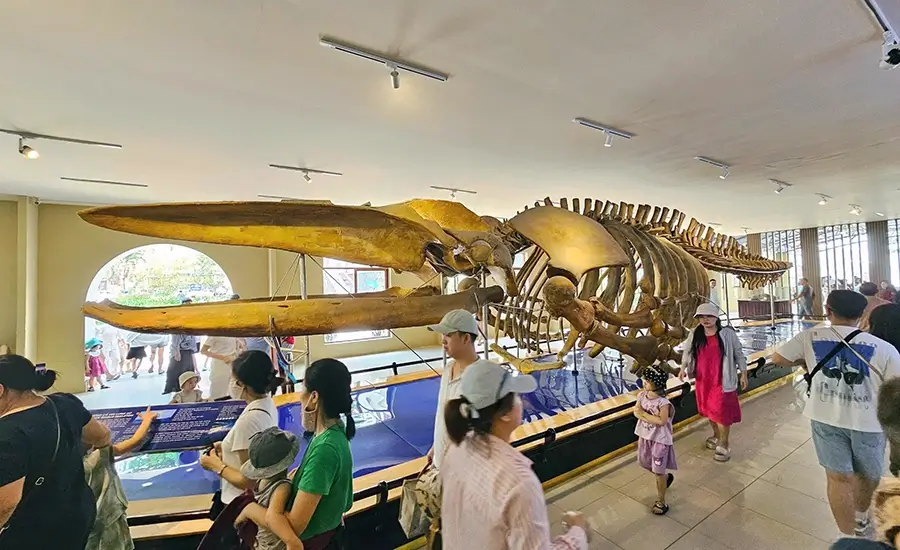
skeleton of a giant whale
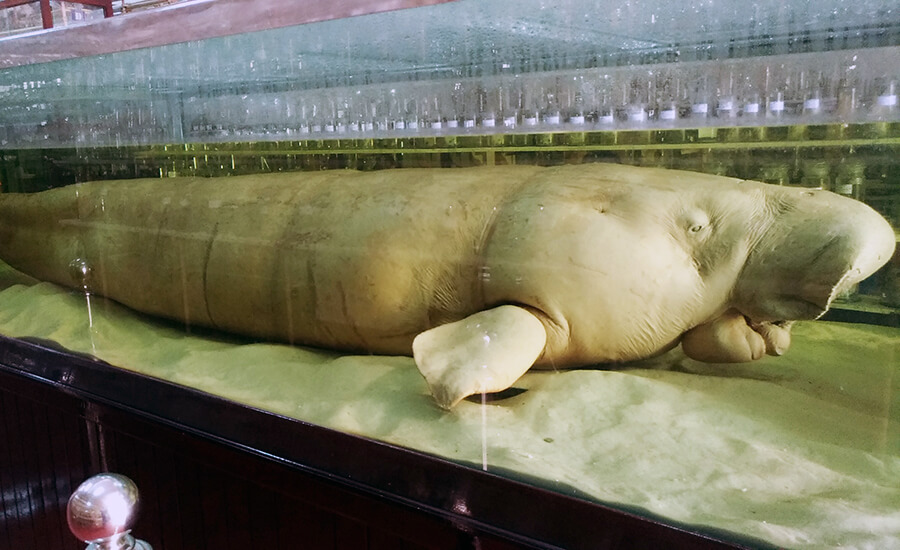
Dugong dugon
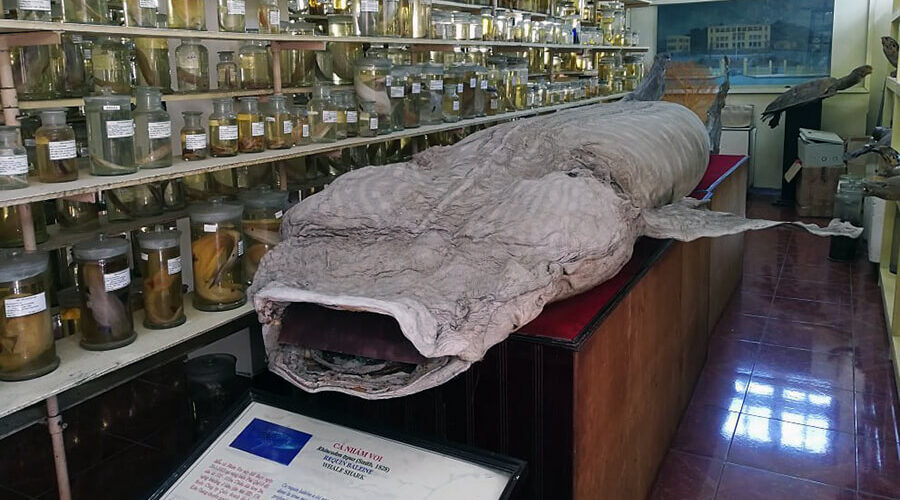
In addition, the Nha Trang Oceanography Museum features other rare specimens, such as Chinese sturgeon, giant clams, and whale sharks, which will surely surprise and delight you with new and fascinating insights into the vast ocean environment.
Artificial Reefs
Artificial reefs are underwater structures built by humans using natural or artificial materials to enrich aquatic life in biodiverse seabed areas.
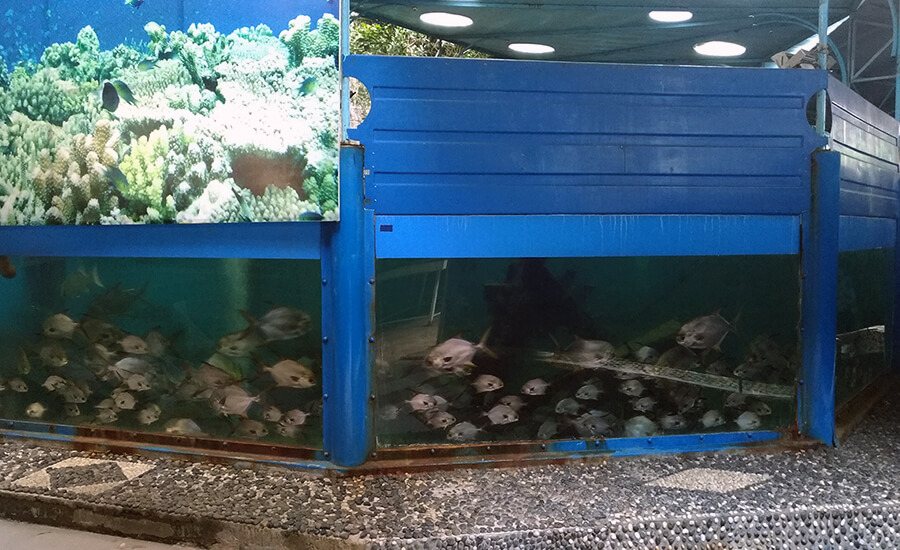
Artificial reefs are significant in many areas:
- Attracting aquatic species such as fish, mollusks, crustaceans, echinoderms, etc., to congregate, feed, hide from predators, reproduce, and develop, thereby helping to restore degraded aquatic resources and conserve biodiversity.
- Supporting coral reef recovery by providing substrates for coral and algae growth.
- Preventing the use of trawls for fishing in coastal waters and improving the seabed environment.
- Providing places for recreation, tourism, and sightseeing with activities such as relaxing, fishing, snorkeling, and other related services. At the same time, they serve as places to educate about the love of nature and enhance…To raise community awareness about environmental protection and resource conservation. Materials used to construct artificial reefs are diverse, ranging from waste products such as tires, damaged ships, and decommissioned tanks to concrete or plastic structures, as well as artistic installations.
Paracel and Spratly Islands Marine Resources
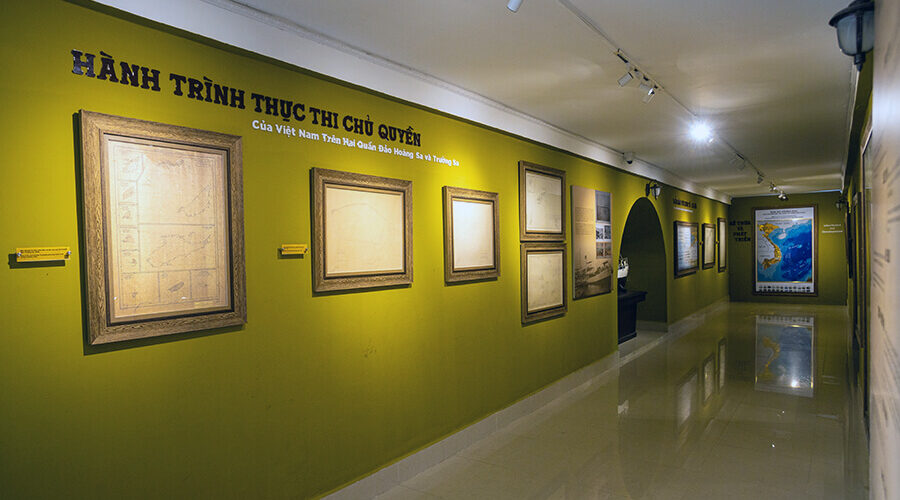
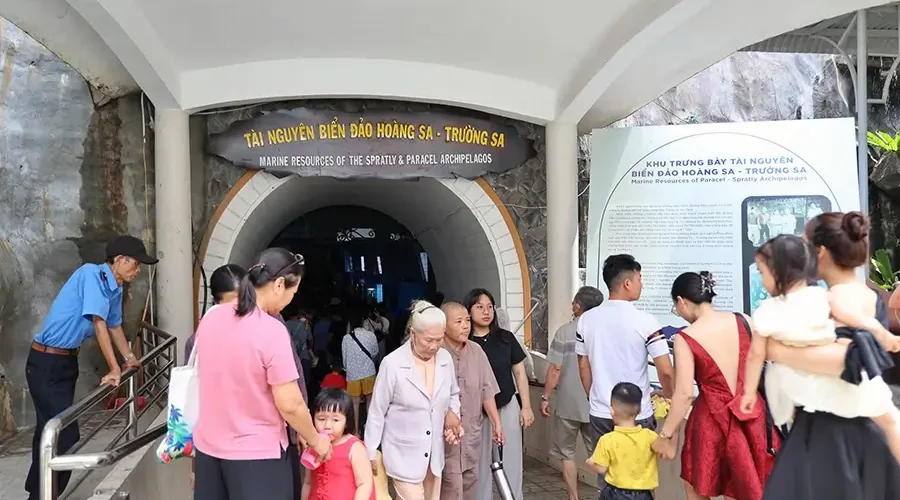
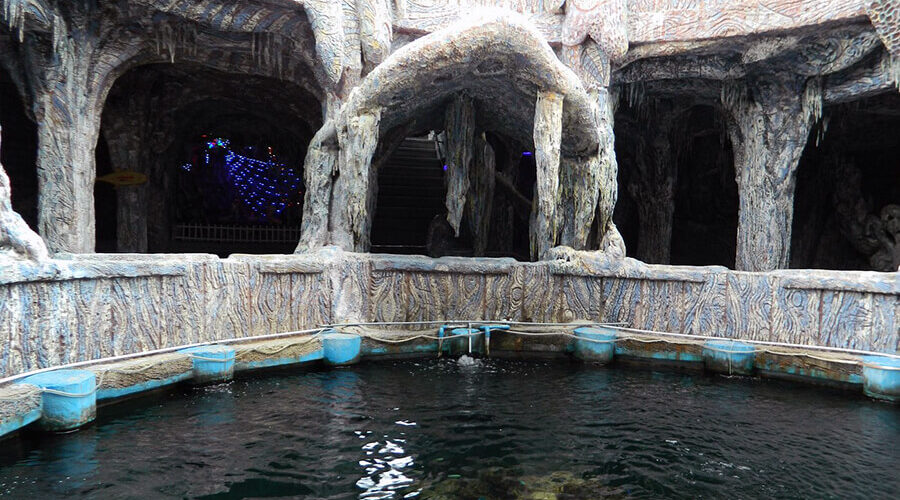
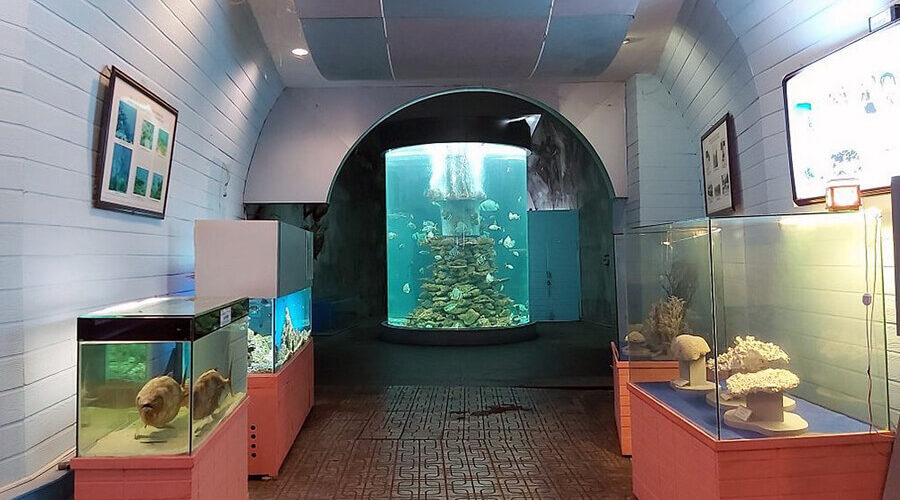
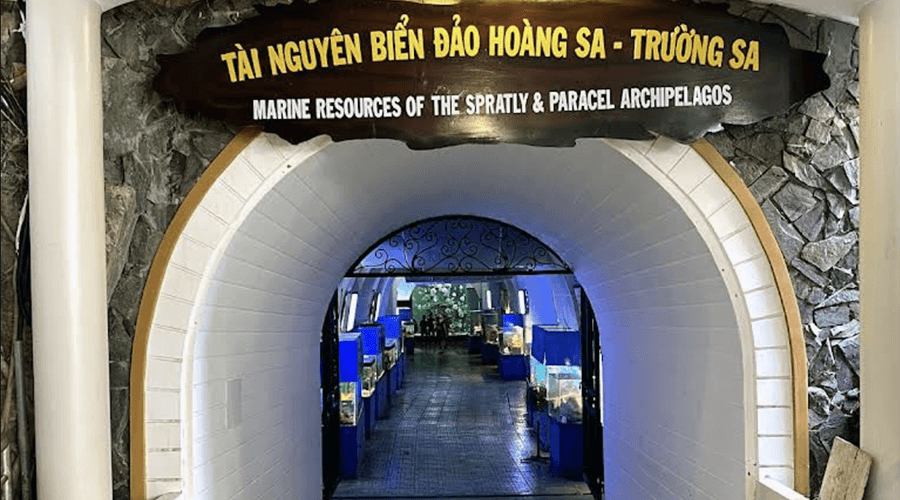
The Paracel and Spratly Islands Marine Resources exhibition area is designed within a tunnel through Bao Dai Mountain, nearly 100 meters long and about 5 meters high. The construction of this exhibition area helps the public better understand the economic, ecological, and national defense values of these two sacred archipelagos of the Fatherland. This enhances awareness and fosters greater love for these two archipelagos.
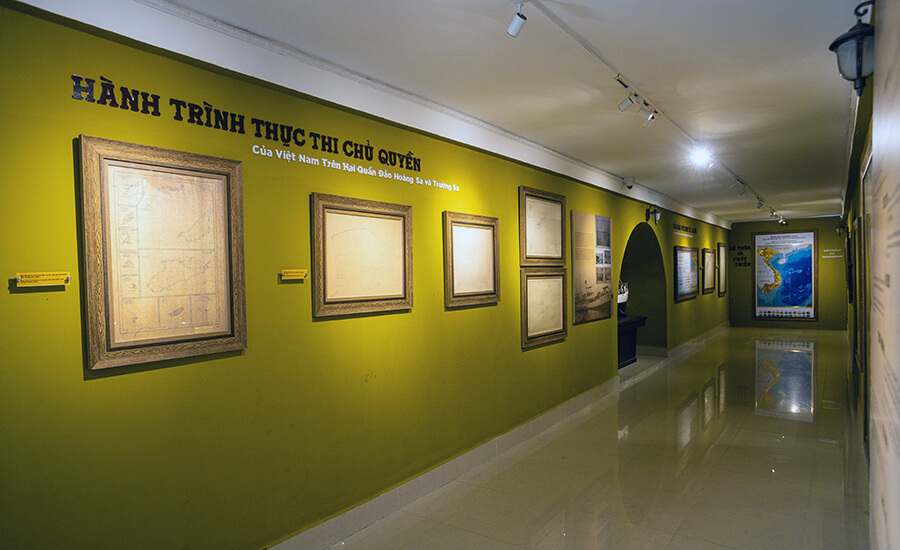
Here, visitors can admire hundreds of marine life specimens collected from the Paracel and Spratly Islands, including a pointed-tailed sunfish collected from the Spratly Islands in 1998 and a giant mackerel weighing 70 kg and measuring 4 meters long, also collected from the Spratly Islands.
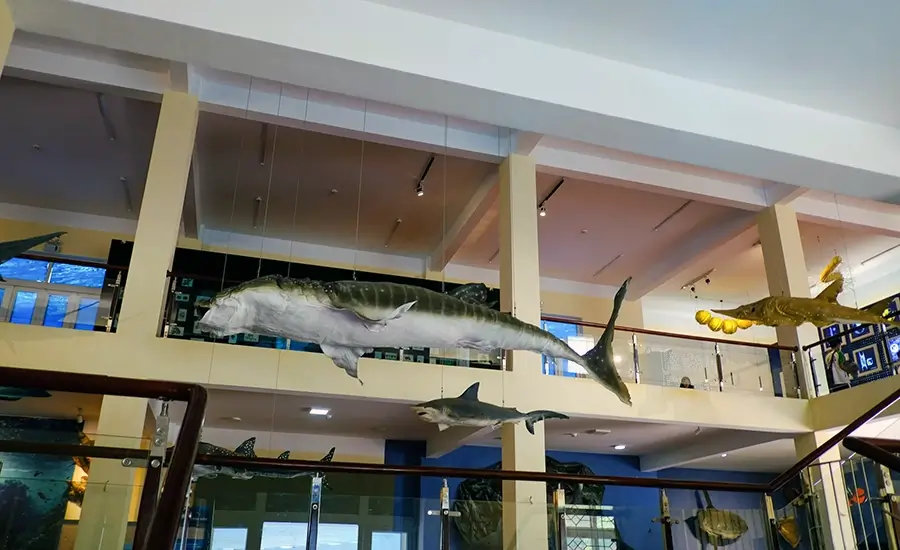
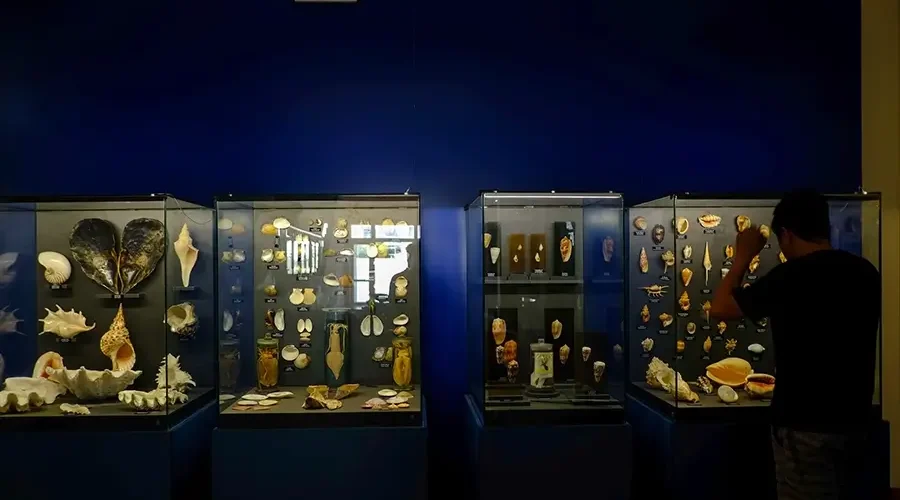
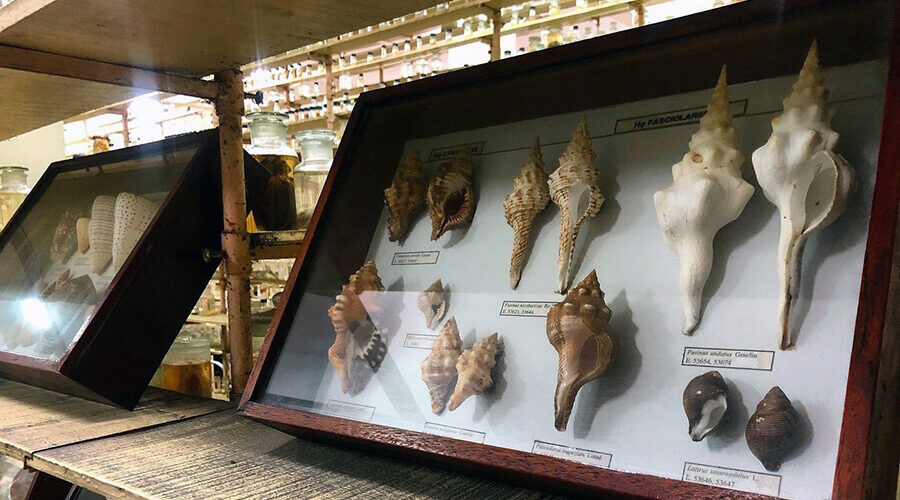
The exhibition features coral species, giant clams, conch shells, oyster shells, and trumpet shells with unique shapes. Alongside these are geological samples collected from the two archipelagos, such as volcanic bombs recovered in 1989 from Phan Vinh Island (part of the Spratly Islands), various types of coral limestone, and shell fragments.
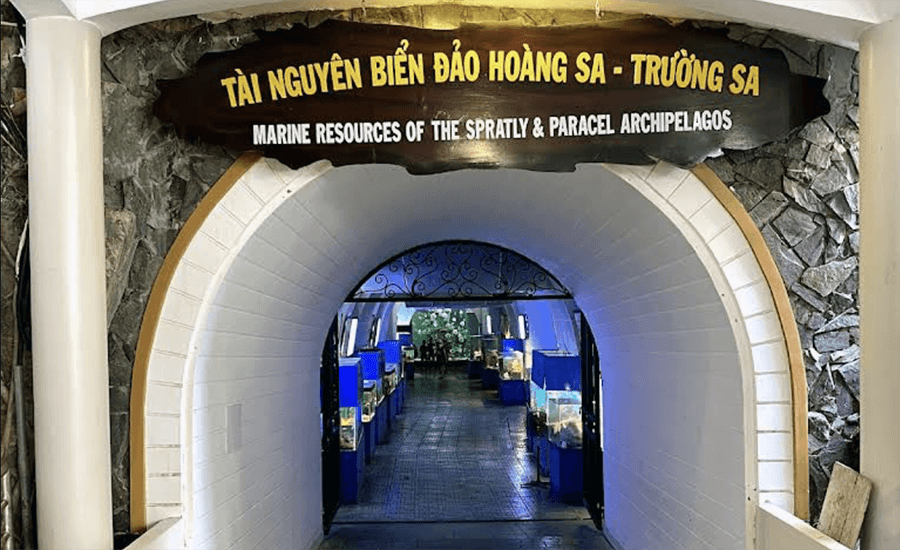
The exhibition also includes a marine life breeding area where visitors can observe living organisms, including species characteristic of the Paracel and Spratly Islands, which have been domesticated and artificially bred at the Institute of Oceanography.
Marine Biodiversity Area
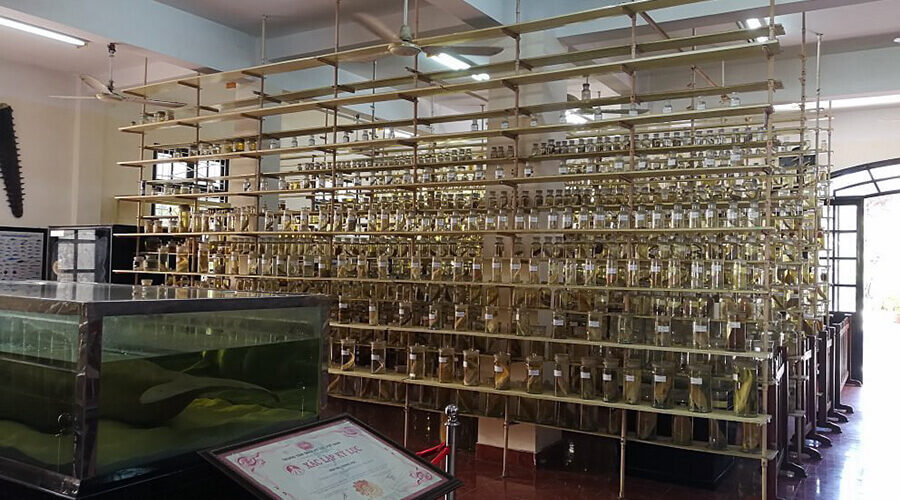
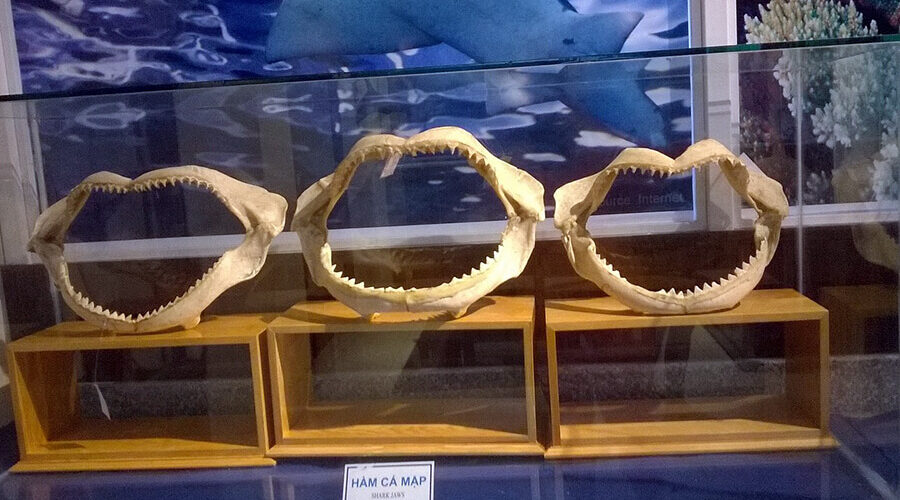
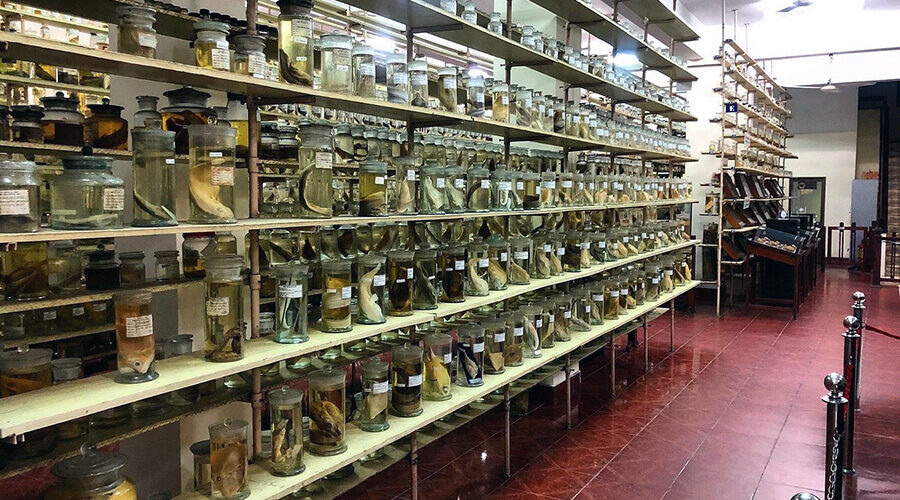
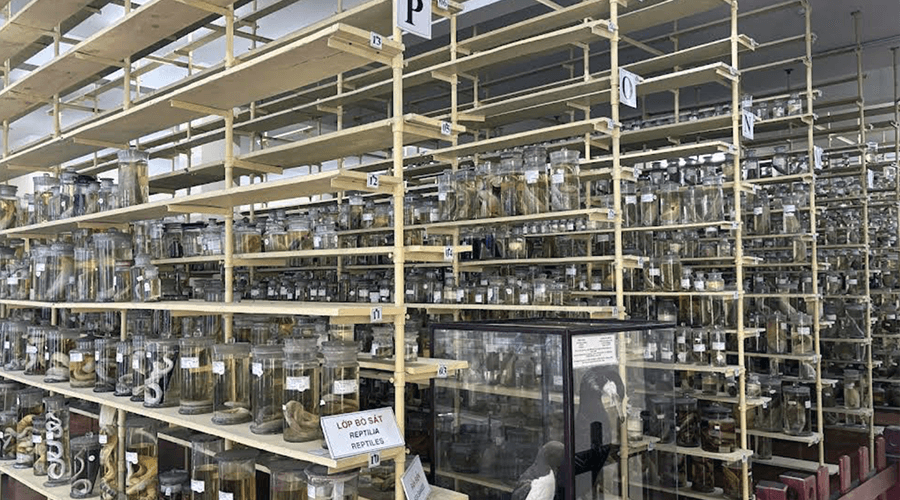
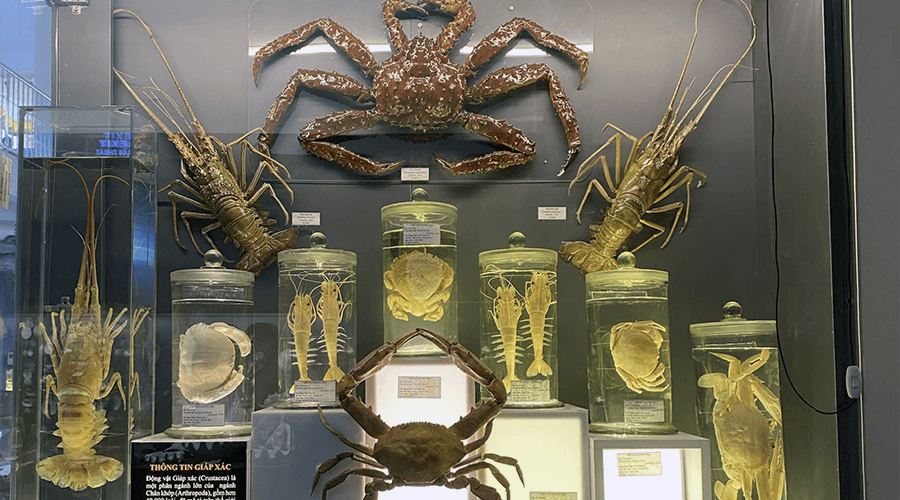
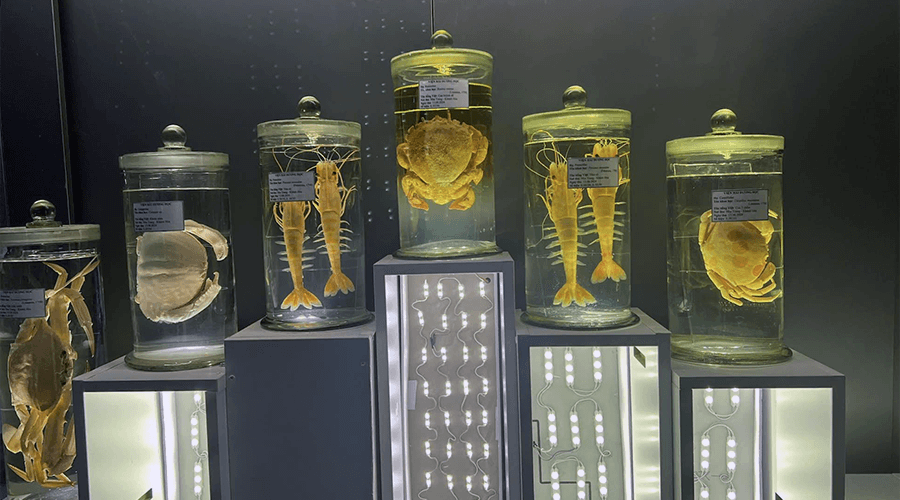
The biodiversity exhibition area displays and preserves the largest collection of marine organisms – Vietnam’s largest marine heritage resource today. This place houses and preserves a large and valuable collection of marine specimens, with approximately 23,000 specimens belonging to 5,000 species (including marine plants, sponges, cnidarians, mollusks, crustaceans, echinoderms, fish, reptiles, and marine mammals).
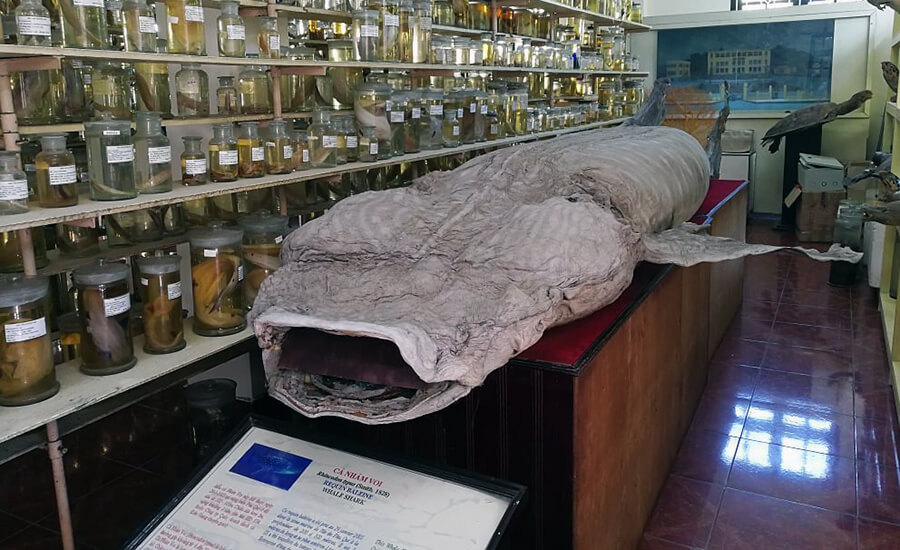
The collection includes species found in the Vietnamese sea and neighboring waters. In addition to valuable scientific specimens, the Museum preserves many rare specimens, including Acipenser sinensis, Paralithoides sp., Masturus lanceolatus, Tridacna gigas (weighing 145kg), Thysanoteuthis rhombus, Pseudorca crassidens, and Phoca larga, among others.
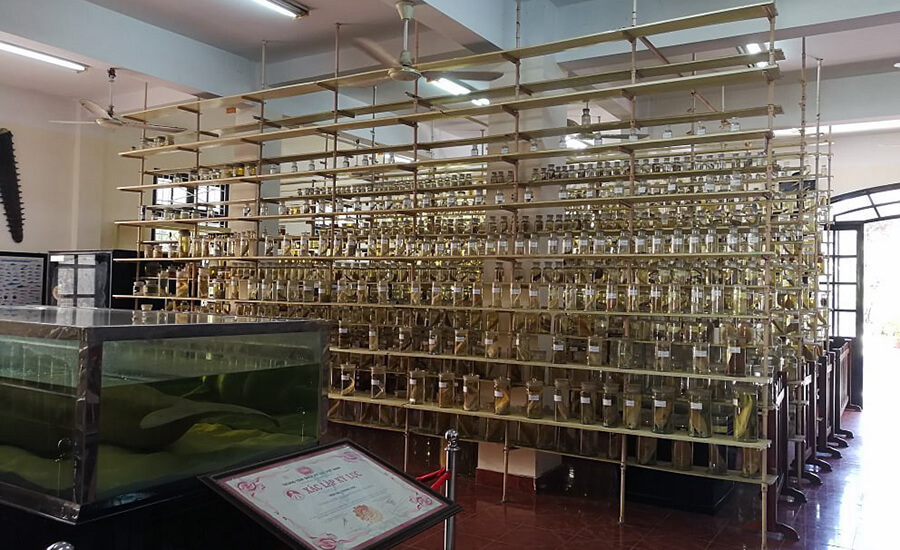
In October 2012, the Oceanography Museum was officially recognized and announced by the Vietnam Book of Records Center (VietKings) as “The place storing the largest collection of marine organisms”.
Source: collected by An
Follow us for the best deals on Vietnam package tours and visa services!