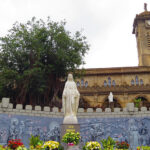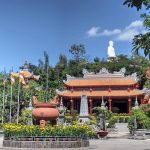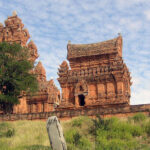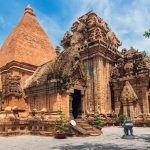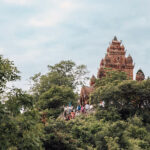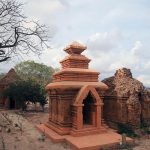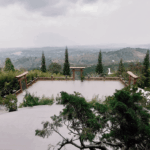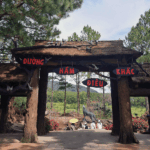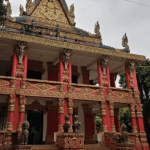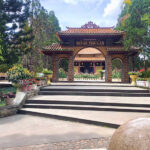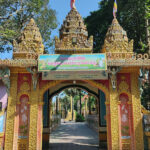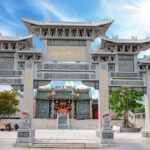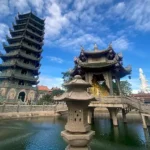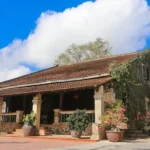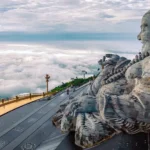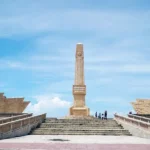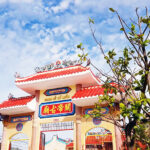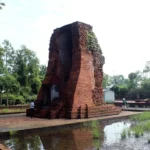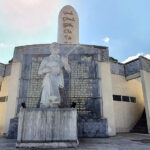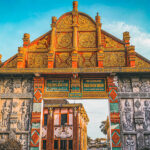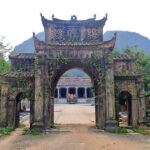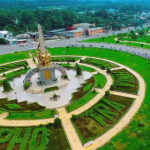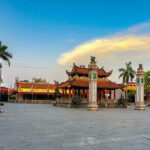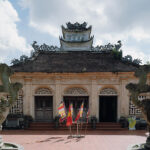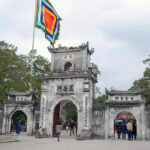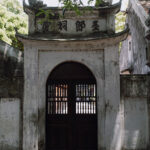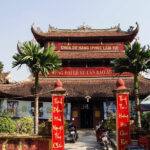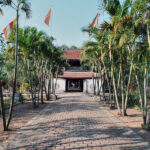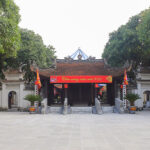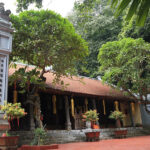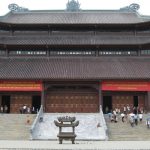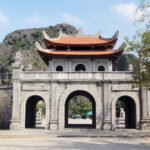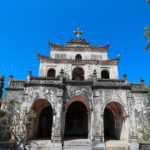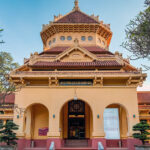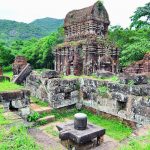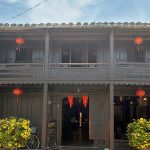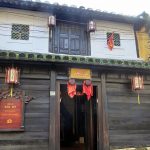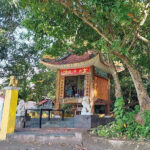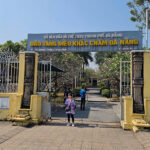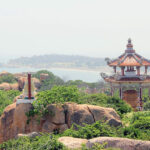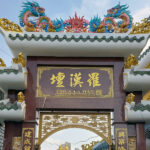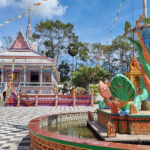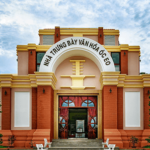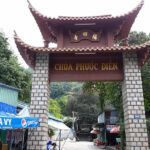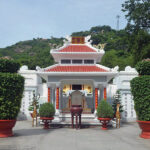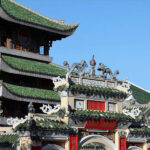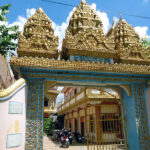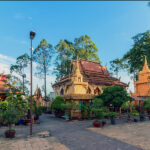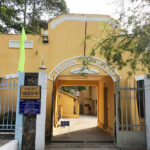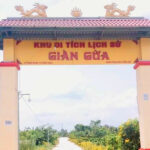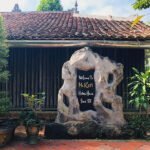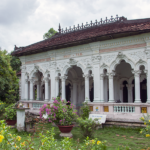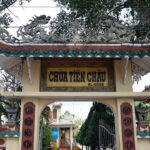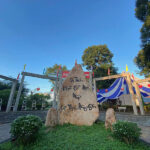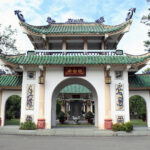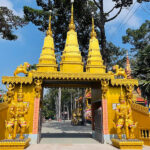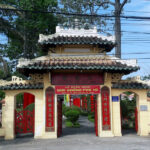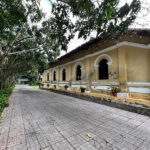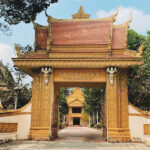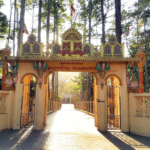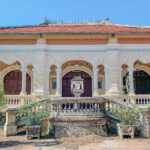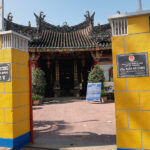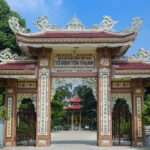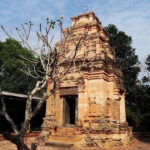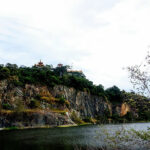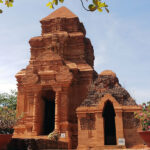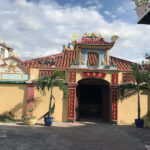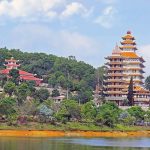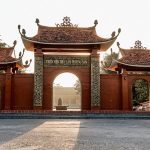
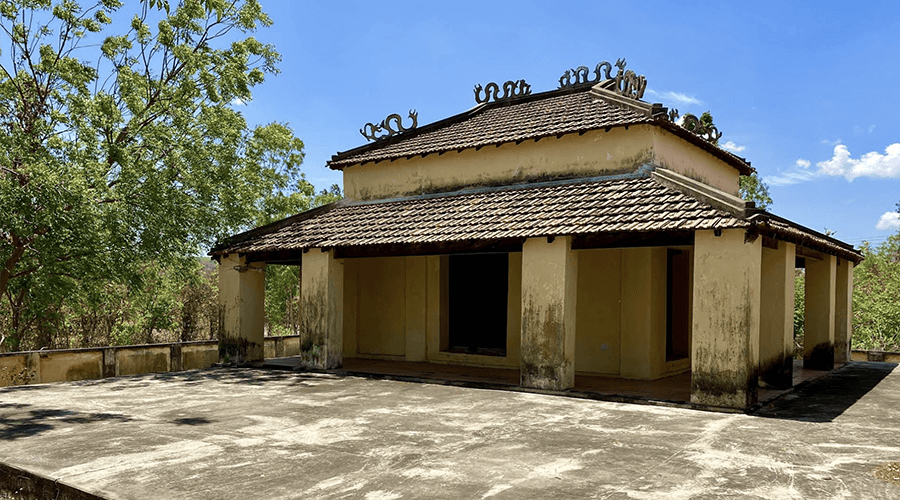
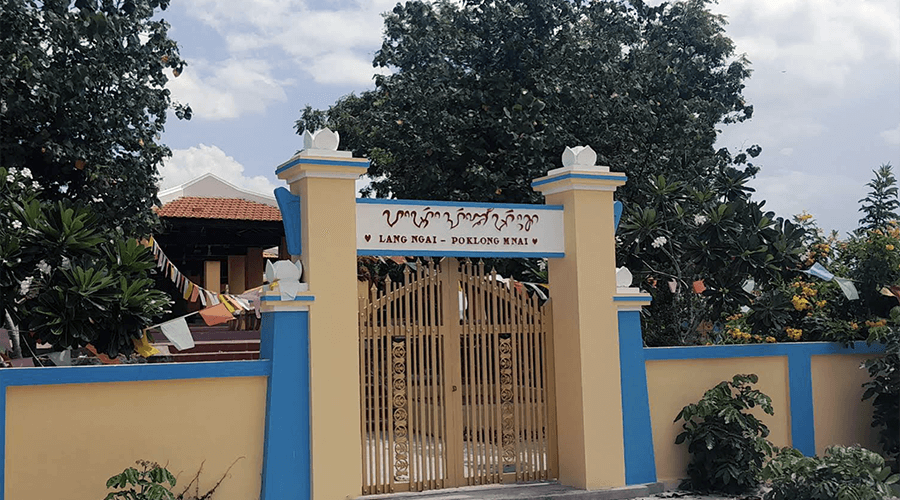
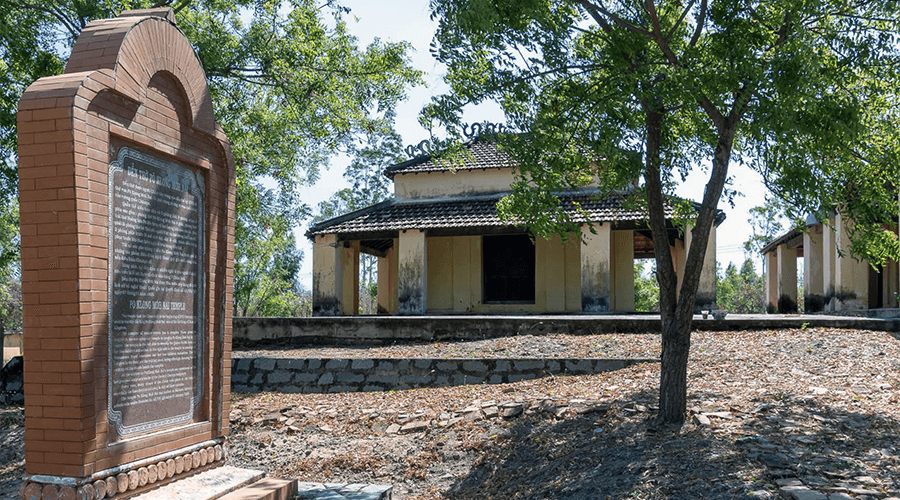


The Po Klong Moh Nai Temple is built on a high hill in Luong Binh village, Lam Dong Province. This is a national-level historical and artistic monument that attracts many visitors, including students and researchers, who come to admire it.
Overview of Po Klong Moh Nai Temple
Po Klong Moh Nai was one of the last kings of the Champa Kingdom. He ascended the throne in 1622 and reigned until his death in 1627. During his lifetime, he made significant contributions to mobilizing the people to reclaim land, expand fields and villages, and open and dig new irrigation systems to serve agricultural production and the traditional crafts passed down from their ancestors, especially jewelry making, weaving, and pottery. Many generations later, the Cham people remember his contributions to the irrigation works he established in this arid land.
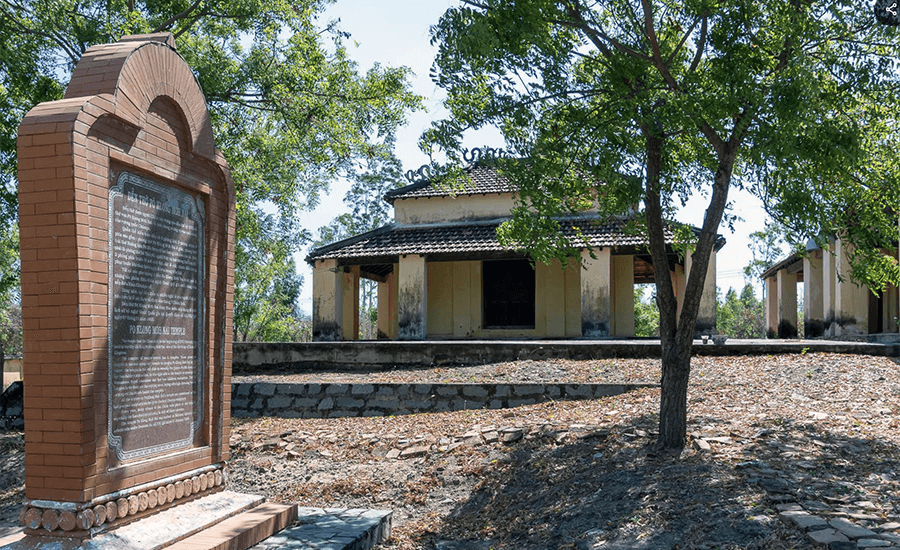
Po Klong Moh Nai Temple in Lam Dong
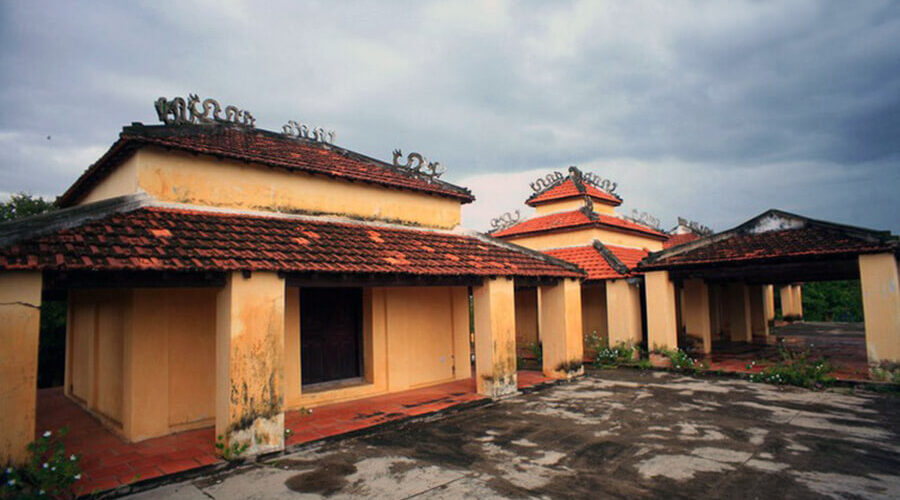
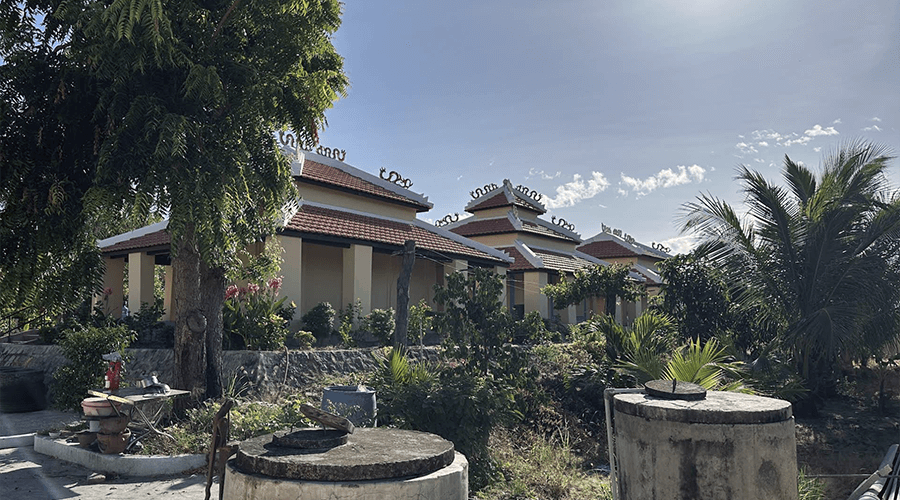
The Po Klong Moh Nai Temple was built on a high hill in the early 20th century in Luong Son village, Luong Son Commune, Lam Dong Province. It is located 250m northeast of National Highway 1A (on the curved section of the road), 50km north of Phan Thiet. According to the religious beliefs and ancient traditions of the Cham Brahman people, when kings and queens passed away, the court and royal family had to choose a high hill for burial and build a temple for worship. In addition, many gold treasures of the Po Klong Mơh Nai royal family are carefully preserved by his descendants.
With its unique architecture and artifacts preserved to this day, the Po Klong Moh Nai Temple was recognized as a national historical monument by the State on July 13, 1993.
The Architecture of Po Klong Moh Nai Temple
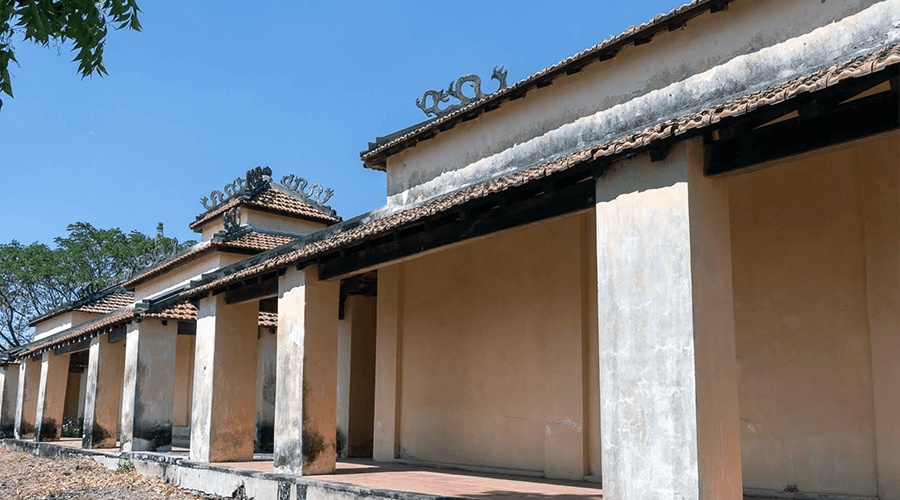
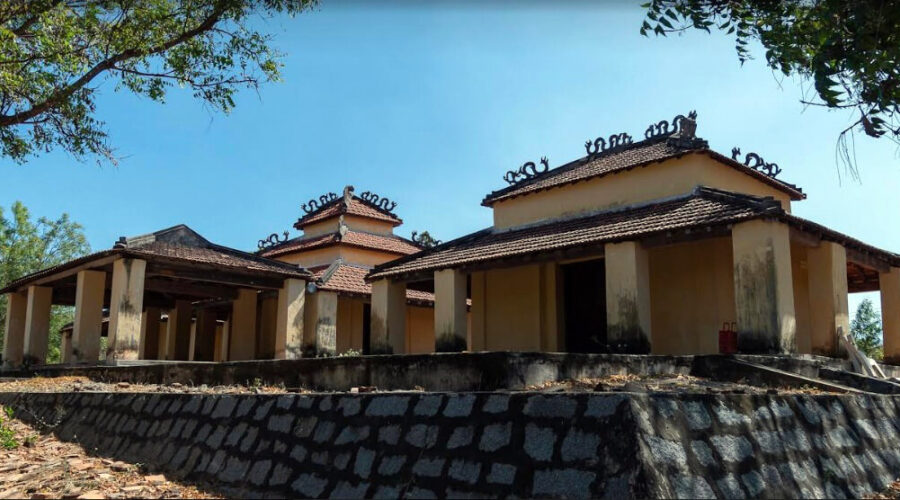
The Po Klong Moh Nai temple consists of four sections, with the doors of each room facing east and north. The main section has three levels, narrowing at the top. At the top are four Makara (mythical creatures of the Cham people) symbolizing the king’s authority.
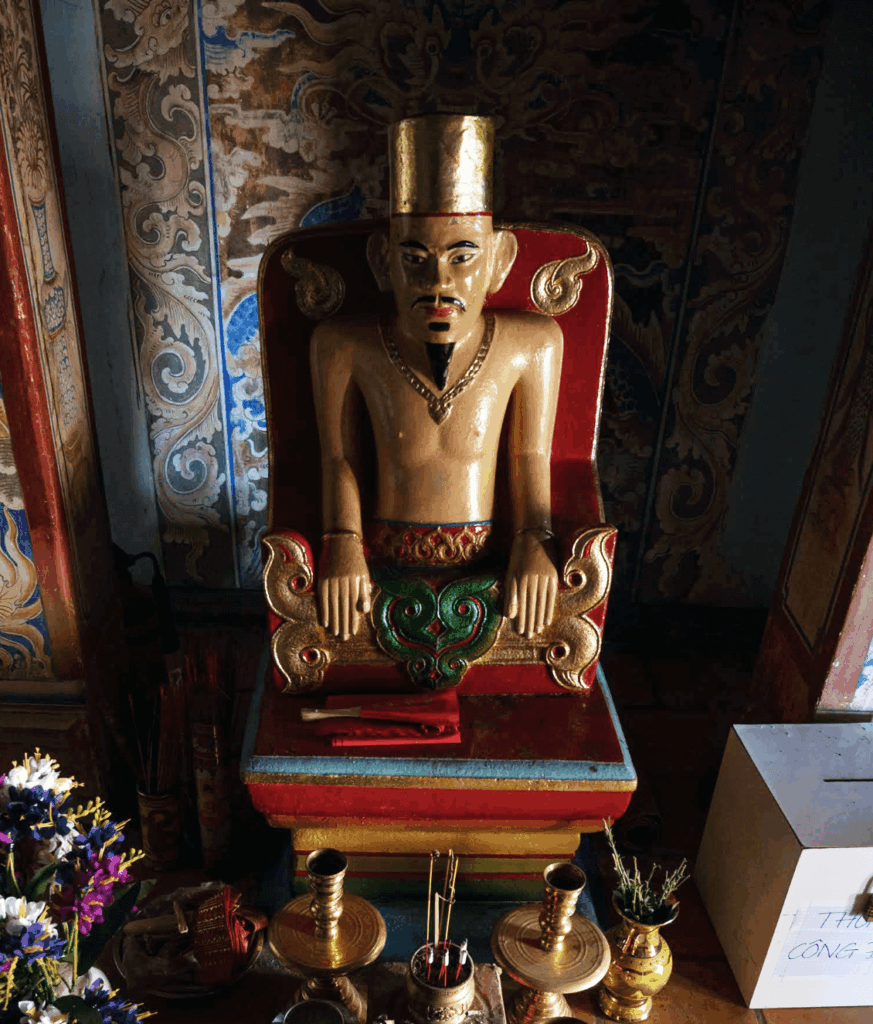
Statue of King Po Klong Moh Nai
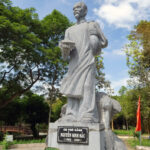
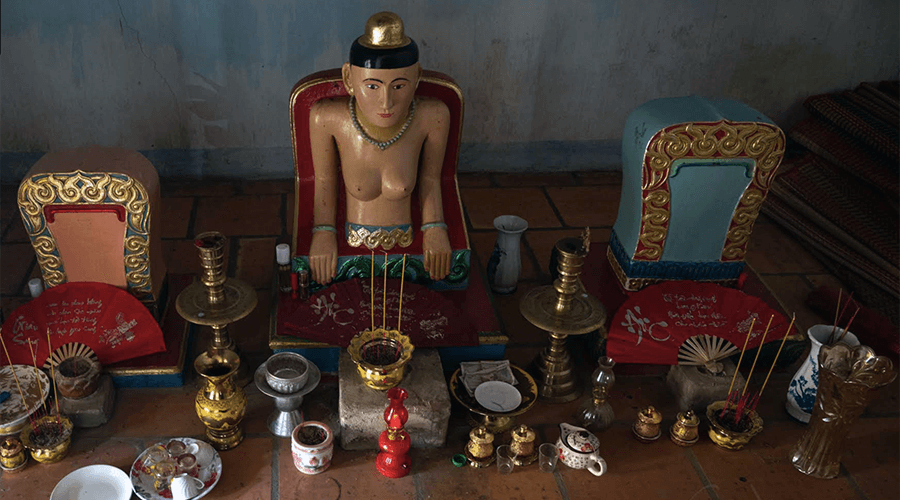
In the center of the temple stands a statue of King Po Klong Moh Nai, carved from a large block of green stone and adorned with elaborate, distinctive decorations. This is one of the largest intact Cham statues to this day.
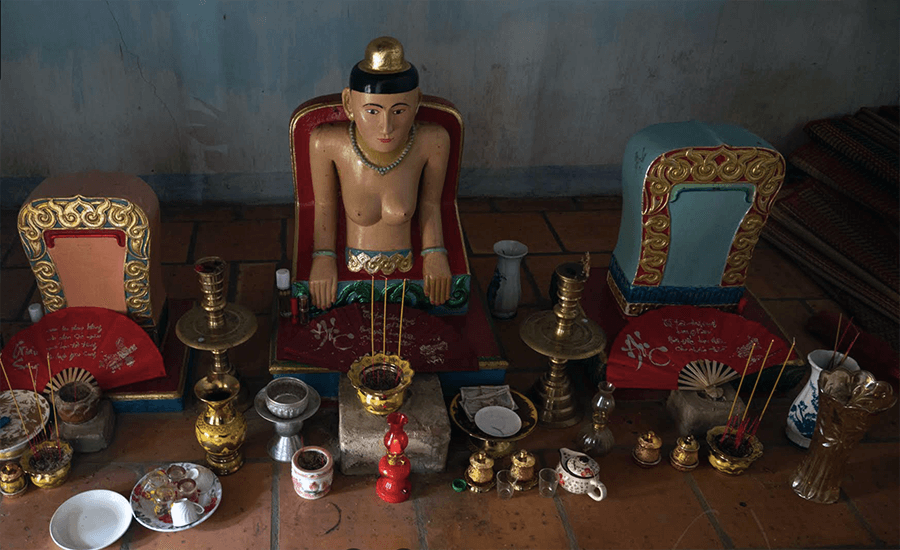
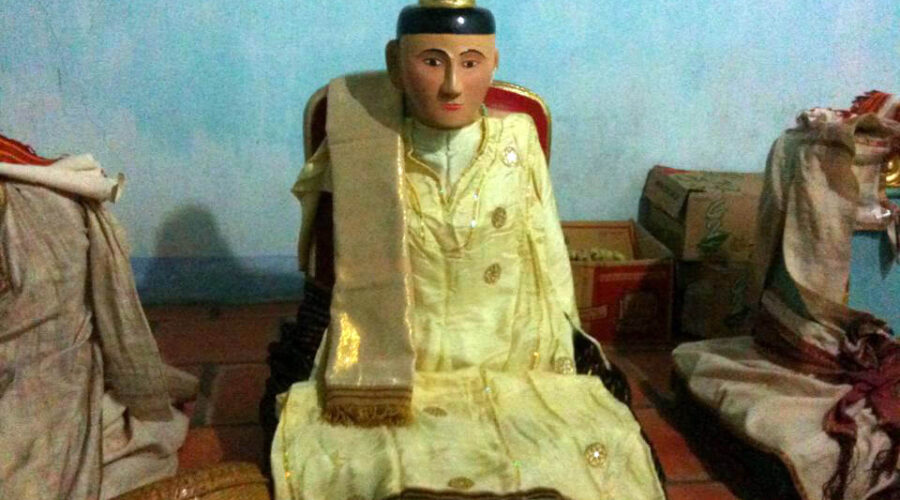
Statue of Queen Po Bia Som
Two smaller temples connect to the main temple, sharing a doorway. These temples are dedicated to the Cham queen, meritorious officials of the court, and the Vietnamese concubine. The northern temple houses a statue of Queen Po Bia Som, the first wife of King Po Klong Moh Nai. Inside, there are also two beautifully decorated statues of the god Kut, symbolizing the worship of the king’s son and daughter. The southern section houses a statue of the Vietnamese concubine.
Champa Royal Treasures
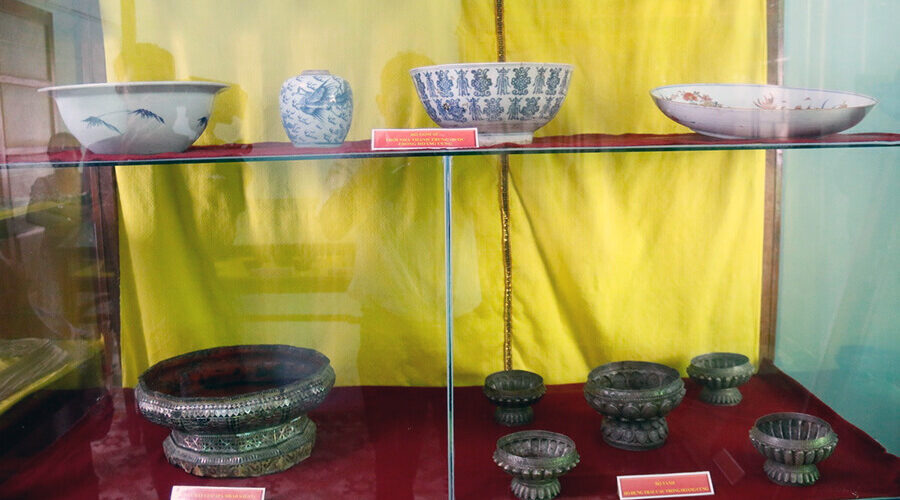
In the early 20th century, when surveying and researching Champa culture in Lam Dong, some French archaeologists referred to the collections of Champa kings, including this collection, as the “Treasures of Champa Kings.” Since the late 20th century, the Royal Cultural Heritage Collection, headed by Mrs. Nguyen Thi Them, a descendant of King Po Klong Moh Nai, has inherited and preserved these precious artifacts. Her house is located in Tinh My village, Hong Thai Commune, Lam Dong Province. The remaining artifacts in the collection mainly belong to the Po Klong Mơh Nai dynasty. In addition, there are some artifacts left behind by kings and queens from previous centuries.
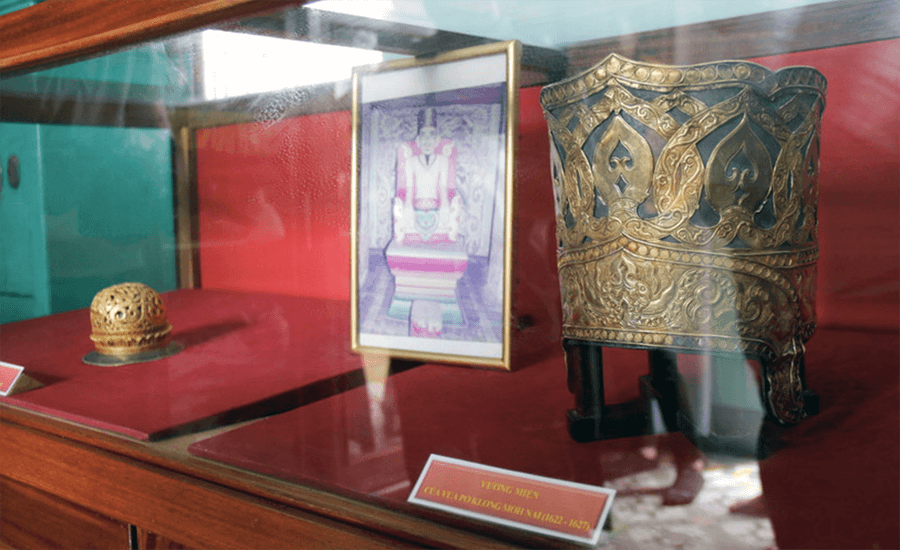
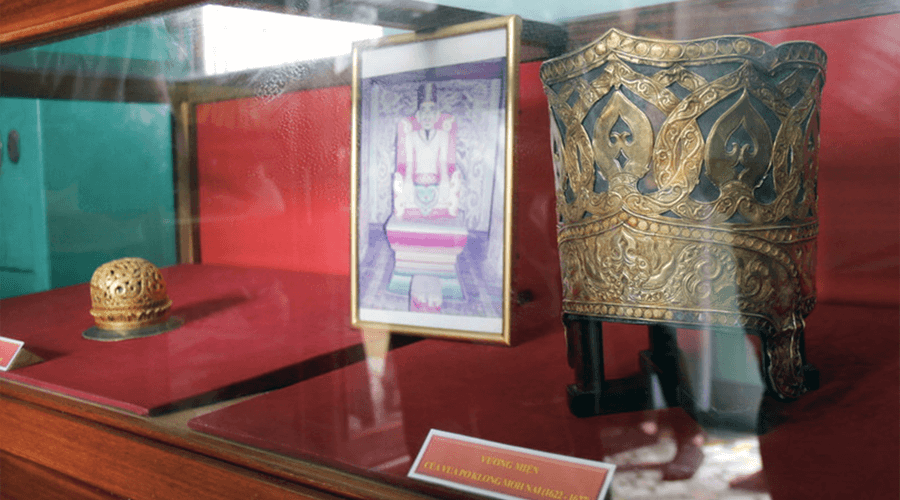
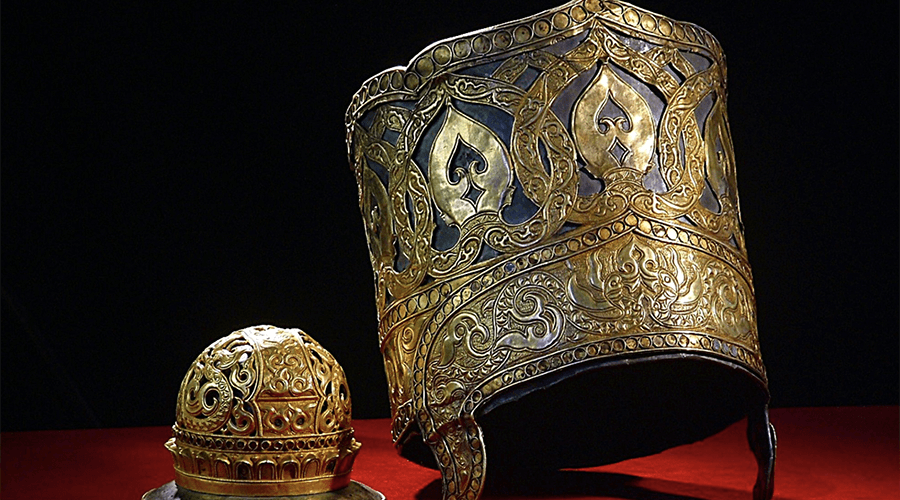
crown and topknot of King Po Klong Moh Nai
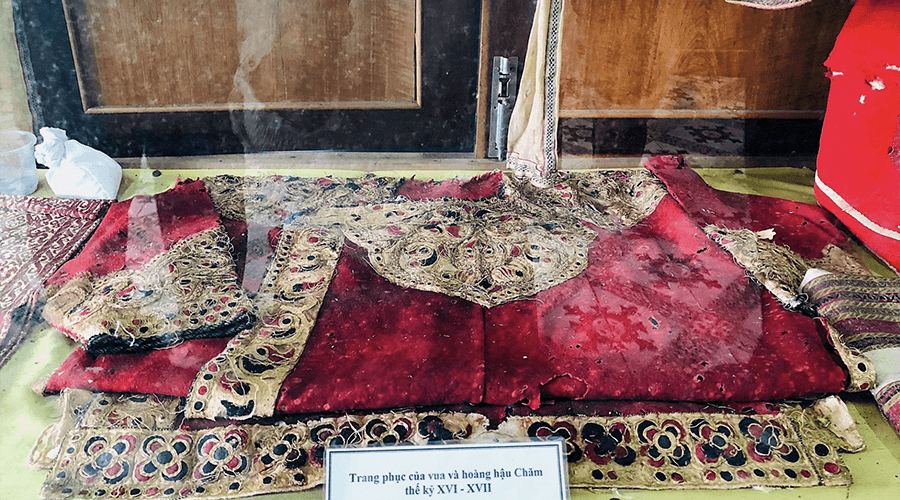
The collection contains approximately 100 original artifacts, including clothing of kings and queens, crowns, weapons, and various items and tools used by the royal family, dating back to the 17th and 18th centuries. The most remarkable items are the crowns, gold jewellery, and the clothing (royal coats and boots)of King Po Klong Moh Nai and Queen Po Bia Som. The collection features well-developed handicrafts (sculpture and carving) of the Cham people.
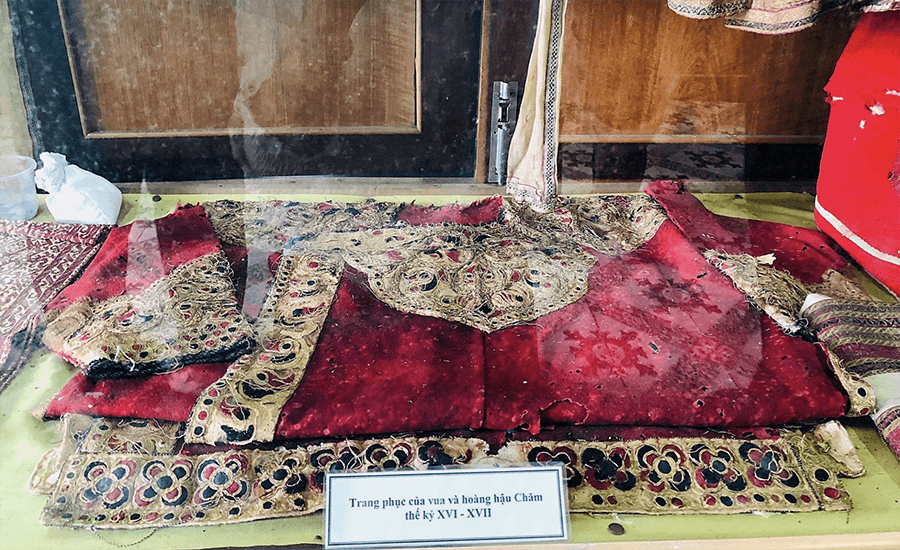
Costumes of the Champa king and queen
In addition, there is a collection of royal decrees from the Nguyen dynasty over more than 100 years, which bestowed three decrees upon King Po Klong Moh Nai during the reigns of Emperors Minh Mang, Duy Tan, and Khai Dinh. This is a fairly complete and rare collection of Cham royal family relics from the first half of the 17th century, attracting many visitors for research and study.
Every year, the royal family, its descendants, and the Cham people hold many ceremonies at the temple. The largest is the Katê festival, held in the 7th month of the Cham calendar. During this festival, the king’s statue is crowned with a real gold crown and dressed in ceremonial robes. The statues of the queen and concubines are also washed, dressed in robes, and adorned with hats.
Source: collected by An
Follow us for the best deals on Vietnam package tours and visa services!