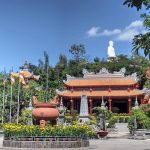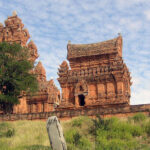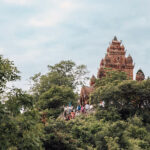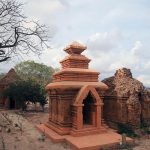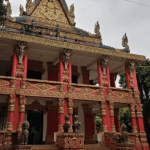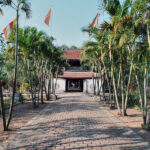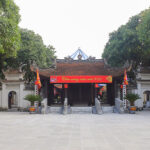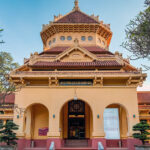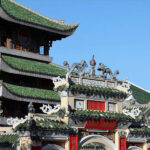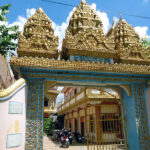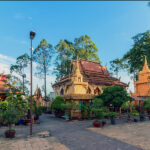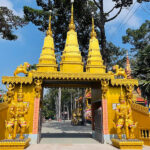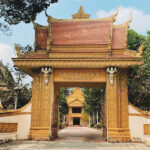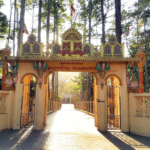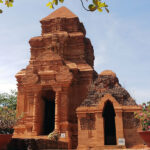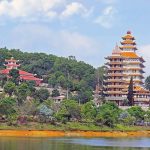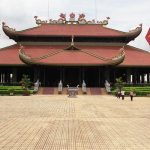
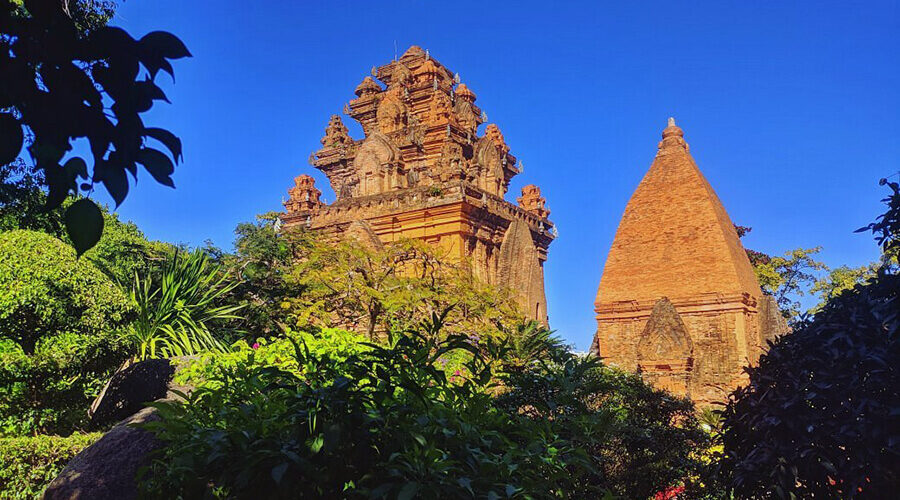
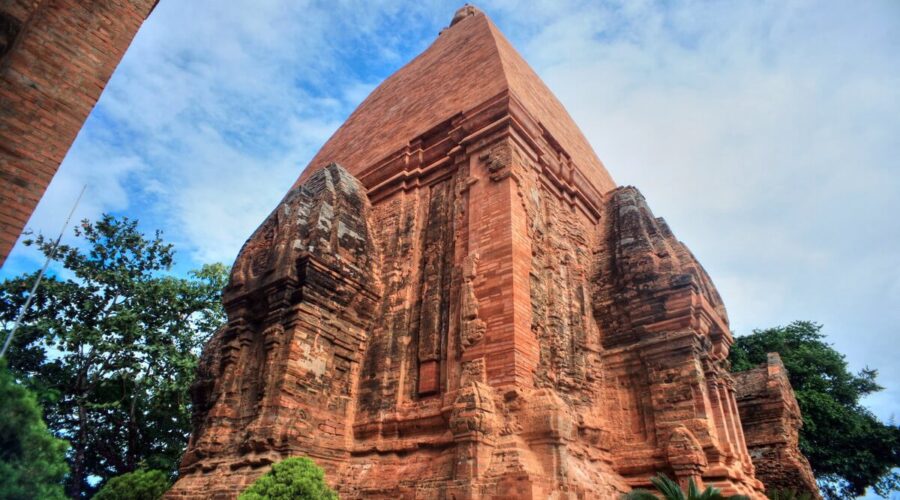


Po Nagar Tower is considered the most famous landmark of Khanh Hoa, a typical temple complex showcasing the art of Cham architecture and sculpture.
Overview of Po Nagar Tower
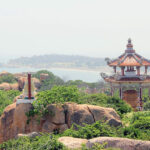
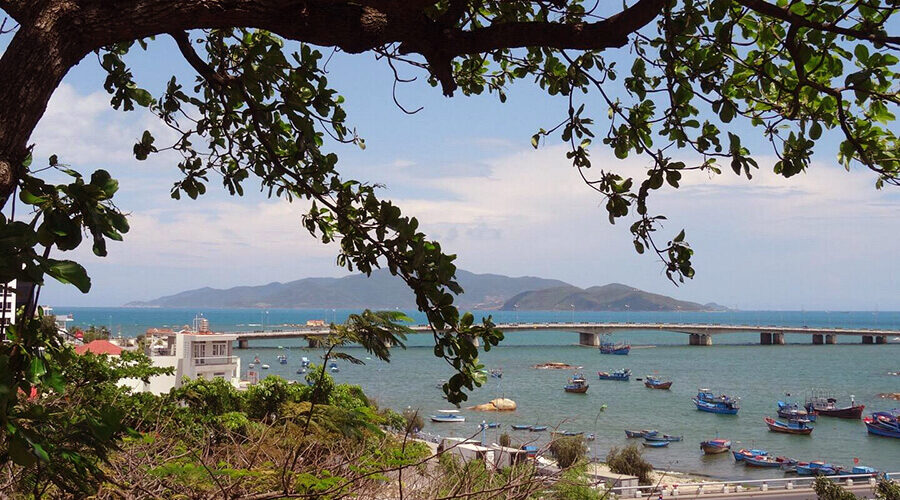
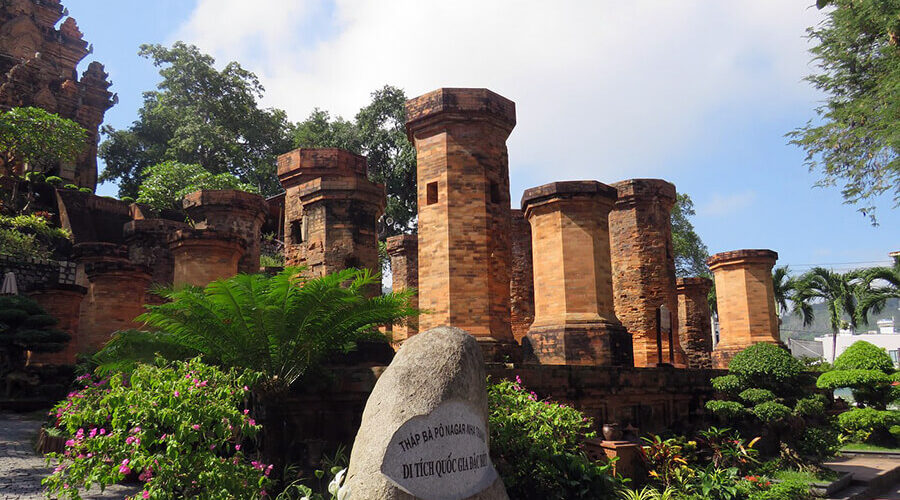
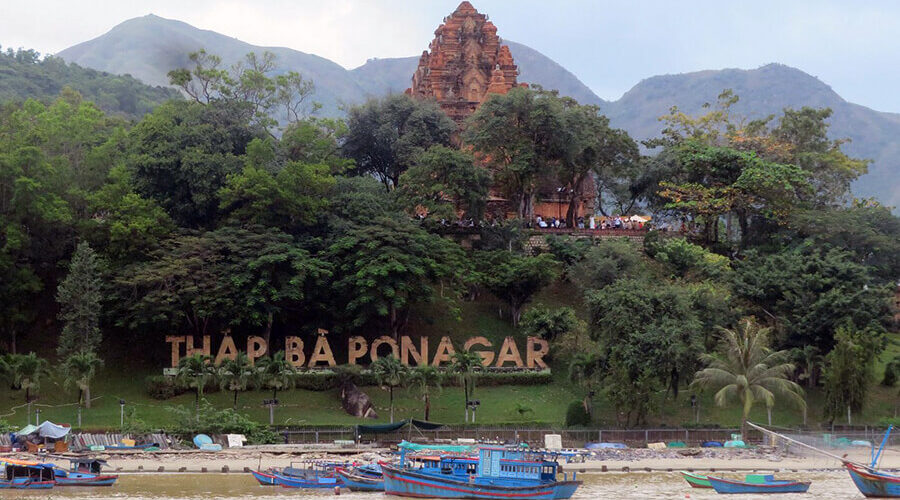
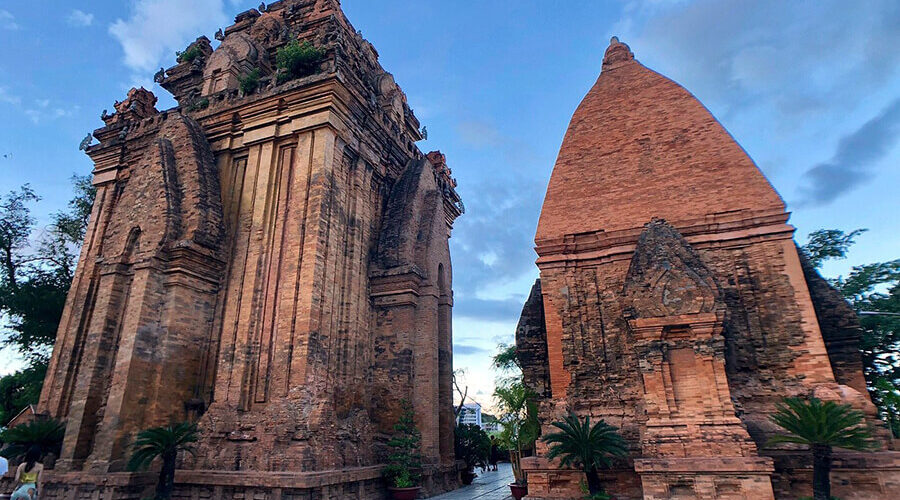
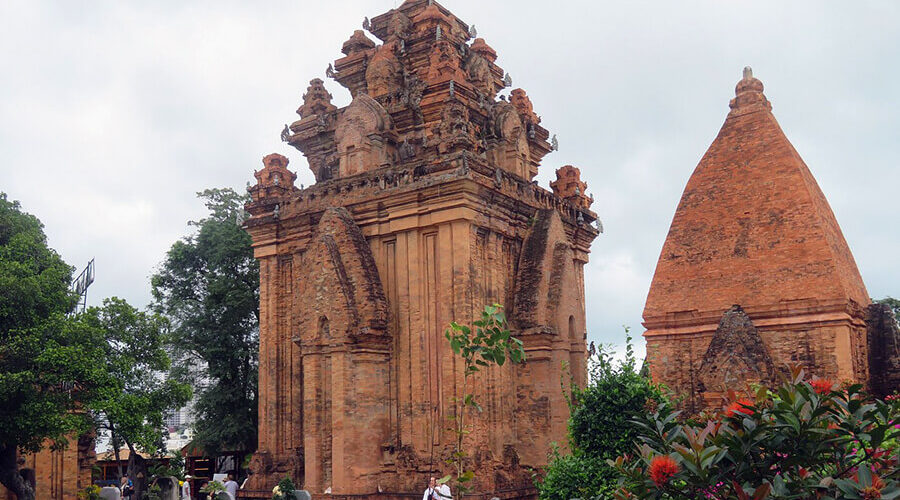
Po Nagar Tower is the collective name for the entire Cham tower complex located on a hilltop at the mouth of the Cai River in Nha Trang, just 2km north of the center. Po Nagar Tower is considered a prominent architectural feature from the glorious period of Hinduism.
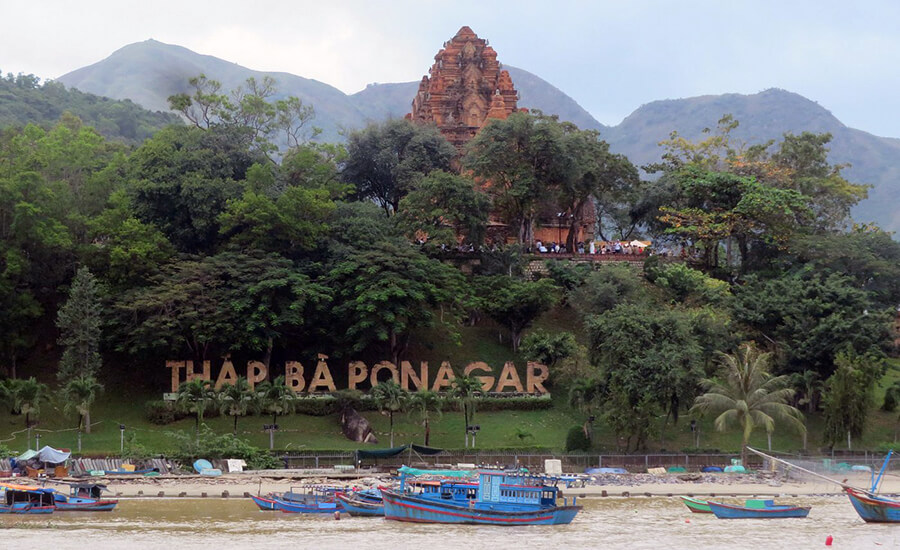
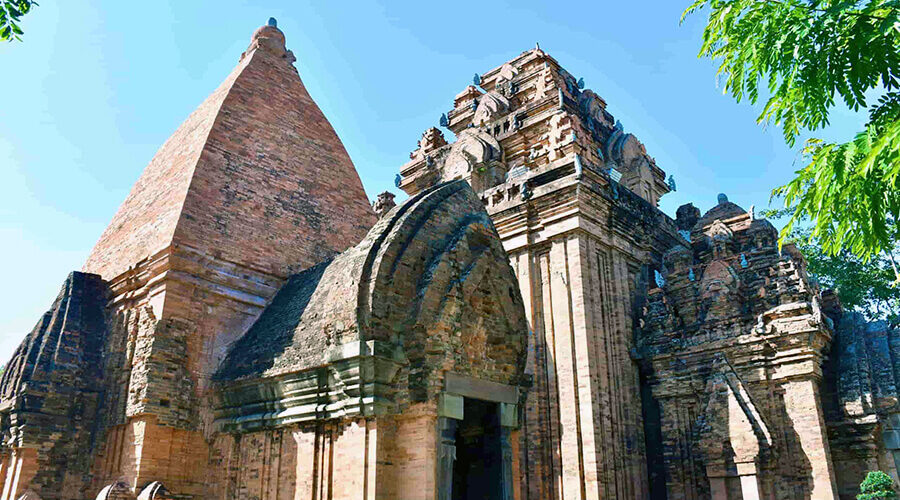
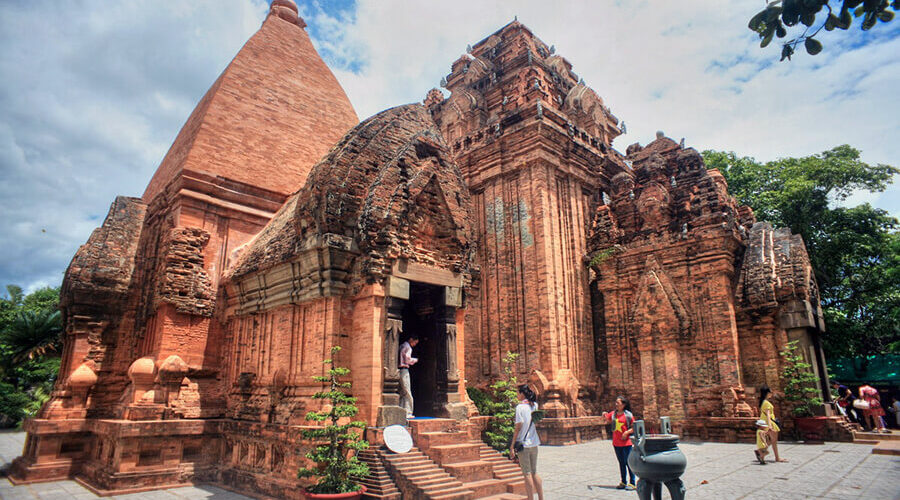
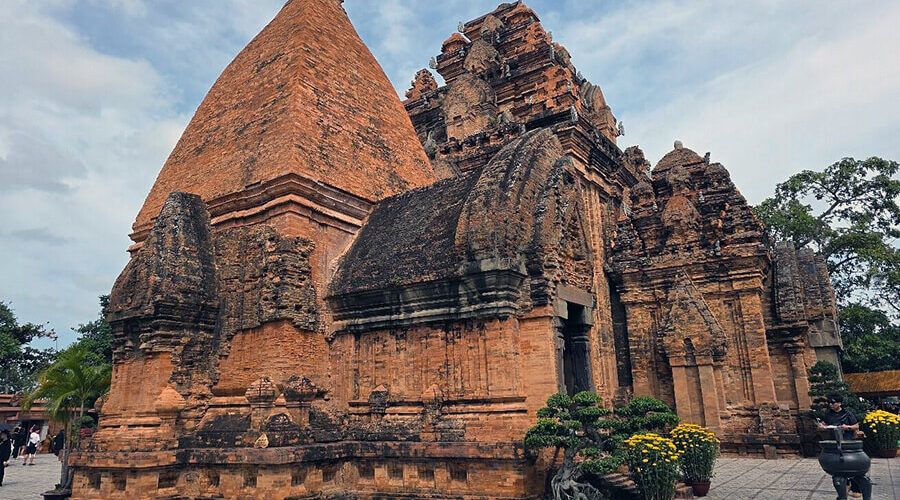
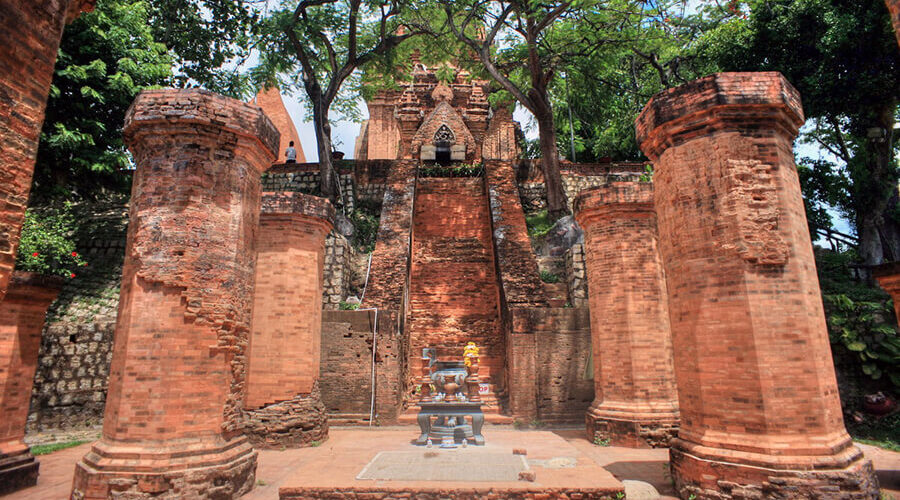
A view of Po Nagar Tower in Nha Trang (Khanh Hoa).
The construction of the towers began in the 8th century and finished in the 12th century. The most beautiful of them were built in 813 and 817. Po Nagar Tower is also known as Yang Po Inư Nagar or Yang Pô Ana Gar. The tower was built to worship the goddess Po Ina Nagar – the creator of the earth, who created plants and rice, protected people from rain, wind, storms, and floods, and brought abundant harvests and peaceful lives.
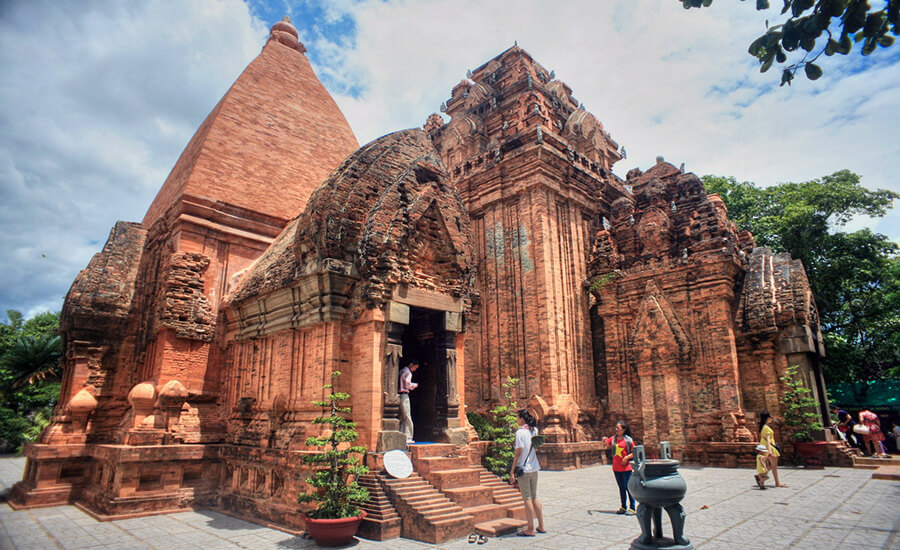
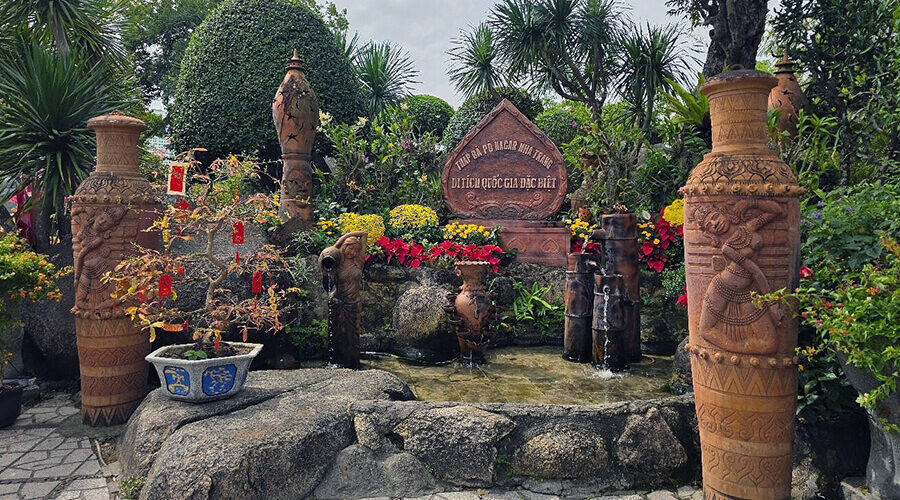
To this day, the Po Nagar Tower still plays an extremely important role in the spiritual and religious life of the Cham people. The Ponagar Tower has a unique architecture and still holds many unsolved mysteries. Because of these invaluable values, the Ponagar Tower was designated a national monument in 1979 and has remained a popular tourist destination to this day.
Address: 61 Hai Thang Tu Street, Bac Nha Trang Ward, Khanh Hoa Province.
Exquisite Architecture
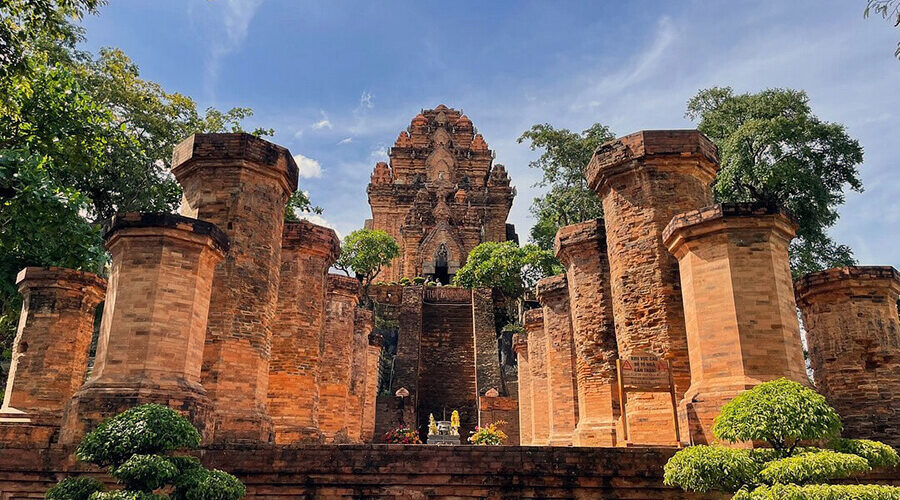
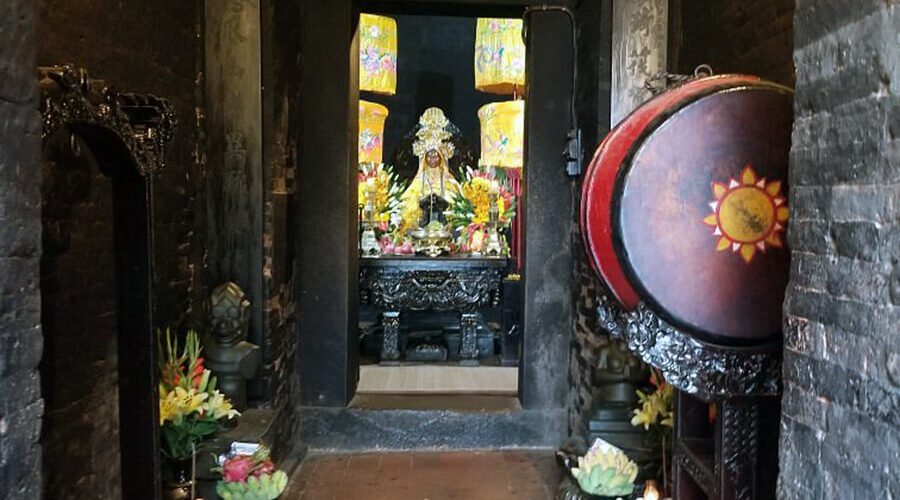
The overall architecture of Po Nagar consists of three levels, from bottom to top. At ground level, on the lowest level, was the gate tower, which no longer exists. From there, stone steps lead up to the middle level.
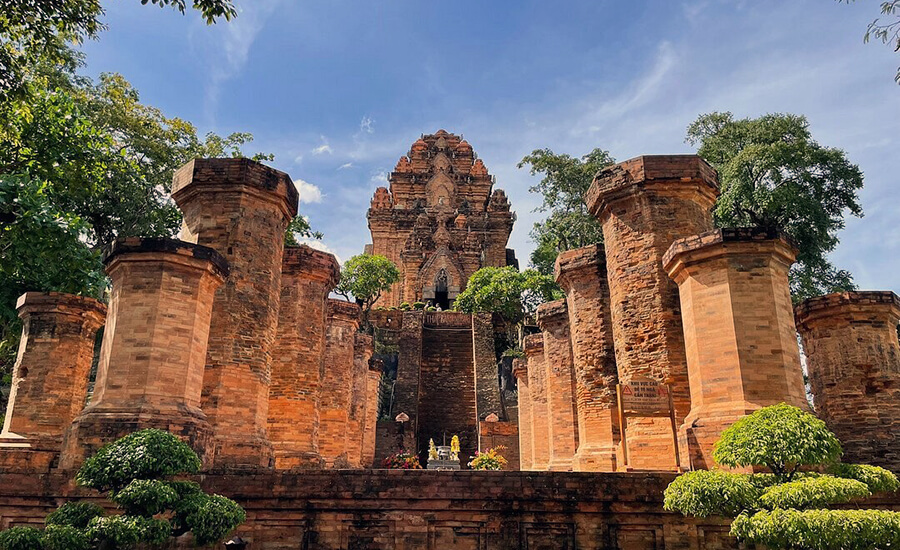
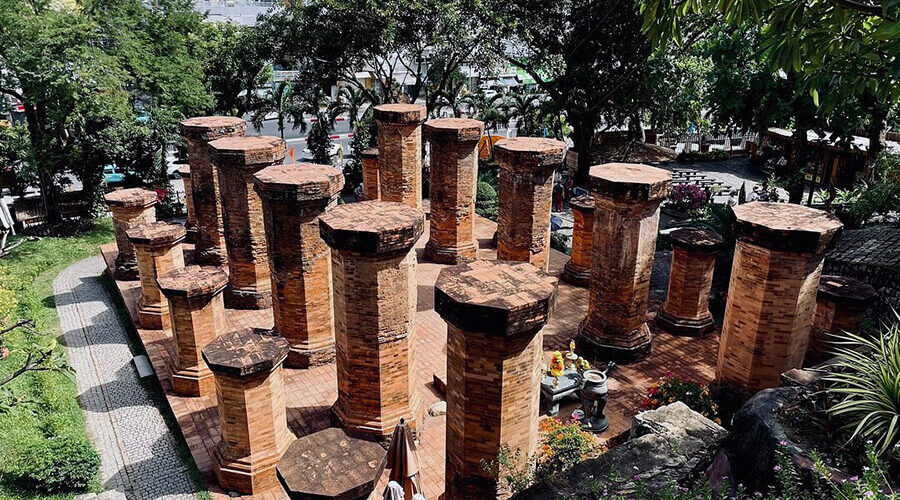
The middle level is called Mandapa (meaning “guesthouse” or “meditation house”) for pilgrims to rest and prepare offerings. The Mandapa is 20 meters long and 15 meters wide, with four rows of octagonal columns (10 large and 12 smaller). The large columns have mortise-and-tenon joints, deeply carved into the shafts and symmetrically aligned with the tops of the smaller columns.
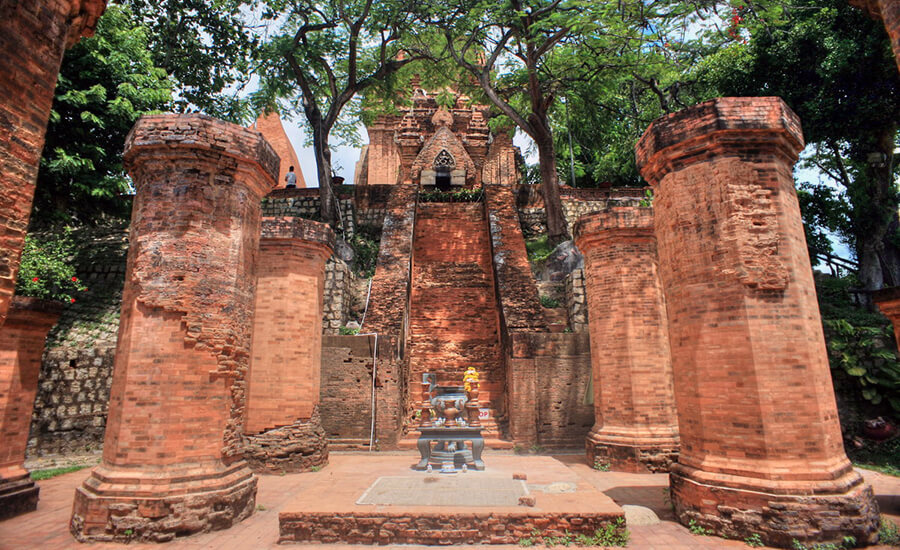
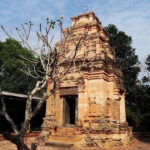
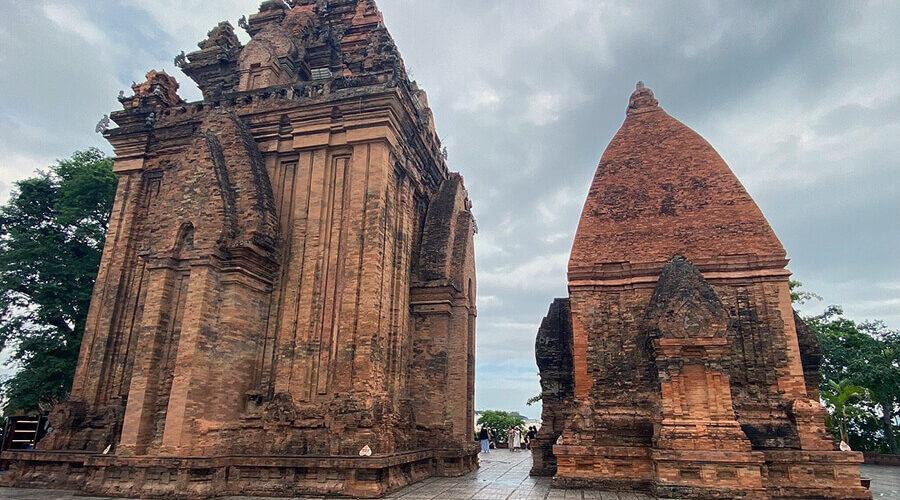
The top level houses the towers. These towers are built in the Cham style, with tightly fitted bricks that make the binding material invisible. The main tower in the front row is quite large, about 23 meters high, and is called the Po Nagar Tower.
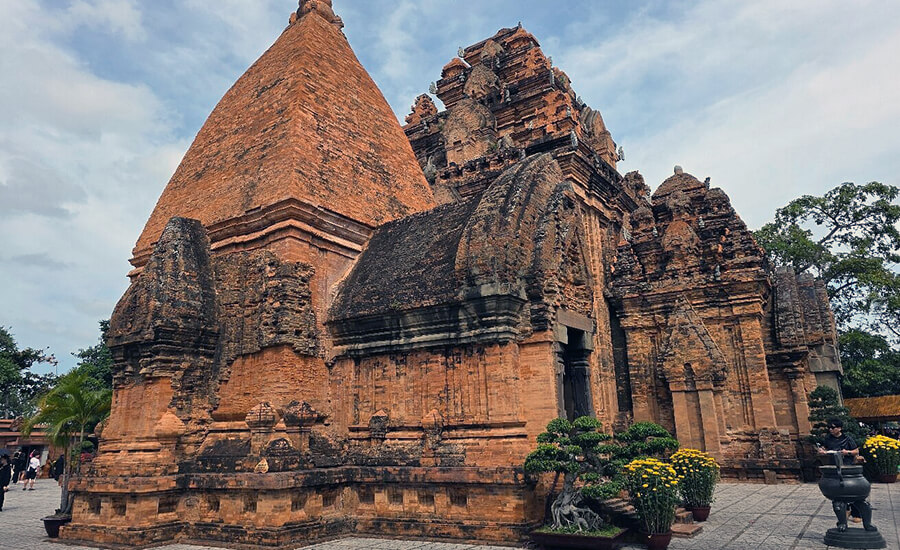
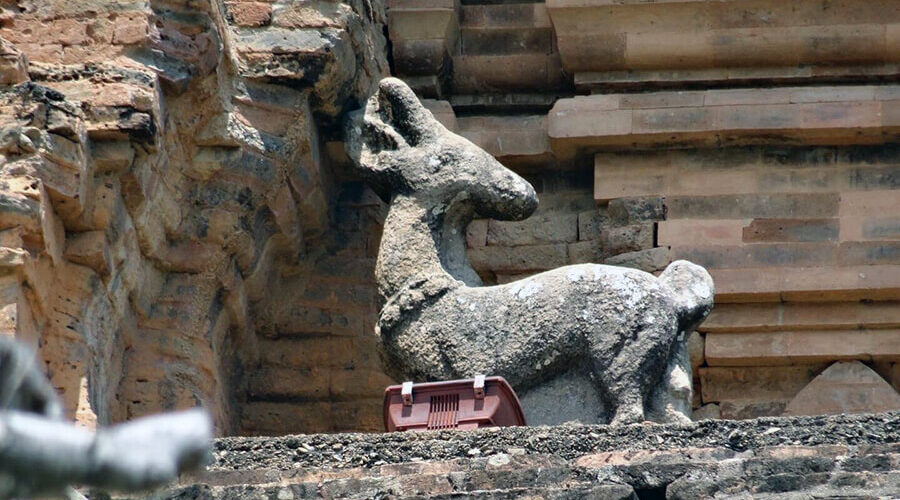
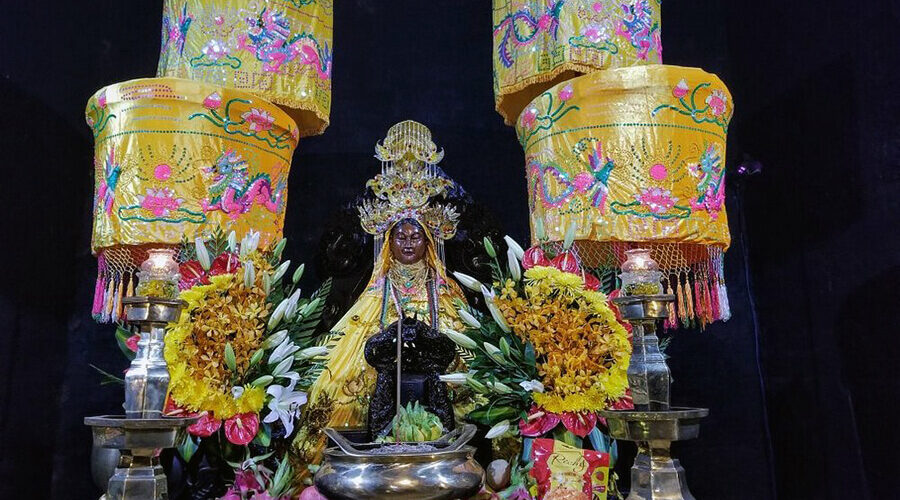
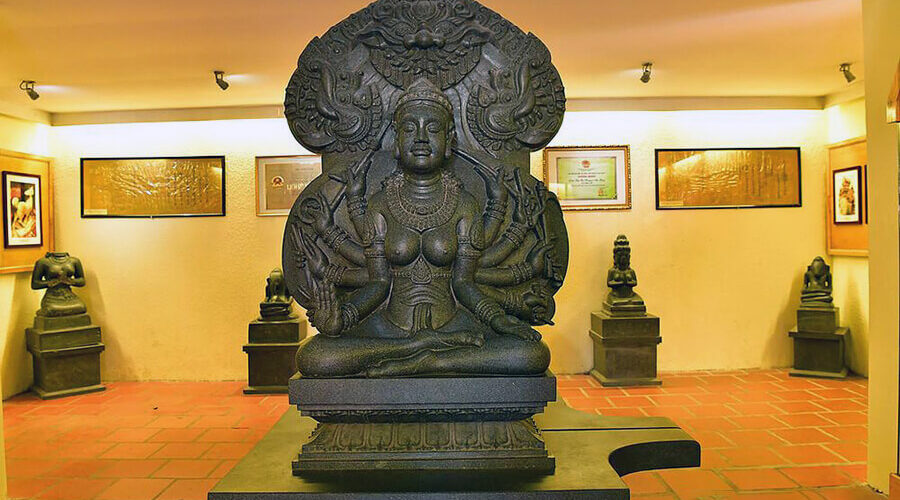
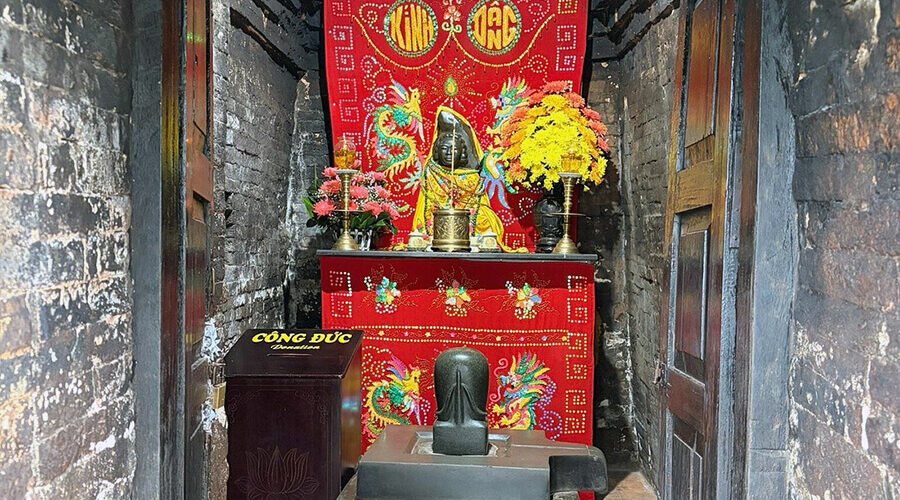
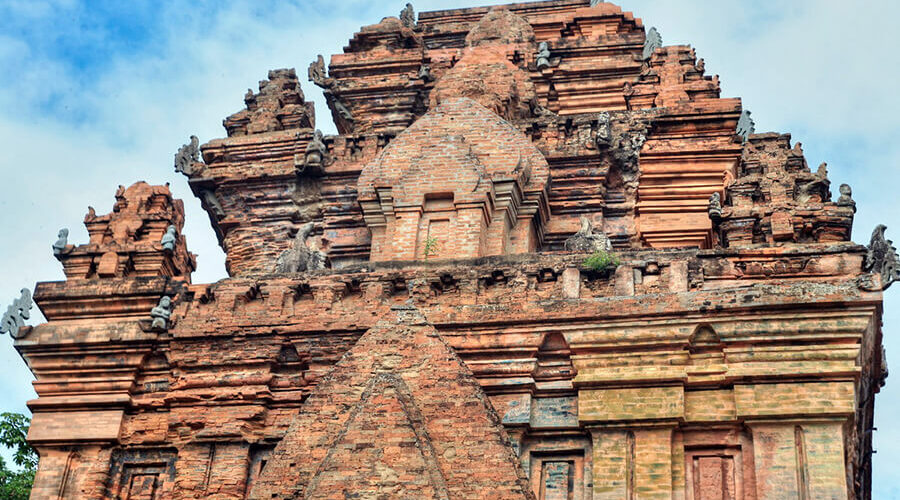
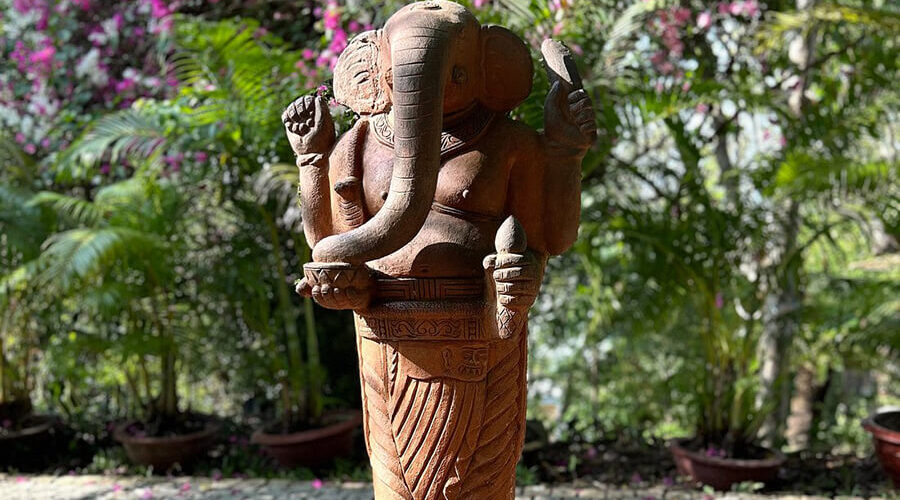
The tower has four levels, each with doors, statues of gods, and stone animal figures. Inside is a statue of a goddess (2.6 meters high), carved from black granite (previously made of sandalwood, and even further back, gold), seated on a majestic lotus-shaped stone pedestal, her back resting against a large Bodhi-leaf-shaped stone slab. This is a masterpiece of Cham sculpture, a harmonious combination of round and relief carving techniques. At the top of the tower is a statue of the god Shiva riding the bull Nandin, along with other sacred animal statues.
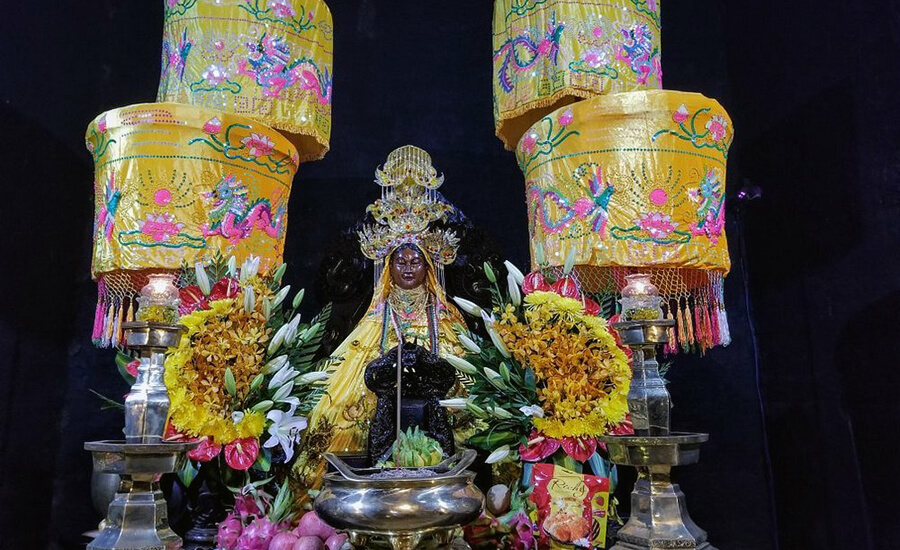
The goddness statue inside the tower
The Po Nagar Tower is a typical example of Cham architecture and sculpture. The construction techniques from the 8th to 13th centuries remain a mystery to this day, despite numerous researchers and scientific studies. It is still unclear how the Cham managed to fit together 20x20cm bricks without any binding material. This unique feature makes the temple complex even more appealing to visitors.
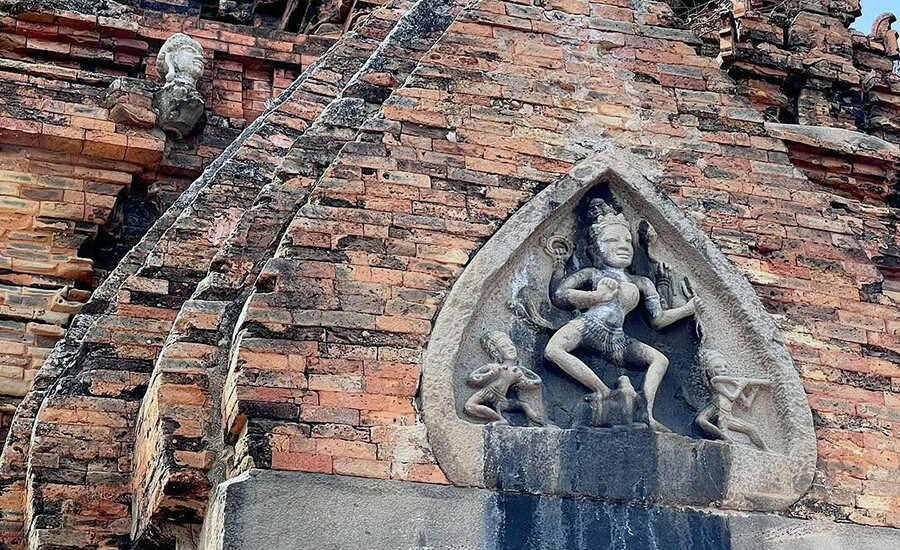
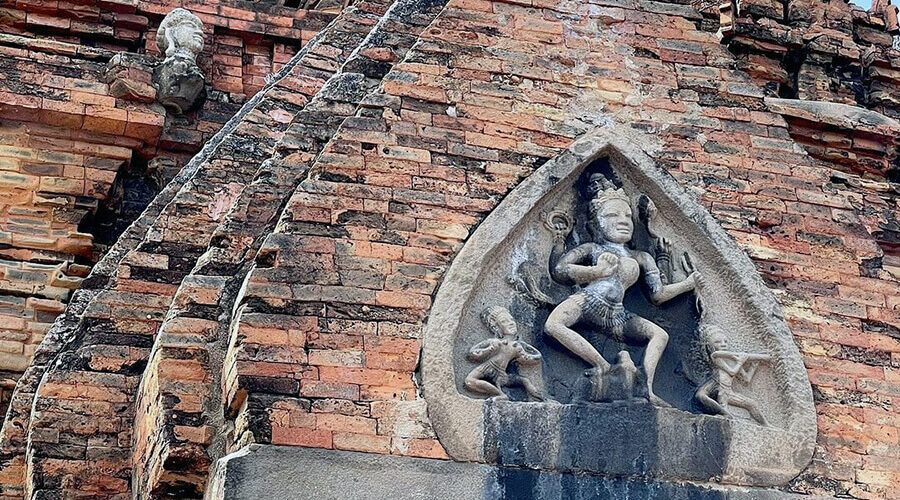
Technically, the entire tower is built of brick and decorated with stone and ceramics, depicting the deities worshipped there. The stone sculptures depict various themes according to Brahmanism, such as the round statues (currently on display at the Khanh Hoa Museum), which are integrated into the temple complex, creating a magnificent architectural and artistic masterpiece.
The Po Nagar Tower Festival
During the annual Po Nagar Tower festival (from the 20th to the 23rd of the third lunar month), tens of thousands of pilgrims and local people flock to the tower to commemorate the merits of Po Inư Nagar, the mother of the land, who taught the people how to work and live.
In the history and subconscious of the Cham people, the goddess Po Inư Nagar is particularly important, and she is the only female figure worshipped independently. People believe Po Inư Nagar is a powerful and creative deity… The mother of the land not only supported the Cham people from their first steps in nation-building but also always guided the spiritual lives of each family and the entire community.
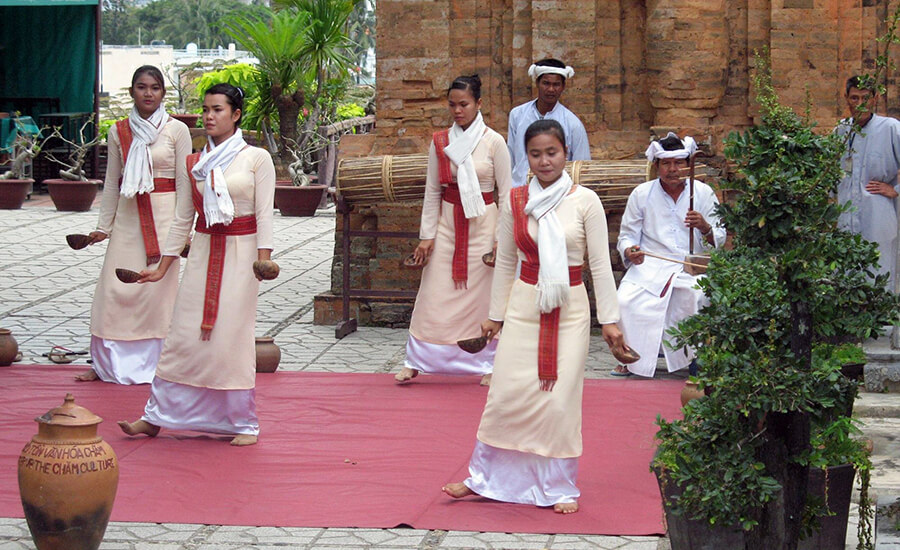
According to researchers, from around the mid-17th century to the present day, the rituals of worshipping the Mother of the Land have been meticulously organized by both the Cham and Kinh people at the Ponagar Tower. In 1653, Vietnamese people from the North, following Lord Nguyen to the South to expand their territory, settled at the mouth of the Cai River (Nha Trang), establishing villages and hamlets… And it was they who brought the custom of worshipping the Mother Goddess from the Kinh people of the Northern Delta to this place. Every year, on the 20th day of the 3rd lunar month, Cham and Kinh people from all over bring offerings and make pilgrimages to the Po Nagar Tower in Nha Trang (Khanh Hoa), sincerely expressing their gratitude to a woman who taught the people how to make a living through agriculture.
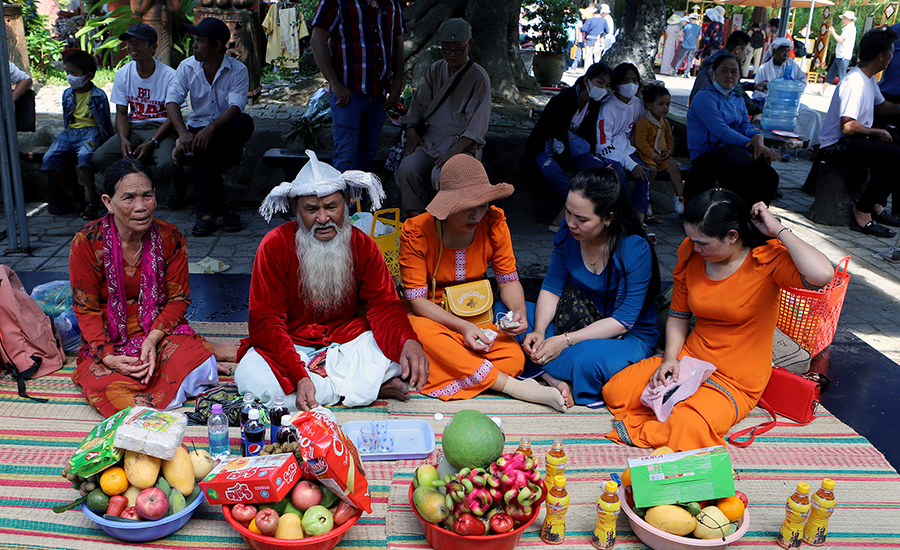
The main rituals of the Po Nagar Tower Festival include the bathing of the statue, the changing of the robes ceremony (taking place at noon on the 20th day of the 3rd lunar month), followed by the sacrificial ceremony, offering of sacrificial gifts, and shadow puppetry, inviting the goddess Po Inư Nagar and other deities to attend the ceremony.
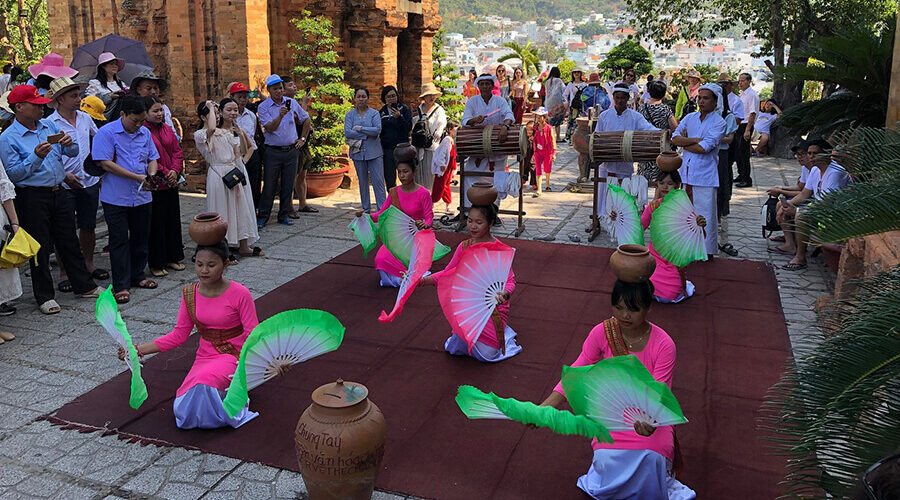
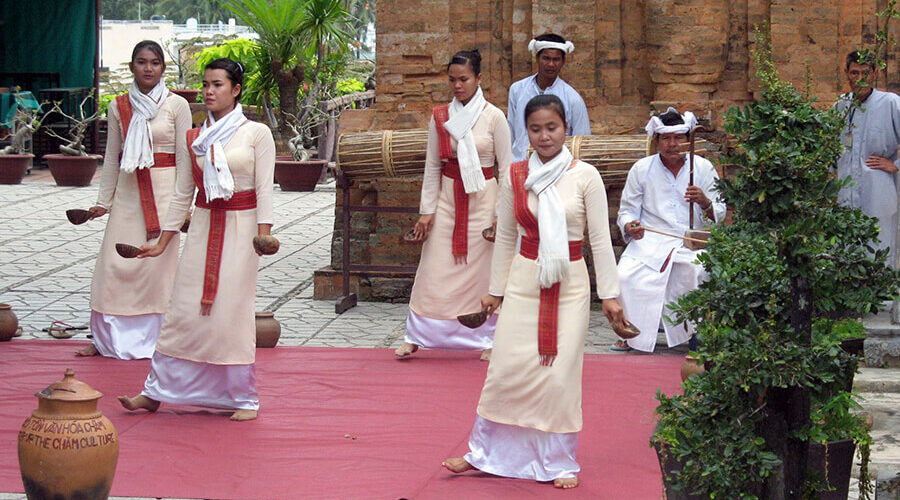
According to tradition, the ceremony usually begins with the opening of the prayer for national peace and prosperity. The sacrificial ceremony starts at midnight on the 22nd day of the lunar month, performed by the elders, and then the main prayer ceremony takes place at 4 am the following day… Famous Cham dances such as Apsara, Love at the Water’s Edge, Neighborly Love… along with the lively sounds of the Saranai flute and Ghi-nang drums captivate the hearts of many visitors…
Source: collected by An
Follow us for the best deals on Vietnam package tours and visa services!