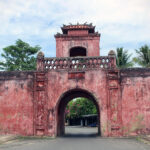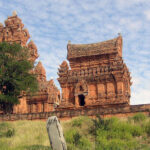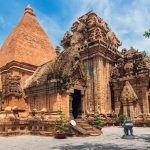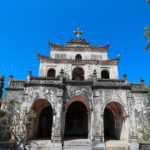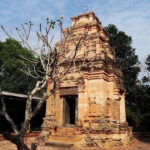
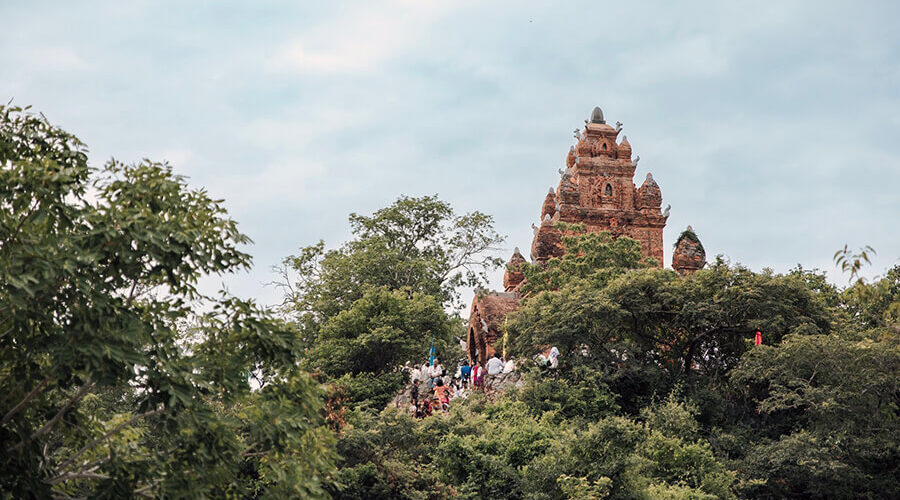
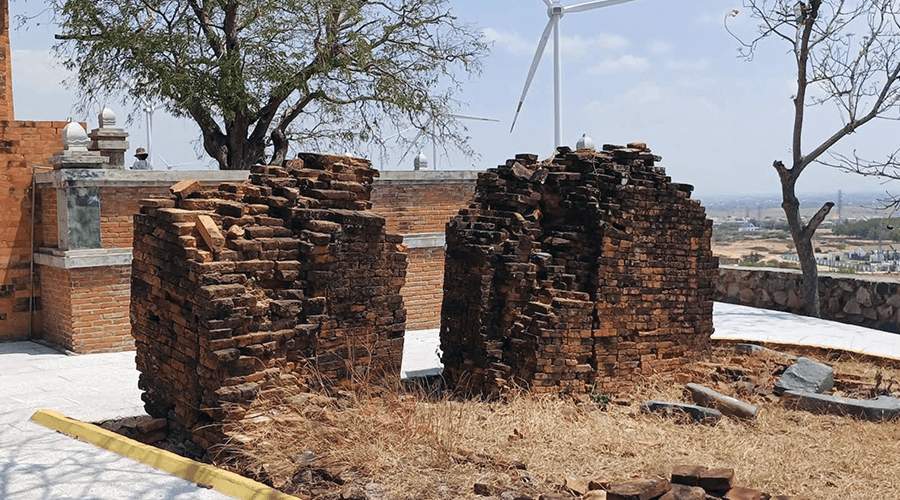


As the last remaining intact Cham tower built of fired brick, the Po Rome Tower complex is not only a unique architectural heritage, a center of cultural and religious activity, but also a famous tourist destination in Khanh Hoa in recent years.
Overview of Po Rome Tower
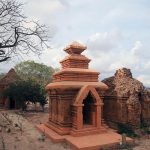
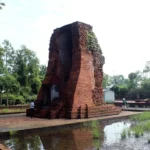
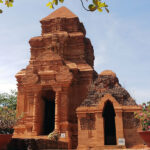
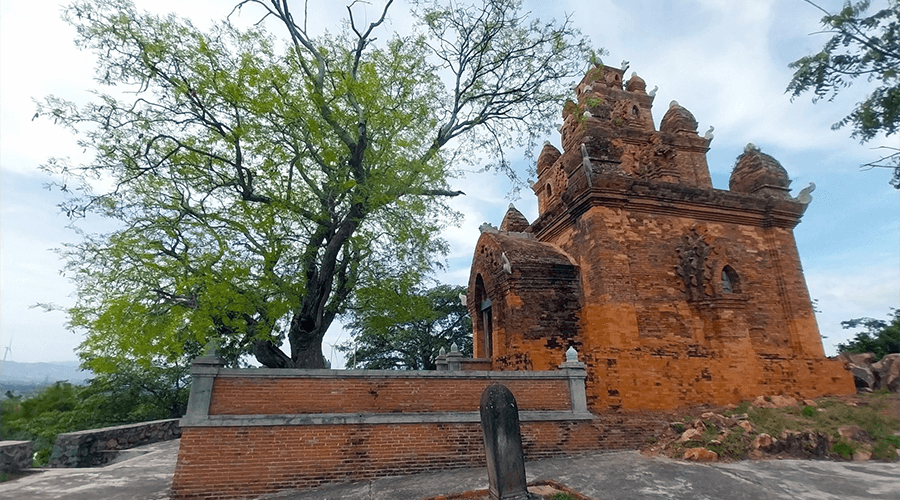
Located on a hill in Hau Sanh village, Phuoc Huu commune, the Po Rome Tower complex is the most intact brick-built architectural structure of the ancient Cham people in the Panduranga region. The tower is situated about 15km south of Phan Rang – Thap Cham center.
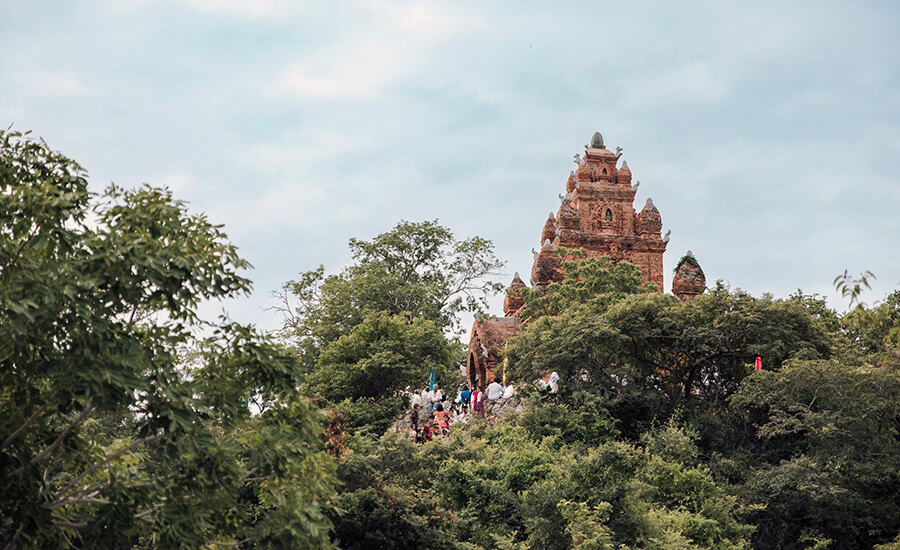
Po Rome Tower in Khanh Hoa
The tower is one of the latest Cham towers, built in the 17th century in a late style. Like Po Klong Garai, it is not dedicated to a god, as most other Cham towers are, but rather to King Po Rome, one of the deified Cham kings.
In 1992, the tower was recognized as a National Historical Monument by the Ministry of Culture and Information (now the Ministry of Culture, Sports and Tourism).
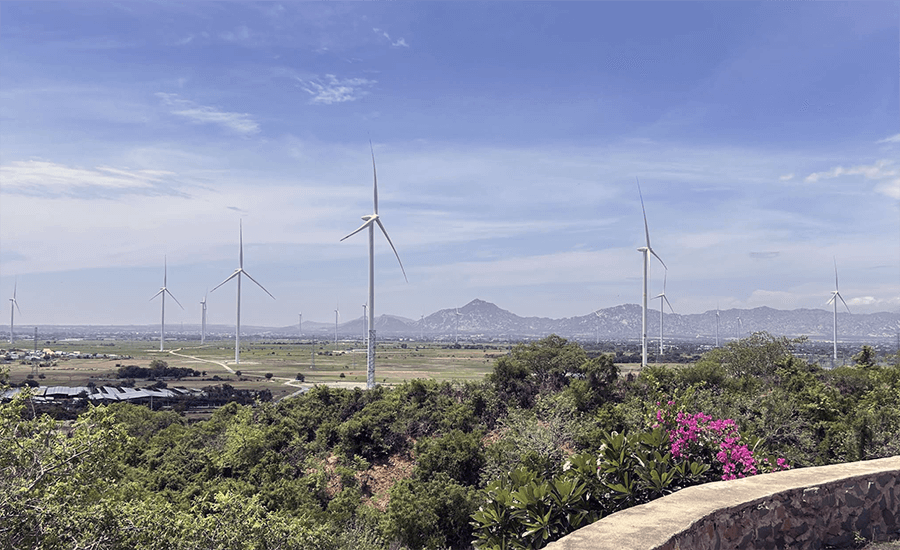
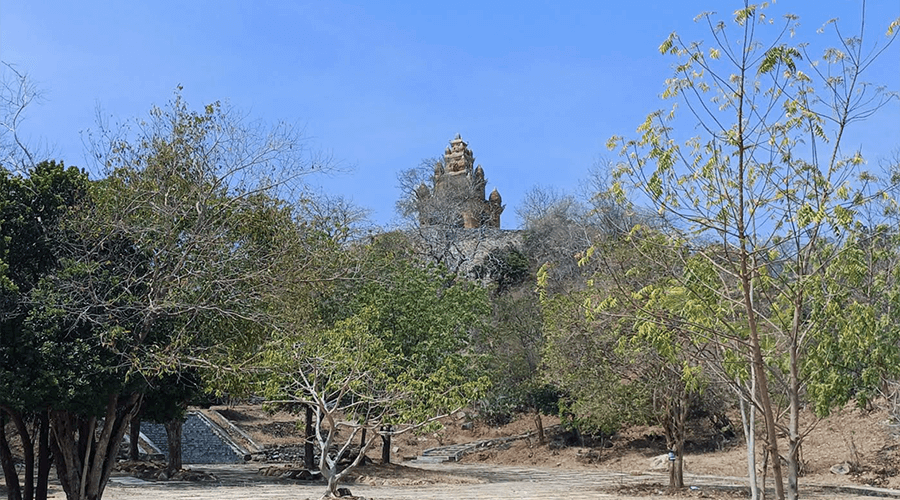
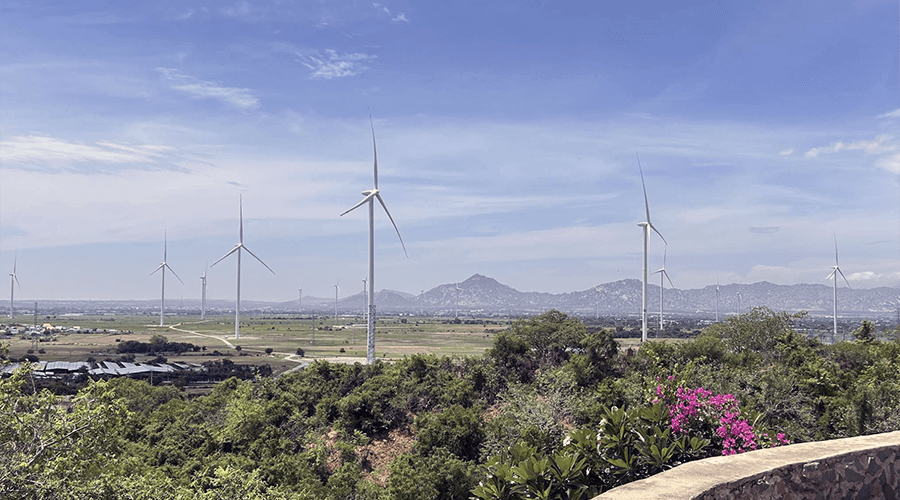
a view from Po Rome Tower
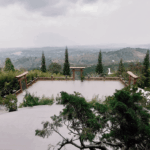
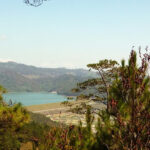
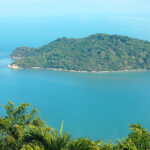
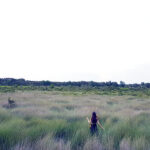
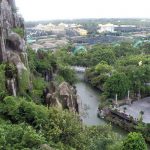
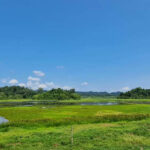
Currently, Po Rome is one of the destinations recommended by the tourism industry to visitors on their Khanh Hoa travel itinerary. Standing atop the Po Rome tower complex, visitors can admire the pristine, surprisingly peaceful natural scenery across a vast area. In the distance, beyond the wind farm, lies the Cham village of Hau Sanh, and further in the distance are the Bau Truc pottery village and the traditional My Nghiep Cham brocade weaving village. At sunset, flocks of goats and sheep leisurely return to their pens, creating a rare and tranquil scene.
Architecture of Po Rome Tower
According to historical records, the Po Rome tower complex was built around the late 16th-early 17th centuries to worship King Po Rome. The overall architecture of the tower is in the Late style, similar to the Po Klong Garai Tower.
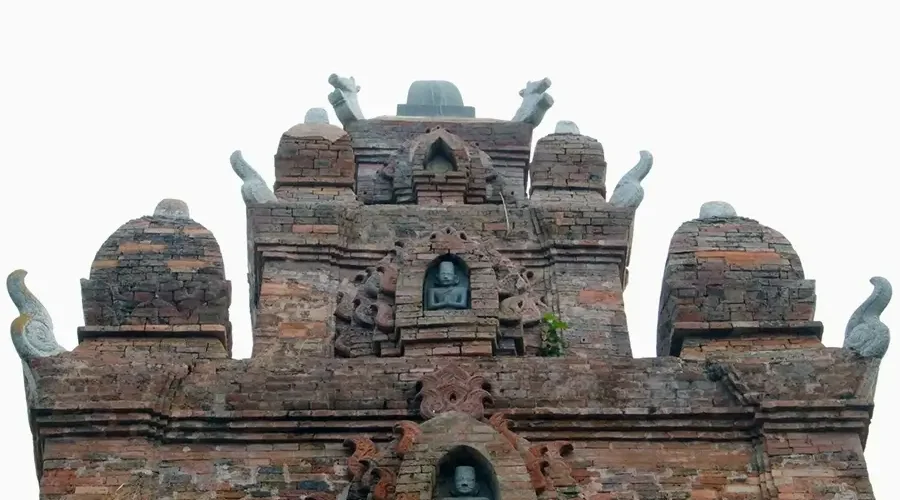
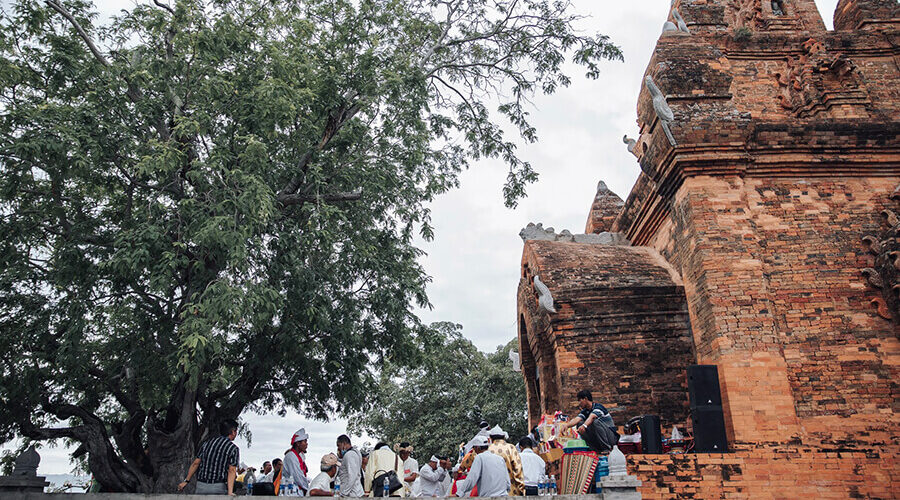
Although not as elaborate or grand as the Hoa Lai Tower and the Po Klong Garai Tower, the Po Rome tower complex is one of the oldest and most imposing structures built with red fired bricks by the Cham people from ancient times. In particular, the tower still retains its immense architectural and sculptural value despite having gone through countless historical upheavals.
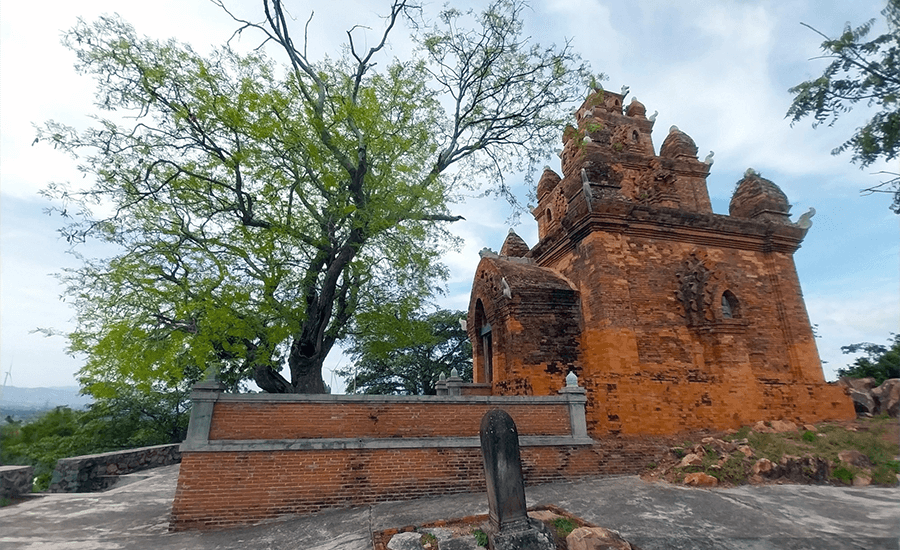
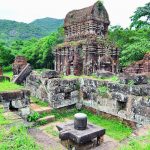
Essentially, the entire complex includes the Main Tower, the Secondary Tower, and a small shrine. The highlight of the entire structure is concentrated in the main tower.
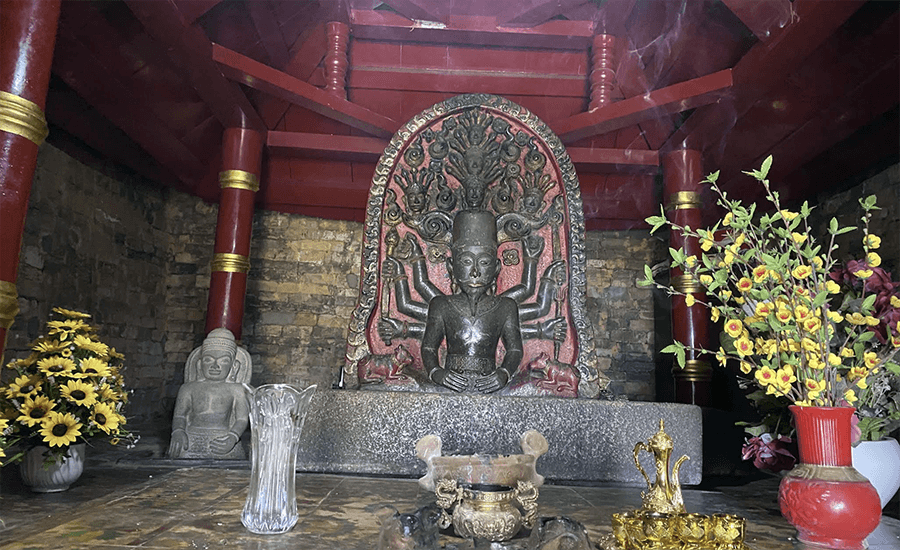
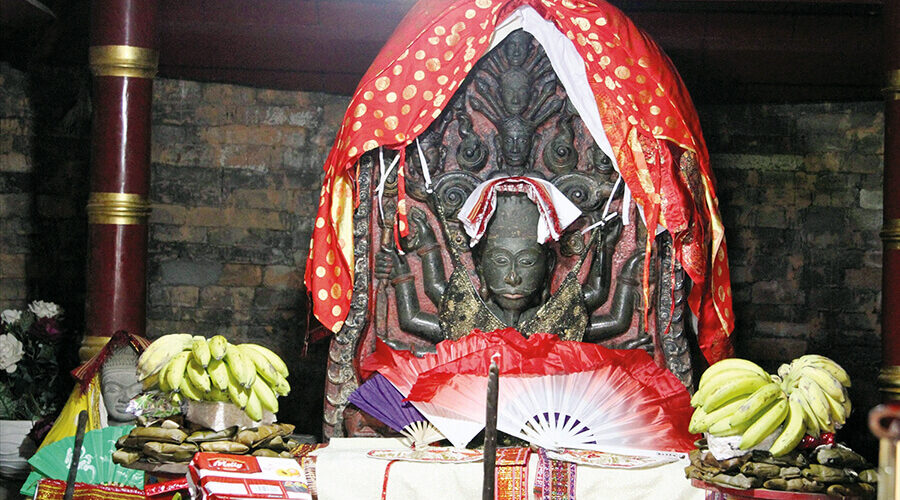
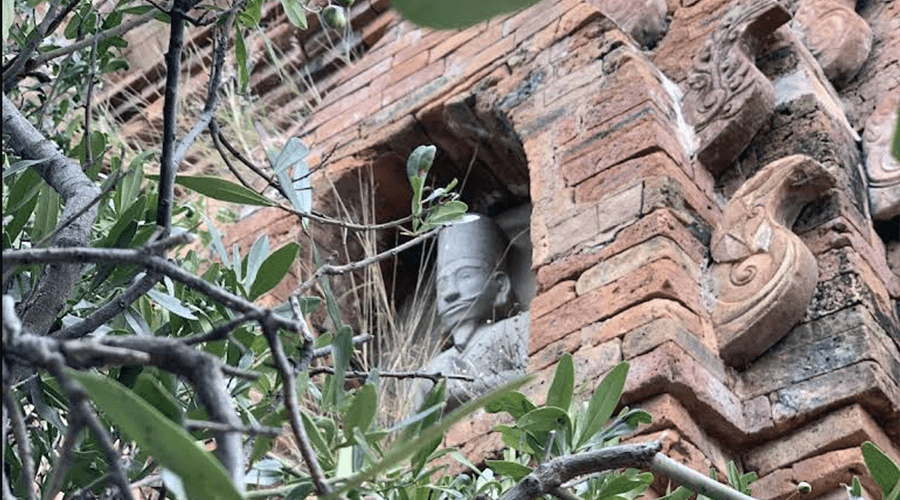
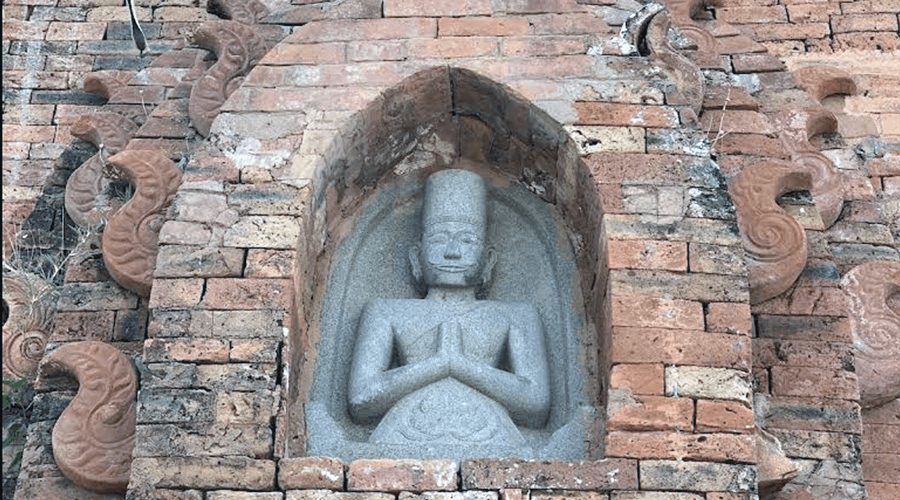
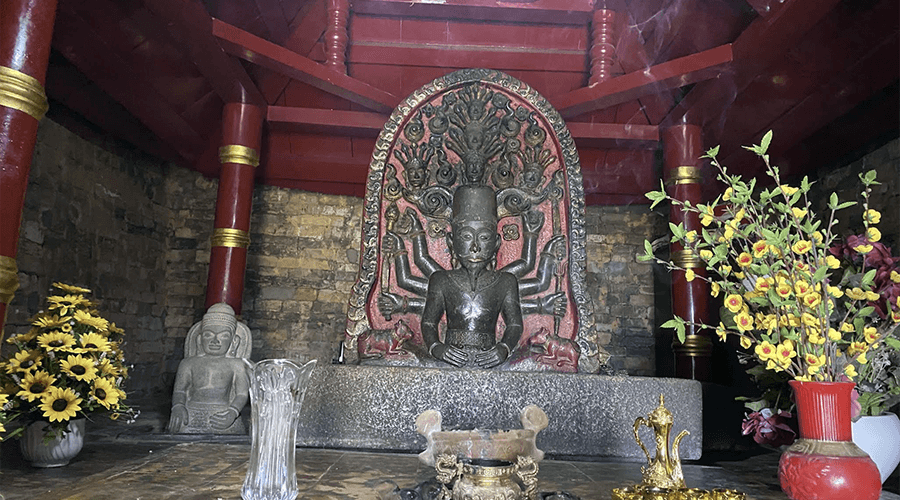
A relief sculpture depicting the multi-armed King Po Rome and Queen Po Bia Sancan is located on the lower right.
The Main Tower is approximately 8 meters high and nearly 8 meters wide at its base. The main facade faces east, with tiered arched doorways above, and below are statues of the god Shiva and a flame-shaped stone block. Inside the main hall is the area dedicated to King Po Rome and Queen Po Bia Sancan, with a fairly simple interior decoration.
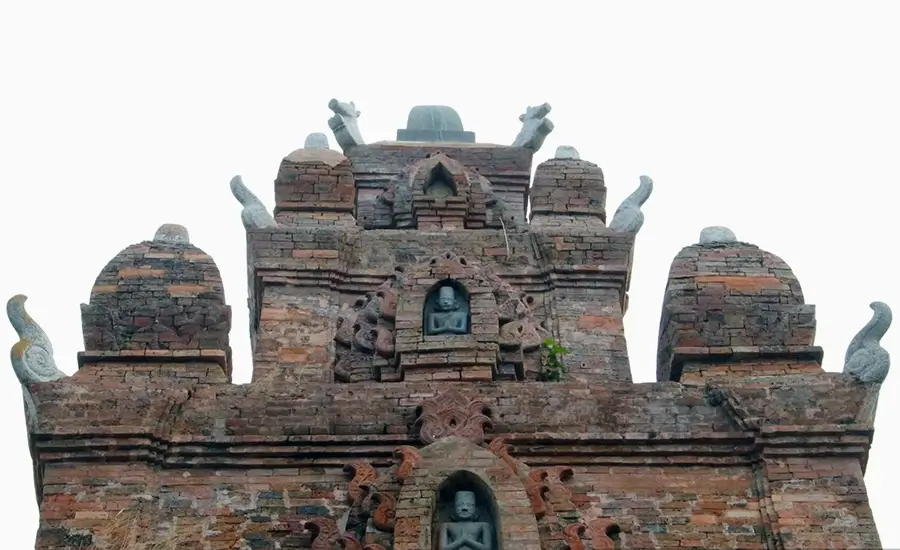
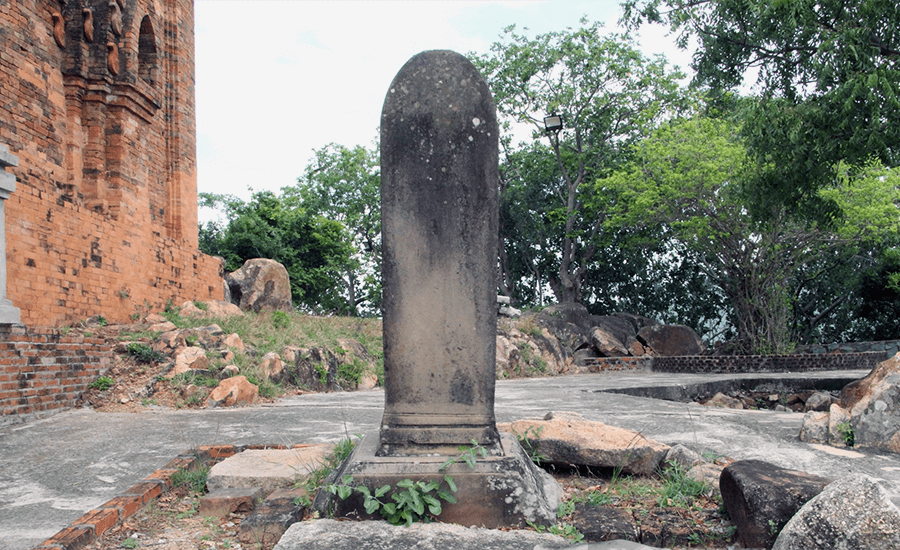
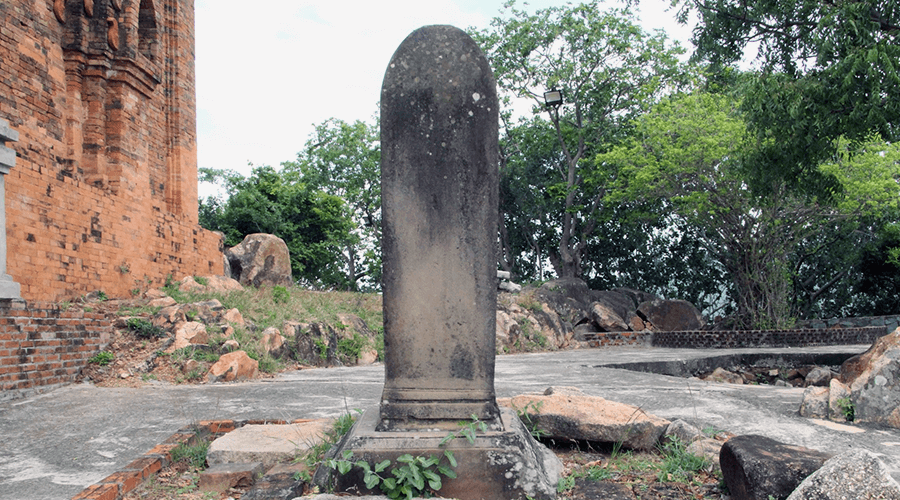
The stone Linga statue in Po Rome Tower
The remaining Secondary Tower is dedicated to Queen Pra Sucih and also contains the tomb of King Po Rome. Visiting the tower, you will be able to see and touch the ancient red fired bricks. Furthermore, you can listen to guides or locals recount fascinating stories and legends of the flourishing Po Rome dynasty.
Traditional Cham festivals in Po Rome Tower
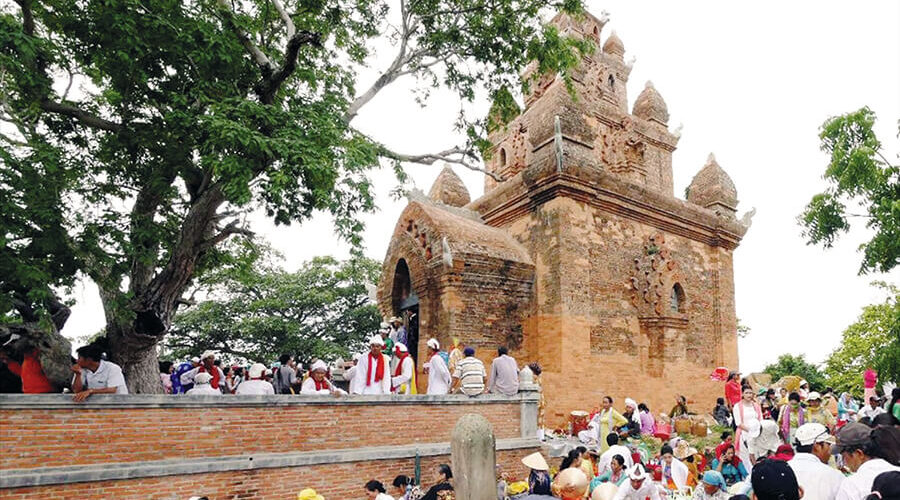
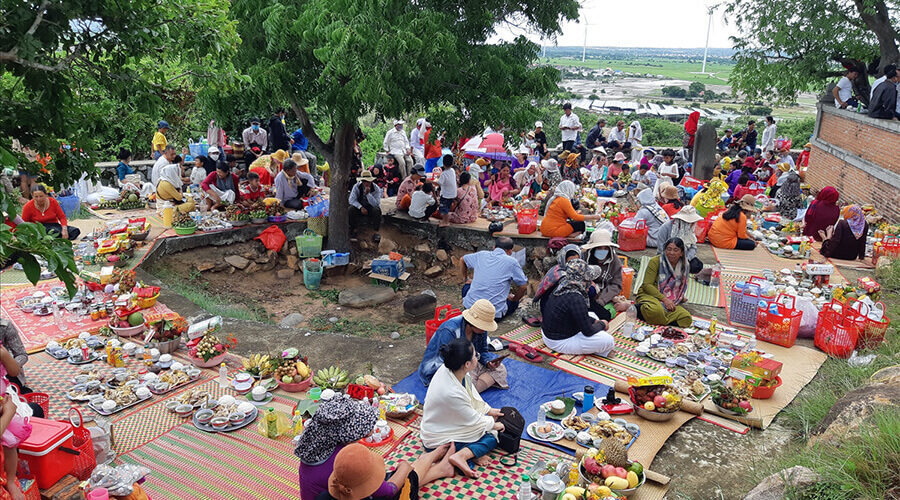
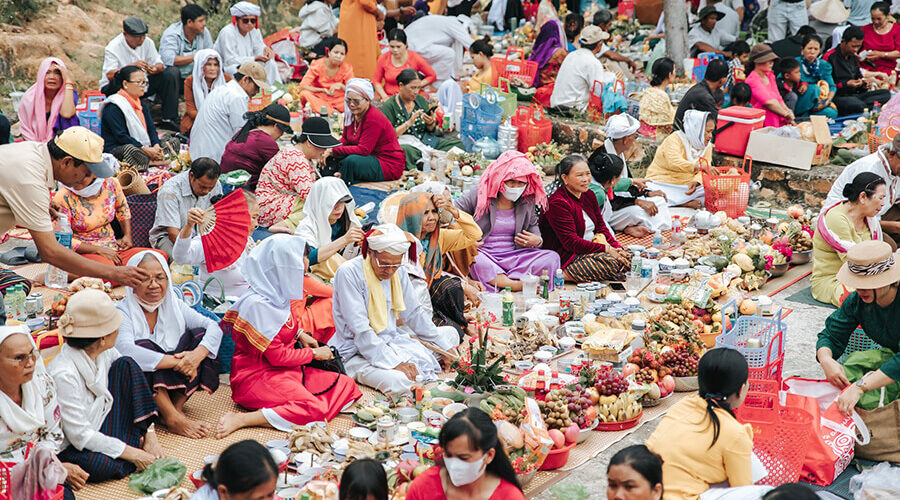
Not only does the Po Rome Tower preserve many historical and architectural values, but it is also a venue for traditional Cham festivals, attracting large numbers of locals and tourists. Traditional festivals at Po Rome Tower annually include: the New Year’s opening ceremony of the tower, held in the first half of the first lunar month of the Cham calendar; the rain-praying ceremony, held in the first half of April of the Cham calendar; the Chabul festival (worshiping the Mother Goddess of the land), held in September of the Cham calendar.
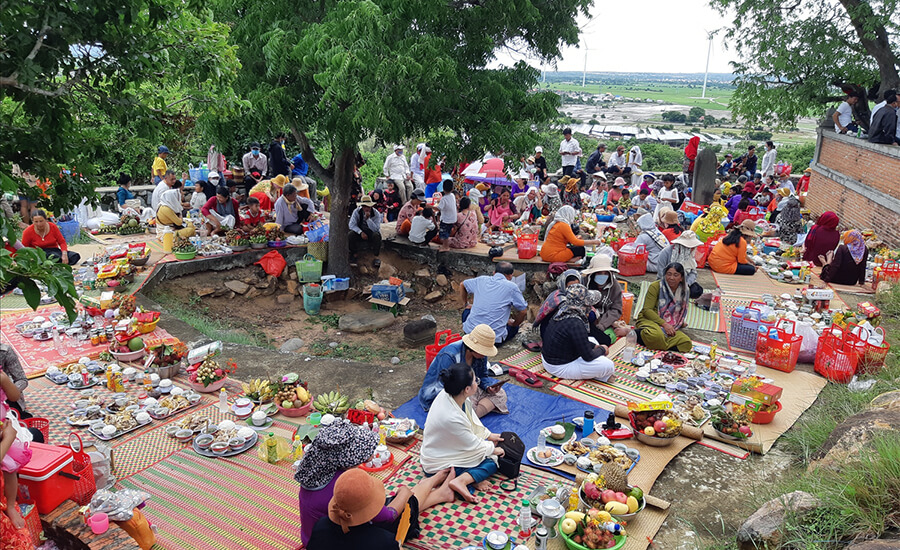
People offer gifts during the Katê festival.
The most special and largest is the Katê festival, held once a year in July of the Cham calendar. At the Katê festival, visitors have the opportunity to learn about the rituals of carrying ceremonial garments and bathing the statues. They can also enjoy traditional Cham dances performed by Cham girls.
Source: collected by An
Follow us for the best deals on Vietnam package tours and visa services!