
Dong Nai is a province in Vietnam’s Southeast region, located about 30km northeast of Ho Chi Minh City. This place has many famous historical and cultural relics. One of the first places to visit in Bien Hoa, Dong Nai, is the Tran Bien Temple of Literature, a project that represents the Vietnamese people’s tradition of study. Let’s learn about this historical site with Vietdreamtravel!
Overview of the Tran Bien Temple of Literature
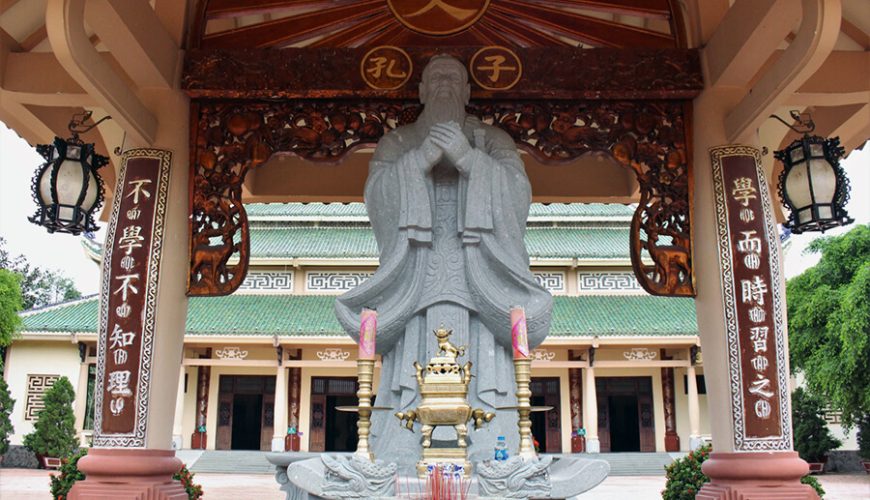
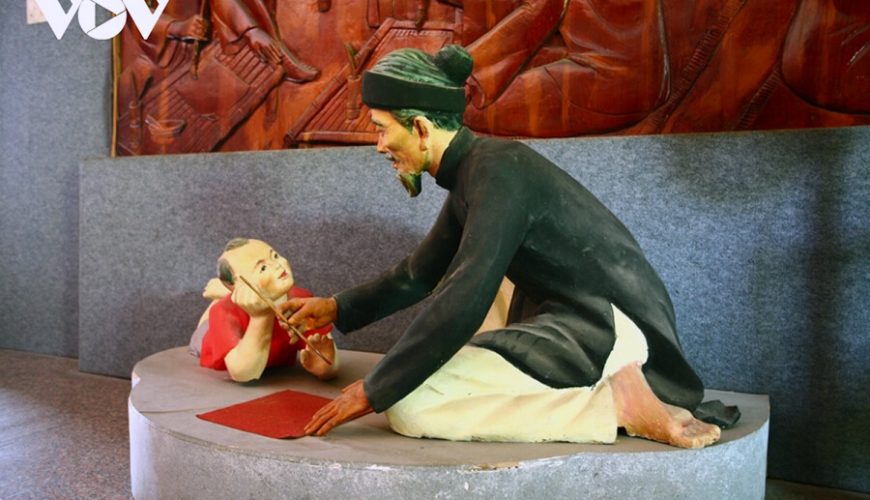
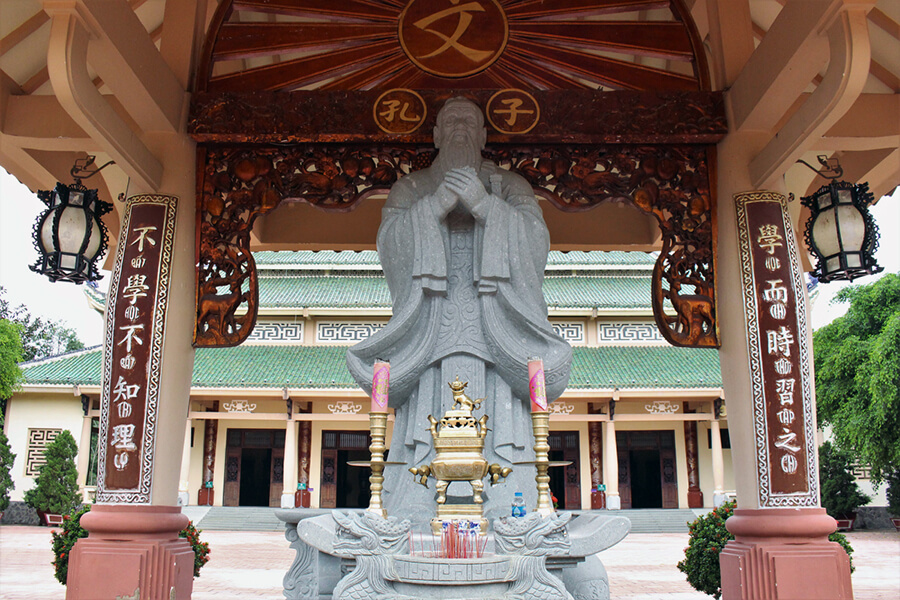
Tran Bien Temple of Literature is one of Vietnam’s national monuments and the first temple of literature in South Vietnam. The purpose is to honor Confucius, celebrate Vietnamese cultural celebrities, and serve as a training ground for talented people. Today, the Temple of Literature is more than 300 years old.
Tran Bien Temple of Literature was born and is considered a “Quoc Tu Giam Temple of Literature” of the Southern region. One of the symbols for the learning tradition, the pride and culture of Southern Vietnamese people.
The Tran Bien Temple of Literature was first built in 1715. Tran Bien Temple underwent two major restorations in 1794 and 1852. Each time, it was repaired on a larger scale. But in 1861, the temple was burned by the French colonialists when they invaded the Bien Hoa region. It was not until 1998, the 300th anniversary of the establishment and development of Bien Hoa, Dong Nai, that this construction was restored on the old temple’s foundation, and it was completed after 4 years.
Located about 3km from the center of Bien Hoa and near Buu Long Cultural and Tourism Center. To date, Tran Bien Temple of Literature has expanded and become an increasingly attractive destination for visitors from within and outside the province. If you are traveling from Ho Chi Minh City, especially in a group, renting a private car with a driver to Bien Hoa is the top choice.
Architecture of the Tran Bien Temple of Literature
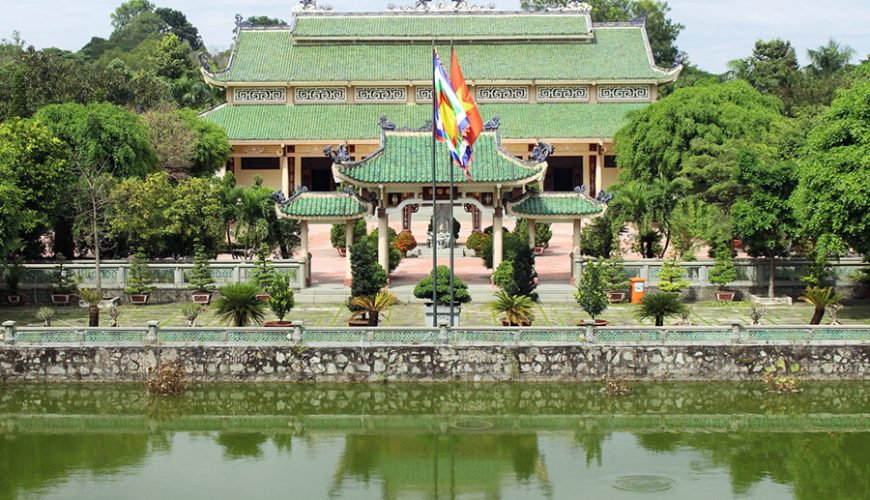
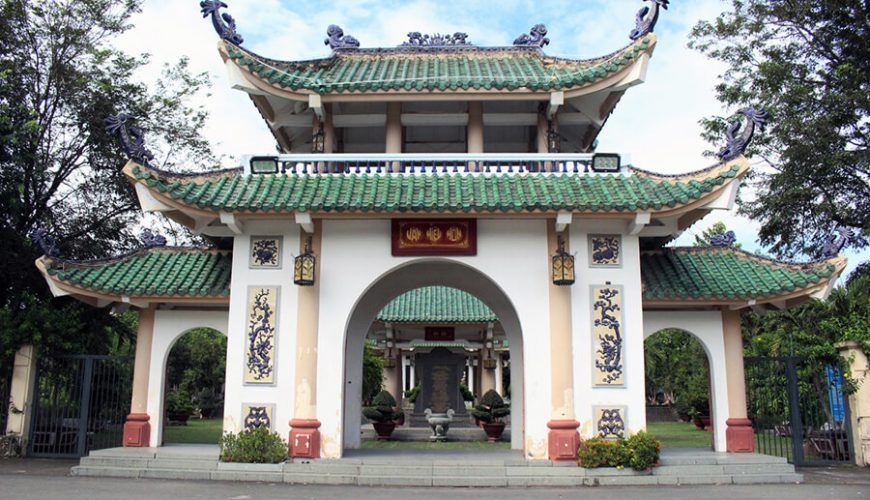
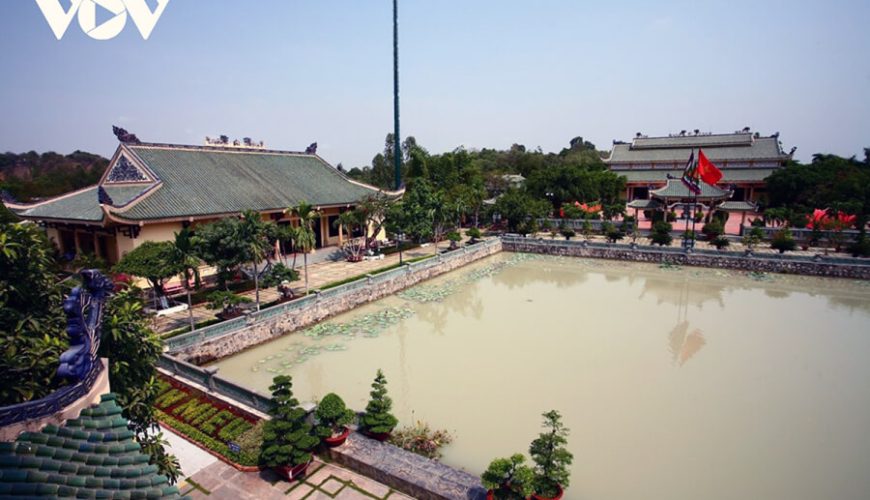
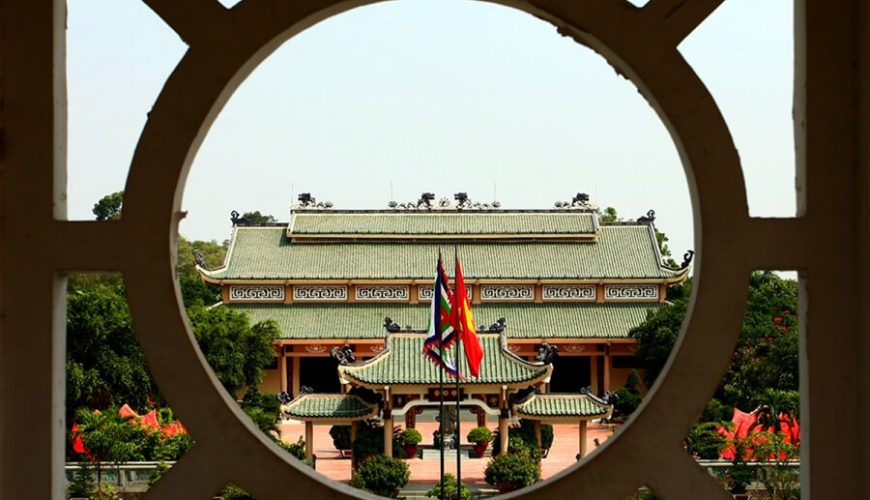
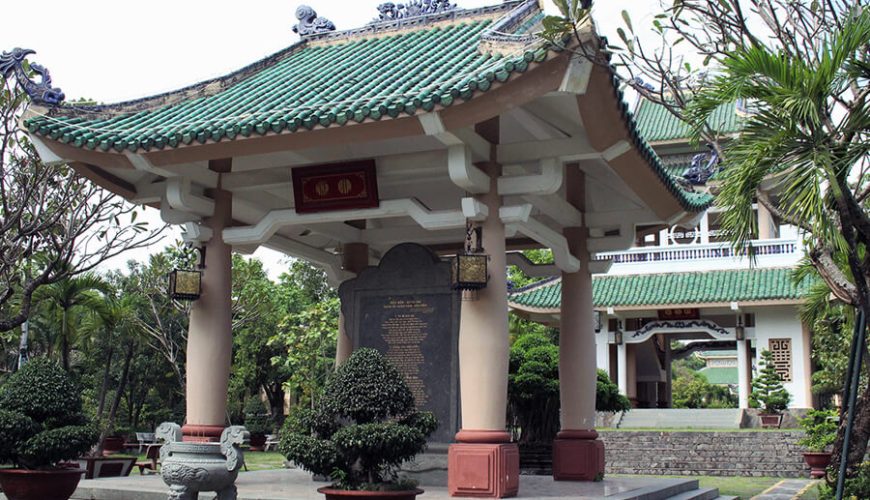
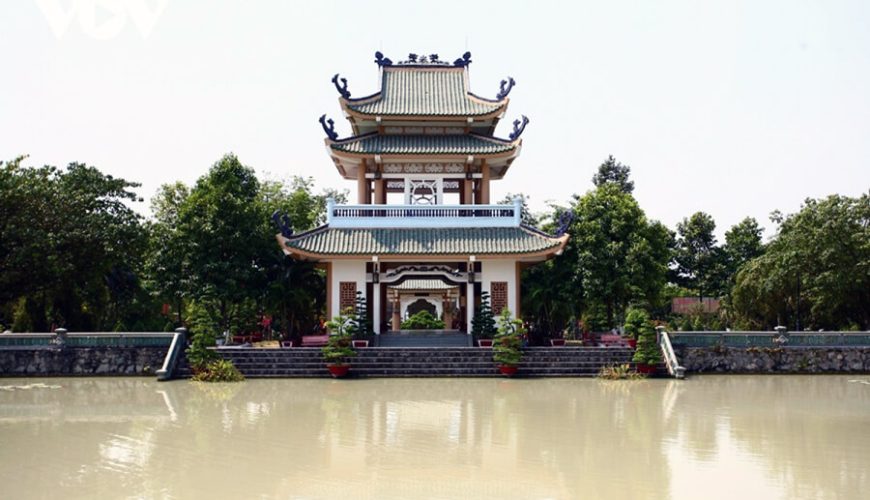
Built in the architectural style of the Temple of Literature – Quoc Tu Giam in Hanoi, from the outside looking in, it includes items such as the traditional stele house of Tran Bien – Dong Nai, Khue Van Cac, Tinh Quang lake, the three-entrance gate, the second stele worshiping Confucius, and finally the large main hall. Tran Bien Temple of Literature is a place to demonstrate the tradition of respecting teachers and their talents.
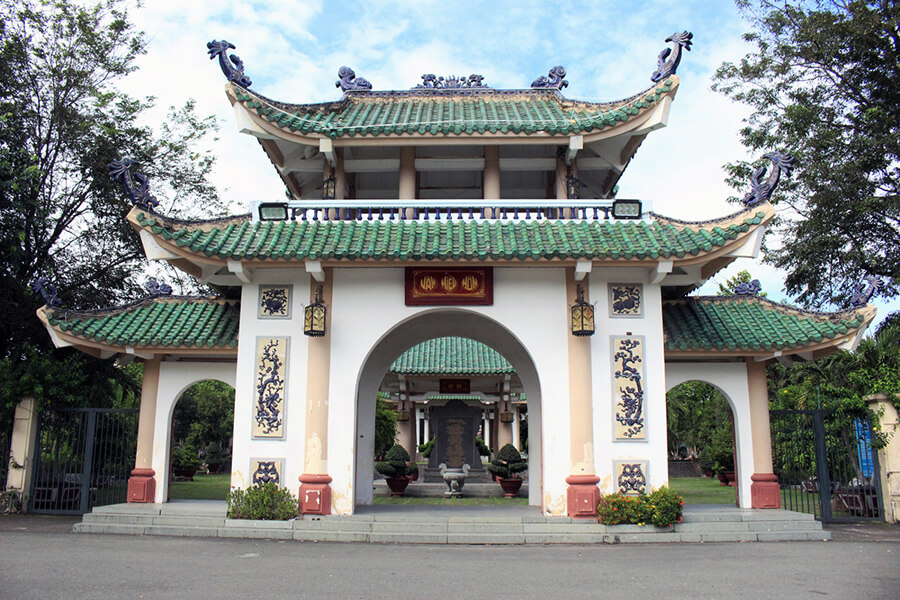
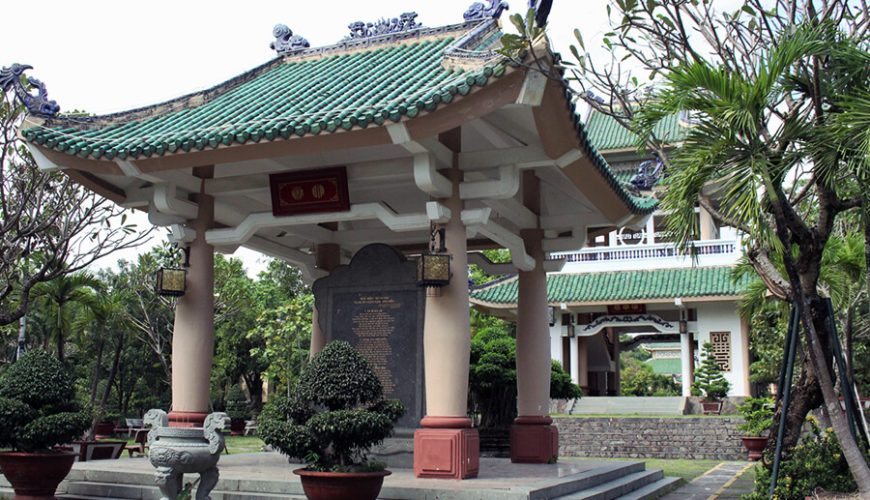
As soon as you step in, you can feel the airy space, highlighted by the curved, emerald-green tiled roof hidden among the canopy of leaves. The green tiles are considered a symbol of the temple’s color.
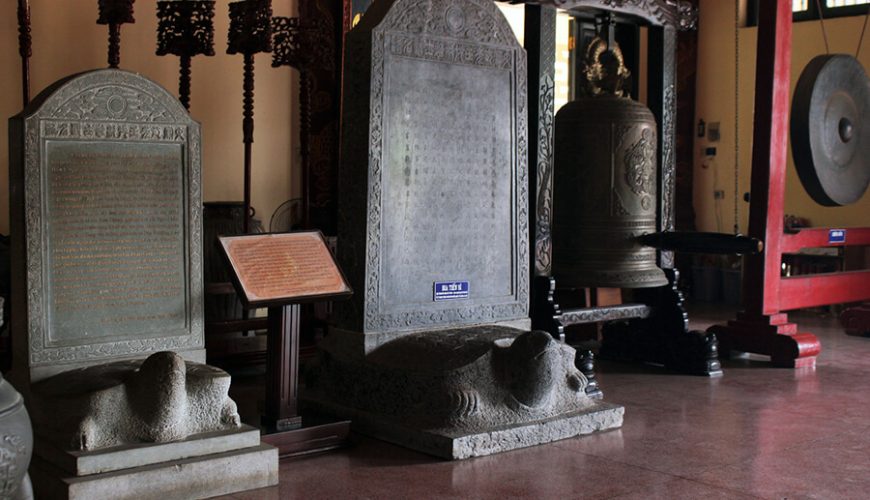
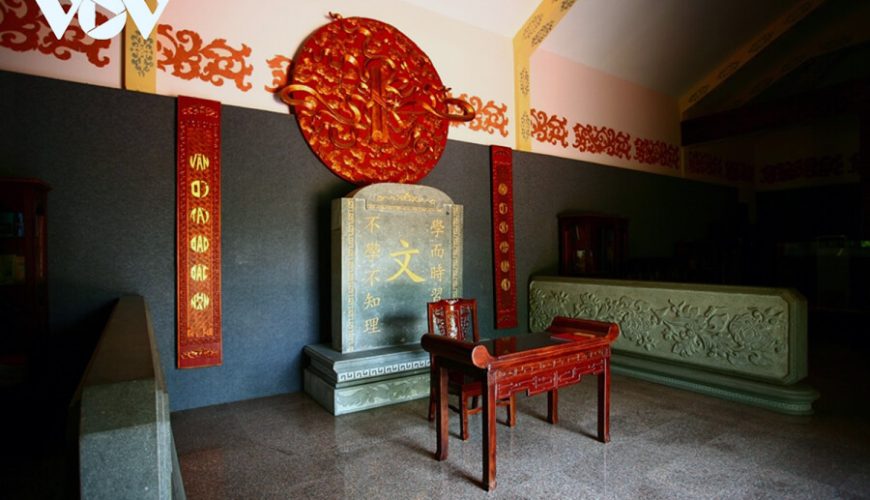
In the middle of the temple stands a stele bearing the words “Talent is the national energy” of Than Nhan Trung. This place features parallel lacquered panels that express the nation’s spirit of studiousness and humanistic cultural traditions.
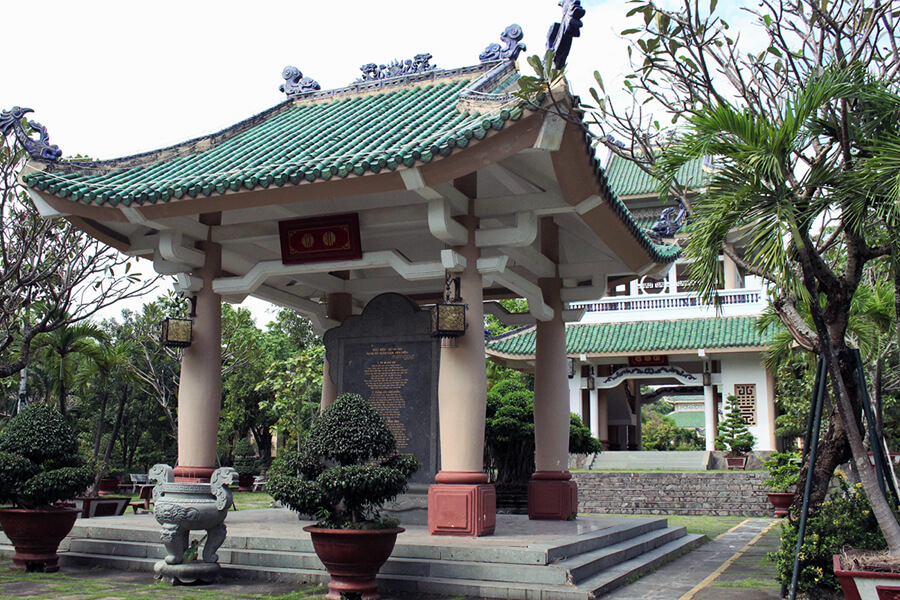
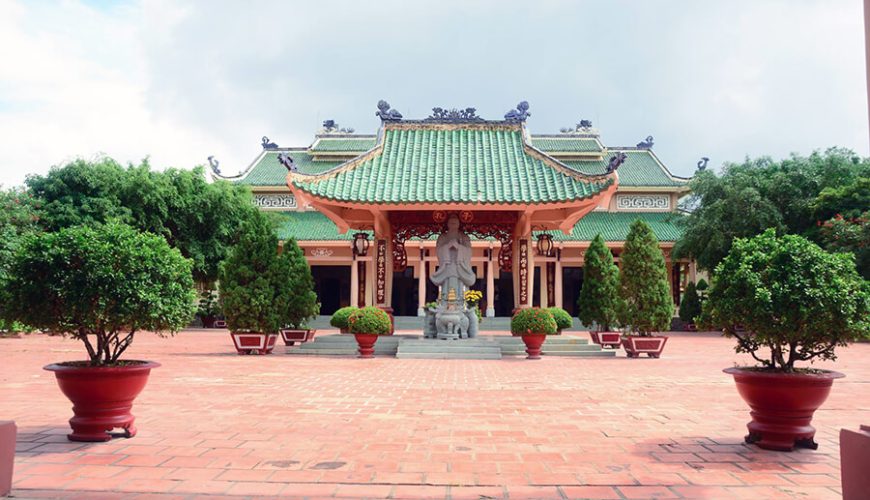
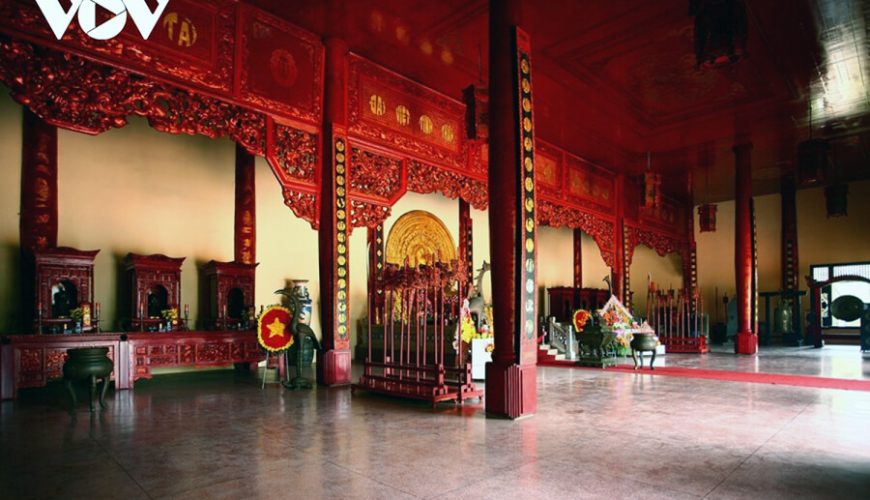
The main hall was built in the ancient architectural style of a three-compartment house, with a floor paved with traditional gold-painted tiles, and the pillars hung a pair of opposing tureens.
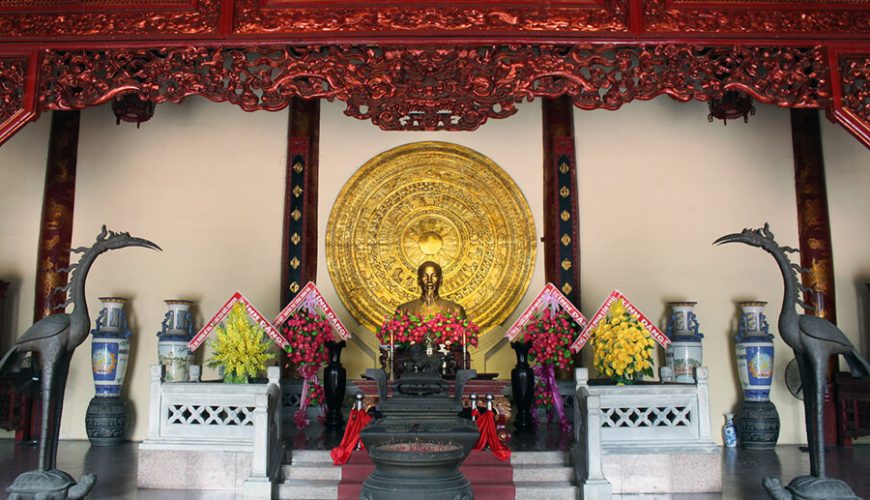
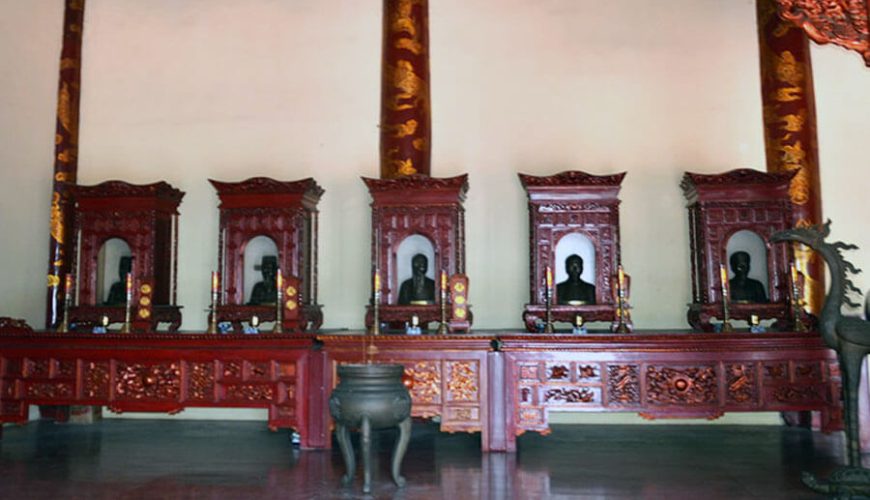
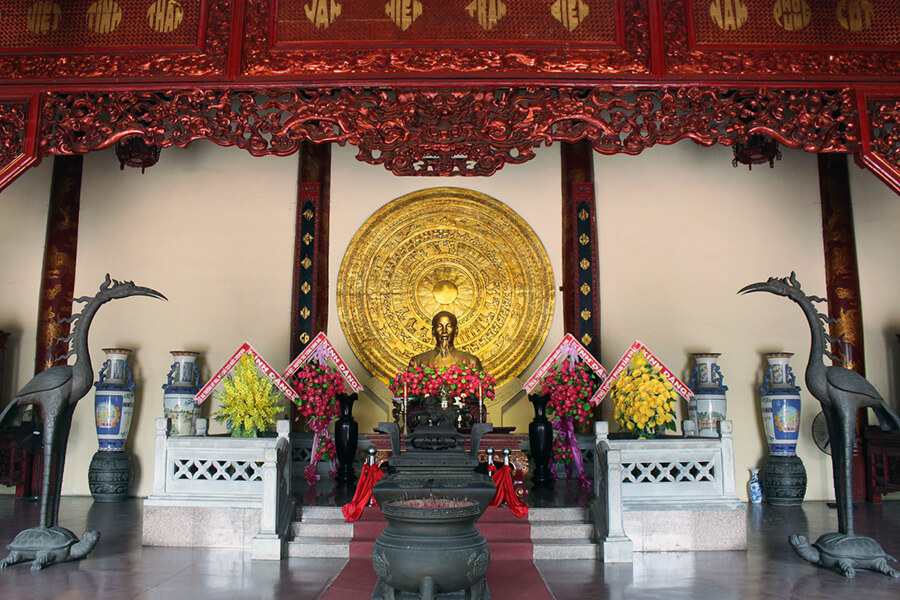
In the main worship area, the central hall worships President Ho Chi Minh. The left space honors traditional Vietnamese cultural figures, including Chu Van An, Nguyen Trai, Nguyen Binh Khiem, Le Quy Don, and Nguyen Du. The right pavilion worships cultural celebrities associated with the land of Bien Hoa – Dong Nai and the ancient South: Vo Truong Toan, Dang Duc Thuat, Trinh Hoai Duc, Le Quang Dinh, Ngo Nhon Tinh, Nguyen Dinh Chieu, and Bui Huu Means.
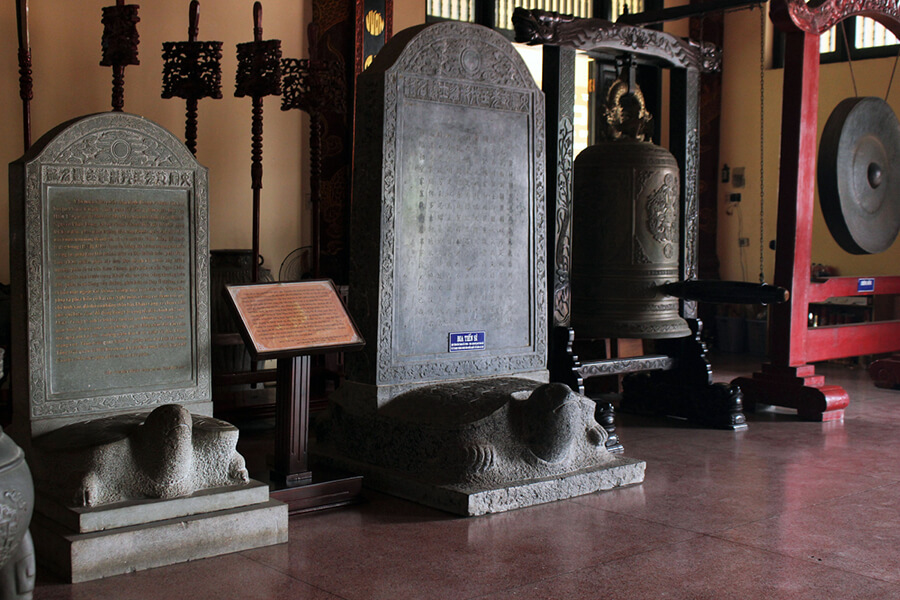
In the worship space, there are also artifacts that connect to and continue the nation’s origins, such as the Doctoral stele of the 1442 exam (restored), the Thang Long festival drum, and the altar cabinet containing 18 kilograms of soil and 18 kilograms of water taken from Hung Temple.
Tran Bien Temple of Literature is a special cultural address in Dong Nai. With its airy space and distinctive architecture, this area hosts many local events, including the Tet holiday for students, the spring flower festival, the spring announcement festival, the poetry festival, the public announcement ceremony, and the ancestral visitation ceremony. This is a place to preserve and honor traditional values and to commemorate the ancestors of the Vietnamese people in the Mekong Delta.
Useful information about the Tran Bien Temple of Literature
- Location: Tran Bien Ward, Dong Nai Province.
- Best for: solo, family, and student travelers.
- Entrance: Free
- Nearby tourist spots: Buu Long Tourist Area, Golden Scorpion Ecotourism, Hang Gon Ancient Tomb, …
Source: collected by An
Follow us for the best deals on Vietnam package tours and visa services!
Comment (0)