
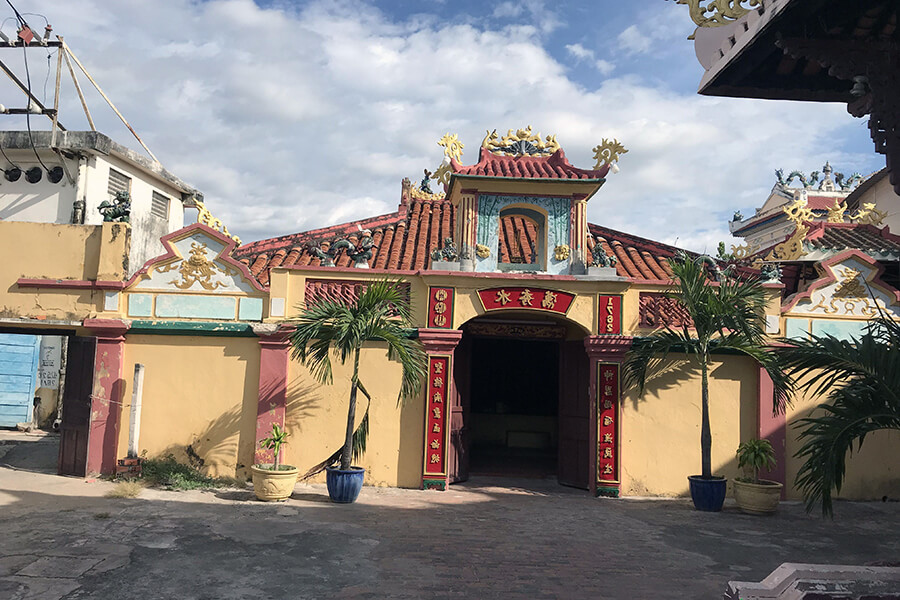
Phan Thiet is a coastal area. Historically, fishermen from the central region established villages and hamlets. Thuy Tu was established by fishermen, guided by the tradition and the dream of a beautiful, prosperous craft village, as its name suggests. Usually, each village is associated with a temple. Therefore, Van Thuy Tu was also built in the same way and has existed for more than 200 years. Let’s explore what’s special about this tourist attraction in Phan Thiet with VietDream!
General information about Van Thuy Tu
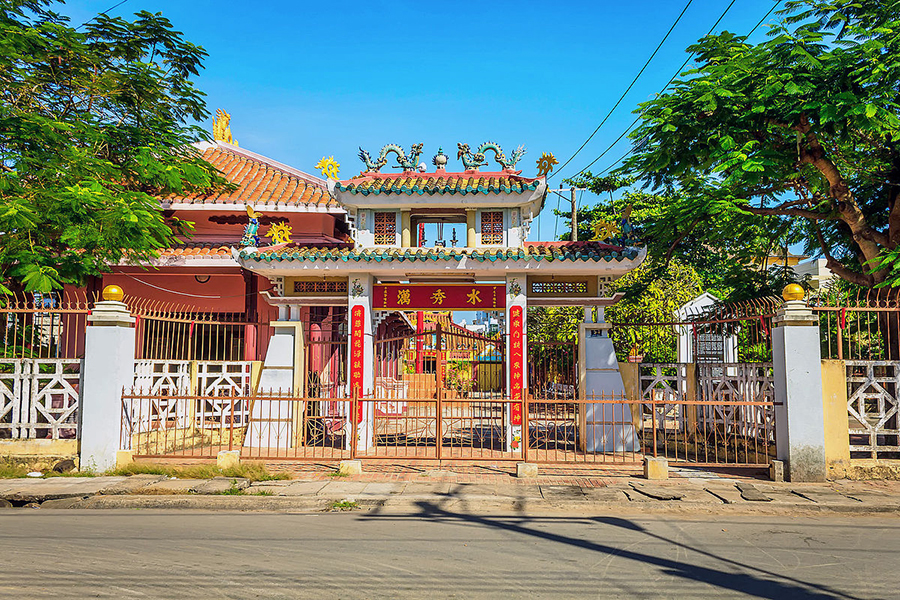
Van Thuy Tu: (Vietnamese: Vạn Thủy Tú; Vạn means a type of architecture (normally a temple) worshiping “the whale” in coastal fishing villages in the middle of Vietnam).
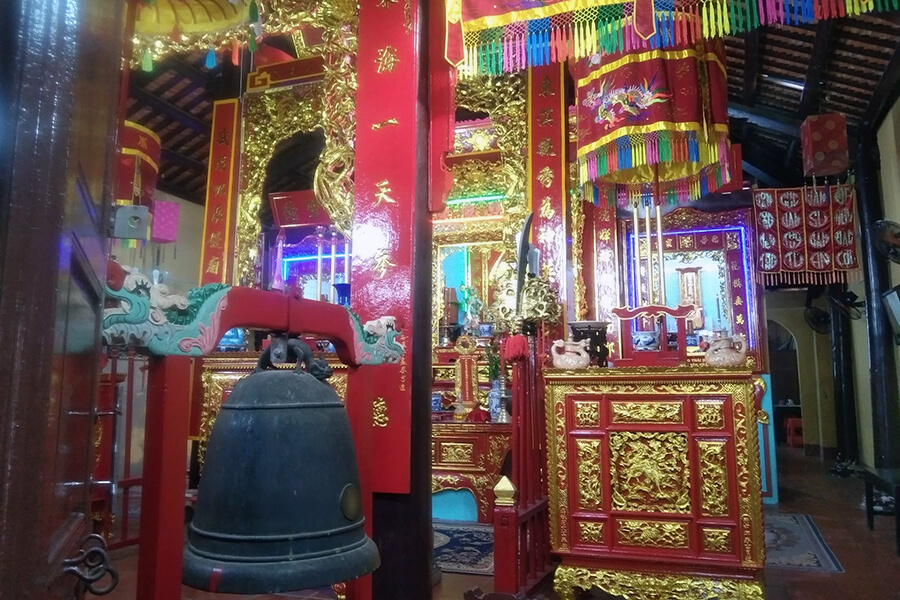
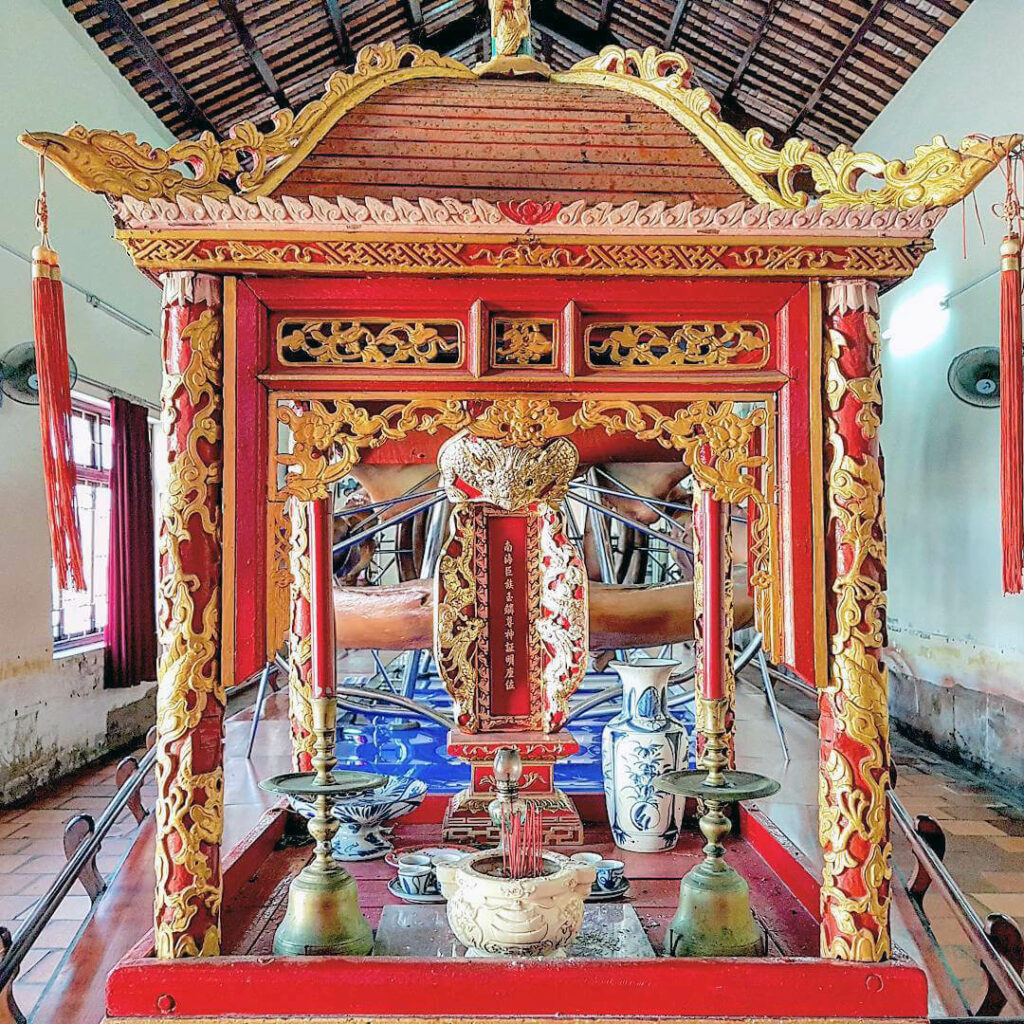
The temple was built by fishermen to worship the deity Nam Hai, the Lord of the Whale. Inside the temple, there are many Sino-Nom cultural heritage items related to the maritime profession, evident in the worship content of the altars, statues, horizontal panels, diaphragms, and a bronze bell cast in 1872.
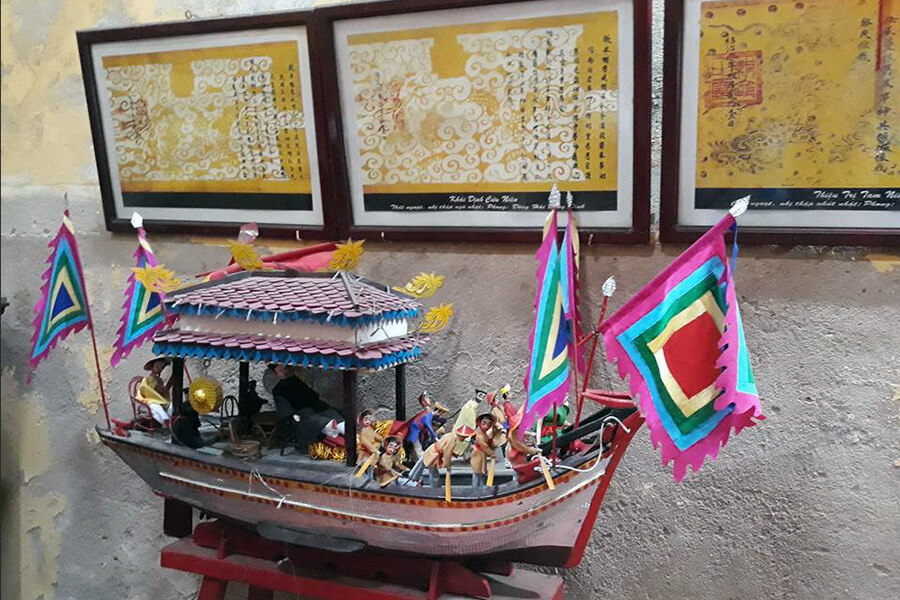
Van Thuy Tu is also one of the ancient relics, with numerous ordinations bestowed by the Emperors of the Nguyen Dynasty. During the feudal war with the Tay Son insurgent army, the boats of the Nguyen Dynasty’s generals were rescued many times at sea by whales. There are a total of 24 titles from Emperors: Thieu Tri, Tu Duc, Dong Khanh, Duy Tan, and Khai Dinh. Emperor Thieu Tri alone bestowed 10 titles, a rarity compared to other relics.
According to the beliefs of seafarers in the South Central region, in particular, and of the Vietnamese in general, whales are benevolent creatures that protect fishermen from bad weather and the dangers at sea. Therefore, when detecting any dead whales drifting at sea, fishermen often conduct a respectful burial and worship ceremony. Across the region, many temples are dedicated to the Lord Whale. However, Van Thuy Tu is quite special. It was built in 1762. The temple has revealed numerous differences inside, including hundreds of whale skeletal remains.
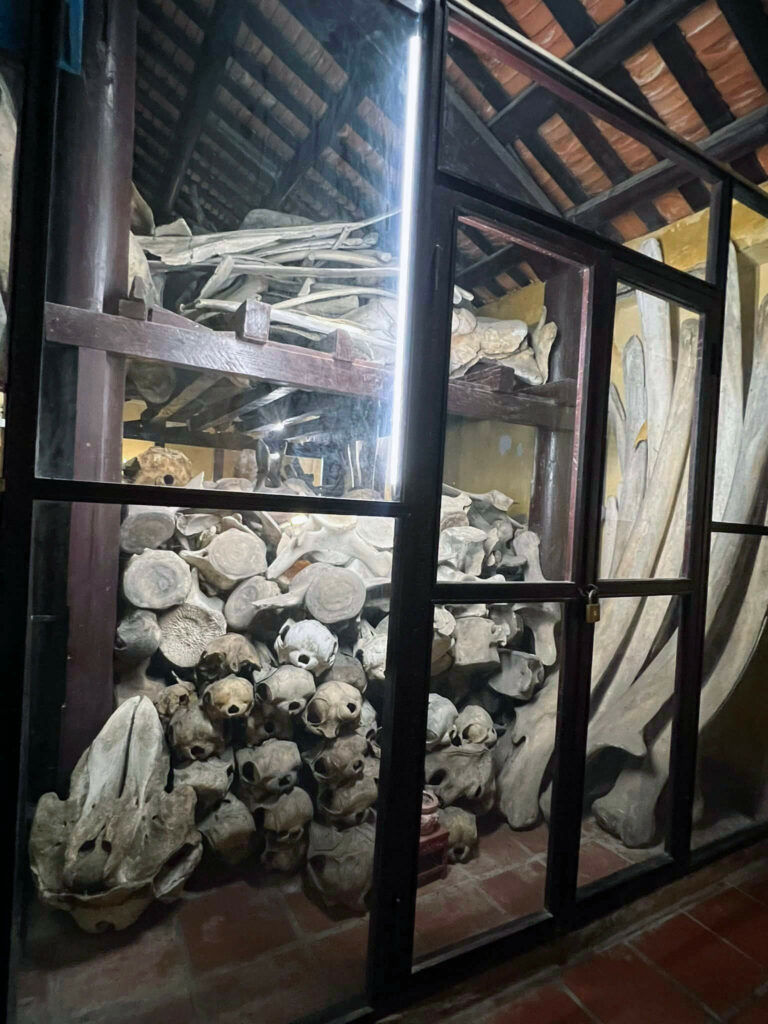
In 1996, Van Thuy Tu was ranked as a national historical relic by the State.
The largest whale skeleton in Van Thuy Tu
Currently, Van Thuy Tu still preserves over 100 intact skeletons, including dozens of large skeletons dating back over 250 years, showing the respect of generations of fishermen in Thuy Tu village for “the whales”. In particular, the temple still preserves the skeleton of a whale with a jawbone 2.7m long and 1m wide; ribs 1.4m long; and a skull 2.28m long, 1.12m high. The whole body is 22m long and weighs about 64 tons when “he” was alive.
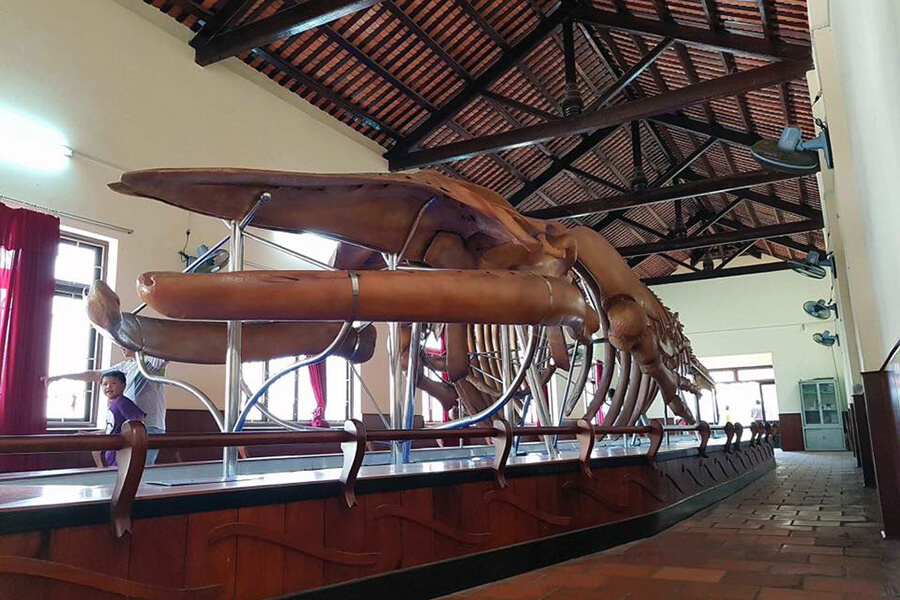
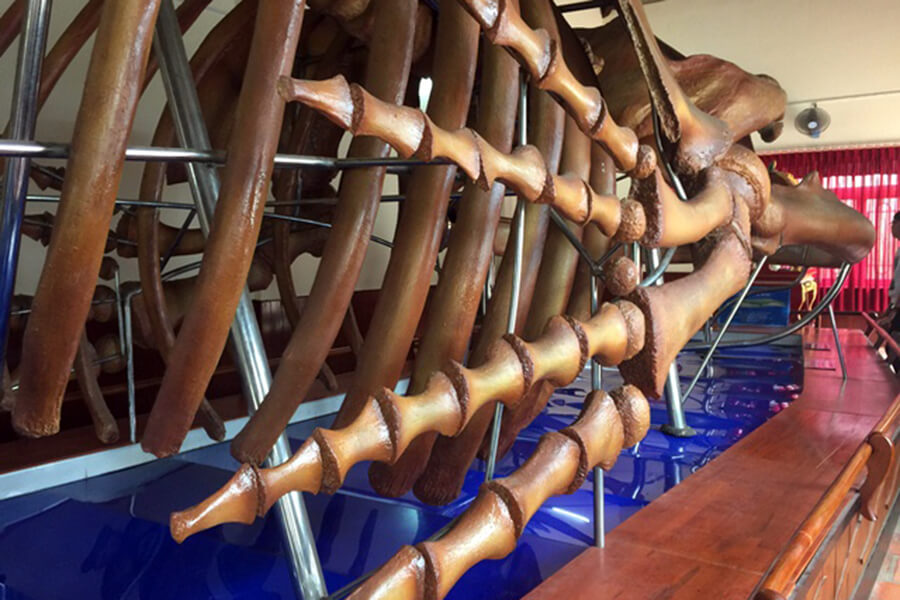
This man’s fish skeleton was funded by the People’s Committee of Phan Thiet Ward and coordinated with the Nha Trang Institute of Oceanography to research and assemble it in its original state, and an Exhibition House was built to introduce it to tourists from 2003 to the present. In 2005, the Vietnam Record Book Center established this as the largest whale skeleton in Vietnam.
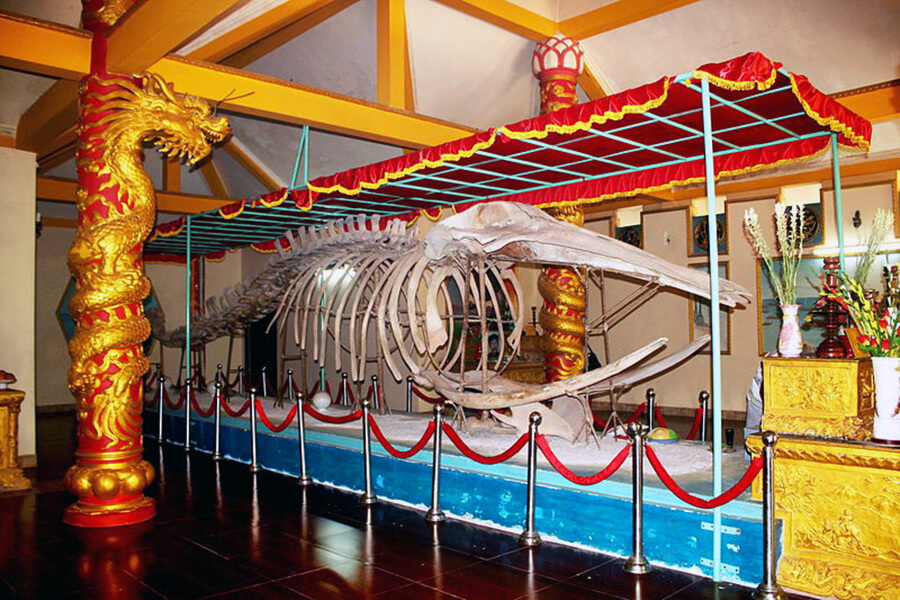
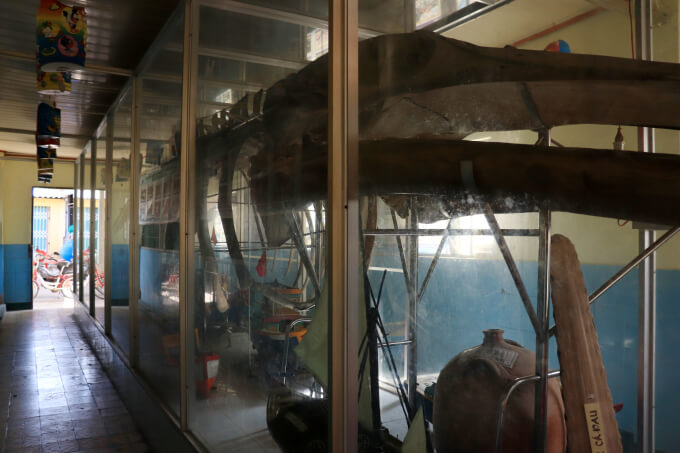
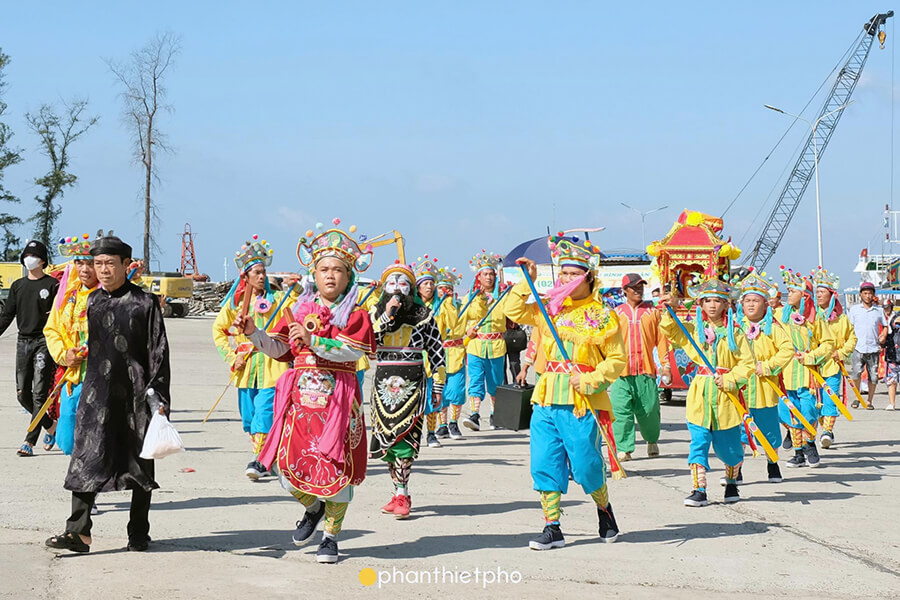
Every year, the temple still holds religious ceremonies on the following lunar days: February 20; April 20 (Cau Ngu); July 20 (Main Season); July 20 (Vertical Rowing); and August 23 (Long Season), to pray for smooth sailing, good weather, and a successful fishing harvest. During the ceremony, there are several engaging activities, including ceremonial rites, folk songs, and boat races, making it one of the most impressive things to do in Phan Thiet.
[checklist icon=”check” class=”box”]
- Opening Hours: Daily 07:00 – 17:00
- Address: 54 Ngu Ong Street, Phan Thiet Ward.
- Tourist spots nearby: Mui Ne Fishing Village, Mui Ne sand dunes, Duc Thanh School, Ta Cu Mountain Pagoda, Fairy Stream (Suoi Tien)…
[/checklist]
Source: collected by An
Follow us for the best deal with Vietnam package tours and visa advice!

Comment (0)