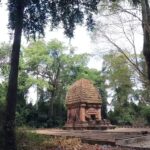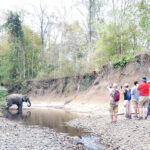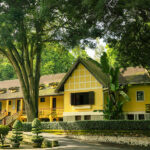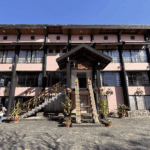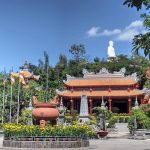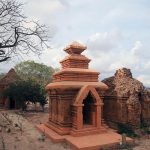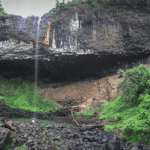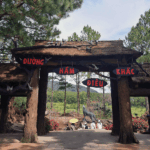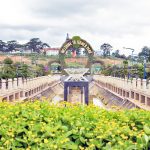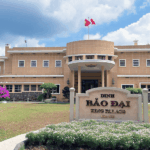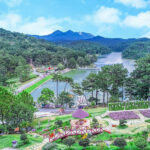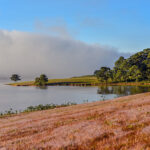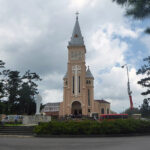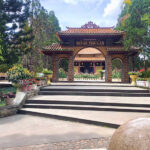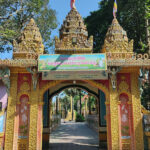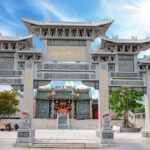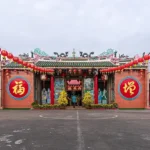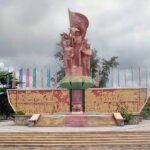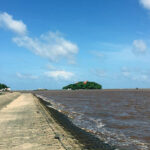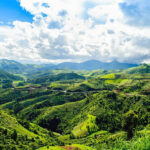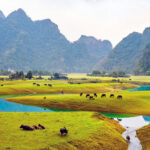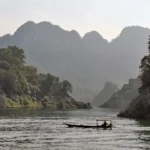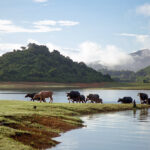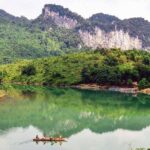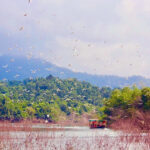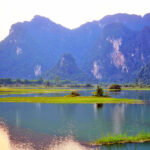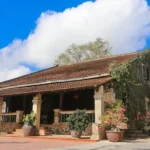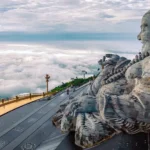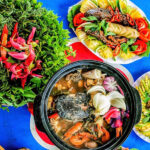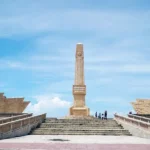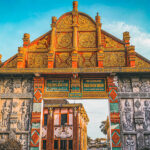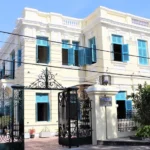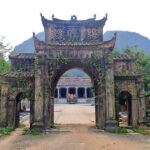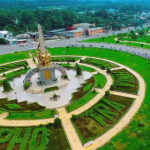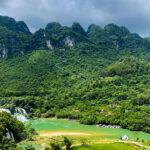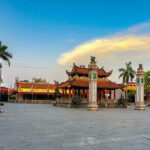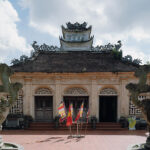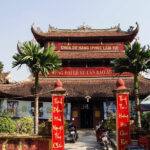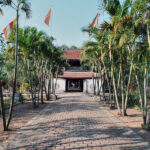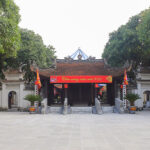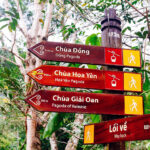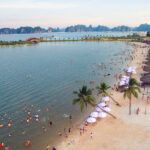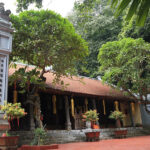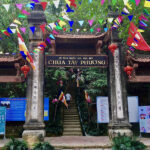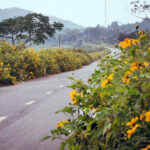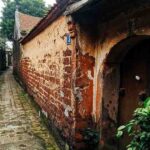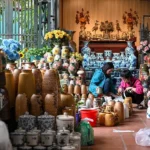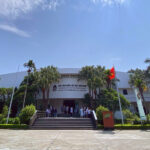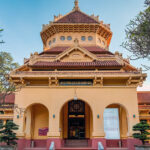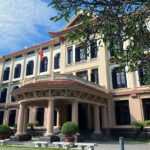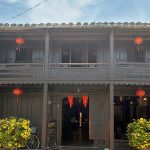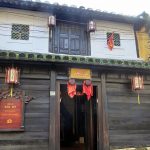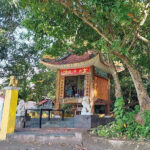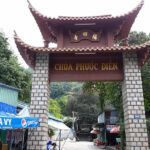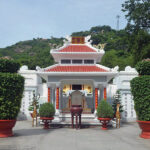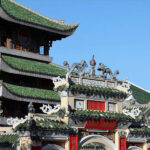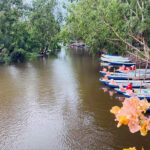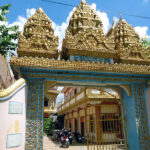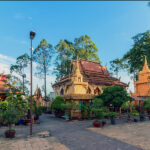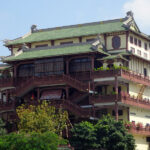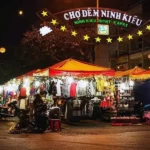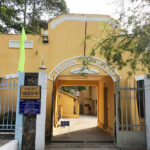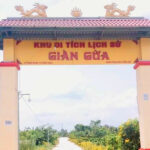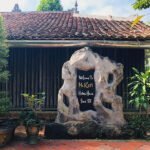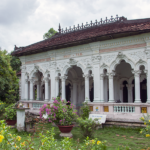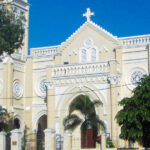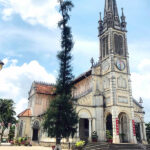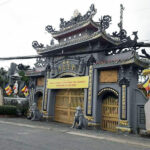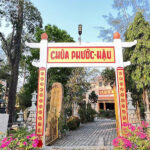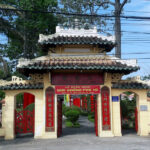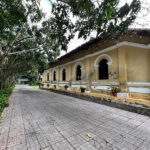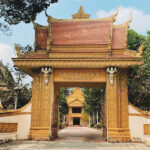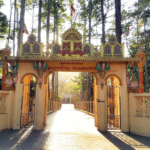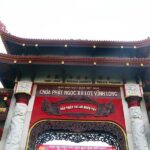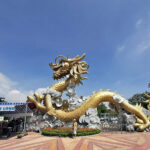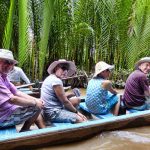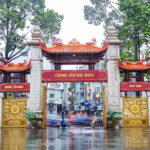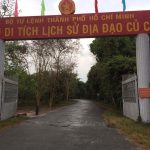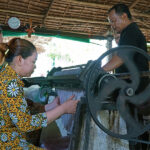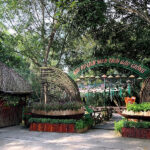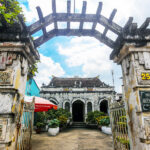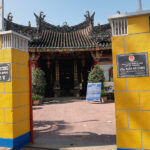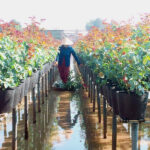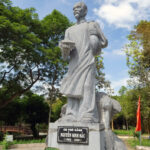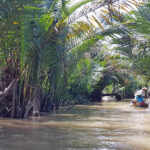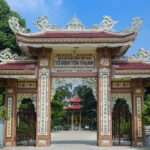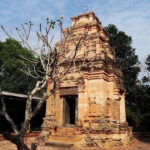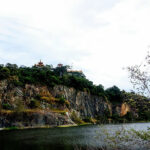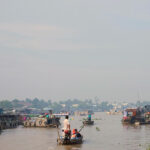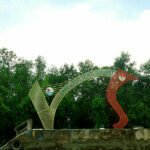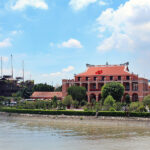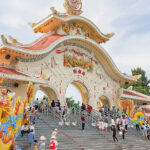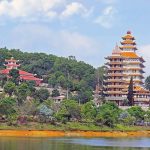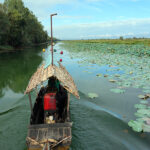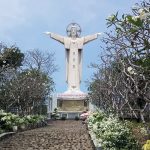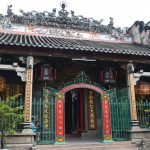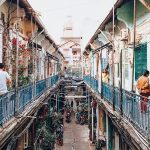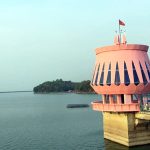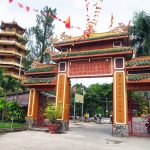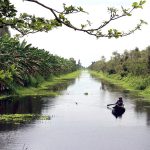
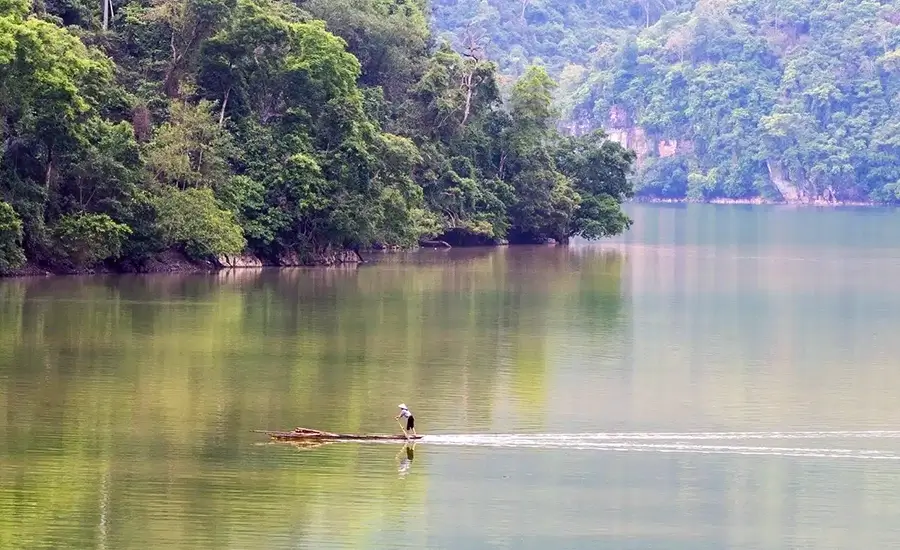
Thai Nguyen is not only a place with famous revolutionary bases but also many scenic spots and a culture imbued with the ethnic identity of the Northeastern mountainous region of Vietnam.
Table of Contents
General information about Thai Nguyen
Thai Nguyen is a province in the Northeastern region of Vietnam. The administrative center of the province is Phan Dinh Phung ward, about 70 km from the center of Hanoi, 50 km from Noi Bai international airport, and about 200 km from Hai Phong port cluster. In 2025, the two provinces of Thai Nguyen and Bac Kan was merged into Thai Nguyen province.
Thai Nguyen borders Cao Bang province to the north, Lang Son province to the east, Bac Ninh province, Hanoi city and Phu Tho province to the south, and Tuyen Quang province to the west. In particular, the natural boundary between Thai Nguyen and Phu Tho is the Tam Dao mountain range.
What’s the best time to visit Thai Nguyen?
Thai Nguyen has a hot and humid tropical monsoon climate, divided into four distinct seasons according to the characteristics of the North. Due to the terrain from plains, midlands to mountains, each region in Thai Nguyen has different temperatures. The highest temperature in summer is about 35 degrees Celsius, the lowest in winter is 7-8 degrees Celsius.
January is the time when there are many traditional festivals and spiritual beliefs such as Duom Temple Festival, Long Tong Festival, Hich Festival, Chua Hang Festival, Van Mountain – Vo Mountain Festival.
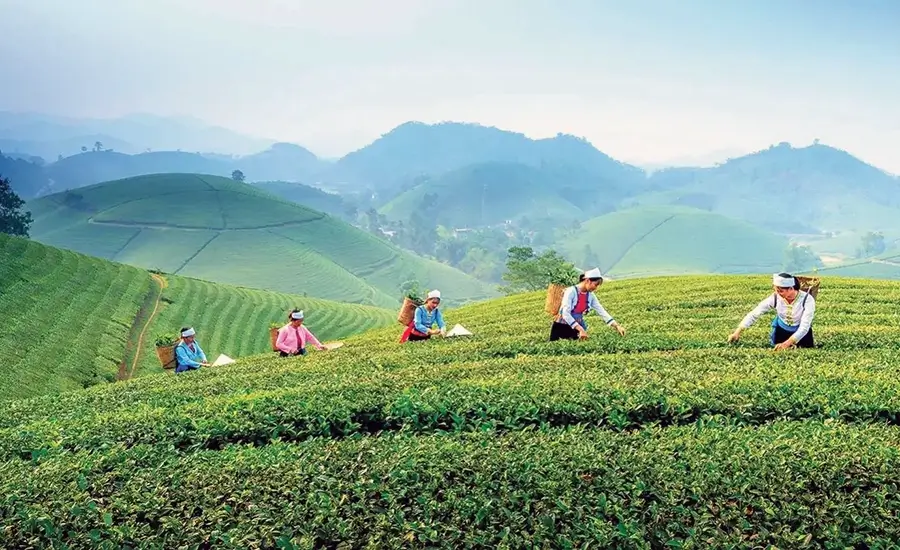
Summer (May to July) is the best time to visit Thai Nguyen when the weather is dry, the temperature is 3 to 5 degrees Celsius lower than the plains and big cities. Summer is when the tea hills – Thai Nguyen’s specialty – are greenest and most beautiful for tourists to visit and take pictures. In addition, Ba Be Lake is also a place that attracts many tourists to visit and relax.
How to get there?
From the center of Thai Nguyen, it is about 70 km from Hanoi. Tourists can travel by motorbike, car or bus. The Hanoi – Thai Nguyen – Bac Kan – Cao Bang Expressway (or the new National Highway 3) is one of the major expressways in the North. National Highway 3 runs along the entire length of the province for 85 km, and is the main route connecting Thai Nguyen with Hanoi and the northern provinces. Thai Nguyen is about 50 km from Noi Bai Airport, so it is suitable for short trips on weekends.
At major bus stations such as My Dinh, Gia Lam, and Giap Bat, there are bus companies going to Thai Nguyen or the Bac Kan area. Ticket prices range from 70,000 to 200,000 VND. Some recommended bus companies: Thanh Thuy, Duc Phuc, and Lac Hong.
Accommodation in Thai Nguyen
Visitors can choose to stay at hotels in Thai Nguyen center such as Habana, Da Huong, May Plaza, Dong Duong, Hai Au, and The King Hotel, with prices ranging from 400,000 to more than 1 million VND per night.
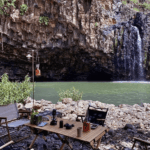
In the area of Nui Coc Lake and Dai Tu, there are a number of hotels: Nui Coc Lake Plaza, Cong Doan Hotel, Mo Viet Bac Hotel. Prices range from 700,000 to 1.2 million VND per room per night. In Dai Tu ward, there is a luxury camping site (glamping) Mojen Retreat that attracts the attention of many young people, with a price of 1.2 million VND per person per night on weekends, including all food and accommodation services.
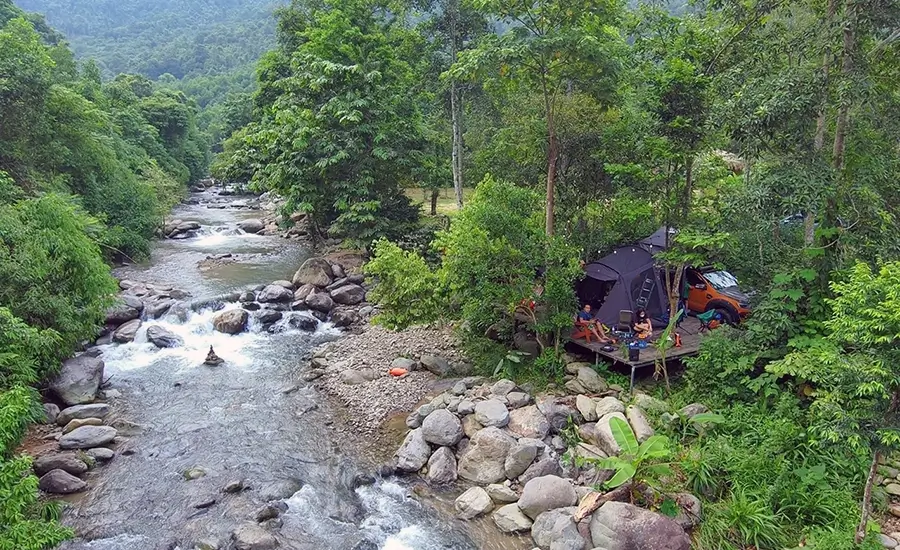
Mojen’s Camp & Retreat
In the Song Cong City area, visitors can stay at a number of hotels such as Green Hotel, Song Cong Hotel, Grace Hotel, Ngoc Thuy Hotel. Prices range from 350,000 to 700,000 VND. In addition, visitors can stay at some homestays such as Hoang Nong farmstay, Hai Ha homestay, Hoang Kim homestay with prices ranging from about 300,000 to 600,000 VND.
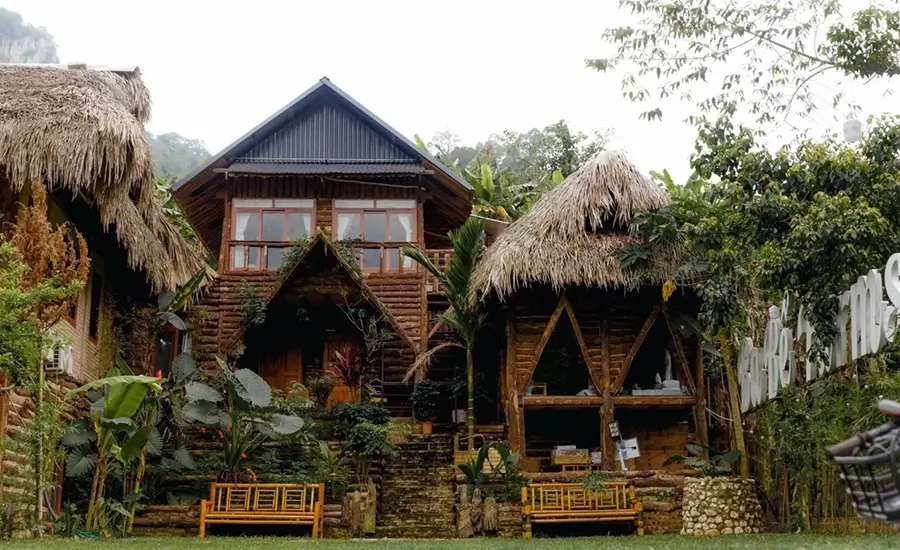
Framstay in Ba Be
In addition to the accommodation concentrated in the Ba Be Lake area, visitors can choose hotels and motels in Bac Kan ward. The price for one night ranges from 200,000 to 400,000 VND including: Phuc Anh motel, Phuong Nam hotel, Hung Van hotel, Nam Hotel.
Tourist attractions in Thai Nguyen
Ba Be National Park
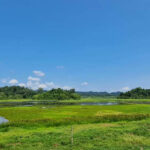
 Ba Be National Park is one of the most valuable natural resources in the North. It is 250km north of Hanoi, located in Ba Be and a part of Phu Dong commune.
Coering an area of 7,610 ha, this area includes a beautiful fresh lake surrounded by limestone mountains and a primitive forest. The vegetation cover of the Ba Be National Park represents many types and statueses of forest. The flora contains 417 species classifies into 114 families, 300 genera. The park is proud of its fauna including 299 vertebrate species, 12 of which are registered in Vietnam’s Red Book, particularly the snub-nosed langur, black langur with white cheeks, pheasant and phoenix. In addition, there are 111 species of birds, 24 species of reptiles and amphibians and more than 400 species of butterflies.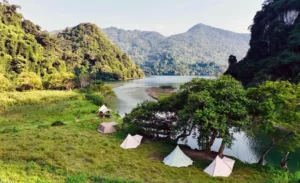
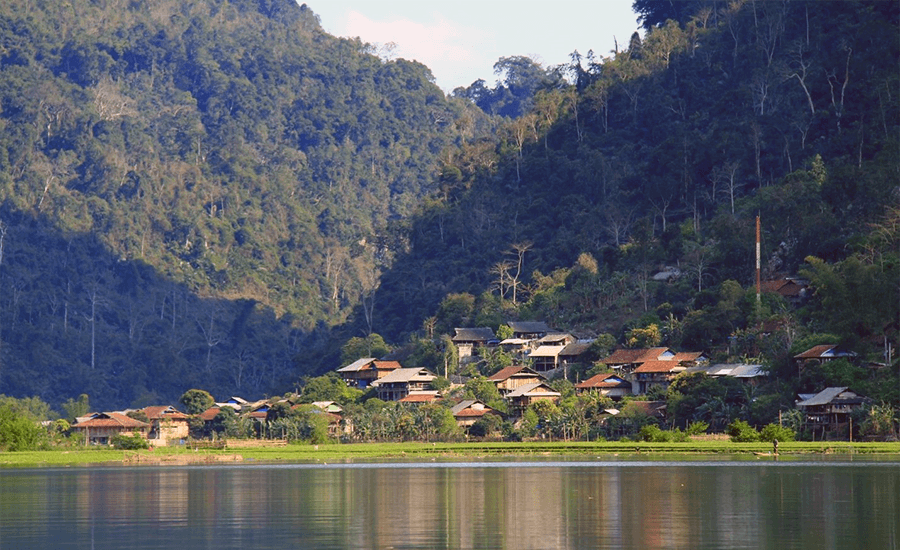
The Ba Be National Park has set up a programme on eco-tourism development with 3 models to attract thousands of travellers: tradition tourism, cultural tourism and adventurous tourism. This natural site offers tourists 21 landscapes: Puong Cave, Na Phong Cave, Ba Be Lake, Tien Stream, Ba Goa Island, Dau Dang Waterfall and numerous villages of the Tay, H’Mong, Dao, Nung and treks in premitive forest.
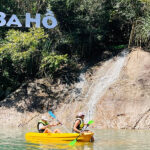
Together with the landscape of Ba Be lake, the Ba Be National park is regarded as one of Vietnam’s most beautiful natural geritage sites. This is attractive to thousands of tourists, scientists and those who love outdoor activities. On the lake, visitors can visit by motorboat, kayak, SUP, and dugout canoe. In addition, trekking in the forest is also an experience worth trying. In Nam Mau commune, on the 10th of January, there is the Long Tong festival, an opportunity for people to meet and exchange. This is a festival to pray for luck and rain, expressing people’s desire for warmth, prosperity, and happiness.
Puong Cave
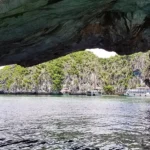
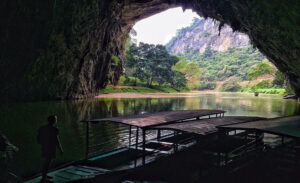 Puong Cave located on the Nang River, 5km from the town of Ba Be commune, was created by the river’s current as it flowed next to the base of Lung Nham Mountains which are a chain of limestone mountains. The cave is 300 meters long, more than 30 meters high with vertical cliffs and many stalactites of different shapes and colors.
Boats can travel on the Nang River through Puong Cave. In Puong Cave, there are tens of thousands of bats living or resting. This is a particularly interesting place for those who are passionate about the natural beauty of Ba Be National Park as well as those who like to learn about the diversity of bat species living here.
Dau Dang Waterfall
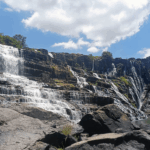
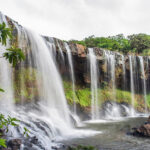
Dau Dang Waterfall is located on the Nang River, on the border between Thai Nguyen and Tuyen Quang province, 16km from Ba Be commune, 3km from Ba Be Lake. This is a scenic spot in Ba Be National Park.
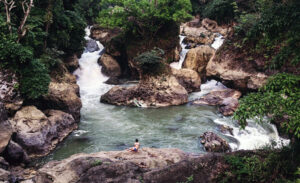 After flowing under Lung Nham limestone mountain to form Puong cave, when flowing to Hua Tang village, the Nang River is blocked by hundreds of large rocks, creating a waterfall. The majestic Dau Dang waterfall is over 1,000 meters long, with three levels, the upper level is 3 to 4 meters higher than the lower level.
Dau Dang waterfall is located between two limestone mountain ranges, with a large slope, where the Nang River is blocked by large and small rocks stacked on top of each other with a slope of about 500 meters, creating a majestic waterfall, blending with the primeval forest landscape. In the Dau Dang waterfall area, there is also a type of catfish with some weighing over 10 kg, this is a rare fish nowadays. You can sit and watch the waterfall on large rocks or on a wooden balcony built high above.
Tham Phay Cave
Tham Phay is considered the “Son Doong” of Ba Be commune, about 2 km from the center of Hoang Tri commune. In 2016, a group of Vietnamese cave explorers and representatives of the British Royal Cave Association first explored Tham Phay. In this 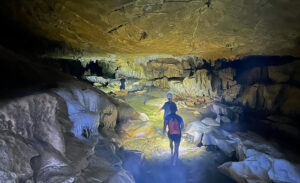 limestone cave, there is an underground river system, stalactites formed 5 million years ago.
Deep inside, more than 1 km from the cave entrance, two branches of the cave appear, the left branch goes deep into the mountainside, the right branch goes into the mountain, the water level is quite deep.
The deeper you go, the more complex the terrain is, the more stalactites appear. According to locals, the cave is about 5-6 km long. Currently, the current status of Tham Phay cave is being assessed by authorities to be able to plan for tourism exploitation. This location has not been widely opened to visitors.
Museum of the Cultures of Vietnam’s Ethnic Groups
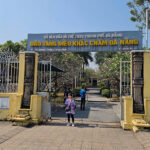
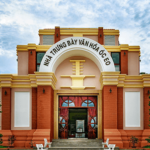
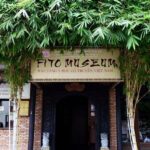
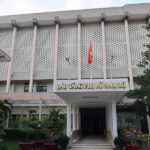
 The museum of the Cultures of Vietnam’s Ethnic Groups, located in the centre of Thai Nguyen, was established in 1960 in an area of 28,000sq meters of which 3,000 sq meters is used for exhibition. It contains more than 10,000 documents, and artefacts belong to the cultural heritage of 54 ethnic groups of Vietnam.
The Museum consists of 6 display rooms:
- Introduction: generalizing the specific characterize of culture of Vietnamese ethnic groups.
- Viet-Muong: including Viet, Muong, Tho, Chut.
- Tay-Thai: including Tay, Nung, Thai, Lao, Lu, San Chay, Bo Y.
- Mong – Dao and Nam A: including H’Mong, Dao, Pa Then, La Ha, Co Lao, Pu Peo.
- Mon-Khmer: including Kho Mu, Mang, Khang, Xin Mun, O Du, Khmer, Ba Na, Xo Dang, Co Ho, Hre, M’Nong, Xtieng, Bru-Van Kieu, Co Tu, Gie Trieng, Ma, Co, Ta Oi, Cho Ro, Brau, Ro Mam.
- Han – Hoa- Tang, Mien, Ma, O-po-li-ne-dli: including Hoa, Ngai, San Diu, Ha Nhi, La Hu, Phu La, Lo Lo, Cong, Si La, Gia Rai, E De, Cham, Ra Giai, Chu Ru.
The museum of the Cultures of Vietnam’s Ethnic Groups is open Tuesday to Sunday from 8am to 11am and 14pm to 14:30pm.
Nui Coc Reservoir
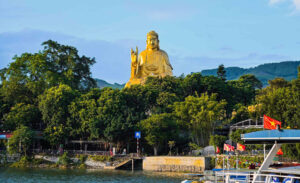 Nui Coc reservoir is a natural beauty spot located in the south of Dai Tu ward, about 15 km from the center of Thai Nguyen. The area has a total of 89 islands concealing mysterious legends, some covered with trees and others housing flocks of storks or mountain goats. Nearby the lake, Coc Mountain stands imposingly amid the blue sky, the bright sunshine over every blade of grass and twig, all creating marvelous and splendid scenery.
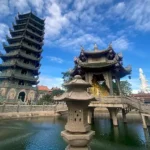
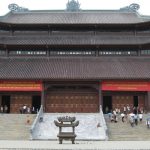
Nui Coc Tourist Resort is divided into two parts: north of the lake and south of the lake. In the north part of the lake, there are guest-houses with reasonable price. From here, visitors can experience sitting on a basket boat, explore the Fairy World and Hell cave, Ba Cay Thong cave, visit the complex of Nhan Qua – Thieng Thac Vang Pagoda, the largest pagoda in the heart of Buddha in the North, recognized by Guinness record.
Phuong Hoang Cave – Mo Ga Stream
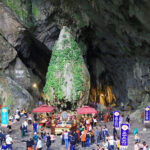
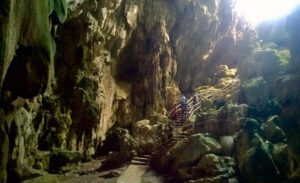 This is a nationally ranked scenic spot, located in Vo Nhai Commune. Phuong Hoang Cave is associated with the legend of a pair of phoenixes. The cave mouth is on the top of the mountain, about 500 m high.
Visitors spend half an hour climbing up 100m to the cave. Seeing from its foot, the mountain has the shape of two laying phoenixes. Reaching the mouth of the cave, visitors can see the landscape of this land. The cave includes 3 layers: the upper layer is Doi (Ba) Cave, the central is Sang (Light) Cave, and the lower is Toi (Dark) Cave. The Light Cave is spacious and well-ventilated.
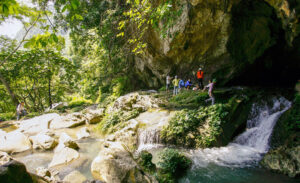 The stalactites in the cave glitter fancifully, thanks to the light from the three main mouths of the caves. Visitors can freely imagine the forms of these stalactites such as a mother is carrying her son on her back on the way to the field, ancient people are hunting wild animals, and lanterns.
At the foot of Mo Ga (Chicken’s Beak) Stream. Its entrance is 100m wide and there is a stream that flows out from the cave. In front, there are many small waterfalls, bathing places, rocks, and small rocky islands. The water is clear and the landscape is fantastic.
The Phuong Hoang Mountain is the most beautiful in Thai Nguyen with the imposing landscape and beautiful cave.. Currently, there are many restaurant services, swimming pool, motel, event organization, souvenir shop area…waiting to serve tourists.
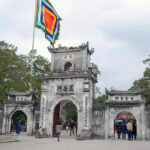
Duom Mountain – Duom Temple
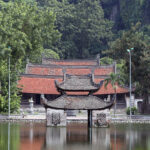
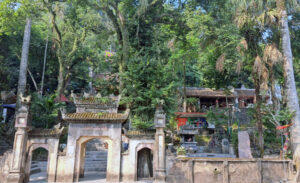 Duom Mountain was formerly known as Diem Son, 24 km from the center of Thai Nguyen. The Dai Nam Nhat Thong Chi book classified Diem Son as a famous landscape of Thai Nguyen. From afar, the six rocky mountains look like six dragon heads. The cliffs are vertical and covered with ancient moss. At the foot of the mountain in the northeast is the famous temple worships Duc Thanh Duom or Cao Son Quy Minh – a Tay general who had the merit of maintaining security in the northern mountainous region.
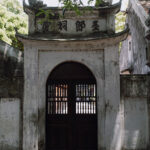
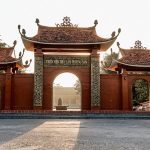
Duom Temple was built in 1180 under Emperor Ly Cao Tong (1173 – 1210). Duom Temple Festival is held on the 6th day of the first lunar month every year. The temple was restored many times and ranked as a national monument in 1993.
Speciality of Thai Nguyen
Smoked sausage
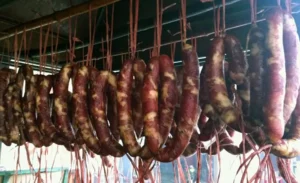 Smoked sausage is made from fragrant and firm local pork. A unique feature is that sausage in Thai Nguyen is marinated with local ginger – a spicy and aromatic ginger that only grows on limestone mountains. After processing, sausage is smoked or hung in the kitchen to preserve for a long time.
The finished product has the smell of sunlight, smoke, and a hint of ginger, wine, and mac mat leaves, creating a special aromatic mixture. The dish is more delicious when eaten with local wine.
Bo Dau Chung Cake
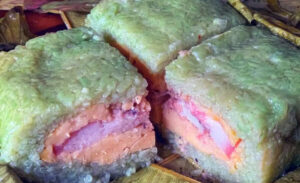 Bo Dau Chung Cake is a specialty of Phu Luong, Thai Nguyen. This traditional Chung Cake dish includes sticky rice, one of the specialties of Phu Luong region, Na Ri wild dong leaves, thick and wide sticky rice, bamboo strips split from giang trees of Thai Nguyen mountains, green bean and pork belly filling. Bo Dau Chung Cake impresses with the green color of dong leaves, the characteristic aroma mixed with the rich taste of beans, and the fatty taste of pork belly.
Bo Dau craft village, Vo Tranh commune, is located about 8 km from the center, convenient for tourists to stop by to enjoy and buy as gifts.
Nham
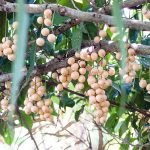
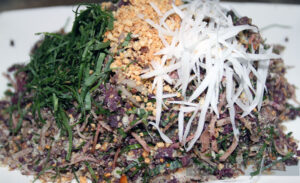 Nham is a famous specialty of Diem Thuy commune. In the season of ripe canarium (late July, early August of the lunar calendar), Ha Chau people often make this dish. Nham is made from 14 types of food and rustic spices: burnt fish caught from Cau river (or white carp), grilled pork belly, sesame, roasted peanuts, sour star fruit, fig leaves, young sesame leaves, nhoi leaves, coconut pulp and banana roots, soy sauce, vinegar…
Ha Chau people use a secret family recipe to make a delicious, fatty, rich nham dish with a rustic flavor. The best is to eat nham canarium wrapped in nhoi leaves, dipped in Uc Ky sticky rice sauce, also a specialty of Phu Binh.
Cooc mo cake
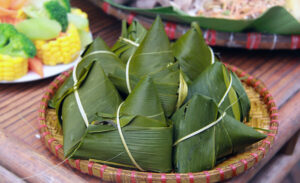 Cooc mo is a traditional cake of the Tay and Nung people in Thai Nguyen. Dong leaves are rolled up like a funnel, the filling is made from sticky rice and crushed raw peanuts, tied with bamboo strings, strung in pairs or small bunches, boiled for about two hours. The cooked cake has the light green color of dong leaves.
Although there is no filling, when chewing, you can feel the fragrant, sticky taste of sticky rice and the fatty, nutty taste of peanuts. Depending on each person’s taste, the cake can be dipped in sesame salt or honey, sugar.
Dinh Hoa bamboo-tube rice
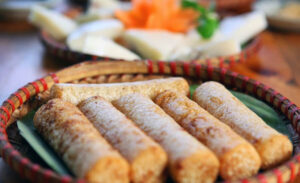 Bamboo-tube rice is a dish associated with the stream at the source, the rice fields on the hillside and the bamboo forests of Dinh Hoa. The rice is cooked from yellow sticky rice, in a long bamboo tube, grilled with charcoal or straw for about an hour.
When the rice is cooked, use a knife to peel off each layer of burnt skin until you find thin layers of ivory-white silk covering the rice in long pieces along the length of the bamboo tube. Break each piece of rice and dip it in sesame salt. Lam rice can be eaten immediately or left for a week and still be soft, delicious and not spoiled.
What to buy as gifts?
Tan Cuong Tea
The soil and climate of Thai Nguyen help tea plants grow well, producing plump, high-quality tea buds, so it is known as “the number one famous tea”. Tan Cuong tea has the characteristics of clear tea water, light yellowish green color and smooth. When enjoying, you can feel the astringent taste on the tip of the tongue, the sweet aftertaste lingering in the throat, and very little bitterness.
Uc Ky sticky rice sauce
This is a local product of the people of Phu Binh commune made from soybeans and mold fermented from the famous delicious glutinous rice grown in local. The sauce is dark yellow, smooth, thick like honey, with a strong aroma of sticky rice and soybeans, and leaves a sweet taste when eaten. Uc Ky sticky rice sauce can be used as a dipping sauce to accompany dishes in meals or to marinate and prepare daily dishes.
Ngan Me Bitter Bamboo Shoots
These are bamboo shoots taken from Ngan Me forest, sold quite a lot at Chua Hang market, Dong Hy and along National Highway 1B through Gia Bay bridge. Peel the bamboo shoots, leave them whole and boil them twice in water until the bitterness is gone and they can be eaten. The simplest way is to boil them and dip them in chili salt, when eating you can feel the fresh crispness, the slightly bitter taste but not astringent of the bamboo shoots mixed with the salty, spicy taste of chili salt. Bamboo shoots can also be stir-fried or cooked in soup, bringing different flavors.
Viet Cuong Vermicelli
Viet Cuong hamlet, Dong Hy commune is famous for making vermicelli for nearly 50 years. Viet Cuong vermicelli is made from purple cassava roots, sweet and cool, with characteristic brown color, no colorants are used. Vermicelli is produced according to strict process, has good toughness, delicious, not broken, and ensures food hygiene and safety.
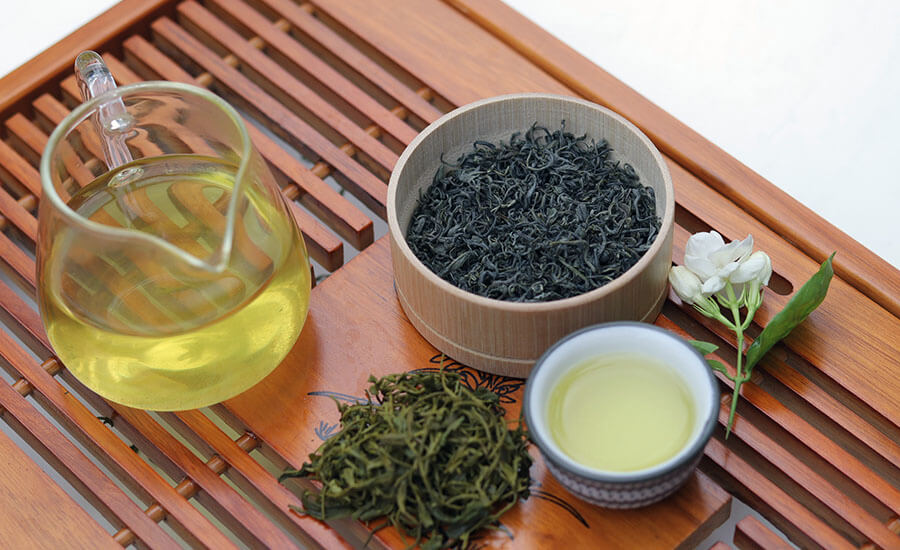
Thai Nguyen tea
Source: collected by An
Follow us for the best deal with Vietnam package tours and visa services!