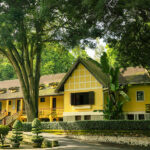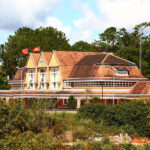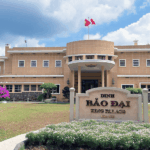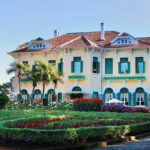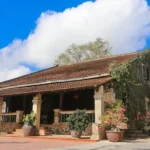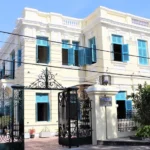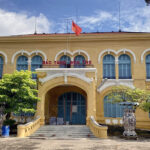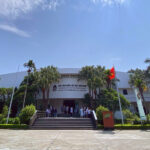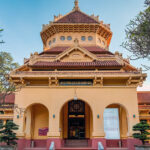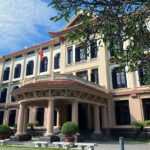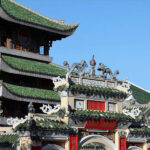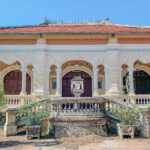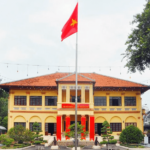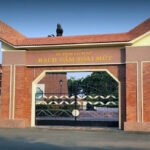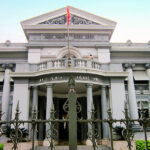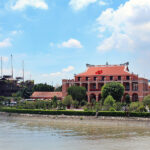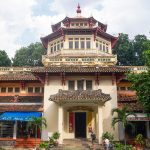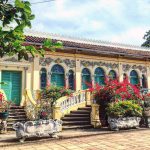
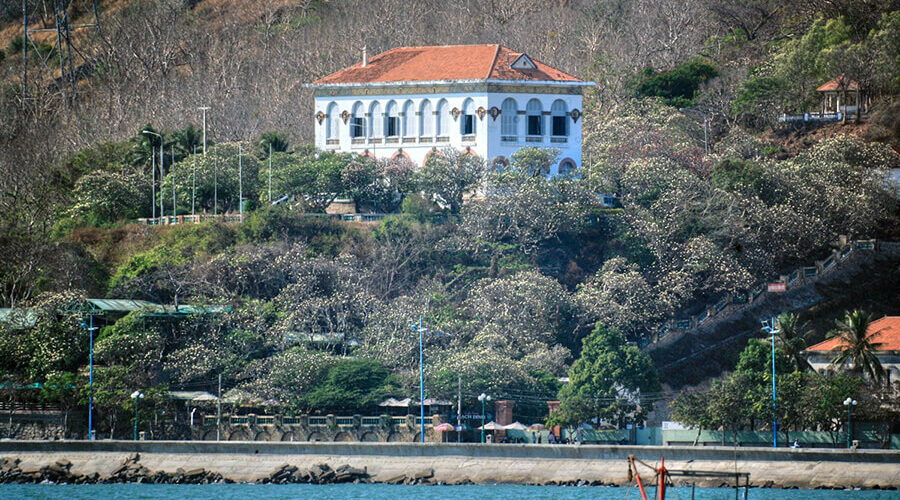
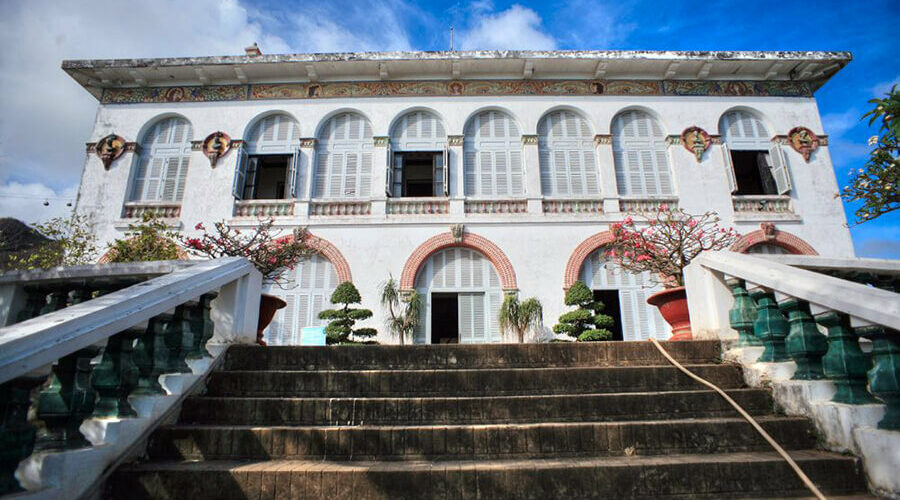
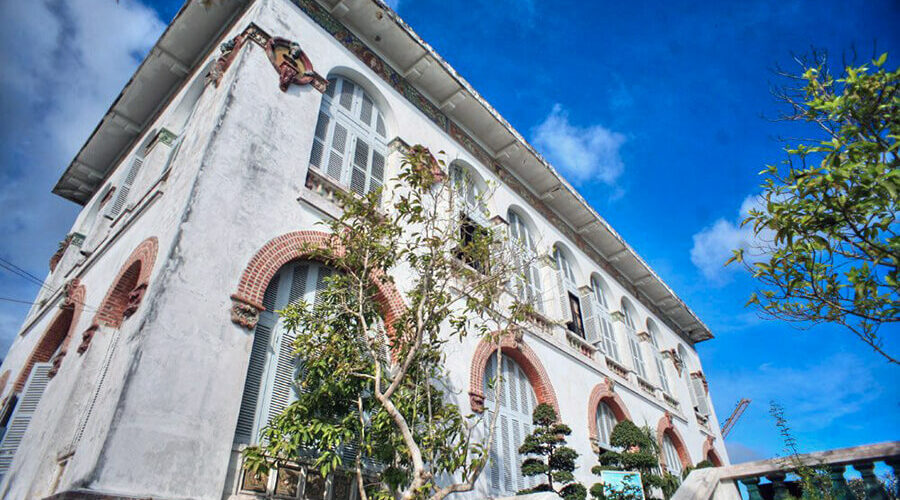
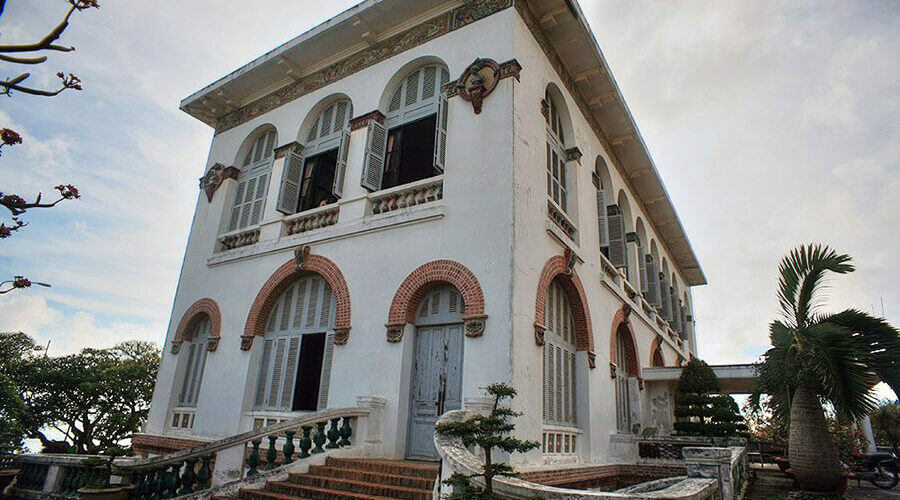
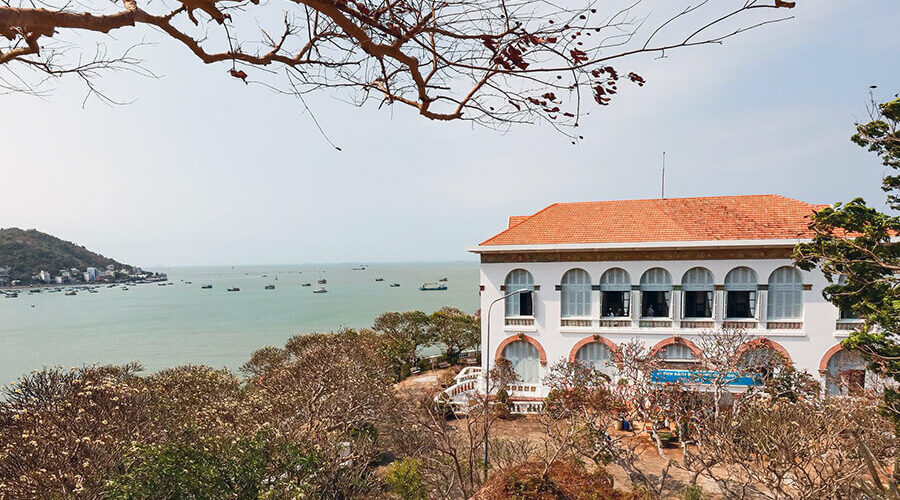


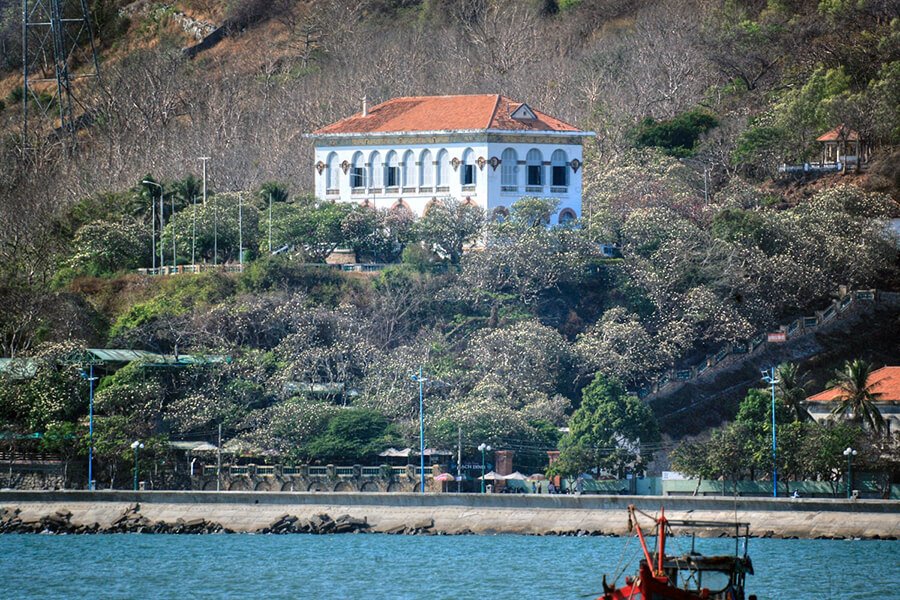
White Palace or White Mansion (Vietnamese: Bạch Dinh; French: Villa Blanche) is a mansion with European architecture at the end of the 19th century, located on the slopes of Lớn (Big) Mountain of Vung Tau. This is a national historical relic and a city tourist attraction.
History of White Palace
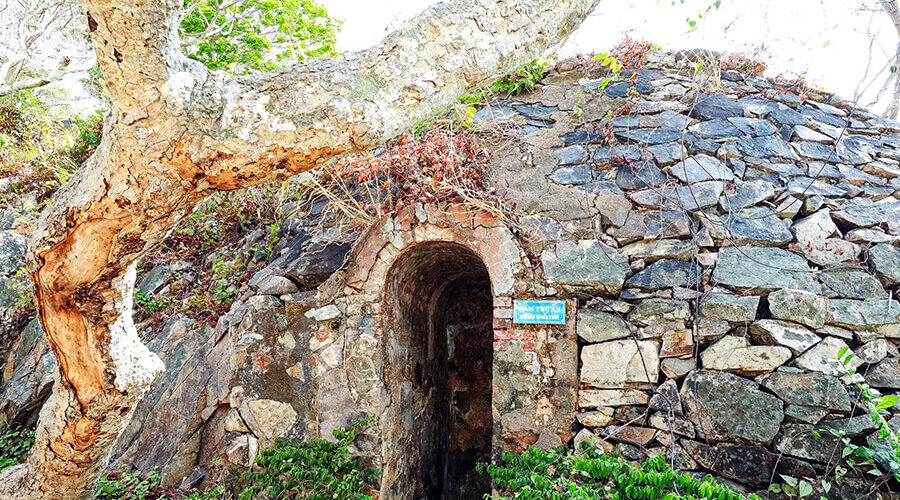
In 1820, the Emperor Minh Mang built Phuoc Thang Fortress here to control the Can Gio estuary. After controlling Indochina, the French colonial government flattened the fortress to build a mansion used as a resort for the Governor-General of French Indochina. As a result, the Villa was built in 1898 and completed in 1902. Also, it was called Villa Blanche, and because of the exterior paint color, the local people named it Bach Dinh (White Palace).
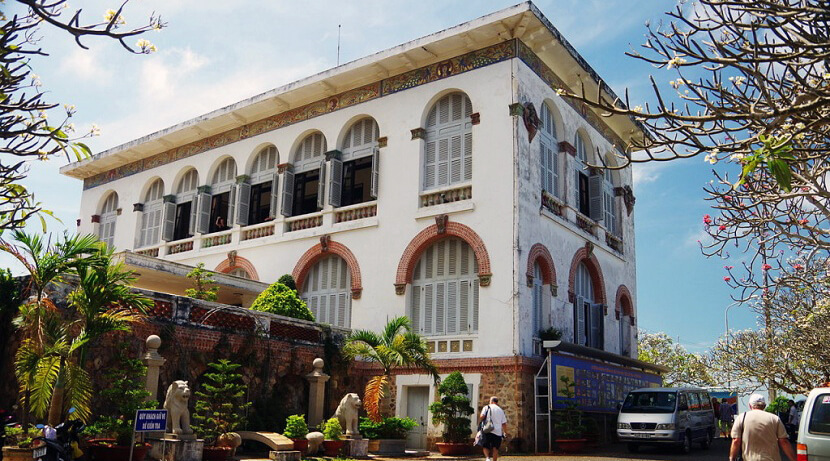
From September 1907 until 1916, this palace was under house arrest for Emperor Thanh Thai before he was finally exiled to Reunion Island in Africa. The White Palace was used again as the residence of the Governor-General of Indochina.
In 1934, the palace was converted into a resort for Emperor Bao Dai and his wife. In the following years, it was always used as a vacation place for the head of state or high-ranking officials of the Republic of Vietnam government.
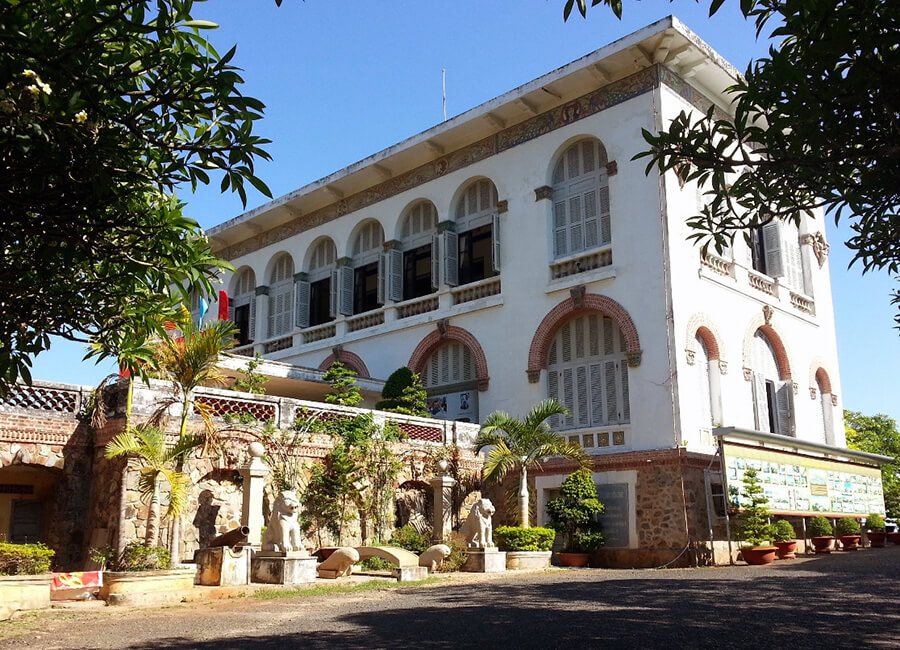
After 1975, the palace was not used for any specific purpose before it was officially converted into a tourist destination. On August 4, 1992, Bach Dinh (White Palace) was recognized by the Ministry of Culture and Information as a national historical and cultural relic.
Architecture of White Palace
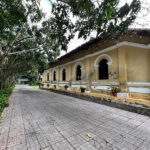
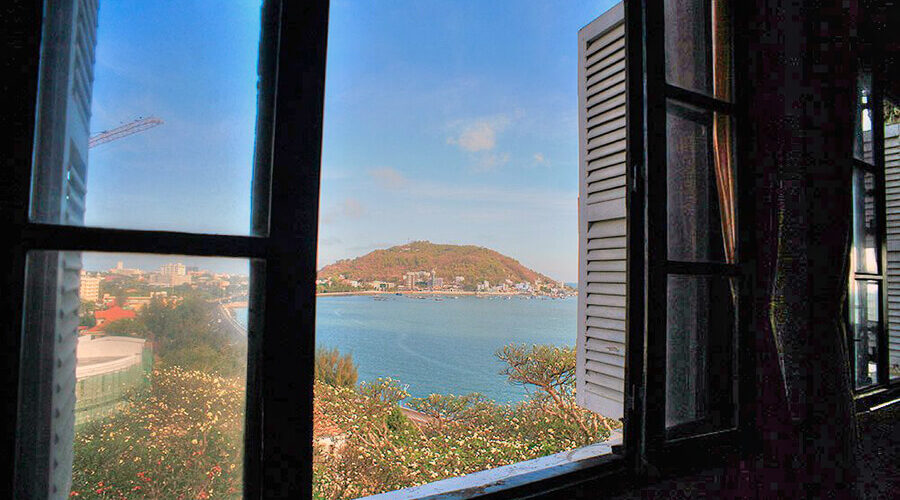
The White Palace is located in the south of Big Mountain (Vietnamese: núi Lớn), 27m above sea level. The palace followed the architectural nuances of France in the late 19th century, overlooking Front Beach, surrounded by a small forest with many types of trees, especially porcelain trees.
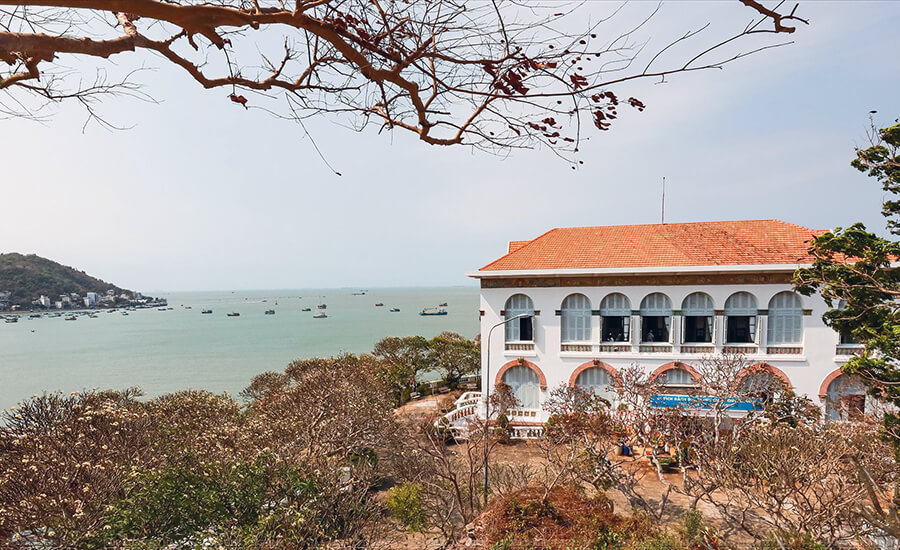
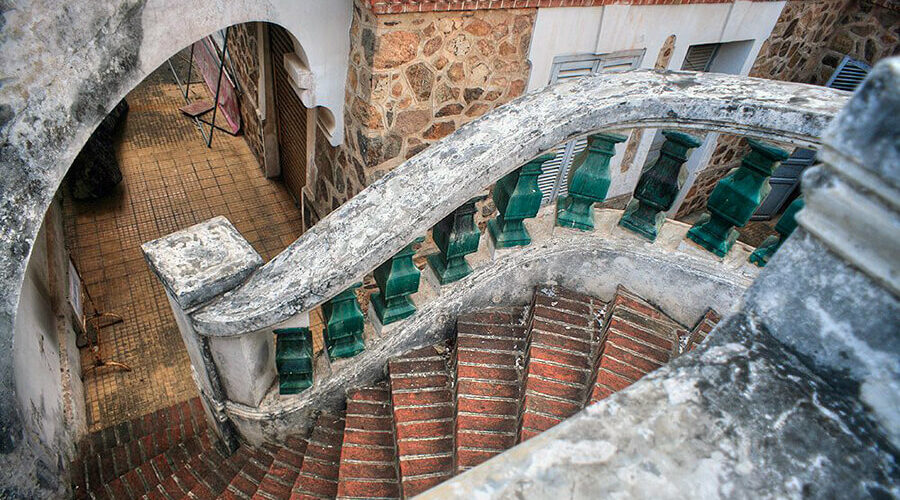
There is a road for cars up to the entrance hall, or you can choose a walking path through 146 ancient steps to reach the palace.
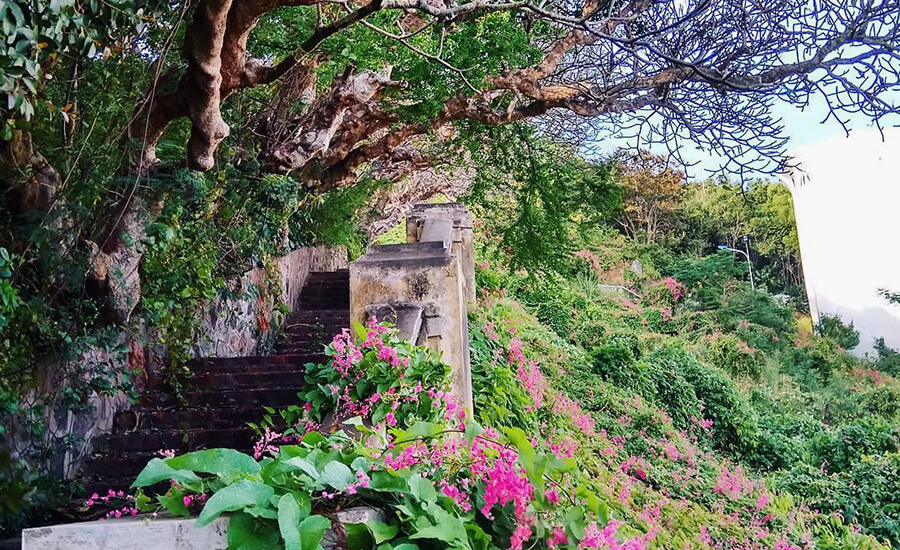
a walking way to White Palace
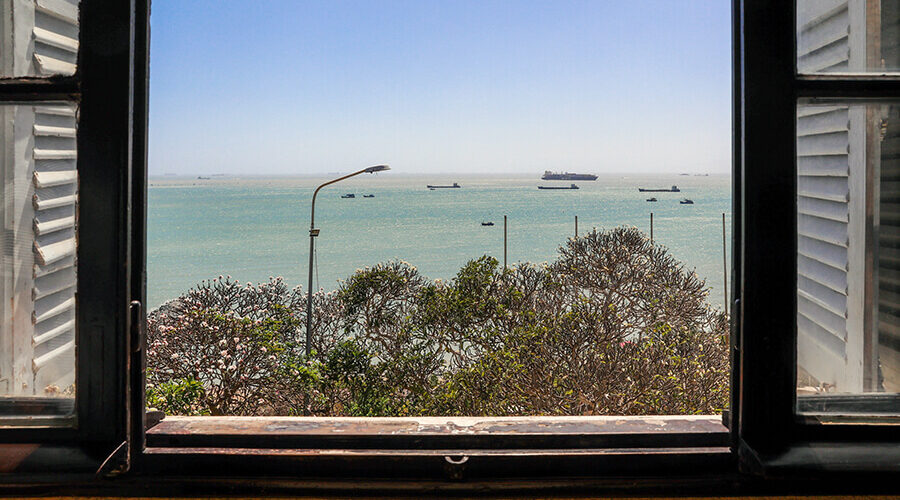
The palace is placed with its back against the hills behind and facing the big sea in front, not only creating a stable stance but also helping those living inside to admire the sunrise and rolling ripples floating on the ocean surface right outside the window. Besides, this position of “leaning against the mountains facing the water” also has a very important meaning in terms of feng shui and spirituality.
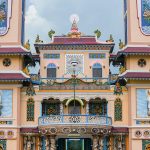
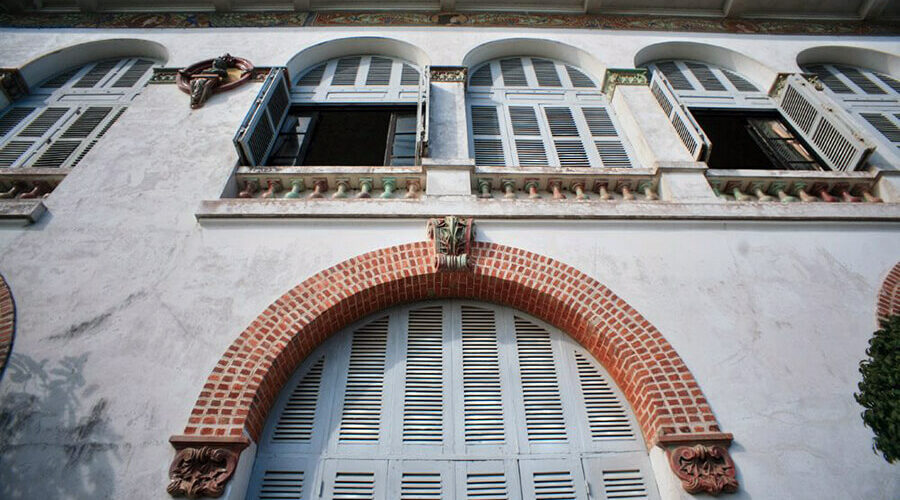
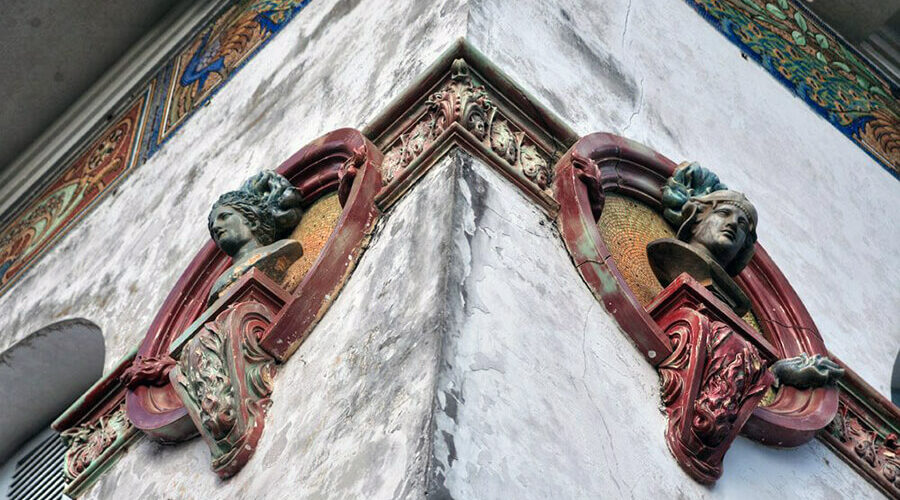
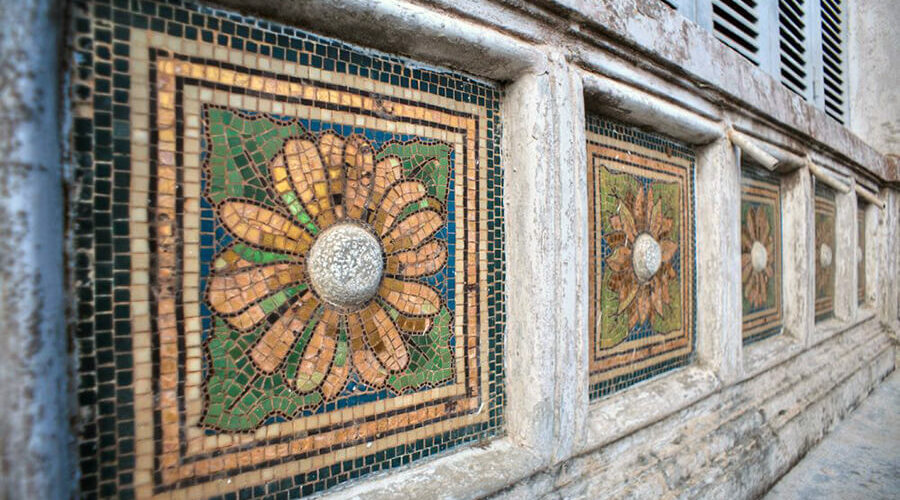
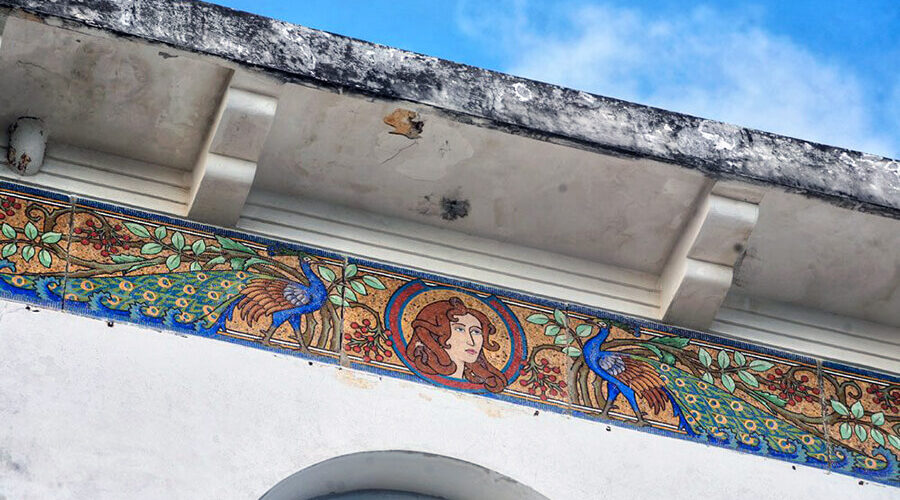
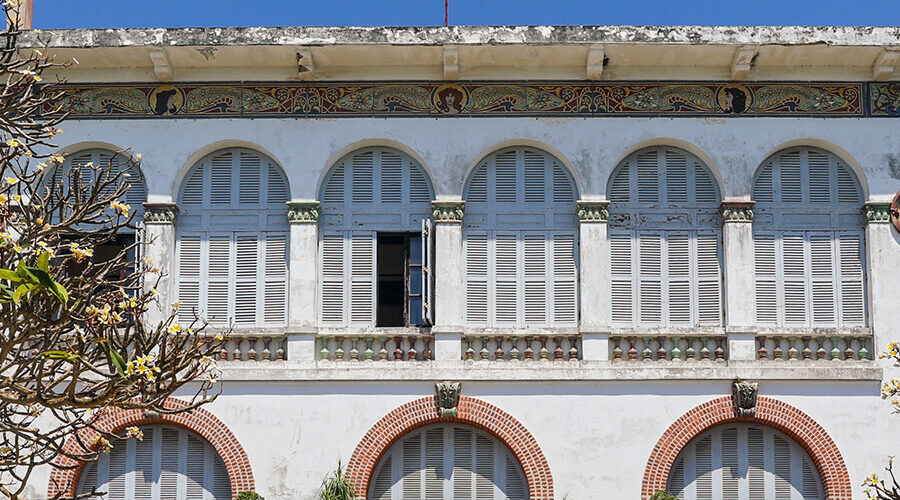
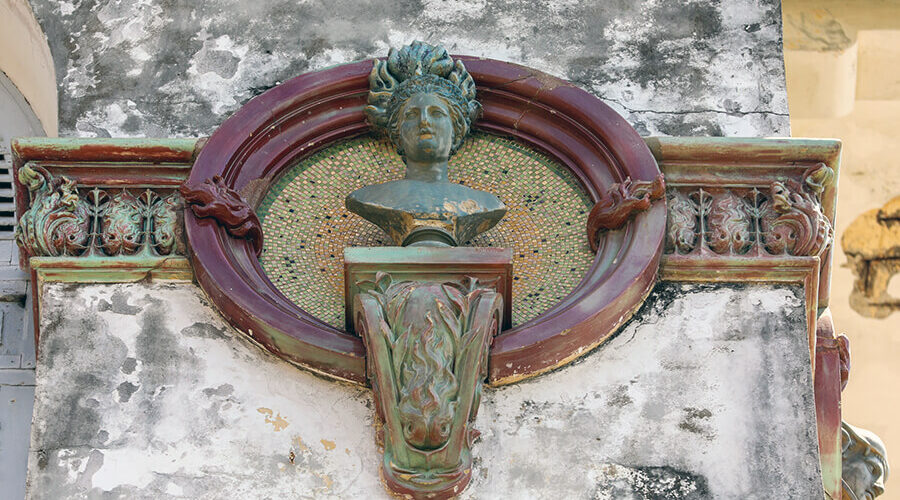
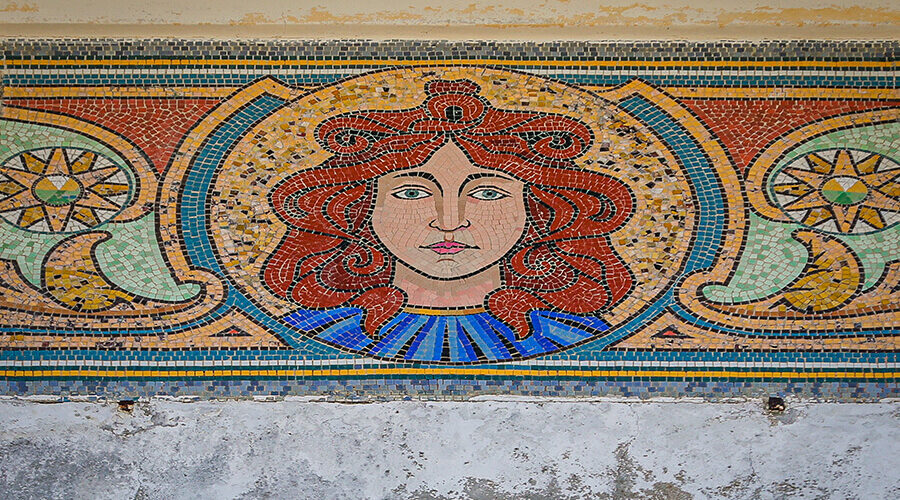
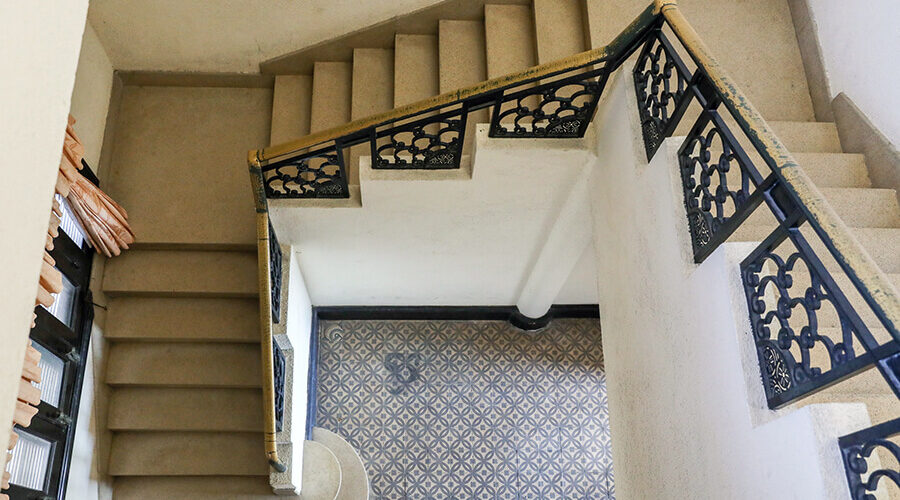
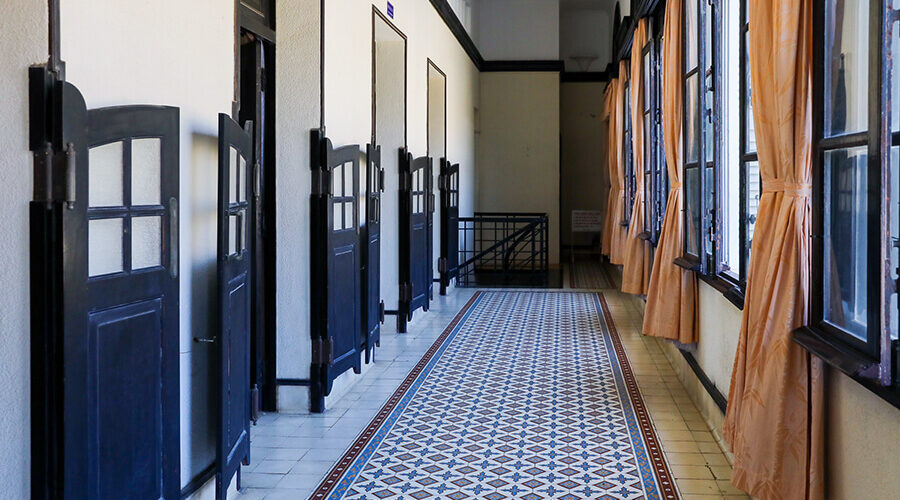
When visiting the palace, visitors can admire French architecture from shape to decoration, with very artistic decorative details. Colored glazed porcelain is the main material for decorating and creating images. A pair of peacocks with emerald green color, dotted with sparkling silver dots, are spreading their wings and dancing, giving the house an elegant appearance.
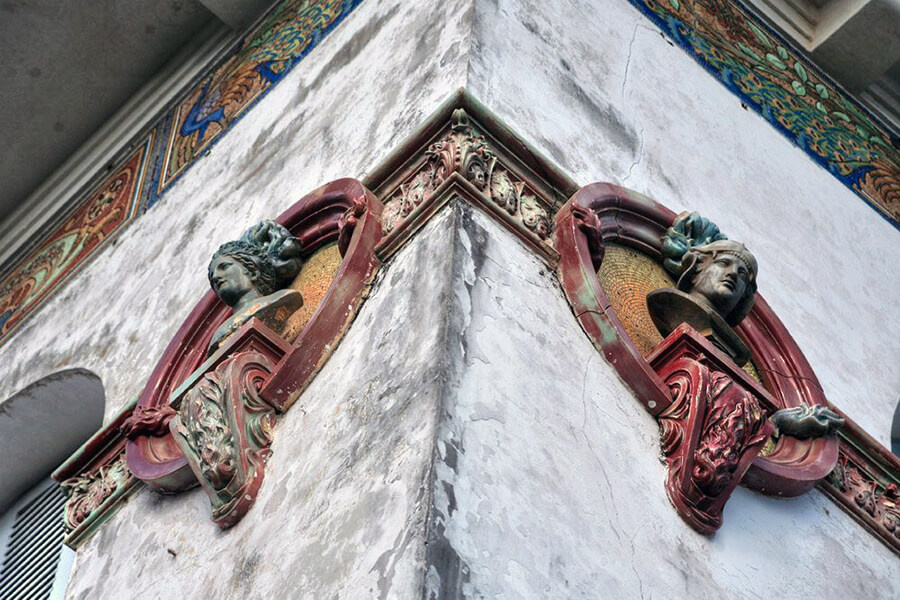
The faces of beautiful European women, like the gods in Greek mythology; a pair of carp curls as if they want to turn into a dragon; Chrysanthemums and sunflowers surround the house, sparkling in the morning light, glowing yellow in the sunlight, making White Palace even more splendid.
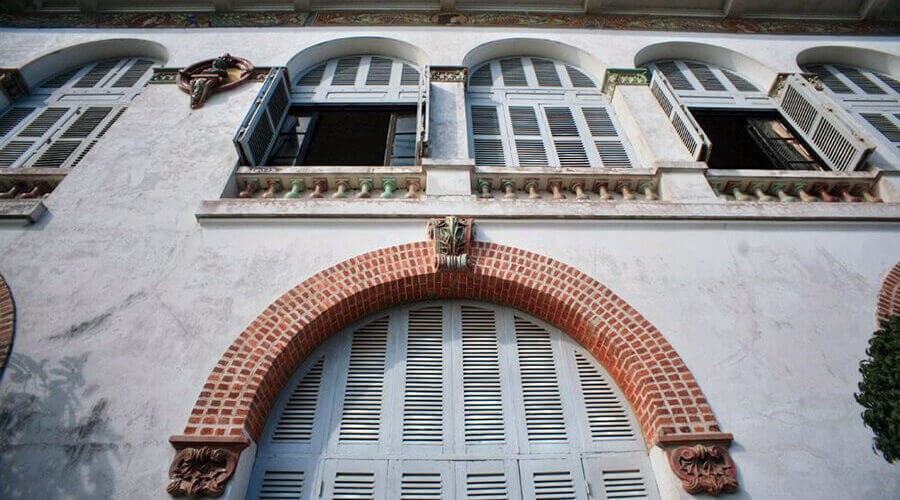
Another impressive decoration is the 8 portraits of ancient Greek gods mounted in a row along the main walls of the building. Their body are clearly expressed, sharp, and delicate.
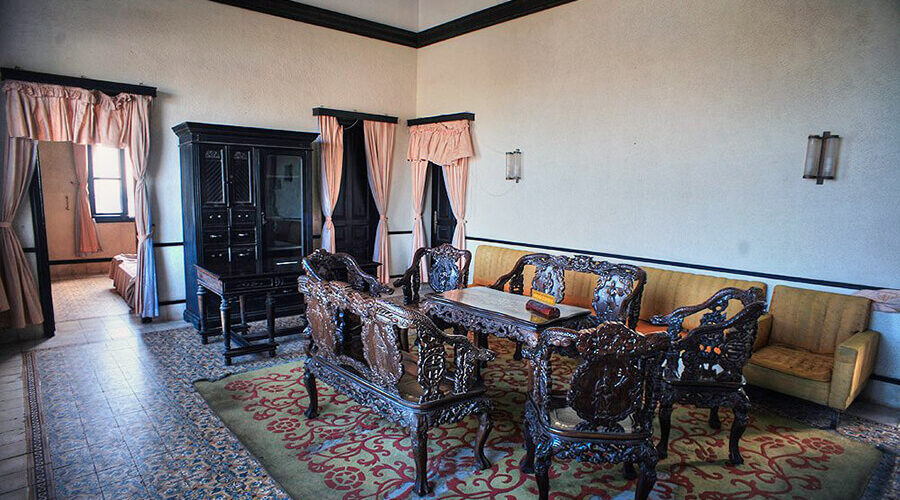
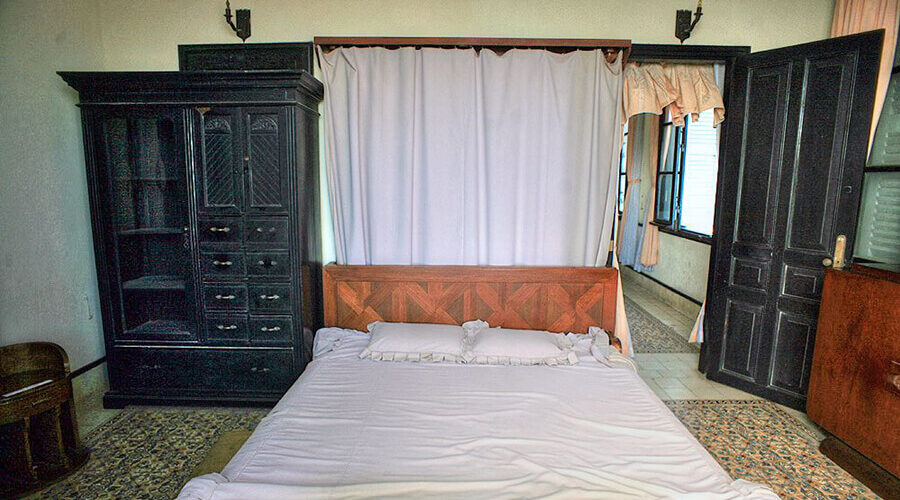
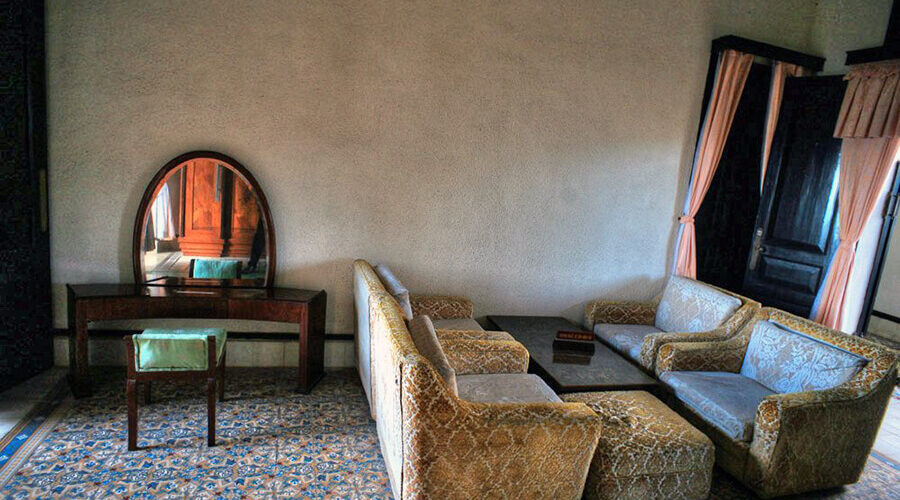
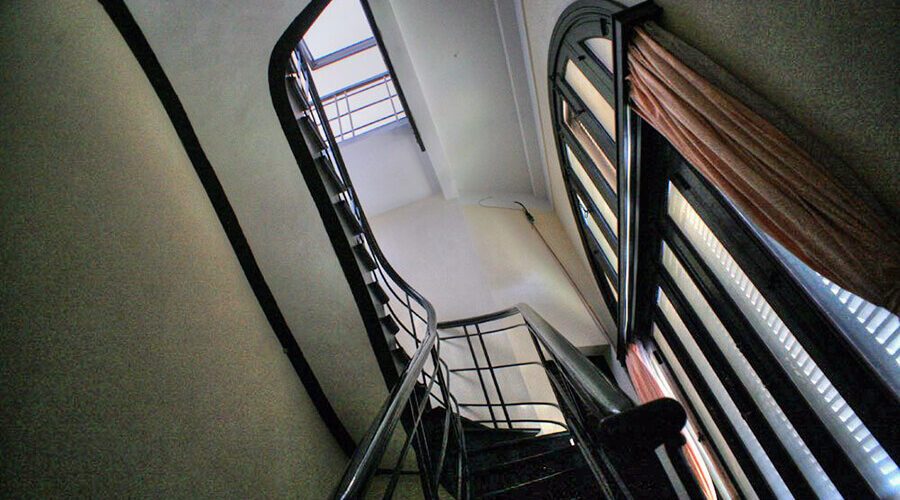
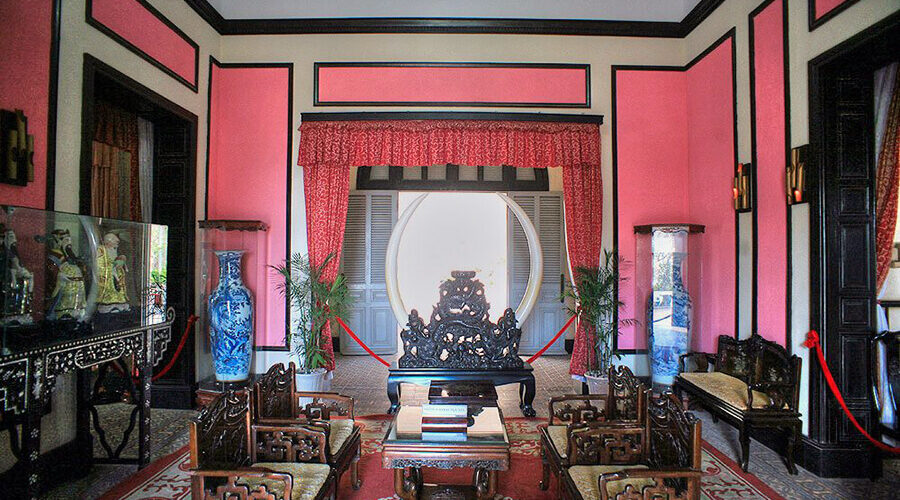
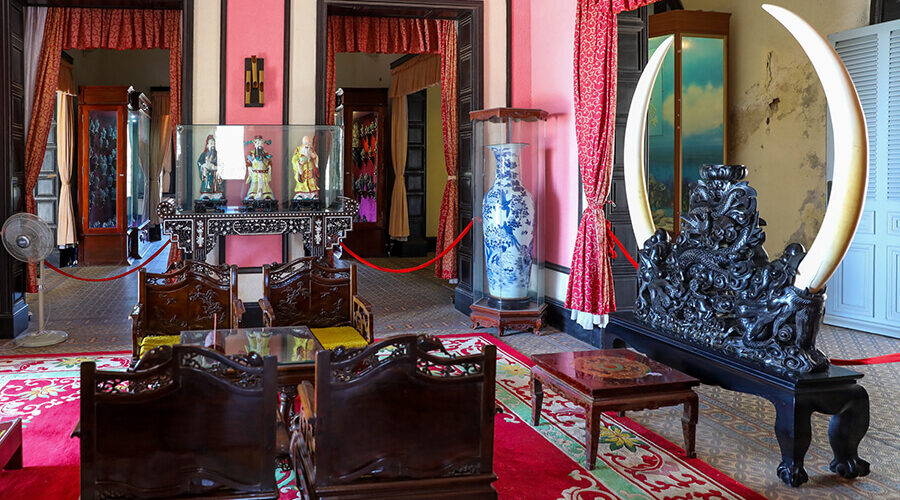
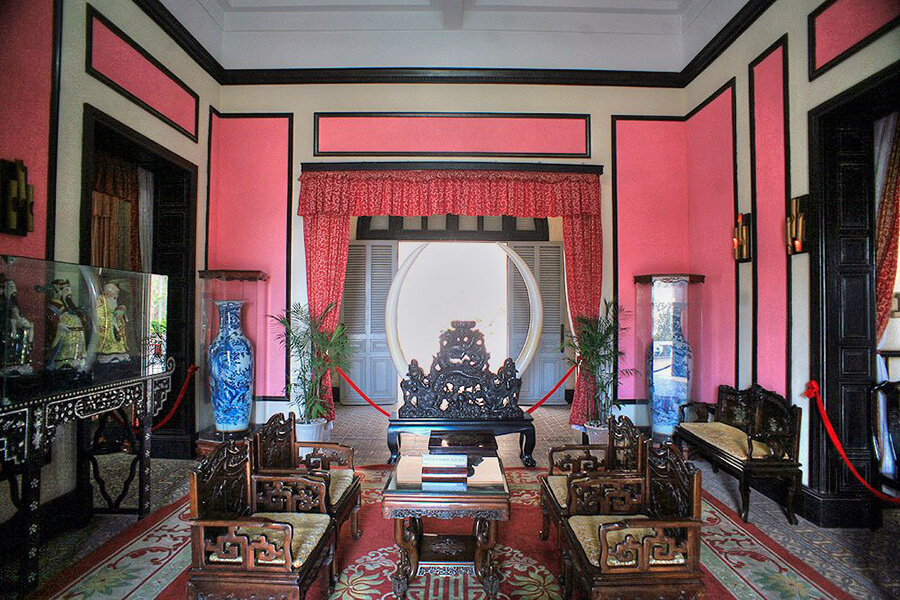
White Palace, or Bạch Dinh, has three floors, a total height of 19m, and is 25m long. The entire house is whitewashed, with domed doors and a tiled roof. Today, the ground floor of Bach Dinh still preserves valuable antiques used for decoration. These are items imbued with Vietnamese cultural traditions, such as the Royal sofa set dating back to 1921 under the reign of Emperor Khai Dinh, pair of ancient vases, a set of the three Stargods Fu, Lu, Shou – the Sanxing. In addition, there is an item imported from overseas: a pair of 1.7-meter-long African elephant tusks that reflect the building’s owner’s aristocratic style.
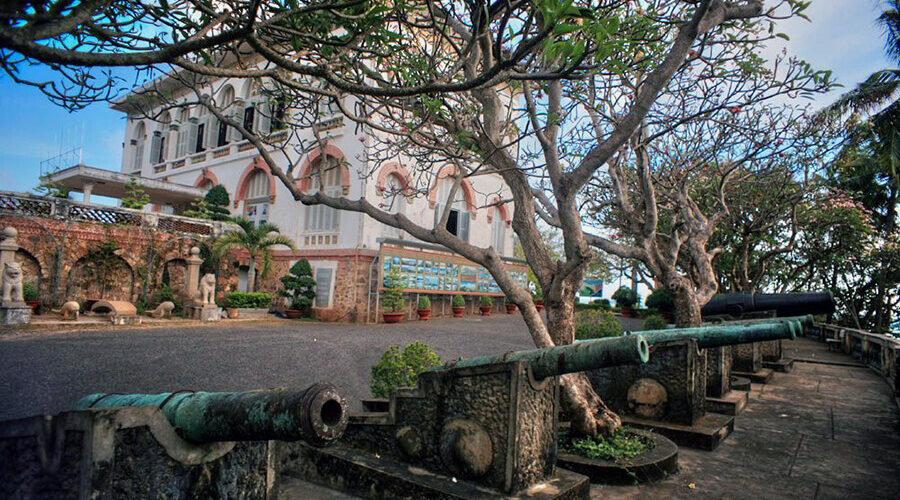
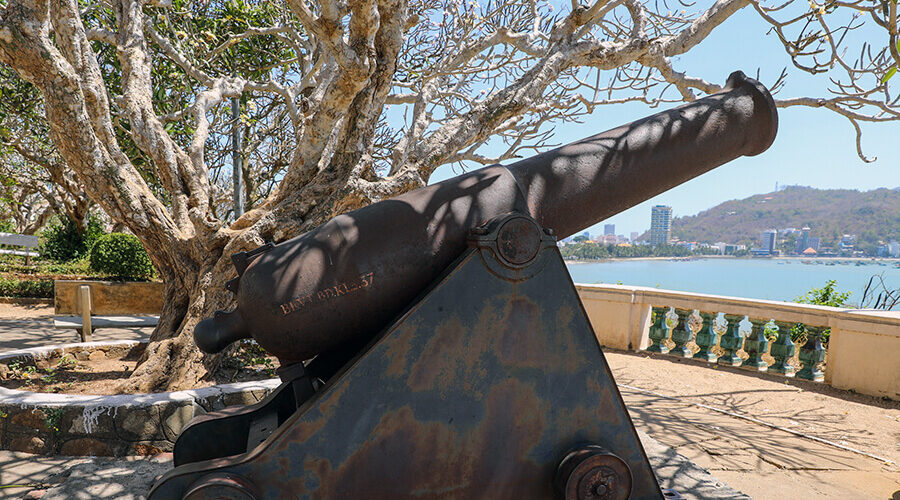
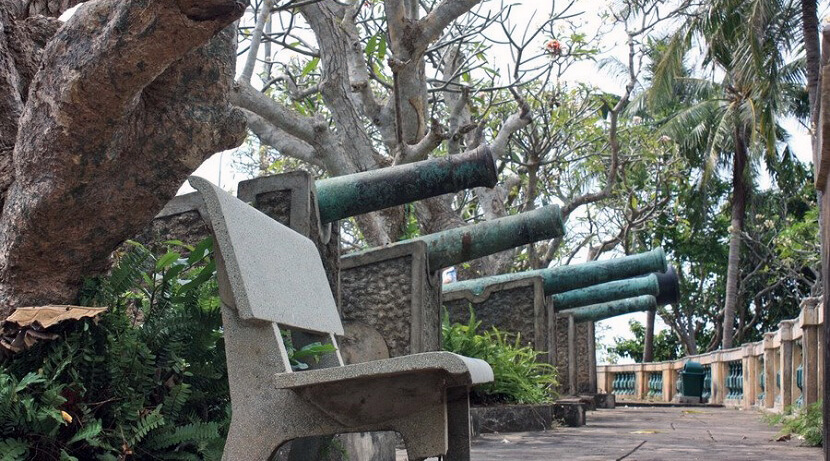
Not only preserving objects of the ancient owners, but today White Palace is also used as a place to display precious antiques, including cannons and especially a set of “undersea treasures” that were recovered from ships that unfortunately sank in the waters off the Con Dao area around the 17th century.
These are thousands of beautiful Chinese ceramic items made during the reign of King Kangxi of the Qing Dynasty.
Useful information about White Palace
- Location: 6 Tran Phu Street, Vung Tau Ward, Ho Chi Minh City.
- Best for: Family, couple, solo
- Entrance: from 15.000VND/1 ticket
- Opening Hours: Daily 07:00 – 17:00
- Other tourist spots nearby: Thích Ca Phật Đài, Front beach, Nghinh Phong cape, Christ of Vung Tau…
Source: collected by An
Follow us for the best deal with Vietnam package tours and visa services!